
Desserts
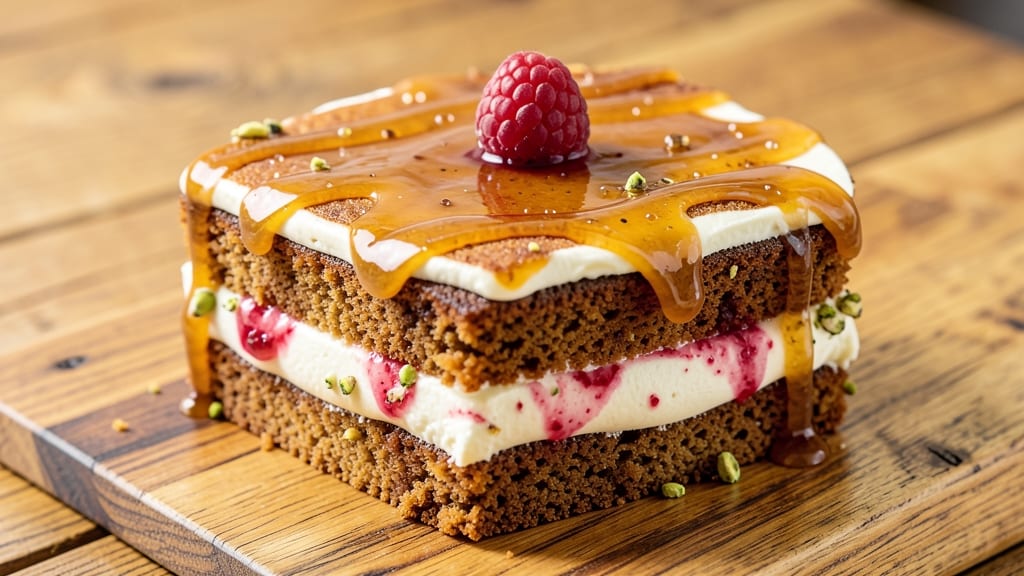
This 7up pound cake icing recipe delivers a nostalgic twist on classic vanilla cake—bright citrus swirls that cut through rich, moist layers like a fizzy summer breeze.
The secret lies in swapping traditional vanilla extract for 7up concentrate, which infuses the batter with a subtle lemon-lime tang that keeps every bite feeling fresh.
I developed this recipe after years of baking pound cakes that always dried out by the second day, and this version stays tender for days.
The cake itself is built on a simple but precise method: creaming butter and sugar until light and fluffy, then folding in a mix of all-purpose flour, baking powder, and that signature 7up concentrate.
The icing—a smooth, creamy frosting with just a hint of citrus—is where the magic happens, swirled into the layers before the final coat. What sets this apart is how the icing’s vibrant color and tangy flavor complement the cake’s moisture without overpowering it.
By the time you slice into this cake, you’ll taste the perfect balance: a moist, crumbly-yet-tender crumb with pockets of citrus-infused frosting that brighten every bite.
The 7up concentrate doesn’t just add flavor—it keeps the cake from drying out, making this the ideal dessert for potlucks, birthdays, or anytime you crave something sweet with a refreshing twist. The layers hold together beautifully, so you can frost, swirl, and serve with confidence.
For extra flair, top with fresh berries or a sprinkle of citrus zest before serving. This recipe scales perfectly for a crowd, and the icing can be made ahead, so you’ll spend less time baking and more time enjoying the results. Let’s get started—your taste buds will thank you.
Ingredients for 7up pound cake icing
Four layers of citrus-kissed cake and bright icing—simple ingredients, big flavor punch.
| Ingredient | Amount | Notes |
|---|---|---|
| 7up Concentrate 🍋 | ½ cup | Not syrup, the thick concentrate |
| Unsalted Butter 🧈 | 1 cup | Room temperature, full-fat preferred |
| Granulated Sugar 🍚 | 4 cups | Superfine if available for smoother icing |
| All-Purpose Flour 🌾 | 2 ½ cups | Sifted for light texture |
| Baking Powder 🍞 | 2 tsp | Double-acting preferred |
| Salt 🧂 | ½ tsp | Fine sea salt |
| Large Eggs 🥚 | 4 whole | Room temperature for best results |
| Heavy Cream 🥛 | 1 cup | Cold for whipping |
| Powdered Sugar 🍚 | 3 cups | Sifted for smooth frosting |
| Lemon Juice 🍋 | 1 tbsp | Freshly squeezed |
| Vanilla Extract 🥄 | 1 tsp | Pure vanilla preferred |
| Citrus Zest 🍊 | 1 tbsp | Lemon or lime, finely grated |
The 7up concentrate is the star here. Grab the thick, syrupy kind from the soda aisle—not the pre-mixed syrup. Costco or Walmart usually stock it in bulk, but check the back of the soda section if you can't find it. If you're worried about the taste being too strong, don't be—it mellows beautifully in the cake. The butter matters too; room temperature is key—cold butter won't cream properly, and you'll end up with a dense cake. I always use Land O'Lakes unsalted because it's consistent, but any good-quality butter works. For the powdered sugar, Domino or C&H brands are my go-tos—they're fine enough for a silky frosting without clumping.
No 7up concentrate? Substitute with equal parts lemon juice and lime juice—it won't be identical, but it'll give you that citrus tang. Running out of vanilla extract? Almond extract at half the amount works in a pinch, though the flavor will shift slightly. The citrus zest can be swapped for orange zest if that's what you have, but lemon or lime keeps it true to the original. For the heavy cream, whipping cream works too, but it might not whip as high. If you're in a hurry, cool the mixing bowl in the freezer for 10 minutes before whipping—it helps the cream reach stiff peaks faster. The baking powder is non-negotiable here; aluminum-free is best for a tender crumb.
This icing keeps beautifully—5-7 days in the fridge if sealed tightly. I like to make it a day ahead so the flavors meld. The cake layers? 3 days max in the fridge, wrapped in plastic. For serving, I always pull the cake out 30 minutes before slicing so it's not cold. The icing can be tinted with gel food coloring if you want that classic 7up yellow—just a drop or two. Freeze the icing in portions if you're not using it all; thaw at room temperature before using, and give it a quick whisk to smooth it out.
Why You'll Love This Recipe
- Pantry Magic: I swear, this icing comes together with stuff I already have—no fancy trips to the store. Just a splash of 7up concentrate, softened butter, and sugar that’s been sitting in my cabinet for months. Honestly, it’s the kind of recipe that turns "I don’t feel like baking" into "why didn’t I think of this sooner?"
- Citrus Kiss: That 7up concentrate isn’t just for soda—it brings this icing a bright, tangy sweetness that cuts through the richness of butter. It’s like a grown-up lemonade, but with a nostalgic twist. My kids dip their cake in it like it’s the best thing ever, and I won’t even tell them it’s "healthy" (okay, fine, it’s not).
- Birthday Party Ready: This icing is my go-to for last-minute celebrations. Slather it on pound cake, frost cupcakes, or even drizzle it over vanilla ice cream for a crowd-pleaser. Between us, I’ve used it to fix "boring" store-bought cake in 10 minutes flat—no one ever suspects it’s not homemade.
- Leftovers That Last: The best part? This icing keeps for days in the fridge, and it actually tastes better the second time around. I make a double batch, store it in a jar, and use it to jazz up toast, pancakes, or even oatmeal. Not the prettiest, but the taste makes up for it every time.
Step-by-step instructions for vibrant citrus swirls over moist layers
Here's how to create that signature citrusy icing that keeps this pound cake wonderfully moist.
Prepare the Citrus Swirl Filling
In a small saucepan, combine the 0.5 cup 7up concentrate, 1 cup unsalted butter, and 1 cup granulated sugar. Place over medium heat and whisk constantly until the mixture reaches a gentle boil. The butter should melt completely and the mixture should thicken slightly, taking about 5-7 minutes. Here's where the magic happens - you'll see the mixture turn a beautiful golden amber color and smell intensely citrusy.
Remove from heat and stir in the 1 tbsp lemon juice and 1 tbsp citrus zest. Let this cool completely to room temperature, stirring occasionally. This filling is what gives the cake its signature citrus punch and keeps the layers wonderfully moist. I like to pour it into a small bowl and let it sit while I prepare the cake batter - it gives me a chance to work on the cake layers without worrying about the filling setting too quickly.
Make the Citrus Cream Cheese Frosting
In a medium bowl, beat the 1 cup heavy cream until stiff peaks form. Set aside. In a separate large bowl, combine the 3 cups powdered sugar, 1 tsp vanilla extract, and 1 tsp lemon juice. Mix until smooth. Gently fold in the whipped cream until fully incorporated, creating a light, airy frosting base.
This is where we build the signature flavor. Add the cooled citrus filling from Step 1 and mix until just combined. The frosting should maintain its light texture while incorporating the vibrant citrus flavor. If it looks too thick, add 1 teaspoon at a time of milk or cream until you reach a smooth, spreadable consistency. The frosting should be thick enough to hold its shape but still spreadable - it should leave a slight trail when you run a spatula through it.
Assemble the Cake Layers
Begin by spreading a thin layer of frosting on the bottom of your 8-inch cake pan or serving dish. Place the first cake layer on top, then spread about 1/3 of the remaining frosting evenly over the layer. This creates a moisture barrier that keeps the cake wonderfully moist. Spoon 1/3 of the citrus filling over the frosting, then gently swirl it with a knife to create a marbled effect. Repeat with the second cake layer and remaining frosting and filling.
For that signature look, pipe a small amount of frosting around the edges of the cake and use a toothpick to create decorative swirls. The key here is to work quickly but carefully - you want those vibrant citrus swirls to show through while maintaining the cake's structure. Place the assembled cake in the refrigerator for at least 2 hours before serving to allow the flavors to meld and the filling to set slightly. This chilling time is crucial for developing those beautiful citrus swirls that make this cake so special.
Final Decoration and Serving
Remove the cake from the refrigerator and let it sit at room temperature for 10-15 minutes before serving. This brief warming helps the frosting soften slightly and makes it easier to slice. Dust the top with an additional 1/4 cup powdered sugar for a beautiful finish. The cake should have visible citrus swirls throughout, with a moist crumb that's just slightly dense - that's the signature texture of a perfect pound cake.
Slice carefully with a sharp knife that's been dipped in hot water and wiped dry. This ensures clean slices that showcase the beautiful citrus swirls. Serve immediately while the cake is still slightly cool - this is when the flavors are at their peak. The combination of the moist cake layers, tangy citrus filling, and creamy frosting creates a perfect balance that makes every bite delicious. This cake keeps well for 2-3 days covered at room temperature, though I find it's best enjoyed fresh from the oven.
Pro Tips For Making 7up Pound Cake Icing
- Whisk Butter First: Melt your unsalted butter and let it cool just until it’s warm to the touch—then whisk it into the 7up concentrate while it’s still liquid. I used to dump cold butter in, and the icing would clump like a science experiment gone wrong. This keeps the texture smooth from the start.
- Sift the Dry Mix: Combine your flour, baking powder, and sugar before adding the wet ingredients, then sift the whole batch into the bowl. I learned this the hard way—skipping the sift leads to dense, uneven icing that sticks like glue to the spatula.
- Thin Gradually: Start with half the 7up concentrate, mix, then add more drop by drop until you hit the right consistency. The recipe’s 7up-to-butter ratio is a guideline, not gospel—your humidity and cake’s moisture will change things. (Yes, I’ve ruined a batch by being impatient.)
- Chill the Bowl: Pop your mixing bowl in the freezer for 10 minutes before starting. The cold surface helps the butter and sugar emulsify faster, and you’ll avoid that greasy, separated look that happens when everything gets too warm too quick. Trust me, it’s worth the wait.
Common mistakes when making this dish
Overmixing the Batter
I’ve ruined more pound cakes than I’d like to admit by overmixing the batter after adding the flour. Once you fold in the dry ingredients, stop mixing immediately—just until combined. Overmixing develops gluten, which makes the cake dense and tough instead of tender.
I use a spatula to gently fold the flour mixture into the wet ingredients, lifting and turning just until no streaks remain. If you’re using an electric mixer, switch to low speed and mix for no more than 10-15 seconds after adding flour. 💫
Skipping the Room-Temp Ingredients
The butter and eggs must be at room temperature, or your cake will turn out greasy or dense. Cold butter won’t cream properly, and cold eggs won’t incorporate smoothly.
I always take the butter out of the fridge 1 hour before baking and let the eggs sit in warm water for 5 minutes to speed up the process. Pro tip: Place your mixing bowl in the freezer for 10 minutes before whipping the cream—it helps achieve stiffer peaks faster.
Incorrect Baking Powder Measurement
Using too much baking powder (or the wrong kind) can make your cake rise too quickly and then collapse. Stick to 2 teaspoons double-acting baking powder—any more, and you’ll end up with a cake that’s flat or has a bitter aftertaste.
I measure baking powder by the spoon-and-level method to avoid overpacking. Also, make sure your baking powder is fresh—old baking powder loses its lift. If you’re unsure, test it by mixing 1 teaspoon with ¼ cup hot water; it should bubble vigorously.
Underestimating the Chill Time
Rushing the 2-hour chill time between layers is a recipe for disaster. Without proper chilling, the frosting won’t set, and the citrus filling will leak out when you slice. I always set a timer and resist the urge to cut into the cake early.
If you’re short on time, place the assembled cake in the freezer for 30 minutes—it’ll firm up faster. This step is especially critical for the citrus filling, which can turn runny if not given time to gel slightly.
Using the Wrong Sugar for Icing
Powdered sugar and granulated sugar aren’t interchangeable in this recipe. For the frosting, powdered sugar is a must—it dissolves smoothly and creates a silky texture. If you use granulated sugar, you’ll end up with a grainy, clumpy mess.
I sift the powdered sugar through a fine-mesh sieve before mixing to avoid any lumps. For the citrus filling, granulated sugar is correct, but if you use powdered, the filling will dissolve too quickly and lose its structure.
Ignoring the Citrus Filling Temperature
The citrus filling must cool completely before assembling the cake, or it’ll melt the frosting and make a soggy mess. I let it sit at room temperature for at least 30 minutes, stirring occasionally to speed up cooling.
If you’re in a hurry, place the bowl in an ice bath (not touching the water) and stir until it reaches 70°F or below. Warm filling will cause the frosting to slide off the layers, ruining the swirl effect and making the cake too wet. 🌡️
Nutrition facts
Frequently asked questions
Can I substitute 7up concentrate with another citrus flavor?
Yes! If you can't find 7up concentrate, use ½ cup lemon juice + ½ cup lime juice instead. For a milder flavor, try 1 cup orange juice + 1 tbsp lemon zest. The key is balancing acidity—too much citrus can make the cake taste sharp. Adjust to taste, but start with equal parts lemon and lime for closest results.
How do I make this cake in a 9x13-inch pan instead of layers?
Reduce the batter by 25% (about 1.8 cups flour instead of 2.5) and bake in a greased 9x13-inch pan at 350°F for 30-35 minutes. Let it cool completely before spreading the citrus filling and frosting. For a single layer, use 1 cup frosting and ⅓ cup filling—spread evenly and chill for 1 hour before serving. The texture stays moist, just without layers.
Can I make the frosting ahead of time?
The frosting keeps for 5-7 days in an airtight container in the fridge. For best results, bring it to room temperature and rewhip briefly before using—it may lose some volume after chilling. The citrus filling can also be prepped 1 day ahead and stored separately. Just ensure both are fully cooled before assembling the cake.
Why did my cake turn out dense instead of moist?
Overmixing the batter or using cold butter/eggs are common culprits. Also check your baking powder—old or too much causes dense texture. For a tender crumb, fold dry ingredients just until combined (no more than 10 strokes by hand). Let the cake cool in the pan for 10 minutes before transferring to avoid cracking. The 7up concentrate should enhance moisture, not replace it—ensure your recipe uses proper butter-to-flour ratios.
How can I make this cake gluten-free?
Replace the all-purpose flour with a 1:1 gluten-free baking flour blend (like Bob's Red Mill) plus ½ tsp xanthan gum. Add 2 tbsp extra milk to the batter for moisture. The citrus filling and frosting remain unchanged. Bake at 325°F instead of 350°F to prevent over-browning. Expect a slightly denser texture, but the flavor stays vibrant. Test with a toothpick—it should come out clean after 30-35 minutes.