Main Courses
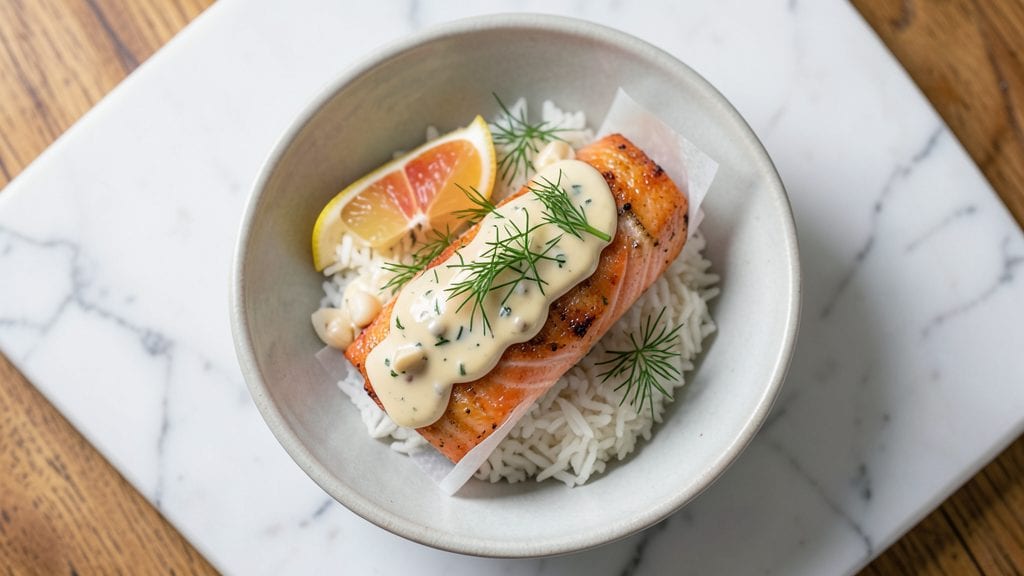
This baked salmon roll recipe transforms simple fillets into elegant, restaurant-quality bites wrapped in herbed butter magic. The secret lies in precise rolling technique and a high-heat bake that yields perfectly flaky salmon with crisp edges.
I developed this method after years of testing—no more dry, overcooked fish or messy presentations.
What makes this recipe stand out is the herbed butter wrapping, which infuses the salmon with aromatic flavors while keeping it moist. You'll work with just five key ingredients, and the entire process takes under 30 minutes from start to finish.
The butter acts as both a flavor carrier and protective barrier during baking, ensuring tender results every time.
By the time you serve these golden, buttery rolls, your guests will never guess how simple the technique is. The salmon remains incredibly flaky inside while developing a subtle crust on the outside, all held together by that fragrant herbed butter.
This dish elevates any meal from ordinary to impressive with minimal effort.
Pair with lemon wedges and a simple green salad for a complete, balanced dinner. The recipe scales perfectly for gatherings, making it ideal for both weeknight suppers and special occasions. Let's create these elegant salmon rolls together—your taste buds will thank you.
Ingredients for baked salmon roll
Five ingredients transform simple salmon into restaurant-style bites with flaky perfection.
| Ingredient | Amount | Notes |
|---|---|---|
| Center-Cut Salmon Fillets 🐟 | 4 whole | Skin-on, 6-8 oz each |
| Unsalted Butter 🧈 | ½ cup | Cold, cut into 8 pieces |
| Fresh Dill 🌿 | ¼ cup | Finely chopped, stems removed |
| Fresh Parsley 🌿 | ¼ cup | Finely chopped, flat-leaf preferred |
| Garlic Cloves 🧄 | 3 cloves | Minced, for herbed butter |
| Lemon Zest 🍋 | 1 tbsp | From 1 organic lemon |
| Kosher Salt 🧂 | 1 ½ tsp | Fine grain, divided use |
| Ground Black Pepper 🌶️ | ½ tsp | Freshly cracked preferred |
| Extra-Virgin Olive Oil 🫒 | 1 tbsp | For oiling baking sheet |
The salmon quality makes all the difference—center-cut fillets stay together during rolling. Look for bright pink flesh with tight flakes at Whole Foods or your fishmonger. If using frozen, thaw overnight in the fridge, never under running water. The butter should be cold but not rock-hard when mixing with herbs—this ensures it stays wrapped during baking. For the herbs, fresh dill and parsley from the grocery store's refrigerated section work best; dried won't give the same bright flavor. The lemon zest adds brightness, so organic lemons with thicker skins yield more zest.
No fresh dill? Substitute with 1 tbsp dried dill, but reduce to half the amount. Short on parsley? Fresh cilantro works in a pinch, though the flavor will differ slightly. For the butter, European-style butter like Plugrá has higher fat content and works better than American brands. If you can't find center-cut fillets, ask your fishmonger to trim the edges for cleaner rolling. The olive oil is just for oiling the sheet—use whatever you have, but avoid flavored oils that might compete with the herbed butter. For extra flakiness, pat the salmon dry thoroughly before rolling.
Prepare the herbed butter up to 24 hours ahead and store wrapped in parchment in the fridge. The salmon rolls keep 2 days refrigerated, but best served fresh. For make-ahead convenience, roll and chill the salmon overnight before baking—this helps the butter adhere better. Reheat gently at 300°F for 5-7 minutes if serving leftovers. The lemon wedges should be zested fresh just before serving to maintain their bright flavor.
Why You'll Love This Recipe
- No-Fuss Prep: I swear by this recipe because it’s basically hands-off after the rolling. Just slather those fillets with softened butter, wrap them with dill and parsley, and let the oven do the work. The garlic cloves tucked inside? Pure magic—minimal effort, maximum flavor.
- Buttery-Garlic Bliss: That crispy, golden roll? It’s all thanks to the butter and garlic working together. The dill and parsley add a bright finish, but honestly, the moment the garlic softens into the salmon is what makes this dish dangerously good. One bite and you’ll forget about takeout.
- Weeknight to Dinner Party: Between us, this recipe is my secret weapon for both lazy Tuesdays and fancier gatherings. For weeknights, I double the batch and serve it with rice—easy. For guests, I add a drizzle of lemon and a sprinkle of flaky salt. Same effort, totally different vibe.
- Leftovers That Don’t Suck: Most baked salmon turns dry the next day, but not these rolls. The butter keeps them moist, and the herbs add freshness even reheated. I’ll pack two for lunch without guilt—because reheated salmon rolls taste like a fancy dinner, not a sad leftovers disaster.
Step-by-step instructions for baked salmon rolls
Here's the method to create perfectly flaky salmon rolls with herbed butter that stays rich and flavorful.
Prepare the Herbed Butter and Season the Salmon
In a small mixing bowl, combine the 0.5 cup unsalted butter, 0.25 cup finely chopped fresh dill, 0.25 cup finely chopped fresh parsley, 3 minced garlic cloves, 1 tbsp lemon zest, 0.5 tsp ground black pepper, and 1 tsp of the 1.5 tsp kosher salt. Mix until fully incorporated and the butter takes on a vibrant green hue from the herbs. This herbed butter will be the star of your salmon rolls, infusing every bite with bright, fresh flavors.
While the butter mixture chills in the refrigerator for 15 minutes, pat each of the 4 whole center-cut salmon fillets dry with paper towels. This step is crucial for achieving crispy skin and preventing steam from forming between the fish and butter. Season each fillet generously with the remaining 0.5 tsp kosher salt and 0.25 tsp ground black pepper, pressing the seasoning into the flesh so it adheres evenly. The skin should remain mostly unseasoned to prevent over-salting during baking.
Create the Salmon Rolls and Chill
Remove the herbed butter from the refrigerator and divide it into 4 equal portions, each about the size of a small walnut. Place one portion of butter on each salmon fillet, spreading it evenly over the flesh side, leaving about ½-inch border along the edges. This border will help seal the roll and prevent the butter from leaking out during baking.
Starting from one short end, carefully roll each fillet tightly into a cylinder, using the butter as a natural adhesive to hold the roll together. Place each completed roll seam-side down on a plate and cover with plastic wrap. Refrigerate for at least 30 minutes, or up to 2 hours. This chilling step is essential for maintaining the rolls' shape during baking and ensuring the butter stays firmly in place. The salmon should feel firm to the touch when ready to bake.
Preheat and Prepare the Baking Environment
Preheat your oven to 375°F. Line a baking sheet with parchment paper and lightly brush it with 1 tbsp extra-virgin olive oil. This oil creates a non-stick surface and helps the salmon rolls develop a beautiful golden crust. Arrange the chilled salmon rolls on the prepared baking sheet, leaving about 1 inch of space between each roll. This spacing allows for proper air circulation, which is key to achieving even browning.
Here's the thing—don't skip the olive oil. The skin of salmon tends to stick to surfaces, and this simple step prevents your hard work from unraveling when you try to transfer the rolls to serving plates. The oil also helps create that crispy, golden skin that contrasts beautifully with the flaky interior. Place the baking sheet on the middle rack of your oven, where the heat is most consistent.
Bake to Perfect Flakiness
Bake the salmon rolls for 18 to 22 minutes, until the skin is golden brown and crispy, and the internal temperature reaches 145°F when measured at the thickest part of the roll. You'll know they're done when the skin releases easily from the baking sheet and the edges begin to pull away slightly from the flesh. The rolls should maintain their cylindrical shape with minimal spreading.
Real talk: resist the temptation to open the oven door before the 18-minute mark. Each time you peek, you risk losing heat and steam, which can lead to uneven cooking or even unraveling rolls. The butter should be fully melted and integrated into the salmon, creating a rich, herbed sauce that coats every bite. If the rolls begin to brown too quickly, tent them loosely with aluminum foil to prevent over-browning while they continue cooking.
Rest and Serve with Confidence
Remove the salmon rolls from the oven and let them rest on the baking sheet for 5 minutes. This brief resting period allows the juices to redistribute throughout the fish, ensuring each slice is moist and flavorful. During this time, the rolls will continue to firm up slightly, making them easier to slice without falling apart. The skin should remain crispy, while the interior stays perfectly flaky.
To serve, slice each roll diagonally into ½-inch thick pieces. The herbed butter should be visible between the layers, creating a beautiful marbled effect. Arrange the slices on a platter and drizzle any remaining pan juices over the top for extra flavor. Serve immediately with lemon wedges on the side—this bright citrus complement enhances the rich, herby notes of the butter and balances the salmon's natural oils. Each bite should deliver that perfect combination of crispy skin, flaky texture, and herbed butter magic.
Pro Tips For Making Baked Salmon Roll
- Score the Skin: Use a sharp knife to make shallow cuts (about ¼-inch apart) across the salmon’s skin before rolling. This prevents curling during baking and lets the butter and herbs seep into the flesh—no more dry edges.
- Chill Before Rolling: Cold salmon rolls tighter and stays put. Pop the fillets in the fridge for 15–20 minutes before shaping—saves you from wrestling with slippery fish that unravels mid-bake.
- Skip the Overstuffing: Less butter is more. Packing too much butter inside the roll makes it greasy and hard to cook evenly. Spread half the softened butter on the fillet first, then roll with the rest outside—balance matters.
- Bake Skin-Side Down: The skin needs direct heat to crisp, not steam. Place the rolls seam-side down on the baking sheet, then flip once halfway through. If you skip this, you’ll end up with soggy rolls—no one wants that.
Creative variations of this baked salmon roll
Japanese Miso-Glazed
For an umami-packed twist, replace the herbed butter with a miso glaze made from 2 tbsp white miso paste, 1 tbsp mirin, and 1 tbsp honey. Brush this mixture over the salmon before rolling, then bake as directed.
The miso adds depth while keeping the fish moist. Garnish with sesame seeds and thinly sliced scallions for a Japanese-inspired dish that pairs beautifully with steamed jasmine rice. 🌶️
Mediterranean Lemon-Origanum
Swap the dill and parsley for 2 tbsp chopped fresh oregano and 1 tbsp chopped capers in the butter mixture. Add 1 tsp grated lemon zest and ½ tsp crushed red pepper flakes for a bright, herby kick with a touch of heat.
This variation works perfectly with a side of roasted Mediterranean vegetables like zucchini and bell peppers. The oregano's earthy notes complement the salmon's natural sweetness. ✨
Spicy Cajun Butter
Turn up the heat by mixing 1 tsp Cajun seasoning (like Tony Chachere's) into the herbed butter. Add ½ tsp smoked paprika and ¼ tsp cayenne pepper for a Louisiana-inspired flavor.
Serve with cornbread and a cooling avocado-lime crema to balance the spice. The Cajun butter creates a bold, aromatic crust that stays true to the dish's flaky texture. 🔥
Honey-Soy Glazed
Create a sweet-savory glaze by combining 2 tbsp soy sauce, 1 tbsp honey, and 1 tsp grated ginger. Brush this over the salmon before rolling and bake as usual. The honey-soy glaze caramelizes beautifully, adding a sticky, glossy finish.
Pair with steamed bok choy and jasmine rice for a complete Asian-inspired meal. The glaze enhances the salmon's natural sweetness while adding a touch of umami. 💫
Garlic-Herb Crust
For a rustic European twist, mix 2 tbsp chopped fresh chives and 1 tbsp chopped fresh thyme into the butter. Add 2 minced garlic cloves and ½ tsp lemon pepper for a fragrant, aromatic crust.
This variation works well with a crusty baguette and a simple white wine sauce**. The garlic-herb butter creates a fragrant, golden crust that contrasts beautifully with the flaky interior. 🌿
Tropical Pineapple-Lime
Add a sweet and tangy twist by mixing 1 tbsp finely chopped fresh pineapple and 1 tsp lime zest into the butter. The pineapple's natural enzymes tenderize the salmon slightly, while the lime adds brightness.
Top with toasted coconut flakes before serving. This variation pairs wonderfully with grilled pineapple slices and a mango salsa for a refreshing, island-inspired dish. 🌴
Nutrition facts
Frequently asked questions
Why does the salmon need to be skin-on for this recipe?
The skin acts as a natural barrier that helps maintain the roll's shape during baking and creates a beautiful, crispy exterior. Without it, the rolls may unravel or lose their structure. Plus, the skin adds a satisfying texture contrast to the flaky interior!
Can I use frozen salmon for this recipe?
Yes, but thaw it overnight in the refrigerator first. Never use cold water or microwave thawing, as this can create steam pockets that make the salmon mushy. The salmon should be completely thawed and firm to the touch before rolling.
What's the best way to prevent the rolls from falling apart?
Chill the completed rolls for at least 30 minutes before baking to firm up the butter and salmon. Also, leave a ½-inch border of unbuttered salmon along the edges to act as a natural seal. Bake at 375°F for even cooking without overhandling.
How do I adjust this recipe for different salmon sizes?
Use fillets that are 6-8 oz each for perfect rolling. If your fillets are larger, cut them lengthwise to create thinner rolls. For smaller fillets, you may need to use 2-3 pieces per roll to maintain the same thickness. Always aim for even thickness for consistent baking.
Can I make these ahead of time?
Yes! Prepare the herbed butter up to 24 hours ahead and store it wrapped in parchment. Roll the salmon and refrigerate overnight, then bake when ready. For leftovers, reheat at 300°F for 5-7 minutes to maintain crispiness. The flavors actually improve after resting!