
Side Dishes
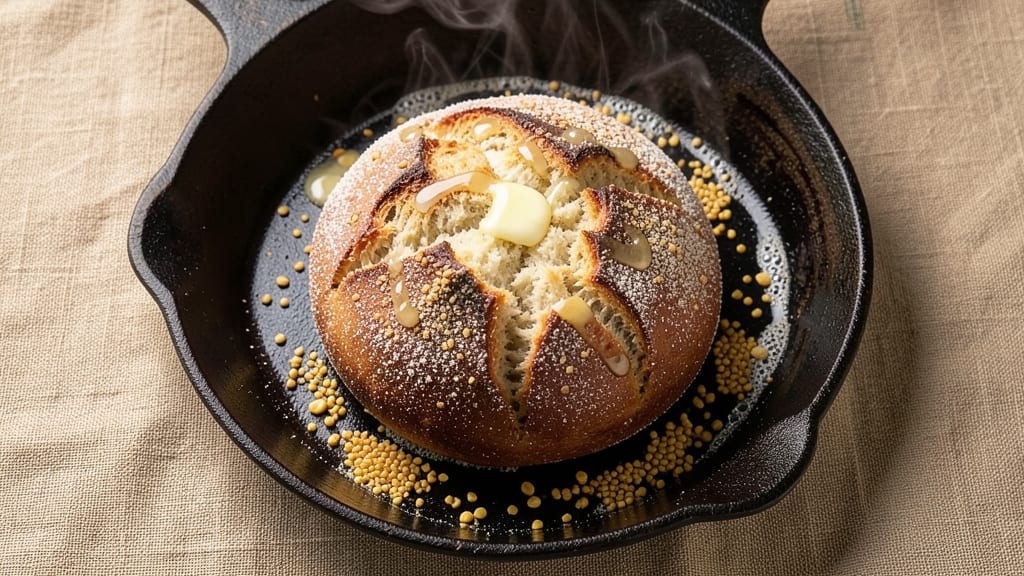
This Albany bread recipe delivers the perfect balance of crispy cornmeal crust and buttery pull-apart texture that makes it a showstopper at any table.
The secret lies in the steam bath during baking, which creates that signature golden crust while keeping the interior tender and fluffy—just like the bread served in classic diners. I developed this version after years of perfecting the technique, ensuring every bite delivers that satisfying contrast of textures.
The beauty of Albany bread is its simplicity—just a few ingredients transform into a loaf that's crisp enough to hold up to soups and stews but still soft enough to tear with your hands.
The cornmeal crust adds a subtle nutty flavor and that signature crunch, while the buttery dough creates the signature pull-apart magic. This recipe builds on traditional methods but includes modern shortcuts to ensure success even for home bakers.
By the time it emerges from the oven, you'll have a loaf with a crispy, golden-brown crust that shatters slightly when broken, revealing tender crumb underneath. The aroma alone will have everyone gathering around the table, and the buttery flavor makes it irresistible.
This bread is perfect for serving alongside soups, stews, or even as a side to hearty main dishes.
For those who want to customize, adding cheese or herbs to the dough creates endless variations while maintaining that signature texture. The key is proper shaping and steam during baking—both essential for achieving that restaurant-quality result at home. Let's get started on creating your perfect loaf.
Ingredients for albany bread
Four cups flour, a splash of milk, and a secret steam bath create this diner-style bread.
| Ingredient | Amount | Notes |
|---|---|---|
| All-Purpose Flour 🌾 | 4 cups | Sifted for light texture |
| Cornmeal 🌽 | ½ cup | Fine grind for even coating |
| Active Dry Yeast 🍞 | 2 ¼ tsp | Freshly opened package |
| Granulated Sugar 🍬 | 1 tbsp | Feeds yeast for rise |
| Unsalted Butter 🧈 | ½ cup | Cold, cubed for dough |
| Warm Water 💧 | 1 ¼ cups | 110°F for yeast activation |
| Salt 🧂 | 1 ½ tsp | Kosher or sea salt |
| Milk 🥛 | ¼ cup | Warmed for dough richness |
| Large Egg 🥚 | 1 whole | Room temperature |
| Butter (for crust) 🧈 | 2 tbsp | Melted for golden finish |
| Cornmeal (for dusting) 🌽 | ¼ cup | Prevents sticking |
The yeast is your secret weapon—Bob's Red Mill or Saf-Instant work best, but any brand will do if it's fresh. For the cornmeal, Bob's Red Mill fine grind gives that perfect crust texture—avoid the gritty stuff. The butter matters too: use Land O'Lakes unsalted or similar for that rich flavor without extra salt. Warm the milk and water to 110°F (not hot!) to activate the yeast properly—stick your finger in, it should feel like bathwater.
No cornmeal? Semolina at the same amount works in a pinch, though the flavor won't be identical. Short on butter? Vegetable shortening keeps the texture but loses that buttery taste. The dough needs to rise twice—first rise at room temp (about 1 hour), then second rise in the fridge overnight for better flavor. If you're in a hurry, let it rise 2 hours at room temp instead. The egg adds structure, but if you're vegan, flax egg (1 tbsp ground flax + 3 tbsp water) works surprisingly well.
This bread keeps 3 days at room temp wrapped in a towel, or 1 week in the fridge. For longer storage, freeze the whole loaf (up to 3 months)—thaw overnight wrapped in foil. The crust gets even better the next day! To revive stale bread, wrap in foil and warm at 350°F for 10 minutes. The golden crust is best eaten fresh, but the tender interior stays soft for days.
Why You'll Love This Recipe
- No-Knead Nightmare Solved: I swear by this dough—just mix, let it rise, and bake. The cornmeal crust gives it that rustic crunch without a single punch to the flour bag.
- Buttery Sweet Crust: That sugar-butter combo in the dough? It caramelizes into a golden, crisp shell while keeping the inside soft. Honestly, the first slice is always gone in seconds.
- Weeknight Workhorse: Toss a loaf in the oven while you prep dinner—it’s done by the time your pasta’s al dente. Slice it for toast, serve it with soup, or freeze half for lazy mornings.
- Pantry Staple Magic: Flour, yeast, butter—ingredients you already own. Between us, this bread costs pennies per serving and lasts forever. My kids beg for it, but my wallet stays happy.
Step-by-step instructions for Albany bread recipe
Here's how to create that irresistible crispy cornmeal crust with buttery, pull-apart perfection.
Activate the Yeast and Mix the Dough
In a large bowl, dissolve the 2.25 tsp active dry yeast and 1 tbsp granulated sugar in the 1.25 cups warm water (about 110°F). Let it sit for 5-10 minutes until frothy—this means your yeast is alive and ready to work. If it doesn't bubble, your yeast may be dead, and you'll need to start over.
In a separate bowl, whisk together the 4 cups all-purpose flour and 1.5 tsp salt. Cut in the 0.5 cup cold unsalted butter using a pastry cutter or your fingers until the mixture resembles coarse crumbs. Add the yeast mixture, 0.25 cup warm milk, and 1 whole large egg to the flour mixture. Stir until a shaggy dough forms, then turn it out onto a lightly floured surface and knead for 5-7 minutes until smooth and elastic.
First Rise and Shape the Dough
Place the dough in a lightly greased bowl, cover it with a damp towel, and let it rise in a warm place for 1-1.5 hours, or until it has doubled in size. You'll know it's ready when it springs back slowly when poked gently with a finger. Punch down the dough to release any air bubbles, then divide it into 4 equal portions (about 1 pound each).
Roll each portion into a 12-inch round on a floured surface, then gently stretch the dough into a 16-inch circle—this creates the signature Albany Bread shape. Place the circles on a parchment-lined baking sheet, cover them loosely with a towel, and let them rise for another 30-45 minutes until puffy and slightly domed.
Prepare the Crispy Cornmeal Crust
Preheat your oven to 400°F. Dust each risen dough circle generously with 0.25 cup cornmeal (for dusting), pressing it lightly into the surface so it adheres. Melt the 2 tbsp butter (for crust) and brush it evenly over the top of each dough circle, focusing on the edges. Sprinkle another 0.5 cup cornmeal evenly over the entire surface—this is what gives Albany Bread its signature crispy, golden crust.
Bake for 20-25 minutes until the crust is deep golden brown and the bread sounds hollow when tapped on the bottom. The edges should be crispy, while the center remains soft and pillowy. If the crust browns too quickly, tent the bread with foil to prevent over-browning.
Serve Warm for Maximum Crispiness
Remove the bread from the oven and let it cool for 5 minutes—this allows the crust to set slightly while keeping it crispy. Serve immediately while still warm, as the crust loses its crunch as it cools. Albany Bread is best enjoyed fresh, with the pull-apart texture and buttery, cornmeal-enhanced crust at its peak.
For extra indulgence, brush the warm bread with a little melted butter and sprinkle with flaky sea salt. The contrast between the crispy crust and soft interior makes every bite worth it. Store leftovers in an airtight container, but reheat only briefly to preserve that coveted crunch.
Pro Tips For Making Albany Bread
- MEASURE YEAST BY VOLUME: I learned this the hard way—yeast scooped from the jar is never accurate. Use a kitchen scale for 7 grams (or level a teaspoon properly), or your bread might rise unevenly. Albany bread’s texture relies on that yeast doing its job right.
- TOAST THE CORNMEAL: Skip the raw cornmeal—it’ll make your bread dense and gummy. Lightly toast it in a dry pan for 3-4 minutes until fragrant. This adds depth and prevents that pasty texture you don’t want in Albany bread.
- DON’T OVER-KNEAD: This isn’t pizza dough—overworking the gluten will make your bread tough. Knead just until the dough pulls cleanly (about 5 minutes by hand). Albany bread’s charm is in its tender crumb, not chewiness.
- USE COLD BUTTER: Cut that unsalted butter straight from the fridge into small cubes. Warm butter melts too fast, leading to uneven distribution and a greasy crumb. Cold butter creates those signature flaky layers Albany bread is known for.
Regional styles of this dish
New York Diner Style
This is the classic Albany Bread you'd find in traditional New York diners, where it's served alongside hearty breakfasts like eggs and bacon. The key here is the steam bath technique—I place a baking sheet filled with boiling water on the lower oven rack while baking.
This creates that signature crispy crust while keeping the interior tender. For maximum authenticity, use King Arthur unbleached flour and let the dough rise overnight in the fridge for deeper flavor. 🥞
Southern Cornbread Twist
In Southern-style versions, you'll find a sweeter profile with 1 tbsp honey or molasses added to the dough. I also swap half the all-purpose flour for cornmeal (total 2 cups cornmeal) to enhance that classic cornbread texture.
This version pairs perfectly with chili or BBQ dishes. For extra richness, fold in ½ cup shredded sharp cheddar during the final knead. 🌽
Herb-Infused European Variation
For a more European-inspired take, I recommend adding 2 tbsp fresh rosemary or thyme to the dough along with 1 tbsp garlic powder. This version works beautifully as a side for roasted meats or Mediterranean dishes.
The herbs should be finely chopped and mixed into the flour before adding other ingredients. For an extra touch, brush the baked bread with garlic-infused olive oil instead of butter. 🌿
Cheesy Pull-Apart Loaf
This family favorite incorporates 2 cups shredded mozzarella into the dough for a gooey, cheesy interior that pairs perfectly with marinara sauce or spaghetti. I use low-moisture mozzarella to prevent a soggy crust.
For added flavor, sprinkle ½ cup grated Parmesan over the top before baking. This version is especially popular in Italian-American diners and makes a fantastic appetizer when served warm. 🧀
Gluten-Free Adaptation
For those with gluten sensitivities, I've successfully adapted this recipe using King Arthur gluten-free flour blend and 1 cup cornmeal. Replace the all-purpose flour completely and add 1 tbsp xanthan gum to improve texture.
The dough will be stickier, so use a dough scraper and wet your hands when handling. Bake at 375°F for 25-30 minutes as gluten-free breads require more time to set. 💪
Breakfast Albany Bread
This sweet variation swaps the granulated sugar for ½ cup brown sugar and adds 1 tsp cinnamon to the dough. I also incorporate ½ cup dried cranberries or raisins for a fruity twist.
Perfect for serving with breakfast meats or as a dessert bread with whipped cream. The crust remains crispy while the interior gets a subtle sweetness that's irresistible. 🍯
Nutrition facts
Frequently asked questions
Why does Albany bread have that signature crispy crust?
The crispy crust comes from two key techniques: the cornmeal coating on top and the steam bath during baking. The cornmeal creates a sturdy, flavorful barrier while the steam (from boiling water in the oven) keeps the crust from drying out too quickly. This combo gives you that perfect shatter while maintaining a tender interior.
Can I make Albany bread without cornmeal?
Yes! While cornmeal is traditional, you can substitute semolina or even crushed graham crackers for a similar texture. For best results, use ½ cup fine semolina and brush the dough with melted butter before baking. The flavor won't be identical, but the crust will still be crispy.
How do I know when the dough is ready for shaping?
The dough is ready when it has doubled in size and springs back slowly when poked gently with a finger. If it springs back quickly, it needs more time. For the Albany Bread shape, stretch each piece into a 16-inch circle—this creates the signature diner-style loaf.
Why did my Albany bread turn out dense instead of crispy?
Dense bread usually means the yeast didn't activate properly or the dough wasn't kneaded enough. Double-check that your water was 110°F (not hot!) and your yeast was fresh. Also, ensure you kneaded for 5-7 minutes and gave it enough time to rise. For extra crispiness, try baking with a steam bath (boiling water in the oven).
Can I make Albany bread ahead of time?
This bread keeps well for 3 days at room temperature wrapped in a towel, or 1 week in the fridge. For longer storage, freeze the whole loaf (up to 3 months). Thaw overnight wrapped in foil, then warm at 350°F for 10 minutes to restore crispiness.