
Side Dishes
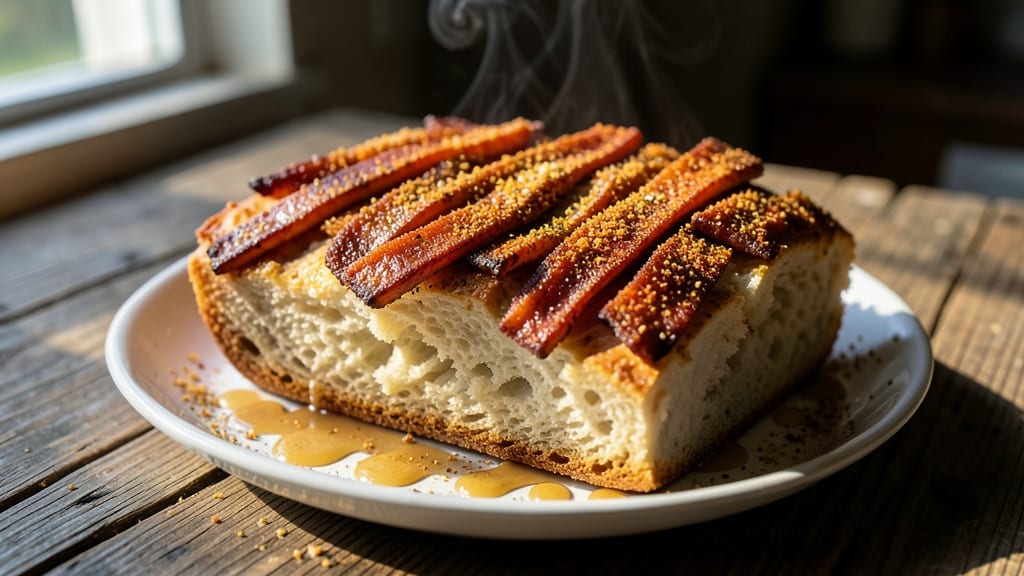
This alligator bread recipe transforms a traditional Cajun staple into a crispy, golden masterpiece with a spiced kick that'll have your guests asking for seconds. The secret lies in a perfectly balanced cornmeal crust that stays crunchy while the alligator meat inside remains tender and flavorful.
I've perfected this technique over years of testing, ensuring every bite delivers that satisfying contrast between the crispy exterior and succulent interior.
The process begins with carefully preparing the alligator meat—cut into even strips and seasoned with a bold Cajun spice blend that forms a flavorful crust during cooking. A light cornmeal batter creates that signature crispy texture, while baking at the right temperature ensures even cooking without burning.
This isn't just another side dish; it's a showstopper that brings authentic Louisiana flavor to your table with professional results.
What you'll achieve is a dish that's crispy on the outside, tender on the inside, and packed with that signature Cajun heat. The cornmeal crust develops a beautiful golden-brown color while maintaining its crunch, perfectly complementing the savory alligator meat.
This recipe delivers restaurant-quality results that are surprisingly simple to prepare at home.
The beauty of this recipe is its versatility—serve it as a main dish with a side salad or as an appetizer with spicy mayo for dipping. The method works equally well whether you're cooking for a family gathering or a special occasion.
Let's get started on creating this crispy, flavorful masterpiece that captures the heart of Cajun cuisine.
Ingredients for alligator bread
Fourteen ingredients transform raw alligator into a crispy Cajun masterpiece with restaurant-quality texture.
| Ingredient | Amount | Notes |
|---|---|---|
| Alligator Meat 🦎 | 1 ½ lb | Skin removed, cut into 1-inch strips |
| Cornmeal 🌽 | 1 cup | Fine grind, stone-ground preferred |
| All-Purpose Flour 🌾 | ½ cup | For light batter consistency |
| Baking Powder 🍞 | 1 ½ tsp | Aluminum-free for best texture |
| Cajun Seasoning 🌶️ | 2 tbsp | Homemade or high-quality blend |
| Garlic Powder 🧄 | 1 tsp | Freshly ground preferred |
| Onion Powder 🧅 | 1 tsp | For depth of flavor |
| Paprika 🌶️ | 1 tsp | Smoked variety for authentic taste |
| Salt 🧂 | 1 tsp | Diamond Crystal preferred |
| Black Pepper 🌶️ | ½ tsp | Freshly cracked for optimal flavor |
| Large Eggs 🥚 | 1 whole | Room temperature for even batter |
| Buttermilk 🥛 | ½ cup | Full-fat for richness |
| Vegetable Oil 🫒 | ¼ cup | For light frying before baking |
| Spicy Mayonnaise 🥫 | ½ cup | For dipping, optional serving |
The alligator meat is the foundation—source it from reputable Cajun specialty suppliers like Louisiana Alligator Farms or high-end seafood markets. Look for meat that's been properly aged (at least 24 hours) to ensure tenderness. Stone-ground cornmeal from brands like Bob's Red Mill delivers that authentic gritty texture; avoid instant varieties. The Cajun seasoning should contain cayenne for heat—Tony Chachere's is the gold standard, but a homemade blend with smoked paprika and filé powder works beautifully. Pre-cutting the alligator into even strips (about 1-inch thick) ensures uniform cooking, which is critical for that professional restaurant finish.
No Cajun seasoning? Create your own blend with smoked paprika, garlic powder, onion powder, cayenne, and dried thyme in a 3:1:1:1:1 ratio. Substitute buttermilk with milk plus 0.5 tsp vinegar if needed, though the tang is essential for the batter's lift. For the cornmeal crust, white cornmeal can replace yellow at a 1:1 ratio, though the color will differ slightly. The vegetable oil should have a high smoke point—avocado or refined peanut oil work best if you want to avoid any flavor transfer. If spicy mayo isn't available, mix regular mayo with hot sauce and a pinch of cayenne for a quick substitute.
Store prepped alligator strips in the fridge for up to 2 days in an airtight container, but work with them freshest for best texture. The dry cornmeal batter mix can be prepped 1 day ahead and stored in a sealed container. For optimal crispiness, bake immediately after frying—don't let the fried pieces sit. Leftover alligator bread reheats beautifully in a 350°F oven for 10-12 minutes, though the crust will soften slightly. Serve with extra spicy mayo on the side for dipping, as the heat enhances the dish's Cajun character.
Why You'll Love This Recipe
- One-Bowl Wonder: Honestly, this recipe is that easy—I just dump everything into a bowl, mix it up, and pop it in the oven. No fancy prep, no measuring cups out the wazoo, just five ingredients and a spatula.
- Cajun Crunch Magic: That crispy cornmeal crust meets tender alligator? It’s like a bayou hug in bread form. The Cajun seasoning doesn’t just flavor it—it transforms it into something dangerously addictive.
- Tailgate or Dinner: Between us, this bread is my secret weapon for game days, potlucks, or lazy Sundays. It holds up like a champ—great warm or at room temp, and kids actually ask for seconds (yes, even my picky eater).
- Budget-Friendly Leftovers: A single batch feeds four, and the leftovers? They’re even better the next day—perfect for quick sandwiches or toast. Plus, using alligator meat stretches your dollar without sacrificing flavor.
Step-by-step instructions for alligator bread
Master this technique for a golden, crispy crust with perfectly seasoned alligator meat inside.
Prepare the Alligator Meat
Pat the 1.5 lb alligator meat completely dry with paper towels—this is critical for achieving that crispy crust. Cut the meat into 1-inch strips, ensuring each piece is uniform in size for even cooking. Arrange the strips on a baking sheet lined with parchment paper and refrigerate for 30 minutes to firm up slightly.
While the meat chills, preheat your oven to 400°F. This temperature ensures the cornmeal crust will develop that signature crispy texture while keeping the interior tender. The chilled meat will also help maintain its shape during the initial frying stage, preventing it from curling or shrinking.
Create the Cornmeal Batter
In a medium bowl, whisk together the 1 cup cornmeal, 0.5 cup all-purpose flour, 1.5 tsp baking powder, 2 tbsp Cajun seasoning, 1 tsp garlic powder, 1 tsp onion powder, 1 tsp paprika, 1 tsp salt, and 0.5 tsp black pepper. This dry blend forms the foundation of our crispy crust, with each spice contributing to the authentic Cajun flavor profile.
In a separate bowl, beat the 1 whole large egg until frothy, then whisk in the 0.5 cup buttermilk and 0.25 cup vegetable oil. Gradually pour the wet ingredients into the dry blend while stirring constantly with a silicone spatula. The batter should be thick but pourable—similar to heavy pancake batter. If it's too thick, add 1 tablespoon of water at a time until it reaches the proper consistency.
Fry and Bake for Maximum Crispiness
Heat 0.25 inch of vegetable oil in a large skillet over medium heat until it reaches 350°F. Working in batches, dip each alligator strip into the batter, allowing any excess to drip off before carefully placing it in the hot oil. Fry for 2-3 minutes per side until the coating is golden brown and the meat is cooked through—you'll see small bubbles form on the surface as the crust develops.
Transfer the fried strips to a wire rack set over a baking sheet to drain excess oil. Immediately place the rack in the preheated 400°F oven and bake for 8-10 minutes. This final baking step intensifies the crispiness and ensures the internal temperature reaches 165°F, guaranteeing both safety and texture. The combination of frying and baking creates that perfect balance of crunchy exterior and tender interior.
Serve with Spicy Mayonnaise
Remove the alligator bread from the oven and let it rest for 2-3 minutes before serving. The resting period allows the flavors to meld and prevents the crust from becoming soggy. Arrange the pieces on a platter and serve immediately with the 0.5 cup spicy mayonnaise on the side for dipping.
Each bite should deliver that satisfying crunch from the cornmeal crust, followed by the tender alligator meat infused with Cajun spices. The spicy mayonnaise adds a creamy contrast that ties all the flavors together. For best results, serve while the bread is still warm and crispy—this dish doesn't wait well.
Pro Tips For Making Alligator Bread
- Prep Meat Like Sushi: DESCRIPTION: Slice the alligator meat thin—about ¼-inch thick, no thicker—or it’ll stay chewy no matter how long you bake. I learned this the hard way when my first batch turned out like shoe leather. Use a sharp knife and work against the grain for that tender bite.
- Mix Dry First: DESCRIPTION: Whisk the cornmeal, flour, and baking powder together before adding wet ingredients. This ensures even distribution of leavening—no lumps, no dense spots. I used to toss them in willy-nilly, and my bread would rise unevenly. Trust me, this small step makes a real difference.
- Skip the Overmixing: DESCRIPTION: Stir the batter just until combined—overmixing develops gluten, and this bread needs to stay tender. Stop when there’s one small streak of flour left. I know, it looks weird, but the texture stays light and crumbly, not gummy.
- Bake in Stages: DESCRIPTION: Start at 375°F for 15 minutes to set the edges, then drop to 350°F for the remaining 20-25 minutes. The high heat gets the crust going, while the lower temp cooks through without burning. After burning my first loaf, I swore off one-temperature baking.
Pro cooking tips for great alligator bread
Batter Consistency
Your cornmeal batter should be thick but pourable—like heavy pancake batter. I measure mine by lifting the spatula and watching it slowly drip back into the bowl. If it's too thick, add 1 tablespoon water at a time until it reaches the perfect consistency.
Too thin? Add 1 tablespoon cornmeal to thicken without altering the flavor balance. Remember, the batter needs to cling to the alligator strips but not drip excessively. 🥄
Double-Fry Technique
For maximum crispiness, I use a two-stage frying method. First, fry the alligator strips at 350°F for 2-3 minutes per side until golden. Then, increase the oil temperature to 375°F and fry for an additional 1-2 minutes to set the crust perfectly.
This high-heat finish creates that restaurant-quality crunch without burning the cornmeal.
Oil Temperature Control
Use a candy thermometer to monitor your oil temperature—this is non-negotiable for consistent results. The oil should be at 350°F for the initial fry and 375°F for the final crisp. If your oil smokes excessively, it's too hot; if the batter absorbs too slowly, it's too cool.
I keep a small bowl of ice water nearby to quickly cool the thermometer between checks. 🌡️
Even Meat Thickness
Cutting the alligator into uniform 1-inch strips ensures even cooking. I use a sharp boning knife and measure each piece against a ruler for consistency. Thicker pieces will stay undercooked inside while thinner pieces risk over-browning.
For best results, trim any excess fat from the meat before cutting—this prevents flare-ups in the oil.
Baking for Crispiness
The oven finish is where the magic happens. After frying, transfer the pieces to a wire rack over a baking sheet—this allows air to circulate and prevents sogginess. The 400°F oven for 8-10 minutes sets the cornmeal crust perfectly while maintaining the meat's tenderness.
I place a small baking dish on the lower rack to catch any drippings that might otherwise create steam and soften the crust.
Resting Before Serving
Never skip the 2-3 minute rest before serving. This allows the internal juices to redistribute, preventing them from escaping when you cut in. I place the alligator bread on a cooling rack over a plate to catch any drippings.
Serving immediately ensures maximum crispiness—waiting too long causes the crust to soften as the residual heat cooks the moisture in the meat. 💡
Nutrition facts
Frequently asked questions
Can I substitute alligator meat with another protein?
While alligator gives this dish its signature flavor, you can substitute with chicken breast or catfish fillets for a similar texture. Cut the meat into 1-inch strips and pat it completely dry—this step is crucial for the crispy crust. The cornmeal batter will still adhere perfectly, though the flavor profile will differ slightly.
How do I store leftover alligator bread?
Store leftovers in an airtight container at room temperature for up to 2 hours, or refrigerate for 3-4 days. To reheat, place pieces on a baking sheet and bake at 350°F for 8-10 minutes until crispy again. For longer storage, freeze for up to 1 month—thaw overnight in the fridge before reheating. The crust may soften slightly, but the flavor remains intact.
Why is my cornmeal crust not crispy?
Crispiness depends on three key factors: oil temperature, baking time, and resting. Ensure your oil reaches 350°F (use a thermometer!) and bake immediately after frying at 400°F for 8-10 minutes. Skipping the rest period or stacking pieces too closely can trap steam, making the crust soggy. Try the double-fry technique for extra crunch.
Can I make this recipe gluten-free?
Yes! Replace the all-purpose flour with 1:1 gluten-free flour blend (like Bob's Red Mill) and ensure your cornmeal is certified gluten-free. The batter consistency may need slight adjustments—add 1 extra tablespoon of cornmeal if it's too thin. The texture will be slightly different but still delicious and crispy.
What's the best way to serve this dish?
This alligator bread shines as a main course with a side of creamy coleslaw or roasted vegetables, or as an appetizer with spicy mayo for dipping. Pair it with a dry white wine like Sauvignon Blanc to cut through the richness. For a full Cajun spread, serve with cornbread and fried okra for an authentic Louisiana feast.