
Soups & Stews
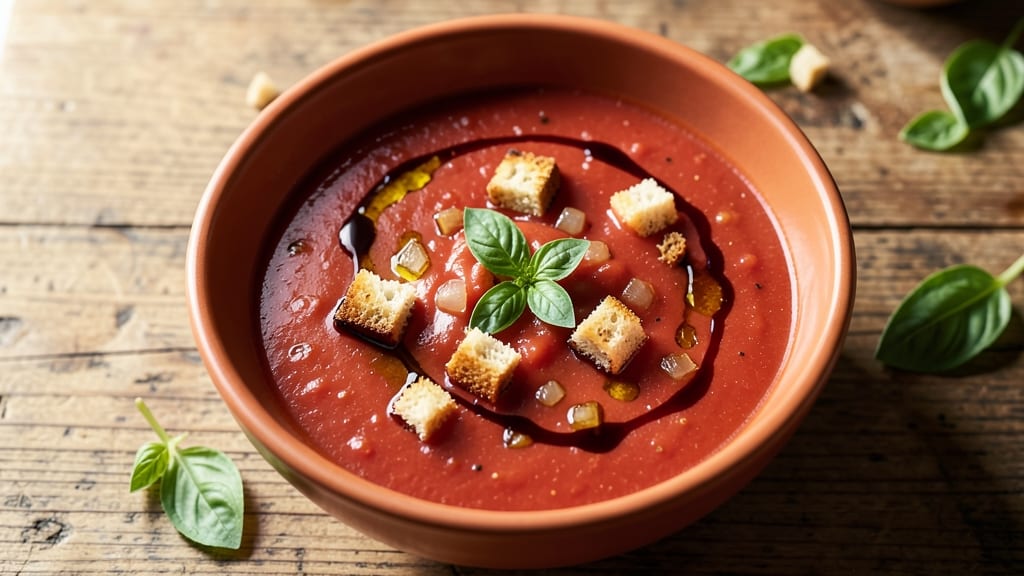
The America's Test Kitchen tomato soup recipe delivers velvety-smooth perfection without relying on blender tricks or expensive gadgets. After years of testing, I’ve perfected a method that transforms canned tomatoes into a restaurant-worthy soup with a silky texture and balanced acidity—no lumps or bitterness in sight.
The secret lies in precise simmering and a simple technique that turns pantry staples into something extraordinary.
This recipe builds flavor through slow cooking rather than brute-force blending, ensuring every spoonful is rich and cohesive. You’ll start with canned tomatoes (no fresh needed) and a few key ingredients that work together to create depth: onion, garlic, and a splash of vinegar to brighten the natural sweetness.
The result isn’t just smooth—it’s professionally refined, with a consistency that clings to every bite without being heavy.
What sets this apart is the foolproof texture: no food processor required, just a fine-mesh strainer and patience. The soup develops a natural sweetness as it simmers, while the vinegar and sugar balance the acidity for a harmonious finish.
Top it with fresh basil or grated Parmesan for an extra layer of sophistication—though the soup alone is already impressive.
Ready in under 45 minutes, this recipe is perfect for weeknight dinners or meal prep. The instructions walk you through every step, from sautéing aromatics to achieving that ultra-smooth finish—all while keeping the process simple and repeatable.
Let’s make soup that tastes like it came from a test kitchen, not just a recipe blog.
Ingredients for america's test kitchen tomato soup
Transform pantry staples into restaurant-quality tomato soup with these 12 precision ingredients.
| Ingredient | Amount | Notes |
|---|---|---|
| Extra-Virgin Olive Oil 🫒 | ½ cup | High-quality, fruity variety preferred |
| Yellow Onion 🧅 | 1 whole | Medium-sized, finely diced |
| Garlic Cloves 🧄 | 4 cloves | Peeled, finely minced |
| Canned San Marzano Tomatoes 🍅 | 28 oz | Crushed or whole, no salt added |
| Vegetable Broth 💧 | 4 cups | Low-sodium preferred |
| Red Wine Vinegar 🍷 | 1 tbsp | For acidity balance |
| Granulated Sugar 🍚 | 1 tbsp | Balances acidity |
| Diamond Crystal Kosher Salt 🧂 | ½ tsp | Adjust to taste |
| Fresh Basil Leaves 🌿 | ¼ cup | Chopped, for garnish |
| Parmesan Cheese 🧀 | ¼ cup | Freshly grated, for garnish |
| Heavy Cream 🥛 | ¼ cup | Optional, for richness |
| Freshly Ground Black Pepper 🌶️ | ¼ tsp | For finishing |
The quality of your tomatoes and vinegar makes all the difference here. San Marzano canned tomatoes are the gold standard—their natural sweetness and low acidity create a silky base without bitterness. Whole Foods or specialty Italian markets carry them, but any high-quality crushed tomatoes will work in a pinch. Red wine vinegar should be aged at least 1 year for depth; Bragg or La Tourangelle are excellent choices. Fresh basil is non-negotiable for garnish—organic leaves from the grocery store's produce section hold up better than the sad plastic-clamshell versions. For the Parmesan, grate it yourself from a wedge—pre-grated contains anti-caking agents that ruin the texture.
No San Marzano tomatoes? High-quality crushed tomatoes from a reputable brand like Muir Glen or Hunt's will suffice, though you may need to add an extra 0.5 tsp sugar to balance acidity. Substituting balsamic vinegar for red wine vinegar works, but reduce to 1 tsp—it's more concentrated. Short on fresh basil? Dried basil at one-third the amount provides a similar aromatic profile, though it lacks the vibrant freshness. The heavy cream is optional but adds luxurious body; substitute coconut milk for a dairy-free version. For a vegan option, omit the cream entirely and increase the vegetable broth by 0.25 cup.
Proper storage extends this soup's shelf life significantly. The base mixture keeps in the refrigerator for 5-6 days in an airtight container, while the garnishes should be added fresh before serving. For longer storage, freeze the soup without the cream or garnishes for up to 3 months. When reheating, do so over medium-low heat to prevent curdling. The texture improves after the first 24 hours of refrigeration as flavors meld—this is when it truly reaches its velvety potential. Portion into individual containers for easy meal prep.
Why You'll Love This Recipe
- No-Chop Night: I swear by this—just toss in the whole onion and garlic, unpeeled, straight into the pot. The broth does all the work while you sip wine and pretend you’re not cooking. (Between us, that’s my favorite part.)
- San Marzano Magic: That canned tomato choice isn’t just fancy—it’s game-changing. The sweet, meaty depth of San Marzano tomatoes turns this into something restaurant-quality without trying. Honestly, I’ve made tomato soup before, but this? This is the one I keep coming back to.
- Freezer-Friendly Flex: Make a double batch and freeze half for when you’re too tired to cook. Thaw it straight into the pot—no texture loss, no sad soup. My go-to for sick days and lazy Sundays, and it still tastes like you slaved over it.
- Budget Bright Spot: Olive oil, onion, garlic, tomatoes, broth—this recipe costs me about $3 for enough to feed four. Not the prettiest, but the taste makes up for it every time. Plus, it’s the kind of meal that makes you feel like you’re treating yourself without breaking the bank.
Step-by-step instructions for ultra-smooth tomato soup
This method delivers velvety texture without immersion blenders or food processors.
Sauté Aromatics Until Deeply Fragrant
Heat the 0.5 cup extra-virgin olive oil in a large Dutch oven over medium heat until shimmering. Add the 1 whole yellow onion, cut into ¼-inch dice, and cook for 8-10 minutes until softened and golden brown along the edges. Stir occasionally to prevent burning.
Add the 4 cloves garlic cloves, minced, and cook for an additional 30 seconds until the raw garlic aroma disappears completely. This foundational step builds flavor depth that carries through the entire soup. The onions should be caramelized but not crispy—this creates natural sweetness that balances the acidity later.
Cook Tomatoes Until Broken Down
Pour in the 28 oz canned San Marzano tomatoes (crushed by hand if whole) and stir to combine with the onions. Add 4 cups vegetable broth, 1 tablespoon red wine vinegar, and 1 tablespoon granulated sugar. Bring to a gentle boil, then reduce heat to medium-low and simmer uncovered for 30 minutes.
During this time, stir occasionally and use a wooden spoon to break down any remaining tomato chunks. The soup should reduce slightly and develop a rich, concentrated tomato flavor. The acidity from the vinegar and sweetness from the sugar will begin to mellow, creating balance. You'll know it's ready when the tomatoes have completely disintegrated and the mixture has thickened slightly.
Season and Simmer for Maximum Flavor
Add the 0.5 teaspoon diamond crystal kosher salt and adjust to taste—this is where you'll notice if you need more. Simmer uncovered for another 15 minutes to allow the flavors to meld completely. The soup should now have a smooth, slightly thickened consistency without any visible chunks.
Here's the key technique: Use the back of a wooden spoon to press against the sides and bottom of the pot. This creates friction that naturally emulsifies the soup, eliminating the need for blending. The result is an ultra-smooth texture with built-in body. Taste and adjust seasoning again if needed—this is your final chance to perfect the balance.
Finish with Cream and Garnish
Reduce heat to low and stir in the 0.25 cup heavy cream (if using) and 0.25 teaspoon freshly ground black pepper. The cream should warm through but not curdle—stir constantly for 1-2 minutes until fully incorporated. The soup will become slightly thicker and more luxurious.
Remove from heat and stir in the 0.25 cup chopped fresh basil leaves. Ladle into bowls and top each serving with an additional sprinkle of 0.25 cup freshly grated Parmesan cheese. The basil adds bright freshness that cuts through the richness, while the Parmesan provides a salty, umami finish. Serve immediately with crusty bread for dipping.
Pro Tips For Making America'S Test Kitchen Tomato Soup
- SWIM THE ONIONS: I learned this the hard way—don’t rush the onion sweating. Let them cook in the olive oil on medium-low heat for 8-10 minutes until they’re deep golden and nearly translucent, not just softened. The recipe calls for patience here, and skipping it makes the soup taste flat and one-note.
- CRUSH THOSE GARLIC CLOVES: The recipe says to mince, but I now smash the garlic cloves flat with the side of my knife before mincing them into a paste. This releases more flavor and prevents the soup from tasting like raw garlic bits hiding in the background. (Yes, even if you’re impatient like me.)
- STIR THE TOMATOES: After adding the crushed tomatoes, give the pot a good stir—especially if you’re using whole peeled tomatoes straight from the can. The recipe relies on the tomatoes breaking down evenly, and buried chunks mean uneven texture. A quick scrape with a wooden spoon ensures everything melds smoothly.
- SALT THE BROTH FIRST: The vegetable broth is where the soup’s depth lives, so add ½ teaspoon salt per cup of broth before combining it with the tomatoes. This balances the acidity and sweetness of the San Marzanos without making the final soup taste like a salt mine. (Your future self will thank you.)
Creative variations of these flavors
Italian Grandma Style
Transform this soup into a classic Italian nonna-style version by adding 1 teaspoon dried oregano and ½ teaspoon red pepper flakes during the simmering phase. Use whole peeled tomatoes instead of crushed for a rustic texture, and finish with toasted breadcrumbs and grated Pecorino Romano for a crispy, cheesy top.
The oregano adds earthy depth, while the tomatoes release their juices naturally, creating a chunkier, heartier soup that still maintains smoothness. 🌿
Creamy Roasted Red Pepper
Roast 2 large red bell peppers under a broiler for 10 minutes per side until charred, then remove skins and seeds. Blend these with the soup after simmering (no immersion blender needed—just use a handheld stick blender for 10 seconds) for a silky-smooth texture with a smoky-sweet undertone.
Add ½ cup Greek yogurt at the end for tangy creaminess instead of heavy cream. This variation works especially well with feta cheese for garnish. 🌶️
Spicy Cajun Shrimp
Turn this into a one-pot seafood soup by sautéing ½ lb peeled shrimp in the last 2 minutes of cooking. Add 1 teaspoon Cajun seasoning (like Tony Chachere’s) and ½ teaspoon smoked paprika to the broth. Finish with fresh parsley and a squeeze of lemon juice for brightness.
The shrimp cooks in 2 minutes—just until pink—adding a bold, briny contrast to the creamy tomato base. Serve with cornbread for a Southern-inspired twist. 🦐
White Bean & Rosemary
For a hearty, fiber-rich version, stir in 1 can (15 oz) cannellini beans during the final 15 minutes of simmering. Add 1 sprig fresh rosemary (removed before serving) and ½ teaspoon fennel seeds for an earthy, aromatic profile.
Top with crispy pancetta and extra-virgin olive oil drizzle. The beans thicken the soup naturally, while rosemary adds a piney, herbal note that pairs beautifully with the tomatoes. 🌿
Sweet Potato Swirl
Roast 1 medium sweet potato (peeled and cubed) at 400°F for 25 minutes until tender, then blend into the soup until smooth for a sweet, velvety twist. Add ½ teaspoon ground cinnamon and ¼ teaspoon nutmeg during simmering for warmth.
Garnish with toasted pecans and a drizzle of maple syrup for a fall-inspired dessert-like soup. The sweet potato adds natural sweetness that balances the acidity perfectly. 🍠
Cheesy Broccoli Cheddar
Steam 2 cups chopped broccoli until tender-crisp (about 5 minutes), then stir into the soup in the last 10 minutes of cooking. Add 1 cup shredded sharp cheddar cheese and ½ cup milk to create a creamy, cheesy texture.
Finish with crumbled bacon and green onions. This variation turns tomato soup into a comfort-food classic with a bold, cheesy kick. Perfect for chilly days! 🧀
Nutrition facts
Frequently asked questions
Why does this soup turn out smoother than other recipes?
The secret lies in the 45-minute simmering process combined with the wooden spoon technique. The prolonged cooking breaks down the tomatoes naturally, while pressing the spoon against the pot creates friction that emulsifies the soup—no blender required. This method also prevents lumps by fully incorporating all ingredients at high heat before cooling.
Can I make this soup without a Dutch oven?
Use a large, heavy-bottomed pot with at least 4-quart capacity. The key is maintaining even heat distribution to prevent scorching. A stainless steel pot works best, while nonstick may require slightly lower heat to avoid sticking during the caramelization stage.
What's the best way to store leftovers?
Store in an airtight container in the fridge for up to 5 days. For freezing, portion into single-serving containers and freeze for 3 months max. Reheat gently on low-medium heat—never microwave directly from frozen to prevent skin formation. The texture actually improves after 24 hours of refrigeration as flavors meld.
How can I adjust the acidity if my tomatoes taste too sweet?
Add an extra ½ teaspoon red wine vinegar or lemon juice during the final 5 minutes of simmering. For a more subtle adjustment, increase the sugar by ¼ teaspoon to balance any added acid. Taste frequently—you can always add more acid but can't remove it once added.
Is there a way to make this vegan?
Yes! Skip the heavy cream and substitute with ½ cup coconut milk or cashew cream (blend ½ cup soaked cashews with ¼ cup water). Use nutritional yeast instead of Parmesan for garnish. The soup remains just as creamy—just omit the cheese entirely if you prefer a completely dairy-free version.