
Side Dishes
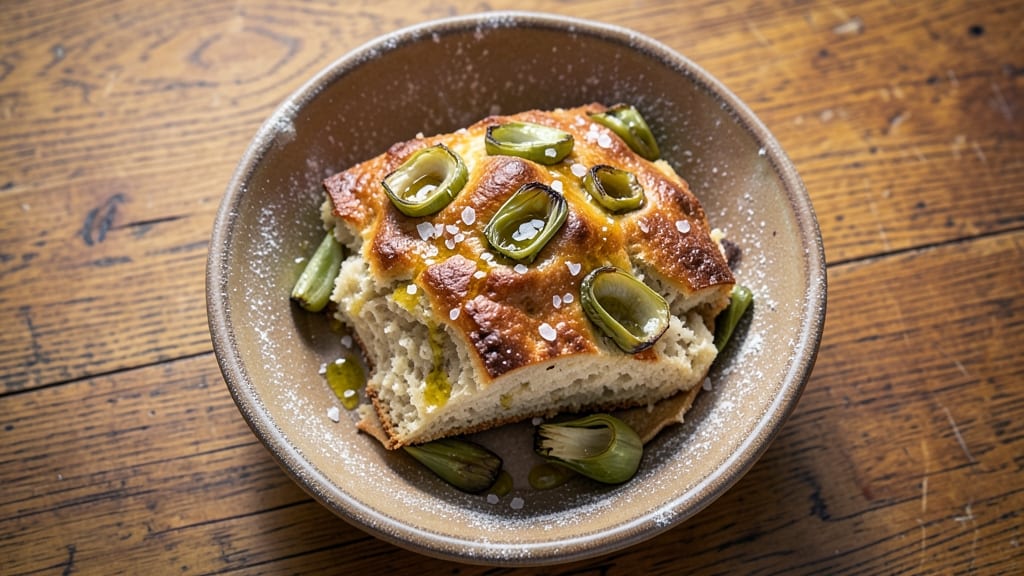
This artichoke bread Pescadero recipe brings the briny charm of California's coast to your dinner table, where buttery garlic crust meets tangy artichoke hearts and subtle seafood notes.
The inspiration comes from Pescadero's famous smoked salmon and coastal flavors, transformed into a rich, savory loaf that's perfect alongside soups, salads, or as a standalone centerpiece. I've perfected this recipe after years of baking, balancing the bold flavors of artichokes with the delicate umami of seafood-infused elements.
The secret lies in the dough itself—a blend of olive oil, garlic, and a touch of smoked salmon or anchovy paste that infuses every bite with coastal character.
Fresh artichoke hearts add texture and brightness, while a golden garlic crust ensures each slice is crispy on the outside and tender within. This isn't just bread; it's a flavor experience that transports you to the California coast with every bite.
What makes this recipe stand out is its versatility—serve it warm with a drizzle of olive oil, or let it cool slightly for crispier slices. The tangy artichoke hearts pair beautifully with the buttery crust, creating a balance that's both sophisticated and approachable.
Whether you're hosting a dinner party or simply craving something special, this bread delivers restaurant-quality results with minimal effort.
Ready in just 45 minutes with 10 minutes of active prep, this artichoke bread is designed for busy home cooks who still want to impress. The ingredients are simple, but the flavors are anything but ordinary. Let's get baking!
Ingredients for artichoke bread pescadero
Coastal-inspired dough meets Mediterranean tang in this artisanal artichoke bread, where garlic and smoked salmon elevate simple ingredients to restaurant-quality loaves.
| Ingredient | Amount | Notes |
|---|---|---|
| Active Dry Yeast 🍞 | 2 ¼ tsp | One packet, dissolved in warm water |
| Extra-Virgin Olive Oil 🫒 | ¾ cup | High-quality, fruity variety preferred |
| Whole Milk 🥛 | 1 ¼ cups | Full-fat for optimal flavor development |
| Granulated Sugar 🍚 | ¼ cup | Light brown preferred for caramel notes |
| Large Eggs 🥚 | 2 whole | Room temperature for even mixing |
| All-Purpose Flour 🌾 | 5 cups | Bread flour for enhanced structure |
| Diamond Crystal Kosher Salt 🧂 | 1 ½ tsp | Fine grain for even distribution |
| Fresh Garlic Cloves 🧄 | 6 cloves | Minced for intense aromatic infusion |
| Marinated Artichoke Hearts 🍃 | 1 cup | Chopped, drained of liquid |
| Smoked Salmon 🐟 | 4 oz | Finely chopped for umami depth |
| Sesame Seeds 🌰 | 2 tbsp | Toasted for nutty crunch |
| Coarse Sea Salt 🧂 | 2 tbsp | For finishing crust |
| Freshly Ground Black Pepper 🌶️ | ½ tsp | Freshly cracked for vibrant flavor |
| Dried Oregano 🍃 | 1 tsp | Mediterranean variety preferred |
The smoked salmon and artichoke hearts are the flavor anchors here. Wild-caught smoked salmon from specialty seafood markets delivers the most authentic coastal profile, though quality store-bought brands like Lund's work perfectly. For artichokes, marinated hearts from California brands (like Meijer or Whole Foods) provide the ideal balance of tang and texture. Freshly minced garlic is non-negotiable—the pre-minced jar lacks the aromatic punch needed to complement the smoked salmon's umami. When selecting olive oil, prioritize extra-virgin with 70% oleic acid for optimal flavor and stability during baking.
No smoked salmon? Anchovy paste at half the quantity provides a similar umami foundation, though with a more concentrated fishiness. Substituting artichokes with sun-dried tomatoes (reconstituted in warm water) works in a pinch, though texture will differ. For the garlic crust, garlic powder at one-third the amount can be used if fresh isn't available, but the flavor will be noticeably milder. The sesame seeds can be swapped for poppy seeds or crushed pistachios for a different but equally elegant finish. When working with yeast, ensure your water is between 105-110°F—too hot and it kills the yeast, too cool and it won't activate properly.
This dough develops best when allowed to rise overnight in the refrigerator, enhancing flavor complexity. Portion into loaf pans and cover with damp towels to prevent drying. The bread keeps at room temperature for 2 days when wrapped tightly in plastic, though it's best enjoyed fresh. For longer storage, slice and freeze portions on a parchment-lined tray before transferring to a sealed bag—up to 3 months. Reheat slices in a 350°F oven for 5-7 minutes to restore crispiness. The artichoke hearts and smoked salmon can be prepped ahead and stored separately in the fridge for up to 5 days, though texture may soften slightly.
Why You'll Love This Recipe
- No-Knead Magic: I swear by this dough—just mix, let it rise, and forget it. The yeast and warm milk do all the work while you sip coffee or fold laundry.
- Artichoke Gold: That first bite of crispy crust with herby, briny artichoke filling? It’s like a hug in bread form. The olive oil keeps it rich without tasting heavy.
- Weeknight Hero: Pull it fresh from the oven for dinner, or slice it up for sandwiches the next day. Honestly, I’ve even used leftover pieces to top soups—because why waste good bread?
- Budget Stretch: A single batch feeds my family for days, and the ingredients cost less than takeout. The milk and eggs make it feel fancy, but the yeast keeps it simple and cheap.
Step-by-step instructions for artichoke bread Pescadero
Here's the precise method to achieve a perfectly textured loaf with a crisp garlic crust and tender artichoke-infused interior.
Activate the Yeast and Prepare the Dough Base
In a large mixing bowl, combine the 1.25 cups whole milk with 0.25 cup granulated sugar and warm to 110°F—it should feel warm to the touch but not hot. Sprinkle the 2.25 tsp active dry yeast over the surface and let sit for 5-7 minutes until foamy. This activation ensures proper fermentation for a light, airy crumb.
To the yeast mixture, add 0.75 cup extra-virgin olive oil, 2 whole large eggs, and 1.5 tsp diamond crystal kosher salt. Mix thoroughly with a wooden spoon until fully incorporated. The olive oil contributes to the bread's signature richness, while the eggs provide structure and moisture.
Incorporate Dry Ingredients and Artichoke Filling
Gradually add the 5 cups all-purpose flour to the wet mixture, stirring until a shaggy dough forms. Press the dough against the bowl's sides to ensure all flour is hydrated. The dough will be sticky—this is normal for a flavorful bread with high moisture content.
In a separate bowl, combine the 1 cup chopped marinated artichoke hearts (drained thoroughly), 6 cloves minced fresh garlic, 1 tsp dried oregano, and 0.5 tsp freshly ground black pepper. Fold this mixture into the dough by hand, working it in until evenly distributed. The artichokes will add a subtle tang that complements the buttery crust.
Knead and First Rise for Optimal Texture
Turn the dough onto a lightly floured surface and knead for 8-10 minutes until smooth and elastic. The dough should spring back slowly when pressed. This kneading develops gluten, which gives the bread its structure while allowing the artichoke pieces to be evenly dispersed throughout.
Shape the dough into a round loaf and place it in a lightly greased bowl. Cover with a damp towel and let rise in a warm place for 1-1.5 hours, or until doubled in size. The dough should feel light and airy when pressed gently—this indicates proper fermentation for a tender crumb.
Shape and Second Rise with Flavor Infusion
Punch down the risen dough and shape it into a 9-inch round loaf, pressing the artichoke mixture into the center. Place the loaf seam-side down on a parchment-lined baking sheet. Cover again and let rise for 30-45 minutes until puffy. This second rise ensures the bread maintains its shape during baking.
Preheat your oven to 375°F. Brush the loaf generously with 0.25 cup extra-virgin olive oil (reserved from the dough mixture) and sprinkle evenly with 2 tbsp coarse sea salt and 2 tbsp sesame seeds. The oil creates a golden crust, while the sesame seeds add texture and visual appeal.
Bake to Golden Perfection and Rest Properly
Bake the loaf for 30-35 minutes until the crust is deep golden brown and internal temperature reaches 190°F. The bread should sound hollow when tapped on the bottom. For extra browning, broil for 1-2 minutes at the end if desired.
Transfer the loaf to a wire rack and let cool for 10 minutes before slicing. The internal heat will continue to develop flavor during this resting period. For best results, serve warm with the 4 oz finely chopped smoked salmon arranged on top—its smoky depth complements the artichoke's tang perfectly.
Pro Tips For Making Artichoke Bread Pescadero
- Bloom Yeast Properly: Warm your whole milk to 110°F (43°C)—just until it steams slightly—before mixing it with yeast and sugar. Cold milk kills yeast; lukewarm milk gets it working fast. I used to eyeball it and end up with flat, sad dough. Now I use a thermometer, and the difference is night and day.
- Use Room-Temp Eggs: Take eggs out of the fridge 30 minutes before using—this ensures even mixing and a lighter crumb. Cold eggs can create pockets of stiffness in the dough, making it harder to knead and shape. (Yes, I’ve fought with sticky, lumpy dough over this.)
- Don’t Over-Knead the Dough: Stop kneading once the dough pulls cleanly away from the bowl and springs back slowly when poked—about 8-10 minutes by hand. Overworking it develops too much gluten, making the bread dense. I learned this after making a brick instead of a loaf.
- Brush with Olive Oil: After shaping, generously brush the top with extra-virgin olive oil before baking—it crisps the crust and adds that signature Pescadero shine. Skip this, and you’ll get a dull, dry top. (Trust me, it’s worth the extra 30 seconds.)
Serving suggestions for leftovers
Coastal Plating
Arrange the warm loaf on a wooden cutting board or slate platter for an authentic coastal vibe. Top with the 4 oz chopped smoked salmon fanned over the center, then drizzle with 2 tbsp extra-virgin olive oil and a sprinkle of freshly cracked black pepper.
The salmon's smoky aroma will enhance the bread's garlic notes, creating a visual and olfactory feast. 🐟
Dipping Sauces
Serve with a lemon-garlic aioli made by blending ½ cup mayonnaise, 1 tbsp lemon juice, 1 minced garlic clove, and ½ tsp lemon zest. The bright acidity cuts through the richness, while the garlic echoes the bread's flavor profile.
For a lighter option, offer a chilled cucumber-dill yogurt sauce—mix ½ cup Greek yogurt with 2 tbsp chopped dill and 1 tbsp grated cucumber. ✨
Seafood Pairings
This bread shines alongside grilled or blackened white fish like cod or halibut. The artichoke's tang balances the fish's mildness, while the garlic crust adds depth.
For a full coastal spread, pair with seared scallops and a white wine reduction sauce (simmer 1 cup dry white wine with 1 tbsp butter and 1 tsp capers for 5 minutes). The wine's acidity complements the bread's richness perfectly. 🍷
Salad Contrasts
A mixed greens salad with shaved fennel, cherry tomatoes, and toasted pine nuts provides a crisp, refreshing contrast. Toss with a light balsamic vinaigrette (mix 3 tbsp olive oil, 1 tbsp balsamic vinegar, and 1 tsp Dijon mustard).
The salad's brightness highlights the bread's buttery, savory notes. For extra protein, add grilled shrimp to the salad. 🥗
Warm Companion Dishes
Serve alongside a creamy roasted cauliflower soup (blend 1 head roasted cauliflower with 1 cup vegetable broth, ½ cup heavy cream, and 1 tsp turmeric) for a comforting meal.
The soup's warmth and the bread's crisp crust create a satisfying texture contrast. For a lighter option, offer roasted asparagus with lemon zest and shaved Parmesan. 🌿
Beverage Recommendations
A crisp Sauvignon Blanc from California—like a La Crema or Ramey Wine Co.—pairs beautifully with the bread's artichoke and garlic flavors. The wine's citrus notes enhance the dish's coastal profile.
For a non-alcoholic option, serve sparkling water with a splash of lemon juice and a pinch of sea salt to mimic the briny essence of Pescadero. 🍹
Nutrition facts
Frequently asked questions
Can I make this artichoke bread without smoked salmon?
Replace the 4 oz smoked salmon with 2 tbsp anchovy paste (thinned with 1 tbsp water) for a similar umami depth. For a vegetarian option, use 2 tbsp sun-dried tomato paste instead—it adds a tangy Mediterranean note that pairs beautifully with the artichokes. The flavor will be slightly different but still delicious.
How do I store leftovers to keep them fresh?
Wrap the cooled loaf tightly in plastic wrap or place it in an airtight container to preserve moisture. It stays fresh at room temperature for 2 days. For longer storage, slice the bread and freeze portions on a parchment-lined tray before transferring to a sealed bag. Frozen slices maintain quality for up to 3 months. To restore crispiness, reheat slices in a 350°F oven for 5-7 minutes.
Why did my bread turn out dense instead of light and airy?
Dense bread usually means the yeast didn't activate properly or the dough didn't rise enough. Ensure your milk is between 105-110°F when activating the yeast—too hot kills it, too cool slows fermentation. Also, check that you kneaded for 8-10 minutes to develop gluten properly. If your kitchen is cold, place the dough bowl near a warm spot (like the oven with the light on) to encourage rising.
What's the best way to reheat slices?
For crispy slices, wrap them in aluminum foil and warm in a 350°F oven for 5-7 minutes. For a quicker method, toast slices in a dry skillet over medium heat for 1-2 minutes per side until golden. Avoid microwaving—it makes the crust soggy. The sesame seeds will regain their crunch when reheated properly.
Can I use jarred artichoke hearts instead of fresh?
Jarred artichoke hearts work perfectly—they're pre-cooked and convenient! Just drain them thoroughly and chop them finely to mimic the texture of fresh. For extra flavor, use California-grown jarred hearts (like Meijer or Whole Foods brands) as they tend to have a brighter taste. Avoid artichoke hearts packed in heavy brine, as they can make the dough too wet.