
Side Dishes
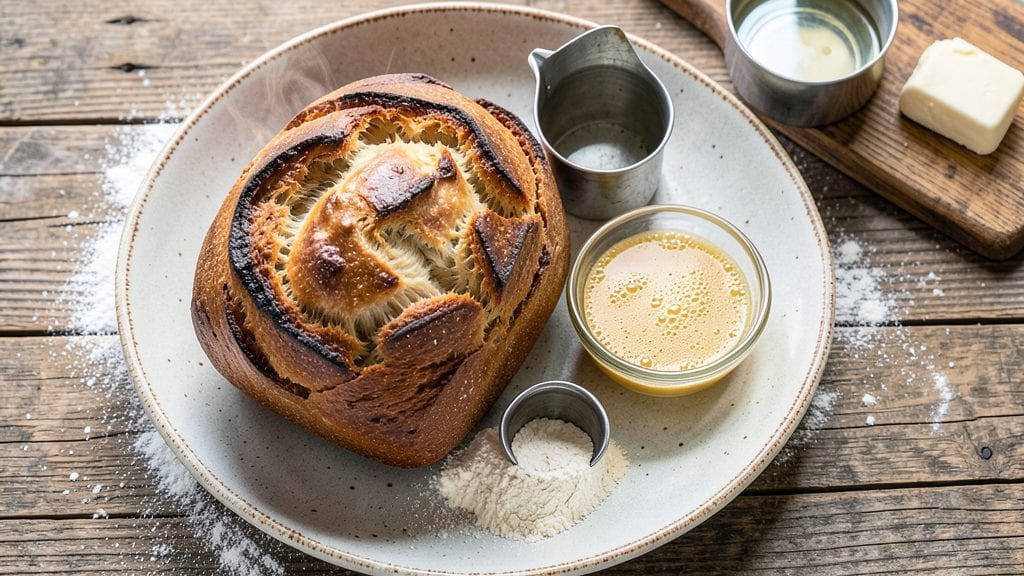
This Aussie bread recipe delivers the perfect golden crust with a chewy, buttery heart that tastes like a campfire classic. After years of perfecting the technique, I’ve nailed the balance between crispy exterior and tender interior—just like the bread you’d find at an Australian bush camp.
The secret lies in using a mix of all-purpose and bread flour for that signature texture, combined with a touch of butter that keeps every slice irresistible.
What sets this recipe apart is the simplicity—no fancy equipment or complicated steps, just a few pantry staples and about 20 minutes of active time. The dough comes together quickly, and the baking process is foolproof, ensuring you’ll always get that iconic Aussie bread experience.
Whether you’re serving it warm with butter or topping it with Vegemite, this bread is a game-changer for any meal.
The result is a loaf with a crispy, golden crust that gives way to a soft, chewy center, all infused with rich buttery flavor. The aroma alone will have everyone gathering around the table, and the texture is just right—neither too dense nor too flaky.
This is the kind of bread that becomes a staple in your home, whether you’re enjoying it fresh out of the oven or toasted the next morning.
Pair it with soups, stews, or serve it alongside breakfast for a taste of Australia. Once you try this recipe, you’ll never go back to store-bought bread again. Let’s get baking!
Ingredients for aussie bread
Fourteen simple ingredients transform into golden, chewy Aussie bread with that iconic campfire taste.
| Ingredient | Amount | Notes |
|---|---|---|
| All-Purpose Flour 🌾 | 2 cups | Sifted for light texture |
| Bread Flour 🌾 | 1 cup | For chewy texture |
| Active Dry Yeast 🍞 | ¼ tsp | Or 1 packet (2.25 tsp) |
| Granulated Sugar 🍚 | 1 tbsp | Feeds the yeast |
| Unsalted Butter 🧈 | ¼ cup | Cold, cubed for flavor |
| Warm Water 💧 | 1 cup | 110°F (43°C) ideal |
| Salt 🧂 | 1 ½ tsp | Kosher or sea salt |
| Milk 🥛 | 2 tbsp | Warmed for tenderness |
| Cornmeal 🌽 | ¼ cup | For dusting loaf pan |
| Egg 🥚 | 1 whole | Optional for egg wash |
The flour blend is everything. King Arthur or Bob’s Red Mill bread flour gives that signature chew, while all-purpose keeps it manageable. I grab mine from the bulk bins at Whole Foods—cheaper than pre-packaged and fresher. Yeast is your friend here, so check the expiration date. If it’s past its prime, toss it. The butter? Land O’Lakes unsalted is my go-to—full-fat for that rich, buttery flavor. Cold cubes melt just enough to coat the dough without disappearing. Pro tip: if your kitchen’s warm, chill the butter first.
No bread flour? Substitute all-purpose plus 1 tbsp vital wheat gluten—it’s the secret to that chewy texture. Skip the yeast? Instant yeast works 1:1, but active dry needs that 5-minute proofing step. Butter too soft? Pop it in the freezer for 10 minutes. Milk out? Watered-down evaporated milk works in a pinch. The egg wash is optional but worth it for that golden crust. No egg? Brush with milk plus 1 tsp melted butter. Cornmeal? Semolina or flour works too, but cornmeal gives that classic crunch at the bottom.
This dough is a beast—it doubles in size, so don’t overfill the pan. Grease it well with butter or oil, then dust with cornmeal. The loaf keeps best in a bread bag at room temp for 2 days, or 3 days in the fridge wrapped tightly. For longer storage, freeze slices wrapped in foil for up to 3 months. Toasting? Low and slow—you’re going for crispy, not burnt. And yes, it reheats beautifully—5 minutes at 350°F wrapped in foil brings it back to life.
Why You'll Love This Recipe
- No-Knead Magic: I swear by this dough—just mix, let it rise, and bake. That combo of bread flour and butter gives it a tender crumb without the arm workout.
- Buttery Crust Alert: The sugar and butter caramelize into a golden, crackly crust that’s dangerously hard to stop at one slice. (Yes, I’ve been there.)
- Weeknight Workhorse: Freeze half the batch for lazy mornings or sandwiches—just thaw and toast. Perfect for kids’ lunches or when you’re too tired to think.
- Budget-Friendly Staple: A loaf costs pennies per serving, and the yeast stretch means you’re not buying pre-made bread. Plus, leftovers turn into croutons or French toast.
Step-by-step instructions for Aussie bread
Here's how to make this iconic Australian bread with a crispy golden crust and chewy interior.
Activate the Yeast for Maximum Rise
In a small bowl, combine the 1 cup warm water with the 1 tbsp granulated sugar and 0.25 tsp active dry yeast. Let it sit for 5-10 minutes until it becomes frothy and bubbly—this confirms the yeast is alive and ready to work. If it doesn't bubble, your yeast might be dead, and you'll need to start over.
I like to use water that's around 110°F—too hot and you'll kill the yeast, too cold and it won't activate properly. The sugar helps feed the yeast, giving your bread that perfect lift. Don't skip this step; it's the foundation of your bread's texture.
Mix the Dough with High Protein Flours
In a large mixing bowl, combine the 2 cups all-purpose flour, 1 cup bread flour, and 1.5 tsp salt. Make a well in the center and pour in the yeast mixture along with the 2 tbsp warm milk and 0.25 cup cold cubed butter. Mix with a wooden spoon until a shaggy dough forms.
The bread flour gives this bread its signature chewy texture, while the all-purpose flour keeps it tender. I always use cold butter here—it creates pockets of fat that melt during baking, resulting in that rich, buttery flavor. Mix just until combined; overworking the dough develops gluten too early and can make the bread tough.
Knead Until Silky Smooth
Turn the dough onto a lightly floured surface and knead for 8-10 minutes until smooth and elastic. You'll know it's ready when it springs back slowly when poked. If it's too sticky, add flour 1 tablespoon at a time—but don't overdo it, or your bread will be dense.
Kneading develops gluten, which gives the bread its structure and chewiness. I like to use the "windowpane test" as a final check: stretch a small piece of dough thin enough to see light through it. If it doesn't tear, your dough is perfect. Once kneaded, shape into a ball, place in a lightly oiled bowl, cover with a damp towel, and let rise in a warm place for 1-2 hours or until doubled in size.
Shape and Proof for Perfect Rise
Punch down the risen dough and shape it into a round loaf. Place it seam-side up in a 9x5-inch loaf pan that's been lightly coated with 0.25 cup cornmeal—this prevents sticking and gives the crust that classic golden color. Cover again and let it rise for another 30-45 minutes until it's just about to overflow the pan.
The second rise is crucial—it ensures your bread has that airy, open crumb structure. I like to do this at room temperature so the dough rises evenly. If your kitchen is cold, place the pan on top of the turned-off oven with the light on for gentle warmth.
Bake to Golden Perfection
Preheat your oven to 375°F. Brush the top of the loaf with the 1 whole egg (optional but recommended for that beautiful shine). Bake for 30-35 minutes until the top is deep golden brown and the internal temperature reaches 190°F. Tap the bottom—it should sound hollow.
For extra crispiness, I like to bake for the full time even if it looks done earlier. The bread continues cooking as it cools. Let it rest in the pan for 5 minutes, then transfer to a wire rack. The crust will firm up as it cools, giving you that satisfying crunch while keeping the interior wonderfully chewy.
Pro Tips For Making Aussie Bread
- Proof in Warmth: Skip the oven’s dry heat—proof your dough in a bowl placed over a pot of just-boiled water. The trapped steam keeps it consistently warm (around 85°F/29°C) without overproofing, and I’ve never had a batch fail this way. (Yes, even if you forget to set a timer.)
- Butter First, Then Yeast: Mix the softened butter (not melted) into the flour before adding yeast and sugar—this coats the gluten strands and prevents overdevelopment. I learned this the hard way after kneading dough that turned gummy because the butter got trapped in lumps. A quick 30-second mix with a dough hook fixes it, but why waste time?
- Skip the Over-Knead: Aussie bread dough is forgiving—stop kneading when it passes the "windowpane test" (stretch a piece; it should thin like plastic wrap). Overworking it with bread flour makes it tough, and I’ve ruined batches by assuming more kneading = better rise. Two minutes past the test is all you need.
- Sugar’s Double Role: The granulated sugar isn’t just for flavor—it delays fermentation slightly, giving you extra time to shape. If your kitchen’s hot, reduce it by 10g (about 2 tsp) to avoid a too-sweet, underproofed loaf. (I once baked a batch that tasted like a dessert—oops.)
Dietary considerations for this aussie bread
Gluten-Free Adaptation
To make this Aussie bread gluten-free, swap the all-purpose and bread flour for a 1:1 gluten-free flour blend like King Arthur Measure for Measure or Bob’s Red Mill Gluten-Free 1-to-1. Add 1 tsp xanthan gum to mimic gluten’s binding properties—this is critical for chewiness.
Reduce the warm water by 2 tbsp to account for the blend’s moisture variations. Proofing time may extend by 15-20 minutes due to slower fermentation. 🌾
Dairy-Free Substitutions
Replace the butter with 2 tbsp dairy-free margarine (like Earth Balance) or coconut oil for a neutral flavor. For the milk, use unsweetened almond or oat milk warmed to 110°F.
The egg wash can be substituted with 1 tbsp melted dairy-free butter + 1 tbsp milk, brushed on before baking. These swaps keep the bread’s texture intact while accommodating lactose intolerance. 🧈
Vegan-Friendly Version
For a fully vegan loaf, omit the egg wash entirely or use 1 tbsp aquafaba (chickpea brine) thinned with 1 tsp water for shine. Replace the yeast with 1 tbsp nutritional yeast (for extra flavor) if needed, though active dry yeast is already vegan.
The dough’s rise and texture remain unchanged—just ensure all fats and liquids are plant-based. This version works beautifully with Vegemite or avocado toast. 🌱
Low-Carb Option
Cut carbs by replacing 1 cup of the all-purpose flour with 1 cup almond flour (finely ground). Add ½ tsp baking powder to improve rise. Reduce the sugar to ½ tbsp and use 1 tbsp erythritol for sweetness if desired.
The crust will be slightly denser but still chewy. Pair with sugar-free Vegemite or herb butter for a keto-friendly twist. 🥖
Allergen-Free Tips
Check your yeast for egg or dairy traces if allergies are a concern—Red Star Platinum Yeast is typically clean. For soy-free needs, avoid bread flours with soy additives (stick to King Arthur or Bob’s Red Mill).
Always use certified gluten-free oats if adding to the dough for binding. Label all tools and surfaces to prevent cross-contamination when baking. ✨
Nutrition facts
Frequently asked questions
What makes this Aussie bread different from regular sourdough?
The key difference is in the flour blend and technique. This recipe uses a mix of all-purpose and bread flour for that signature chewy texture, while traditional sourdough relies on a natural fermentation process. The cold butter cubes create pockets of flavor that melt during baking, giving it a richer, buttery taste. Plus, the crust is extra crispy thanks to the cornmeal coating in the pan!
Can I make this bread without a loaf pan?
Shape the dough into a round boule or batard instead. Place it on a parchment-lined baking sheet, cover with a damp towel, and let it rise for 30-45 minutes. Bake at 375°F for 25-30 minutes, rotating halfway for even browning. The crust will be more rustic but just as delicious.
Why did my bread turn out dense instead of chewy?
Dense bread usually means over-kneading or under-proofing. Knead only until the dough is smooth (8-10 minutes), and let it rise until doubled in size—both times. Also, ensure your yeast is fresh and the water is 110°F. If your kitchen is cold, proof near a warm oven with the light on for even rising.
How should I store leftover Aussie bread?
Keep it fresh by wrapping tightly in a bread bag at room temperature for 2 days. For longer storage, refrigerate for up to 3 days or freeze slices wrapped in foil for 3 months. To revive stale bread, warm slices in a 350°F oven for 5 minutes wrapped in foil.
What’s the best way to serve this bread?
Warm slices make the perfect base for Vegemite or avocado toast. Try it with butter and jam for breakfast, or serve alongside soups and stews. For a savory twist, top with garlic butter and herbs. The chewy texture pairs beautifully with both sweet and savory toppings!