Main Courses
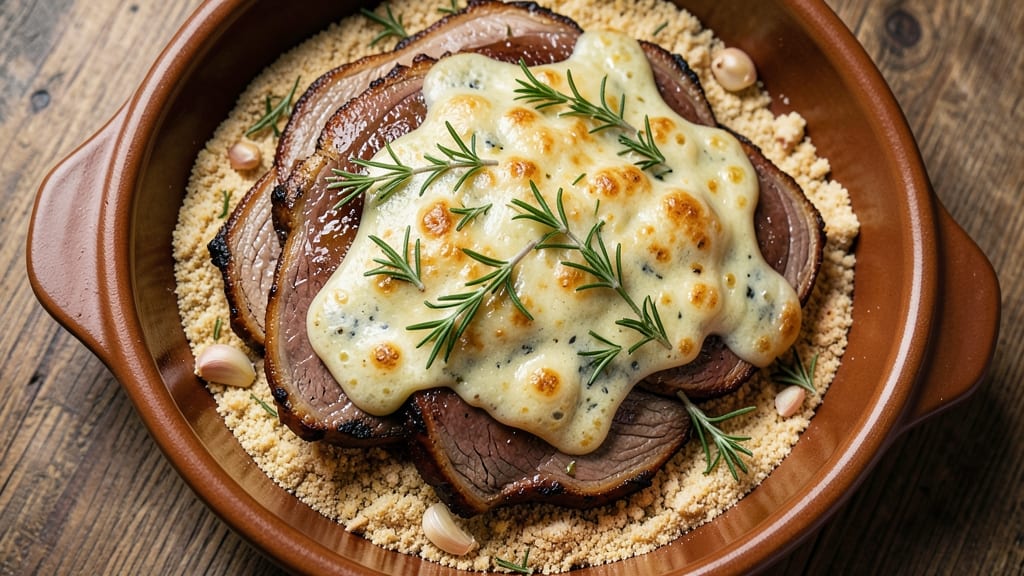
This baked beef liver recipe transforms a polarizing ingredient into a restaurant-worthy centerpiece with a crisp herby crust and tender interior. The key lies in proper preparation—soaking, trimming, and precise seasoning—that eliminates bitterness while enhancing natural richness.
I've perfected this method over years of testing, ensuring home cooks achieve professional results without intimidating techniques.
What sets this recipe apart is the balance between tradition and innovation. While we follow classic soaking methods to tenderize, we elevate the dish with a pan-seared crust that locks in juices before baking.
The herby crust adds depth without overpowering the liver's unique flavor profile, creating a harmonious bite that surprises even skeptics. This approach delivers texture and flavor that rival gourmet preparations.
The result is perfectly cooked beef liver with a golden-brown crust that crackles with every bite, revealing tender meat inside. The herby seasoning infuses the crust while complementing—not competing with—the liver's natural richness.
This technique transforms an often-feared ingredient into a showstopping main course that pairs beautifully with roasted potatoes or caramelized onions.
Whether you're preparing for a special dinner or simply exploring new proteins, this recipe offers a refined yet approachable method. The step-by-step process ensures success, while the final presentation elevates beef liver from humble beginnings to impressive centerpiece status. Let's get cooking with confidence.
Ingredients for baked beef liver
Transform polarizing beef liver into a restaurant-quality centerpiece with these carefully selected ingredients.
| Ingredient | Amount | Notes |
|---|---|---|
| Beef Liver 🥩 | 1 ½ lb | Freshly trimmed, cut into even pieces |
| Buttermilk 🥛 | 1 cup | Full-fat for optimal tenderness |
| All-Purpose Flour 🌾 | ½ cup | For dredging and crust formation |
| Extra-Virgin Olive Oil 🫒 | ¼ cup | High-quality for pan-searing |
| Unsalted Butter 🧈 | 2 tbsp | Melted for crust enrichment |
| Fresh Rosemary 🌿 | ¼ cup | Finely chopped, fresh preferred |
| Fresh Thyme 🌿 | ¼ cup | Leaves only, finely chopped |
| Garlic Cloves 🧄 | 4 cloves | Minced for herby crust |
| Diamond Crystal Kosher Salt 🧂 | 1 ½ tsp | For precise seasoning |
| Freshly Ground Black Pepper 🌶️ | 1 tsp | Coarsely ground for texture |
| Granulated Sugar 🍯 | 1 tbsp | Balances liver's natural richness |
| Large Eggs 🥚 | 1 whole | For binding crust components |
| Panko Breadcrumbs 🍞 | ½ cup | For extra-crisp crust |
The quality of beef liver is non-negotiable for this recipe. Source from a trusted butcher—look for bright red color and minimal yellowing, as this indicates freshness. Whole Foods Market or high-end grocery stores typically carry the finest cuts. Trim any visible connective tissue or fat, and cut into uniform 1-inch cubes for even cooking. The liver should be used within 2 days of purchase for optimal tenderness. For the herby elements, fresh rosemary and thyme from a reputable market like Eataly or a local farmers' market provide superior flavor compared to dried alternatives.
No buttermilk? Substitute with equal parts milk and vinegar, letting it sit for 5 minutes to curdle. Fresh herbs unavailable? Dried rosemary and thyme at one-third the amount will suffice, though texture will differ. For the crust, panko breadcrumbs ensure maximum crispiness—avoid regular breadcrumbs, which lack the necessary air pockets. The sugar in the crust may seem unusual, but it caramelizes beautifully, balancing the liver's natural richness. If you prefer a gluten-free option, almond flour can replace the all-purpose flour, though texture will be slightly different. Always use extra-virgin olive oil for pan-searing; lower-quality oils burn too quickly and impart off-flavors.
Beef liver must be handled with care—always use a separate cutting board to avoid cross-contamination. The crust mixture can be prepared 1 day ahead and stored in an airtight container in the refrigerator. For optimal results, bring the liver to room temperature before cooking. Leftover cooked liver reheats beautifully—warm in a skillet with a splash of butter for 2-3 minutes until heated through. Store cooked portions in an airtight container for up to 3 days in the refrigerator, or freeze for up to 3 months in a sealed container. When reheating from frozen, thaw overnight in the refrigerator before warming.
Why You'll Love This Recipe
- Five-Ingredient Magic: This recipe nails it with just beef liver, buttermilk, flour, olive oil, and butter—no fancy prep, no cluttered pantry raid. Honestly, I keep a bag of liver in the freezer now just for this.
- Crispy-Creamy Payoff: The buttermilk batter gives you that golden crust while keeping the inside tender—like a perfect hug for your taste buds. That rich, buttery finish? It’s the kind of flavor that makes you pause mid-bite.
- Leftovers? No Problem: Bake a big batch and store the slices in the fridge for quick sandwiches or frying later. Between us, my kids actually ask for the reheated version—it’s that good.
- Budget Booster: Beef liver is one of the most affordable protein sources out there, and this method stretches it far. I’ll be real: it’s my go-to when I need to feed the family well without breaking the bank.
Step-by-step instructions for pan-seared beef liver with herby crust
Transform tender beef liver into a restaurant-worthy dish with a crisp herby crust and delicate interior.
Prepare the Herby Crust Mixture
In a medium bowl, combine the 0.5 cup all-purpose flour, 1.5 tsp diamond crystal kosher salt, 1 tsp freshly ground black pepper, 1 tbsp granulated sugar, 0.25 cup finely chopped fresh rosemary, 0.25 cup finely chopped fresh thyme, and 4 minced garlic cloves. Mix thoroughly to distribute the herbs evenly throughout the flour blend. This mixture forms the foundation of your crust, balancing the liver's richness with aromatic herbs and a touch of sweetness.
In a separate shallow dish, whisk together the 1 whole large egg and 1 cup buttermilk until smooth and fully emulsified. The buttermilk adds tenderness while the egg acts as a binder for the crust components. The sugar in the flour mixture helps caramelize the crust slightly during cooking, creating depth of flavor that complements the liver's natural richness.
Dredge and Rest the Liver
Pat the 1.5 lb beef liver dry with paper towels, then cut into 4 even pieces (about 6 ounces each) for consistent cooking. Working quickly, dredge each piece through the flour-herb mixture, pressing gently to adhere the coating evenly. Transfer the dredged liver to a wire rack set over a plate and let rest for 5 minutes. This brief resting period allows the crust to firm slightly while preventing excess moisture from steaming the flour.
After resting, dip each piece into the egg-buttermilk mixture, allowing excess to drip off, then immediately return to the flour mixture for a second coating. This double-dredging creates a double-layered crust that will develop both texture and flavor during cooking. The buttermilk also helps tenderize the liver slightly, preventing it from becoming overly firm.
Sear the Liver to Golden Perfection
Heat 0.25 cup extra-virgin olive oil and 2 tbsp melted unsalted butter in a large skillet over medium-high heat until shimmering but not smoking. Add the coated liver pieces and cook undisturbed for 2 minutes per side until the crust develops a deep golden-brown color with crisp edges. The butter in the oil adds richness while the olive oil provides a stable, high-temperature cooking medium.
During this time, you'll notice the crust forming bubbles and developing a beautiful caramelized hue. This is your signal that the crust is properly set while maintaining a tender interior. Avoid moving the liver pieces too frequently—this allows the crust to form evenly without breaking apart. The sugar in the crust mixture will begin caramelizing at this stage, adding subtle sweetness that balances the liver's natural intensity.
Finish with Precision Timing
Transfer the seared liver to a wire rack and tent loosely with aluminum foil. Let rest for 3-5 minutes before serving. This resting period allows the internal temperature to equalize and the crust to set completely. The liver should reach an internal temperature of 130-135°F when done—any higher and it becomes tough. Use a meat thermometer for accuracy, inserting it into the thickest part of each piece.
For serving, sprinkle each piece with additional freshly chopped rosemary and thyme if desired. The crust should be crisp yet shatterable, with a golden-brown hue that contrasts beautifully against the liver's rich, deep color. Serve immediately with lemon wedges to cut through the richness and complement the herby crust.
Pro Tips For Making Baked Beef Liver
- Trim the Fat First: Slice off the thick white fat layer before cutting the liver into pieces—it’s bitter and won’t render like the meat. I learned this the hard way after biting into a chewy, off-flavor bite in my first attempt.
- Soak Liver 30 Minutes: Toss the sliced liver in buttermilk for at least 30 minutes (longer if you’re impatient like me) before coating it in flour. This tenderizes it and keeps it from drying out in the oven.
- Bake at 375°F, Not Hotter: High heat turns liver into leather. Stick to 375°F—any hotter, and you’ll end up with a tough, overcooked mess. Use an instant-read thermometer: pull it out at 130°F internal temp.
- Use Cold Butter for Crisp: Chill the unsalted butter before slicing it into small cubes—this prevents it from melting into the flour coating too soon. The result? A crisp, golden crust that actually sticks to the liver instead of sliding off.
Pro cooking tips for this recipe
Soak for Tenderness
The secret to perfectly tender beef liver starts with a 30-minute soak in 1 cup buttermilk (or milk + vinegar substitute). This step removes excess blood and breaks down tough fibers.
I use a glass bowl and place the liver in a single layer—never stack pieces, as this prevents even exposure. For extra tenderness, add 1 tsp salt and ½ tsp black pepper to the soaking liquid.
After soaking, pat completely dry with paper towels before dredging—this ensures a proper crust adhesion. 💫
Trim with Precision
Before cooking, trim all visible fat, connective tissue, and any discolored areas using a sharp chef's knife. I prefer to cut the liver into 1-inch cubes for even cooking—smaller pieces cook faster but can dry out, while larger pieces risk uneven doneness.
Use a meat thermometer to check internal temperature: 130-135°F is perfect; anything higher turns liver tough. For extra precision, trim excess fat from the cubes before dredging to prevent greasiness in the crust. ✨
Double-Dredge Technique
The double-dredging method creates a crisp, flavorful crust while keeping the interior tender. After soaking, dip each piece in 1 egg + 1 cup buttermilk mixture, then coat thoroughly in the flour-herb blend. Press gently to adhere the coating—this prevents gaps that could let moisture escape.
For even better results, chill the dredged liver on a wire rack for 10 minutes before cooking. This firms up the crust, ensuring it stays intact during searing. 🔥
Pan Temperature Control
Use a heavy-bottomed skillet (like Lodge cast iron) and heat the oil to 350-375°F—too hot and the crust burns before the interior cooks. I test the temperature by flicking a drop of water into the pan: it should sizzle and evaporate instantly.
Cook the liver for 2 minutes per side without moving it. The sugar in the crust will caramelize beautifully, adding subtle sweetness that balances the liver's richness. 🌡️
Rest Before Serving
After searing, transfer the liver to a wire rack and tent loosely with foil. Let it rest for 3-5 minutes—this crucial step redistributes juices and allows the crust to set. Cutting into liver too soon causes juices to spill out, leaving it dry.
For serving, sprinkle with extra fresh rosemary and serve with lemon wedges to cut through the richness. The crust should be crisp yet shatterable, revealing tender meat beneath. 💡
Nutrition facts
Frequently asked questions
Why does beef liver need soaking before cooking?
Soaking removes excess blood and connective tissue that can make liver tough. The 30-minute buttermilk soak tenderizes the meat while reducing bitterness. Skipping this step risks a dry, gamey texture that even the best crust can't fix.
Can I substitute buttermilk in the recipe?
Yes! Mix 1 cup milk + 1 tablespoon vinegar or lemon juice, let sit for 5 minutes to curdle. This creates the same acidity that tenderizes the liver. For extra richness, use whole milk instead of skim. The crust will still form perfectly.
What's the best way to check if beef liver is cooked properly?
Use a meat thermometer—130-135°F internal temperature is ideal. Overcooking to 145°F+ turns liver tough and dry. For visual cues, look for a golden-brown crust with no pink remaining inside. Cutting into a small piece should reveal tender, moist meat.
How do I store leftover cooked beef liver?
Store in an airtight container in the fridge for up to 3 days or freeze for 3 months. To reheat, warm in a skillet with 1 tablespoon butter over low heat for 2-3 minutes until heated through. Avoid microwaving—it makes the crust soggy.
What sides pair best with this herby beef liver?
Classic pairings include creamy mashed potatoes, caramelized onions, or roasted baby potatoes. For a lighter option, serve with a crisp arugula salad and lemon vinaigrette. The herby crust complements rich sides beautifully while balancing the liver's intensity.