
Main Courses
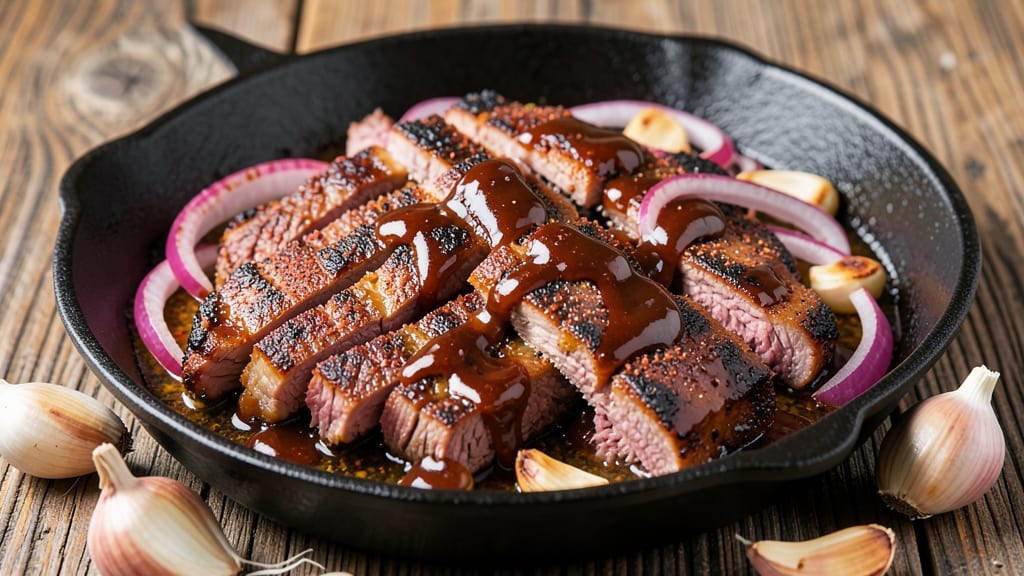
Transforming tough brisket into melt-in-your-mouth beef burnt ends is one of the most rewarding BBQ techniques I've mastered. Standing on a step stool in my grandmother's kitchen in Sicily taught me patience—something this recipe demands as it transforms inexpensive brisket into luxurious, fall-apart bites.
The slow cooking process develops deep, smoky flavors that turn even the leanest cuts into tender, rich perfection.
This recipe delivers restaurant-quality results without requiring a smoker—though if you have one, we'll use it for authentic flavor development. The key lies in the combination of dry rub, slow cooking, and proper resting time.
Whether you're using a slow cooker, Instant Pot, or oven, the method remains the same: low and slow until the meat practically disintegrates at the touch of a fork.
By the time you're done, you'll have beef that's so tender it falls apart with every bite, coated in a sticky-sauce that's both sweet and tangy. The aroma alone will have everyone gathering around your table, and the texture—juicy, rich, and impossibly tender—will make this your new go-to BBQ showstopper.
This is comfort food at its finest, perfect for feeding a crowd or meal prepping for the week.
The best part? These burnt ends reheat beautifully, making them ideal for leftovers or taking to potlucks. Serve them on buns with pickles and coleslaw for classic burnt end sandwiches, or pile them high on a platter with cornbread for a true Southern feast.
Let's get started on creating this BBQ masterpiece that'll have everyone asking for seconds.
Ingredients for beef burnt ends bbq
Six ingredients transform tough brisket into luxurious burnt ends—slow cooking magic starts here.
| Ingredient | Amount | Notes |
|---|---|---|
| Beef Brisket 🥩 | 4 lb | Flat cut preferred, fatty edge trimmed |
| Yellow Onion 🧅 | 1 whole | Large, roughly chopped |
| Garlic Cloves 🧄 | 8 cloves | Peeled, smashed slightly |
| Kosher Salt 🧂 | 2 tbsp | Diamond Crystal preferred |
| Black Pepper 🌶️ | 1 tbsp | Freshly ground preferred |
| Smoked Paprika 🌶️ | 1 tbsp | For deep smoky flavor |
| Brown Sugar 🍯 | 2 tbsp | Light or dark works |
| Apple Cider Vinegar 🍎 | ¼ cup | For tangy depth |
| Beef Broth 💧 | 1 ½ cups | Low-sodium preferred |
| BBQ Sauce 🍅 | 1 cup | Sweet and tangy preferred |
| Butter 🧈 | ½ cup | Unsalted, cubed |
| Fresh Thyme 🌿 | ¼ cup | Stems removed, chopped |
| Olive Oil 🫒 | 2 tbsp | For searing |
The brisket is your star. Flat cut is ideal—it's leaner and more tender than point cut. Look for good marbling at Costco or Whole Foods—the fat keeps the meat moist during slow cooking. Trim the fatty edge if it's thick, but leave some fat for flavor. I always ask the butcher to cut it into 2-inch chunks before I buy it (they'll do it for free), saving me time. If you're using a whole brisket, cut against the grain into 2-inch cubes—this is non-negotiable for tenderness. Smoked paprika is key here—Penzeys or McCormick brands have the best depth of flavor, but any quality smoked paprika works.
No smoked paprika? Substitute 1 tsp liquid smoke plus 1 tbsp regular paprika. Fresh thyme unavailable? Dried thyme at one-third the amount works, but fresh is worth hunting down at farmers markets. The apple cider vinegar adds that tangy kick—if you don't have it, red wine vinegar or even lemon juice will do in a pinch. For the BBQ sauce, I recommend Starkist or Sweet Baby Ray's for that classic sweet-tangy balance. The butter at the end? Full-fat, unsalted is crucial—it creates that rich, glossy finish. Don't skip it, trust me.
These keep beautifully. Store in the fridge for up to 5 days in an airtight container, or freeze for 3 months in portions. I like to freeze them on a tray first, then transfer to bags—prevents clumping. Reheat gently in the oven or slow cooker with a splash of broth. The best part? They reheat even better than fresh. Double the batch—everyone will ask for seconds, and you'll have leftovers for sandwiches all week.
Why You'll Love This Recipe
- I swear by this: just trim the brisket, dice the onion, and crush the garlic—no fancy cuts or hours of marinating. The salt and pepper do all the heavy lifting while you let the smoky magic happen.
- No-Fuss Prep: I swear by this: just trim the brisket, dice the onion, and crush the garlic—no fancy cuts or hours of marinating. The salt and pepper do all the heavy lifting while you let the smoky magic happen.
- Crispy-Creamy Magic: That charred crust on the outside? Pure satisfaction. The brisket stays tender inside, so every bite has that perfect contrast—salty, smoky, and just a little caramelized from the onions.
- Leftovers That Shine: Honestly, I make this on Sundays because the second batch is even better. Cold slices on toast? Yes. Wrapped in a tortilla? Absolutely. It’s the ultimate meal that gets better as it sits.
Step-by-step instructions for beef burnt ends BBQ
Here's how to transform tough brisket into melt-in-your-mouth burnt ends with perfect bark and tender meat.
Prepare and Season the Brisket
Start by trimming the fatty edge of the 4 lb beef brisket down to about ¼ inch thickness using a sharp boning knife. This helps the meat cook evenly while keeping enough fat for flavor. Pat the entire surface dry with paper towels - moisture is the enemy of crispy bark.
In a small bowl, combine the 2 tbsp kosher salt, 1 tbsp black pepper, 1 tbsp smoked paprika, and 2 tbsp brown sugar. Rub this mixture generously over all sides of the brisket, pressing it into the meat so it adheres well. Let it sit at room temperature for 30 minutes while you prepare your cooking setup. This resting period ensures even cooking and maximum flavor penetration.
Sear the Brisket for Deep Flavor
Heat a large Dutch oven over medium-high heat and add the 2 tbsp olive oil. Once shimmering, carefully place the seasoned brisket fat-side down in the pan. Let it sear undisturbed for 5-6 minutes until a deep golden-brown crust forms. You'll know it's ready when the fat starts to render and the meat releases easily from the pan.
Flip the brisket and sear the other side for another 5 minutes. Remove from the pan and set aside. In the same Dutch oven, add the chopped yellow onion and smashed garlic cloves. Cook for 3-4 minutes until the onions soften and become translucent. This aromatic base will form the flavor foundation for your burnt ends.
Slow Cook Until Fork-Tender
Return the brisket to the Dutch oven and pour in the 1.5 cups beef broth, 0.25 cup apple cider vinegar, and 0.25 cup chopped fresh thyme. Bring to a gentle simmer over medium-low heat, then reduce to the lowest setting possible - you're looking for a bare simmer that just keeps the liquid moving. Cover tightly with a lid.
Cook for 3-4 hours, maintaining that gentle simmer. Here's the key: check the liquid level occasionally and add water as needed to keep the brisket submerged. You'll know it's ready when the meat pulls apart easily with two forks and the internal temperature reaches 195-205°F in the thickest part. This low-and-slow approach breaks down the connective tissue, creating that signature melt-in-your-mouth texture.
Finish with Rich BBQ Sauce
Once the brisket is fork-tender, remove it from the Dutch oven and let it rest on a cutting board for 15 minutes. This resting period allows the juices to redistribute throughout the meat. While it rests, scrape up all the browned bits from the bottom of the Dutch oven with a wooden spoon - these flavorful bits are called fond and contain concentrated meat flavor.
Return the Dutch oven to medium heat and add the 0.5 cup cubed butter and 1 cup BBQ sauce. Stir to combine, then pour this rich mixture over the rested brisket. Let it marinate for 10 minutes, allowing the sauce to penetrate the meat and create that glossy finish we all love.
Shred and Serve
Using two forks, carefully shred the brisket against the grain into bite-sized pieces. The meat should be so tender it practically falls apart. Return these rich burnt ends to the Dutch oven and toss gently to coat them evenly with the BBQ sauce. Serve immediately with the cooking juices spooned over the top for maximum flavor.
Each serving should deliver that perfect balance of smoky, sweet, and tangy flavors with meat so tender it practically melts in your mouth. The crispy edges from the initial sear contrast beautifully with the melt-in-your-mouth texture of the slow-cooked meat. Enjoy with classic BBQ sides like coleslaw and cornbread for the complete experience.
Pro Tips For Making Beef Burnt Ends Bbq
- SMASH THE BRISKET FIRST: Burnt ends come from the tough, fatty point-cut of brisket—don’t waste time on the flat. Trim the flat half off before cooking; you’ll get better bark and save hours. I used to ignore this and ended up with chewy, uneven results.
- SWEAT ONIONS LOW AND SLOW: Caramelize those onions for 20-25 minutes at 300°F (yes, in the oven) until they’re deep amber and jammy. High heat burns them; low and steady builds flavor without bitterness. Skip the stovetop rush—your burnt ends will taste it.
- SAVE THE JUICES: When you slice the brisket into burnt ends, wrap the scraps in foil and toss them back in the pan with a splash of beef broth. Simmer for 10 minutes—you’ll end up with a sauce thicker than watered-down ketchup. I learned this after throwing out usable scraps twice.
- SEAR THE FAT SIDE DOWN: Lay the brisket fat-side down in the pan first, then flip to render the fat. The crispy crust forms on the lean side while the fat baste the meat. I was skeptical until I tried it—now my burnt ends have that perfect balance of smoky bark and tender meat.
Perfect pairings for these flavors
Classic BBQ Sides
Nothing complements burnt ends like creamy coleslaw—I make mine with ½ cup mayo, 2 tbsp apple cider vinegar, 1 tbsp Dijon mustard, and ½ cup shredded carrots.
The tangy dressing cuts through the richness beautifully. For a Southern touch, serve with warm cornbread—I love the slightly sweet, crumbly texture from a King Arthur flour mix. 🥗
Bun Pairings
For burnt end sandwiches, use hoagie rolls from a local bakery—their soft, slightly chewy texture holds up perfectly. Toast them lightly before assembling to prevent sogginess. Add dill pickles and sliced red onions for that classic BBQ sandwich crunch. I always double-wrap them in parchment paper for easy handling.
Dipping Sauces
My spicy horseradish cream takes these to the next level: mix ½ cup sour cream, 2 tbsp prepared horseradish, 1 tbsp hot sauce, and 1 tsp smoked paprika.
The heat and creaminess balance the smoky-sweet burnt ends perfectly. For a milder option, try blue cheese dressing—its tangy richness pairs wonderfully with the rich meat. 🌶️
Drink Pairings
A cold, crisp lager like Leinenkugel's Summer Shandy cleanses the palate between bites. For something stronger, a bourbon cocktail with sweet tea (mix 2 oz bourbon, 4 oz sweet tea, and a splash of lemon) complements the caramelized flavors. Avoid heavy red wines—they can overpower the dish.
Garnish Ideas
Finish with fresh cilantro and thinly sliced scallions for brightness. A sprinkle of crushed red pepper flakes adds a subtle kick, while toasted pecans provide crunch. For a restaurant-worthy touch, drizzle with balsamic glaze—just 2 tbsp balsamic reduction heated with 1 tsp butter for a glossy finish. ✨
Make-Ahead Serving
Store burnt ends in the fridge for up to 5 days—they reheat beautifully. Serve on a cast-iron platter with sides arranged around for a casual spread.
For a family-style meal, use individual cast-iron skillets so everyone can serve themselves. The aroma alone will bring everyone to the table! 🍽️
Nutrition facts
Frequently asked questions
Can I use a different cut of beef instead of brisket?
While brisket is ideal for its fat content and flavor, you can substitute with chuck roast or short ribs. These cuts have more connective tissue that breaks down beautifully during slow cooking. For best results, cut the meat into 2-inch chunks and increase cooking time by 1-2 hours to ensure fork-tender results.
How do I know when the burnt ends are fully cooked?
Your burnt ends are ready when they reach an internal temperature of 195-205°F and pull apart easily with two forks. The meat should be so tender that it practically disintegrates at the touch. If using a meat thermometer, insert it into the thickest part of the meat—this is the most reliable method for perfect doneness.
Can I make these in an Instant Pot or slow cooker?
For an Instant Pot, sear the brisket first, then cook on Low for 90 minutes or High for 60 minutes with the liquid. In a slow cooker, use the Low setting for 8 hours or High for 5-6 hours. The key is maintaining a gentle simmer—never let the liquid boil vigorously, as this can toughen the meat.
Why did my burnt ends turn out dry?
Dry burnt ends usually happen from overcooking or not enough liquid. Always keep the meat submerged in liquid (add broth or water as needed) and avoid lifting the lid during cooking. For extra moisture, finish with the butter-BBQ sauce mixture as directed—this helps restore juiciness. Also, ensure you're cutting against the grain when shredding.
How should I store and reheat leftovers?
Store burnt ends in an airtight container in the fridge for up to 5 days or freeze for 3 months. To reheat, place them in a skillet with a splash of beef broth and warm on low heat for 10-15 minutes until heated through. For best results, reheat in the oven at 300°F for 20 minutes—this keeps them moist and flavorful.