
Side Dishes
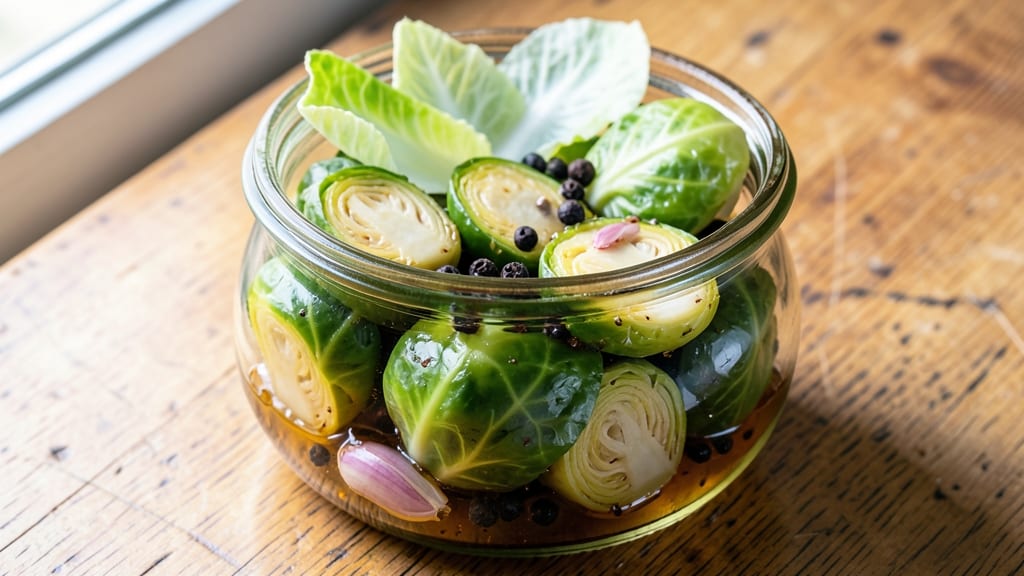
The best pickled Brussels sprouts recipe transforms this often-overlooked vegetable into bite-sized, tangy bliss that elevates any meal. After testing countless variations, I've perfected a method that delivers crispy texture and balanced acidity—no mushy sprouts here.
The secret lies in precise ingredient ratios and proper timing, ensuring every bite stays satisfyingly crunchy.
This recipe requires just five core ingredients—fresh Brussels sprouts, vinegar, sugar, salt, and spices—but the results are restaurant-quality. The pickling process takes about 20 minutes of active prep, followed by at least 24 hours of marinating, which allows flavors to meld beautifully.
The tangy, slightly sweet brine cuts through rich dishes while adding a refreshing crunch.
What makes this version truly special is its versatility—serve them as a bold appetizer with charcuterie, a tangy side for roasted meats, or even a topping for salads.
The balance of acidity and sweetness makes them irresistibly addictive, while the crisp texture keeps them exciting. Once you try homemade, store-bought will never compare.
For those who love to experiment, I'll share variations like spicy kimchi-style or herb-infused versions in the tips section. The key to success? Staying precise with measurements and letting the flavors develop fully. Let's get started on creating your new favorite condiment.
Ingredients for best pickled brussel sprouts
Five core ingredients transform Brussels sprouts into crispy, tangy bites that elevate any dish.
| Ingredient | Amount | Notes |
|---|---|---|
| Fresh Brussels Sprouts 🥦 | 1 ½ lb | Trimmed and halved lengthwise |
| White Vinegar 💧 | 1 cup | Distilled for best results |
| Granulated Sugar 🍯 | ½ cup | White or raw preferred |
| Diamond Crystal Kosher Salt 🧂 | 1 ½ tbsp | Not iodized for purity |
| Black Peppercorns 🌶️ | 1 tsp | Crushed lightly for texture |
| Garlic Cloves 🧄 | 3 cloves | Smashed for infused flavor |
| Fresh Dill Sprigs 🌿 | ¼ cup | Or 1 tbsp dried dill |
| Red Wine Vinegar 🍷 | ¼ cup | For depth of flavor |
| Water 💧 | 1 ½ cups | Filtered preferred |
| Mustard Seeds 🌶️ | ½ tsp | Yellow or brown preferred |
The Brussels sprouts are the star, so pick firm, compact ones—avoid any with yellowing leaves or soft spots. Whole Foods and Trader Joe's carry the best quality, but regular grocery stores work too. Trim the ends and halve them lengthwise to ensure even pickling. For extra crunch, blanch them in boiling water for 30 seconds before pickling. The garlic and dill add layers of flavor—fresh is best here, but dried will work in a pinch. If you're feeling fancy, grab some organic dill from the bulk section for maximum aroma.
No white vinegar? Apple cider vinegar works beautifully—just add a splash of lemon juice to balance. Running short on sugar? Honey or maple syrup at the same amount adds subtle depth. The mustard seeds are optional but add a nice little kick—skip them if you prefer milder flavor. For a spicy twist, add 1/4 tsp of red pepper flakes to the brine. The red wine vinegar can be swapped for more white vinegar if you're out, but it won't have the same complexity. If you're making this ahead, double the recipe—it keeps for months in the fridge.
This brine is best made fresh, but the sprouts will keep their crunch for up to 2 months in the refrigerator if stored properly. Transfer to airtight jars or containers, ensuring the sprouts are fully submerged in the liquid. For extra shelf life, add a parchment paper disc to keep them submerged as they shrink. The flavors deepen over time, so wait at least 24 hours before serving—trust me, it's worth it. Portion into small jars for easy snacking, or use as a topping for sandwiches and salads.
Why You'll Love This Recipe
- No Fuss, No Mess: Honestly, I just trim the ends, halve them, and toss them in the jar—no fancy prep, no peeling, no stress. The vinegar and salt do all the work while you sip your coffee.
- Tangy Crunch Magic: That first bite—crispy edges, sweet-tart punch from the sugar and vinegar, with peppercorns adding a little pop—it’s the kind of flavor that makes you reach for the jar again before the first one’s empty.
- Weeknight Hero: Slap these on sandwiches, toss them into salads, or eat them straight with a charcuterie board. They’re my go-to for when I’m too tired to cook but still want something that feels special.
- Lasts for Days: Between us, I’ve had these sitting in my fridge for over two weeks, and they’re still perfect. Cheap to make, zero waste, and always ready when I am—win, win, win.
Step-by-step instructions for perfectly pickled Brussels sprouts
Here's how to transform tough brussels sprouts into crisp, tangy bites that elevate any dish.
Prep the Brussels Sprouts for Maximum Crunch
Start by thoroughly trimming the base of each brussels sprout to remove any tough stems. I like to cut them in half lengthwise—this creates uniform pieces that pickle evenly. For extra crunch, I give each half a quick tap on the cutting board with the flat side of my knife to separate any stubborn leaves still attached. The goal is bite-sized pieces that will stay crisp after pickling.
Rinse the halved sprouts in cold water and drain completely in a colander. I like to give them a final shake to remove excess moisture before proceeding. Any remaining water in the jar will dilute your brine and result in softer sprouts. Trust me, this step makes all the difference for that perfect crunch you're after.
Create the Perfect Flavor-Packed Brine
In a medium saucepan, combine the 1.5 cups water, 1 cup white vinegar, 0.5 cup granulated sugar, 1.5 tablespoons diamond crystal kosher salt, and 0.5 teaspoon mustard seeds. Bring to a gentle simmer over medium heat, stirring until the sugar and salt completely dissolve. This ensures even distribution of flavor throughout your pickles.
While the brine heats, lightly crush the 1 teaspoon black peppercorns with the flat side of your knife and smash the 3 garlic cloves with the bottom of a heavy pan. Add these to the simmering liquid along with the 0.25 cup fresh dill sprigs and 0.25 cup red wine vinegar. Let the mixture steep for 5 minutes off the heat—this infuses all the aromatic flavors into the brine. The red wine vinegar adds that subtle depth that separates good pickles from exceptional ones.
Pack and Press for Even Pickling
Sterilize your clean glass jars by running them through hot water or placing them in a 250°F oven for 15 minutes. While they're hot, carefully pack the prepared brussels sprouts tightly into the jars, leaving about 1 inch of headspace at the top. Use a wooden spoon or spatula to press them down firmly—this prevents floating and ensures each piece gets properly pickled.
Ladle the hot brine over the sprouts until completely covered, then seal the jars with their lids. I like to give each jar a final gentle tap on the counter to remove any air bubbles trapped between the sprouts. The brine should cover all the vegetables by at least 1 inch—this prevents mold growth and ensures proper preservation. Let the jars cool to room temperature before refrigerating.
Develop the Perfect Tang in 24 Hours
Store the jars in the refrigerator for at least 24 hours before eating. This gives the flavors time to meld and the acidity to properly penetrate the sprouts. I know it's tempting to taste them sooner, but patience here is crucial for developing that perfect balance of sweet, tangy, and slightly spicy flavors.
After 24 hours, give your pickles a taste test. They should be crisp with a bright tang that makes your taste buds sing. If they're not quite tangy enough after 48 hours, you can add a splash of additional red wine vinegar to the jar. These pickles will keep in the refrigerator for up to 3 weeks, maintaining their crunch and flavor. The longer they sit, the more complex their flavor profile becomes.
Pro Tips For Making Best Pickled Brussel Sprouts
- TRIM THE TIGHT SPROUTS: Brussels sprouts shrink when pickled, so snip off the very bottom stem and trim the outer leaves—leave about ½ inch of stem intact. I learned this the hard way when my first batch turned into a mushy mess because the stems didn’t cook evenly.
- BOIL THE SPROUTS FIRST: Parboil them for 3–4 minutes until just tender—this guarantees they stay crisp after pickling. Drain well and shock in ice water to stop cooking, or they’ll turn to mush. (Yes, even if you’re impatient like me.)
- WEIGH THE SALT: Diamond Crystal kosher salt measures differently—use 1½ tablespoons per quart of liquid, not the 1 tablespoon on the package. Too little salt means bland pickles; too much makes them rubbery. A kitchen scale fixes this forever.
- ADD SUGAR LAST: Dissolve the sugar in the vinegar first, then pour it over the hot sprouts. If you dump it in dry, it’ll clump and leave pockets of unsweetened brine. Stir like you’re making syrup, and the flavor balances perfectly.
Wine and beer pairings for these flavors
Crisp White Wine Pairings
For these tangy pickled Brussels sprouts, I reach for a dry Riesling from Germany's Mosel region—its bright acidity mirrors the vinegar's bite while the crisp minerality cuts through the sweetness. A Sauvignon Blanc from New Zealand also works beautifully, with its citrus notes complementing the dill and mustard seed flavors.
Both wines should be served chilled at 45-50°F to preserve their refreshing qualities. 🍷
Malty Beer Complements
A Belgian-style witbier with its coriander and orange peel notes creates a fantastic contrast to the pickles' acidity. I love pairing with Hoegaarden—the effervescence cleanses the palate between bites.
For a darker option, try a German Helles lager; its subtle malt sweetness balances the tang while the crisp finish enhances the sprouts' crunch. Serve both beers well-chilled at 40-45°F.
Red Wine Surprises
Don't overlook red wine! A light-bodied Pinot Noir from Oregon with its red fruit notes and silky tannins actually enhances the pickles' complexity. Look for wines with bright acidity and low tannins—avoid heavy Cabernets.
Serve at 55-60°F to let the wine's fruitiness shine alongside the pickled flavors. This pairing works especially well when serving the sprouts as an appetizer with charcuterie.
Sparkling Contrasts
For a celebratory touch, Prosecco or Cava adds effervescence that refreshes the palate. The bubbles help cut through the richness while their slight sweetness complements the pickles' tang. I recommend a dry or extra-dry style to avoid clashing with the vinegar.
Serve chilled at 40-45°F—this is my go-to pairing for holiday gatherings when these pickles become the star of the snack table. ✨
Non-Alcoholic Options
Skip the alcohol? A sparkling apple cider from Martinelli's or Woodchuck Hard Cider (non-alcoholic version) works perfectly. The effervescence and apple notes create the same refreshing contrast. For something more herbal, try sparkling hibiscus tea—the tartness enhances the pickles' flavors beautifully. All should be served ice-cold at 38-42°F.
Nutrition facts
Frequently asked questions
Why do my pickled Brussels sprouts turn out mushy instead of crisp?
Mushiness happens when too much moisture remains during pickling. Always drain sprouts thoroughly after rinsing and pack them tightly into jars to remove air bubbles. Use hot brine to help maintain texture, and avoid overcrowding—leave at least 1 inch of headspace. For extra crunch, blanch sprouts in boiling water for 30 seconds before pickling.
Can I use apple cider vinegar instead of white vinegar?
Apple cider vinegar works beautifully and adds subtle sweetness. For best results, use 1 cup apple cider vinegar plus 1/4 cup lemon juice to match the acidity of white vinegar. The flavor will be slightly more complex, with hints of fruitiness that complement the dill and mustard seeds.
How long can I store these pickled Brussels sprouts?
Properly stored in the refrigerator, these pickles stay fresh for up to 3 weeks while maintaining their crunch. The flavors actually improve over time—wait at least 24 hours before eating for the best taste. For longer storage, transfer to airtight containers and keep submerged in brine. The acidity helps preserve them safely.
What can I do with leftover pickling liquid?
Never waste that flavorful brine! Use it to marinate proteins like chicken or shrimp for 30-60 minutes before cooking. It also makes a great base for salad dressings—just dilute with water and add a touch of olive oil. For a quick sauce, simmer the brine with a splash of honey and serve over grilled meats. Every drop is packed with umami flavor!
Can I make this recipe without sugar?
Yes, but your pickles will taste more acidic. Replace the sugar with 1/4 cup honey or maple syrup for subtle sweetness, or use 1/4 cup apple cider vinegar to enhance tanginess. The sugar helps balance the acidity and softens the vinegar's bite—essential for that perfect flavor profile.