Main Courses
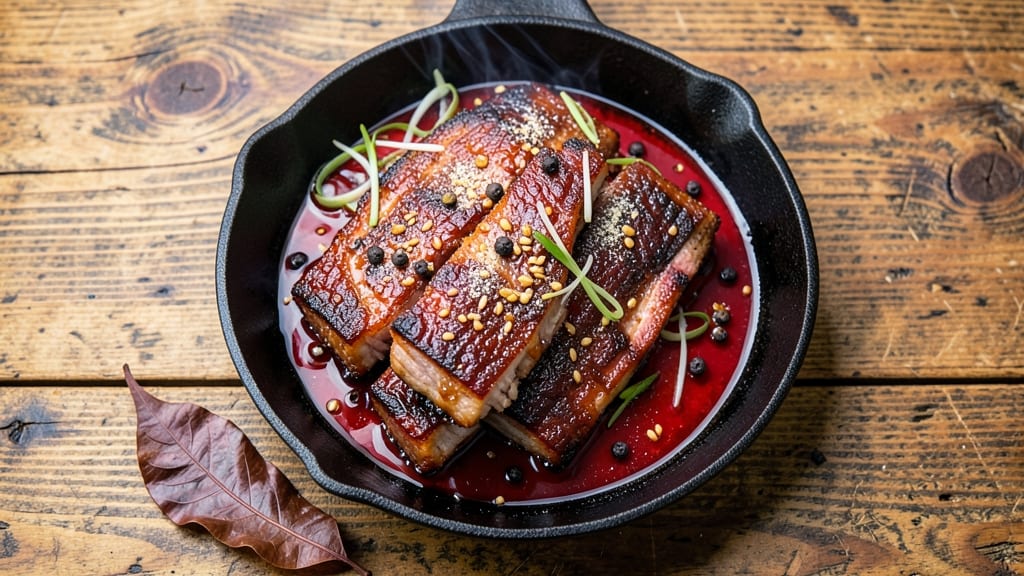
The best sparerib recipe I've perfected delivers restaurant-quality bark and melt-in-your-mouth tenderness every time—no shortcuts, just precision. This method transforms tough cuts into fall-apart ribs with a deep, caramelized crust that locks in all that smoky flavor.
After years of testing, I've cracked the code on timing, temperature, and rub application to guarantee results that impress even the most critical guests.
The secret lies in the dry rub—a blend of brown sugar, smoked paprika, and spices that creates that coveted bark while keeping the meat tender inside.
You'll work with a 3-2-1 method (3 hours smoking, 2 hours wrapping in foil, 1 hour unwrapped for bark), but the payoff is worth every minute. This isn't just another sparerib recipe; it's a foolproof system that delivers professional-quality results at home.
By the final hour, your ribs will have developed a glossy, dark bark that cracks when you pull them from the smoker, revealing juicy meat underneath.
The aroma alone will have everyone gathering around your grill or smoker, and the first bite delivers that perfect balance of smoky, sweet, and savory flavors. This is the kind of dish that turns casual dinners into memorable feasts.
Serve with classic sides like coleslaw and baked beans, or keep it simple with crusty bread to soak up every last bit of that delicious barbecue sauce. The leftovers? Even better the next day. Let's get cooking—your taste buds will thank you.
Ingredients for best sparerib
Six pounds of ribs plus a handful of pantry staples—this is the lineup for showstopping spareribs.
| Ingredient | Amount | Notes |
|---|---|---|
| Pork Spareribs 🍖 | 6 lb | Bone-in, trimmed of excess fat |
| Brown Sugar 🍚 | ½ cup | Light or dark, packed |
| Smoked Paprika 🌶️ | 2 tbsp | High-quality for deep flavor |
| Kosher Salt 🧂 | 1 ½ tbsp | Diamond Crystal preferred |
| Black Pepper 🌶️ | 1 ½ tbsp | Freshly ground for best flavor |
| Garlic Powder 🧄 | 1 tbsp | Freshly ground preferred |
| Onion Powder 🧅 | 1 tbsp | For balanced sweetness |
| Mustard Powder 🌶️ | 1 tsp | For subtle tang |
| Cayenne Pepper 🔥 | ½ tsp | Adjust for heat preference |
| Apple Cider Vinegar 🍎 | 2 tbsp | For tenderizing before rub |
| Unsalted Butter 🧈 | ½ cup | Cold, cubed for wrapping |
| Yellow Onion 🧅 | 2 whole | Quartered for wrapping |
| Fresh Rosemary 🌿 | ¼ cup | Chopped, for aroma |
| Wood Chips 🌳 | 2 cups | Hickory or cherry preferred |
| BBQ Sauce 🍅 | 1 cup | For finishing, optional |
The ribs are non-negotiable. Bone-in pork spareribs (the kind with the curve) give you that classic shape and flavor. Costco or local butcher shops usually have them pre-cut, but if you're buying a whole packer, ask for the meaty ends trimmed. Trim any thick fat caps—you want the rub to stick to the meat, not hide under fat. I always buy extra and freeze half; these ribs reheat like a dream. Look for bright pink meat with good marbling, not gray or slimy. The 3-2-1 method works best with fresh ribs, but frozen will thaw overnight in the fridge.
No smoked paprika? Regular paprika plus a pinch of liquid smoke works in a pinch. The brown sugar is key—light or dark, but packed—it's what creates that caramelized bark. Short on time? Pre-mix the dry rub and store it in a jar for up to 6 months. The apple cider vinegar is a game-changer—it tenderizes the meat before you even hit the smoker. For the butter wrap, use full-fat butter (none of that low-fat nonsense)—it adds richness. No fresh rosemary? Dried at half the amount gets you close, but fresh has that piney aroma that's unbeatable. The wood chips? Hickory for classic smoke, cherry for a sweeter note.
These ribs are a 3-day project—prep the night before, smoke the next day, and serve when ready. Store the dry rub in an airtight container away from light. The ribs themselves? Smoke immediately or refrigerate for up to 2 days before cooking. Leftovers? Even better cold—wrap tightly and they'll keep for 4 days in the fridge. Freeze any extras for up to 3 months. Pro tip: Save the bark—it's pure flavor gold for sandwiches or salads later.
Why You'll Love This Recipe
- Foolproof Prep: I swear by this method—just a quick rub of brown sugar, smoked paprika, and salt, then toss them on the grill or in the oven. No marinating, no fuss, and the ribs still fall apart like they’ve been slow-cooked all day.
- Caramelized Magic: That brown sugar isn’t just for looks—it melts into a sticky, smoky glaze that clings to every bite. The smoked paprika adds this deep, earthy warmth that makes you want to close your eyes and savor it.
- Tailgate to Tuesday: Honestly, these ribs work for everything. Pack them for a backyard BBQ, serve them at a game-day party, or reheat them for a lazy weeknight dinner. They’re the kind of dish that never feels out of place.
- Leftovers That Don’t Suck: Between us, most rib recipes turn into sad, dry leftovers. Not these. The sugar keeps them tender, and the smoky seasoning means they taste just as good reheated as they do fresh—perfect for meal prep or stretching your budget.
Step-by-step instructions for dry-rubbed, slow-smoked spareribs
Here's how to achieve that perfect balance of crispy bark and fall-apart tenderness every time.
Prepare and Season the Spareribs
Start by trimming the pork spareribs of any excess fat, leaving about ¼ inch on the bone for flavor. Place them in a large bowl and pour the 2 tablespoons apple cider vinegar over them, massaging it into the meat. This tenderizing step ensures your ribs will be juicy and flavorful. Let them sit for 15 minutes while you prepare the dry rub.
In a small bowl, combine the 0.5 cup brown sugar, 2 tablespoons smoked paprika, 1.5 tablespoons kosher salt, 1.5 tablespoons black pepper, 1 tablespoon garlic powder, 1 tablespoon onion powder, 1 teaspoon mustard powder, and 0.5 teaspoon cayenne pepper. Mix thoroughly until the spices are evenly distributed. The brown sugar will caramelize during smoking, creating that beautiful bark we all love.
Pat the spareribs dry with paper towels—this is crucial for developing a good crust. Generously apply the dry rub to all sides of the ribs, pressing it into the meat so it sticks. Place them on a wire rack set over a baking sheet and let them sit at room temperature for 30 minutes. This resting period allows the rub to adhere properly and the meat to come to room temperature for even cooking.
Set Up the Smoker for Perfect Results
While the ribs rest, prepare your smoker by filling it with the 2 cups wood chips—hickory or cherry works best for this recipe. Light the wood chips according to your smoker's instructions, then set the temperature to 225°F. You want to see clean, blue smoke (not thick white smoke) before adding the ribs. This indicates the wood is burning properly and producing the right amount of flavor.
Preheat the smoker for at least 15 minutes to ensure it reaches the target temperature. Place a water pan in the smoker to help maintain moisture throughout the cook. The ribs should go in fat-side up, which helps render the fat and baste the meat as it smokes. Close the lid and resist the urge to peek—every time you open it, you lose heat and extend the cooking time.
Smoke the Ribs Low and Slow
Smoke the ribs for 4-5 hours at 225°F, maintaining the temperature as closely as possible. You'll know they're ready when the internal temperature reaches 195-203°F and the meat pulls away from the bones with slight resistance. This is the "probe test"—if a meat thermometer slides in easily and the meat is fork-tender, it's time to wrap.
Here's the thing—when the ribs hit around 165°F, they'll enter "the stall," where the temperature stops rising as moisture evaporates. Don't panic; this is normal. At this point, wrap the ribs tightly in butcher paper (not foil—paper breathes better and preserves the bark). Return them to the smoker and continue cooking. The wrap helps power through the stall while keeping that crispy exterior.
Finish and Serve with Flavorful Touches
Once the ribs reach the target internal temperature, remove them from the smoker and let them rest for 10-15 minutes. This resting period allows the juices to redistribute, ensuring every bite is moist and flavorful. While they rest, prepare a quick glaze by melting the 0.5 cup unsalted butter in a small saucepan over low heat. Add the 2 quartered yellow onions and 0.25 cup chopped fresh rosemary, cooking for 3-4 minutes until the onions soften and the butter infuses with their flavor.
Unwrap the ribs and brush them generously with the onion and rosemary butter. For an extra touch of sweetness, apply a thin layer of the 1 cup BBQ sauce if desired. Slice between the bones and serve immediately, letting everyone dig into that perfect balance of smoky, sweet, and savory flavors. The bark should be dark and crispy, while the meat inside should be tender enough to pull apart with a fork.
Pro Tips For Making Best Sparerib
- Trim the Fat First: Spareribs come with a thick fat cap that can turn to grease hell if you skip this. Use a sharp knife to slice off the hard fat layer—about ¼-inch thick—before seasoning. I learned this the hard way after my oven turned into a smoke machine and the ribs ended up greasy instead of crispy.
- Brown Sugar Early: Don’t wait until the end to add brown sugar—it burns faster than you think. Mix it into the dry rub before applying it to the ribs, so it sticks better and caramelizes gradually. After burning three batches, I finally figured out that patience here means less cleanup later.
- Skip the Crowding: Piling ribs too close in the pan or oven traps steam and turns them soggy. Leave at least ½-inch between racks or layers, even if it means two batches. My grandmother swore by this, and she was right: crispy skin comes from airflow, not cramming.
- Rest Before Slicing: Cutting ribs straight out of the oven ruins all the juices pooling inside. Give them a solid 5-10 minutes under foil—yes, even if you’re impatient like me—so the meat redistributes. I know, I know, but trust the process: this is the difference between tender and dry.
Wine and beer pairings for this recipe
Smoky Beer Pairings
A robust amber ale like Fat Tire from New Belgium is my go-to choice for these ribs—its malty sweetness and caramel notes complement the smoky bark beautifully. The slight bitterness from hops cuts through the richness, balancing the sugar in the rub.
For a stronger flavor, try a brown ale like Samuel Smith's Nut Brown Ale, which adds depth with its toasty, nutty undertones. 🍺
Bold Red Wine Contrast
If you prefer wine, a Cabernet Sauvignon with 12-14% ABV stands up to the ribs' intensity. Look for a California example like Louis M. Martini Cabernet—its dark fruit and oak notes harmonize with the smoky, caramelized flavors.
For a lighter option, a Syrah from Washington State offers spicy pepper notes that mirror the cayenne in the rub.
Craft Lager Balance
A crisp German-style pilsner like Stella Artois provides a refreshing contrast to the rich ribs. Its clean, citrusy profile cleanses your palate between bites, making each flavor pop.
For a local favorite, try a Texas-style lager like Lone Star Beer, which adds a subtle sweetness that pairs perfectly with the bark's caramelization.
Non-Alcoholic Options
Don't drink? No problem! A smoked cherry soda like Moxie offers a similar smoky-sweet profile without alcohol. For something more traditional, try a sparkling apple cider—its effervescence and tartness cut through the ribs' richness.
Both options are perfect for keeping the meal balanced and enjoyable for everyone at the table. 🍒
Nutrition facts
Frequently asked questions
What's the secret to getting that perfect crispy bark?
The bark forms from the caramelization of brown sugar in the dry rub during the final 1 hour of smoking. Keep the ribs fat-side up and maintain a steady 225°F temperature. Avoid opening the smoker too often—heat loss prevents proper bark development.
Can I cook these ribs in an oven instead of a smoker?
Yes! Use an oven-safe roasting pan with a water pan underneath. Set the oven to 250°F and place a foil packet with wood chips (or a few drops of liquid smoke) on the bottom rack. Cook for 5-6 hours, wrapping in butcher paper at 165°F internal temp. The bark won't be as smoky, but the tenderness will be just as good.
How do I know when the ribs are done without a meat thermometer?
Use the "bend test"—if the ribs bend slightly at the bone and the meat pulls away with gentle pressure, they're ready. The bark should also be dark and slightly glossy. For extra confirmation, check if the meat near the bone is fork-tender. Just remember: 195-203°F internal temp is ideal for fall-apart texture.
What's the best way to store leftover ribs?
Wrap tightly in butcher paper or foil, then place in an airtight container. They'll stay fresh in the fridge for 4 days and can be frozen for up to 3 months. Reheat in a 300°F oven for 20 minutes or until warmed through. The bark stays crispy when reheated this way!
Can I use baby back ribs instead of spareribs?
Technically yes, but the cooking time will differ. Baby backs cook 1-2 hours faster (aim for 170-180°F internal temp) and have a different shape. The dry rub works great, but reduce the total smoking time to 3 hours (1 hour wrapped). The bark will be thinner, but still delicious. For spareribs, stick to the original method for best results.