
Sauces & Condiments
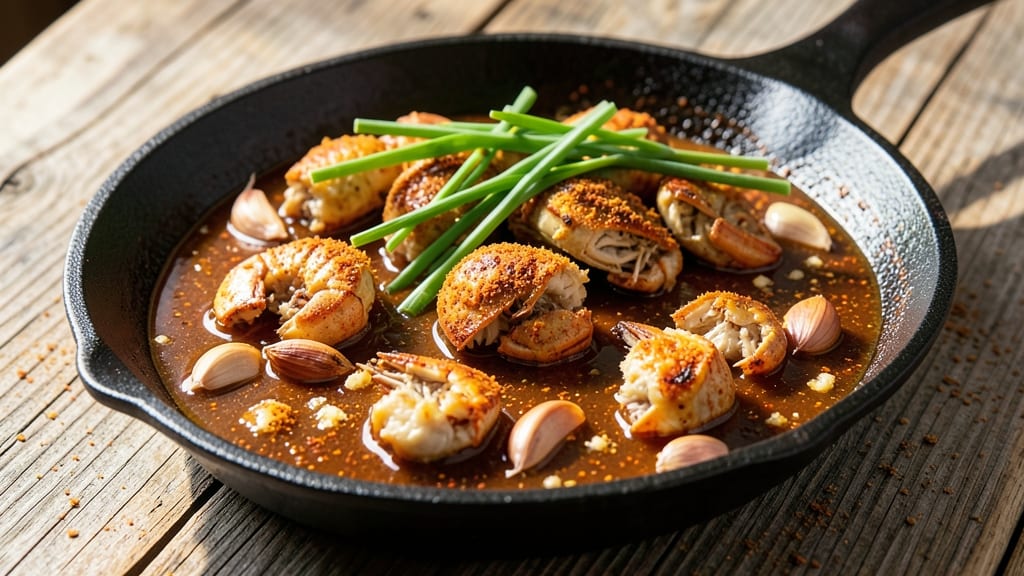
This Cajun crab boil sauce recipe transforms a simple butter base into a fiery, aromatic masterpiece that elevates seafood feasts. The secret lies in balancing bold spices—smoky paprika, cayenne, and Old Bay—with rich garlic and butter for a sauce that simmers into perfection.
I developed this after years of experimenting with crab boil flavors, ensuring every spoonful delivers that signature Louisiana heat without overpowering delicate seafood.
The beauty of this sauce is its versatility—it starts as a thick, spicy glaze for lobsters and crabs but thins into a dipping sauce when warmed with a splash of water or broth. The key ingredients are simple: butter, garlic, Cajun seasoning, and a touch of lemon for brightness.
What sets this apart is the slow simmer, which deepens the flavors while keeping the sauce smooth enough to coat every bite.
By the end, you’ll have a sauce that’s spicy yet balanced, with a velvety texture that clings to seafood like a second skin. It’s the kind of flavor that turns a simple boil into a memorable feast—whether you’re feeding a crowd or treating yourself to a seafood night in.
Ready to make it?
This recipe works equally well as a finishing glaze, dipping sauce, or even a marinade for shrimp. The bold Cajun flavors shine without overwhelming, making it a professional-quality addition to any seafood spread. Let’s get cooking!
Ingredients for cajun crab boil sauce
Nine bold ingredients transform simple butter into a fiery, aromatic seafood masterpiece.
| Ingredient | Amount | Notes |
|---|---|---|
| Unsalted Butter 🧈 | ½ cup | Cold, cubed for even melting |
| Garlic Cloves 🧄 | 6 cloves | Fresh, minced for aromatic depth |
| Cajun Seasoning 🌶️ | 2 tbsp | High-quality, like Tony Chachere's |
| Old Bay Seasoning 🧂 | 1 tbsp | Classic Maryland blend for balance |
| Smoked Paprika 🌶️ | 1 tbsp | For authentic smoky depth |
| Cayenne Pepper 🔥 | ½ tsp | Adjust for preferred spice level |
| Fresh Lemon Juice 🍋 | 1 tbsp | Brightens the rich flavors |
| Water or Seafood Broth 💧 | ¼ cup | For thinning if needed |
| Salt 🧂 | ½ tsp | Kosher or sea salt preferred |
| Black Pepper 🌶️ | ¼ tsp | Freshly cracked for texture |
The butter is the foundation—use European-style unsalted like Plugrá or Land O'Lakes for maximum richness. Fresh garlic cloves are non-negotiable; roast them first at 400°F for 10 minutes to deepen their sweetness. For Cajun seasoning, Tony Chachere's is the gold standard, but any high-quality blend with smoked paprika will work. Old Bay adds that signature Maryland brightness—don't skip it. The smoked paprika should be vibrant red, not dull, indicating freshness. If you're sensitive to heat, reduce the cayenne to 1/4 tsp initially and adjust to taste.
No Cajun seasoning? Mix 1 tbsp smoked paprika, 1 tsp garlic powder, 1 tsp onion powder, 1/2 tsp dried thyme, and 1/4 tsp cayenne. Out of Old Bay? Substitute with 1 tbsp celery salt plus 1/2 tsp black pepper. Fresh lemon juice can be swapped for 1/2 tsp citric acid if you prefer consistency. For thinning, seafood broth adds more flavor than water—use clam or shrimp stock if available. The sauce should coat the back of a spoon but still move freely; if too thick, add broth 1 tbsp at a time. For extra depth, add 1/2 tsp Worcestershire sauce with the lemon juice.
This sauce keeps beautifully—store in an airtight container in the fridge for up to 1 week, or freeze in ice cube trays for 3 months. Reheat gently over low heat, adding a splash of water or broth to restore smoothness. The sauce intensifies as it sits, so make it fresh for best flavor. For seafood boils, brush on crabs and shrimp just before serving. For dipping, thin with additional broth and serve warm with corn on the cob or coleslaw. The sauce also freezes well in small portions for quick future use.
Why You'll Love This Recipe
- Pantry Magic: I swear by this sauce—no fancy ingredients, just butter, garlic, and those two seasonings doing all the heavy lifting. Honestly, I’ve made it with whatever spices I had on hand, and it still comes out ridiculously good.
- Smoky Garlic Bomb: That smoked paprika? It’s the secret weapon. One sniff of the sizzling butter and minced garlic with Cajun and Old Bay, and you’re already halfway to craving it. The heat lingers just enough to make every bite feel like a little celebration.
- Game for Any Meal: Slather it on grilled shrimp, toss it with pasta, or drizzle it over roasted veggies—this sauce doesn’t care what you throw at it. I’ve even used it to jazz up plain rice when I’m too tired to think. (Yes, even on a Tuesday night.)
- Leftovers That Lie: Make a double batch and store it in the fridge. The flavors only get better after a day or two, and it turns a simple protein into something that feels special. My freezer’s always stocked with this stuff—because nothing says “I tried” like a quick reheat.
Step-by-step instructions for Cajun crab boil sauce
This bold, aromatic sauce builds layer by layer—start with the butter, then layer the spices for maximum flavor impact.
Melt the Butter Over Medium Heat
Place a medium saucepan over medium heat and add the 0.5 cup unsalted butter, cubed. Let it melt slowly, stirring occasionally with a wooden spoon, until it reaches 160°F—just before it begins to foam. You'll see the butter transform from solid to liquid, creating a smooth base for your sauce.
Watch the butter closely—if it browns too quickly, reduce the heat slightly. The goal is a golden, melted butter without any browned bits, as these can create bitterness in your sauce. Once fully melted, remove the pan from direct heat for just a moment to stabilize the temperature before proceeding.
Add Garlic and Spices for Depth
Return the pan to medium-low heat and add the 6 minced garlic cloves, stirring constantly for 30 seconds until they become fragrant but never brown. Immediately add the 2 tablespoons Cajun seasoning, 1 tablespoon Old Bay seasoning, 1 tablespoon smoked paprika, 0.5 teaspoon cayenne pepper, 0.5 teaspoon salt, and 0.25 teaspoon black pepper. Stir vigorously for 1 full minute to toast the spices and release their essential oils.
Here's the thing—don't rush this step. The spices need time to bloom and infuse the butter with their complex flavors. You'll notice the mixture darkening slightly and filling your kitchen with a warm, spicy aroma. If the spices start to darken too quickly, reduce the heat to low to prevent burning.
Brighten with Lemon and Thin as Needed
Pour in the 1 tablespoon fresh lemon juice and stir for 20 seconds to brighten the rich, spicy flavors. The citrus cuts through the heat and adds a fresh dimension. If the sauce begins to thicken too much, add 0.25 cup water or seafood broth, 1 tablespoon at a time, until it reaches a smooth, pourable consistency—about the thickness of heavy cream.
Taste and adjust the seasoning if needed. You might want to add a pinch more Cajun seasoning or a splash of lemon juice for balance. The sauce should be bold, spicy, and well-rounded, with a slight tang from the lemon. If you prefer a smoother texture, whisk in a bit more broth until it reaches your desired consistency.
Simmer for Maximum Flavor Development
Return the sauce to low heat and let it simmer gently for 5 minutes, stirring occasionally. This step allows the flavors to meld together and deepen. You'll see the sauce become glossy and aromatic, with a rich, spicy scent filling your kitchen.
During this time, taste the sauce again and make any final adjustments. If it's too thick, add a bit more broth. If it needs more heat, add a pinch of cayenne pepper. The sauce should be ready when it coats the back of a spoon smoothly and has a deep, complex flavor profile. Remove from heat immediately to prevent overcooking.
Cool and Store for Future Use
Transfer the sauce to a clean jar or airtight container and let it cool to room temperature. Once cooled, it will thicken slightly but can be thinned with a splash of broth or water when needed. This sauce keeps well in the refrigerator for up to 1 week or can be frozen for 3 months for future seafood feasts.
Use this versatile sauce to drizzle over boiled crabs, shrimp, or corn on the cob. It also pairs beautifully with grilled fish or as a dipping sauce for crusty bread. The balance of spice, smokiness, and brightness makes it a standout in any seafood dish.
Pro Tips For Making Cajun Crab Boil Sauce
- Melt Butter Slowly: Start with medium-low heat—unsalted butter burns faster than you’d think, especially when garlic joins the party. If you rush it, you’ll end up with bitter smoke instead of that rich, nutty base everyone craves.
- Smash That Garlic: Don’t just mince it—crush the cloves first with the flat of your knife. This releases more flavor, and the oil will cling better to the smashed pieces, infusing the sauce faster than chopped bits ever could.
- Balance the Heat: Taste as you go—Cajun and Old Bay pack a punch, but smoked paprika adds depth. If the sauce tastes like a spice bomb, cut it with a splash of lemon juice or a pinch of sugar to smooth it out.
- Finish with Butter: Once the sauce is done, stir in a pat of cold butter off the heat. It cools the sharpness, adds silkiness, and makes the sauce cling better to crab or corn—trust me, it’s worth the extra spoonful.
Regional styles of this dish
Louisiana Bayou Style
The original Cajun crab boil sauce comes from Louisiana's bayou regions, where it's traditionally made with hot sauce instead of cayenne. I like to add 1 tablespoon Crystal Hot Sauce to the finished sauce for that authentic kick.
The bayou version also incorporates 1/2 teaspoon dried thyme and 1/4 teaspoon ground allspice for earthy depth. Serve it with corn on the cob and shrimp for a true Louisiana boil experience. 🌿
Texas Gulf Coast Twist
Texans love their crab boil sauce with a smoky chipotle touch. I blend 1/2 teaspoon chipotle powder into the Cajun seasoning before adding it to the butter. The Texas version also includes 1/4 teaspoon ground coriander for brightness.
Pair it with grilled shrimp skewers and jicama slaw for a coastal fusion feast. This version works especially well with blue crabs. 🔥
Maryland Shore Classic
The Maryland shore version leans heavily on Old Bay seasoning—I double it to 2 tablespoons while reducing the Cajun seasoning to 1 tablespoon. Add 1/4 teaspoon ground mustard for tang and 1/2 teaspoon celery salt for that signature Maryland crunch.
This sauce shines with steamed blue crabs and old bay seasoned potato chips on the side. 🦞
New Orleans Creole Fusion
For a Creole twist, I stir in 1/2 teaspoon dried oregano and 1/4 teaspoon ground fennel with the spices. The New Orleans style also calls for 1/2 teaspoon Worcestershire sauce added with the lemon juice.
This richer version pairs perfectly with blackened redfish or shrimp po'boys. The sauce's depth comes from the slow simmer—don't rush it! 🍤
Florida Keys Adaptation
Florida's version keeps things lighter with 1/2 teaspoon dried parsley and 1/4 teaspoon ground turmeric for color. I also add 1/2 teaspoon lime zest instead of lemon juice for a brighter citrus note.
This sauce works wonderfully with grilled whole snapper and mango-avocado salad. The turmeric gives it that beautiful golden hue without overpowering the seafood. 🌴
Modern Fusion Variations
For a contemporary take, try adding 1/4 teaspoon smoked salt (like Morton Kosher Salt with Smoked Paprika) and 1/2 teaspoon honey to balance the heat. This version pairs beautifully with seared scallops and roasted corn.
For a spicy-sweet twist, finish with 1/2 teaspoon sriracha and serve over grilled lobster tails. The possibilities are endless! ✨
Nutrition facts
Frequently asked questions
Can I make this sauce without Old Bay seasoning?
Old Bay adds a signature Maryland flavor, but you can substitute with 1 tbsp celery salt plus ½ tsp black pepper. For a Cajun-only version, use an extra ½ tbsp smoked paprika and ¼ tsp dried thyme to mimic its complexity. The sauce will still pack bold heat and smoky depth.
How do I adjust the spice level for kids or sensitive eaters?
Start by reducing the cayenne pepper to ¼ tsp (or omit entirely). For extra mildness, add ½ tsp honey or maple syrup at the end to balance heat. Always taste as you go—you can always add more cayenne later if needed. This version works great for dipping corn or shrimp.
Can I use this sauce for non-seafood dishes?
Yes! This sauce is surprisingly versatile. Try brushing it on grilled chicken skewers or roasted potatoes for a bold twist. It also elevates cornbread or mac and cheese by adding a spicy, garlicky kick. Just reduce the cayenne by half when using with non-seafood proteins.
Why did my sauce turn grainy or separate?
This usually happens from overheating or adding spices too quickly. Always melt butter over medium heat and toast spices for 1 full minute on low. For separated sauce, whisk in 1 tbsp cold butter or a splash of warm broth while stirring constantly. The sauce should return to a smooth, velvety texture.
How long should I simmer the sauce for best flavor?
Simmer for exactly 5 minutes on low heat to develop flavors without burning. The sauce should coat the back of a spoon but still move freely. For deeper flavor, extend to 7 minutes, but don't let it bubble vigorously. Over-simmering can make it bitter.