Sauces & Condiments
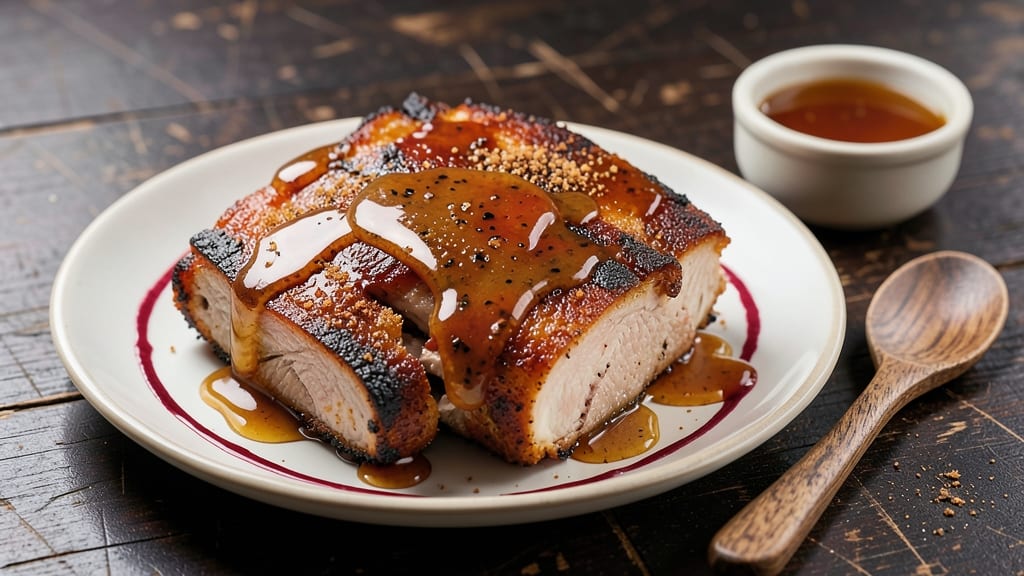
This Captain Rodney's Boucan Glaze copycat recipe delivers the same smoky-sweet caramelized magic that makes grilled ribs and chicken irresistibly sticky. After years of experimenting, I've perfected a version that captures the original's deep molasses notes and subtle spice complexity—without the restaurant markup.
The key lies in slow reduction and precise ingredient ratios that transform simple pantry staples into something extraordinary.
The glaze begins with a base of dark molasses and brown sugar, which caramelize into a glossy, amber sauce when reduced with apple cider vinegar and a touch of liquid smoke.
A blend of warm spices—cinnamon, allspice, and black pepper—adds depth, while a splash of bourbon (or apple juice for non-alcoholic versions) enhances the smoky-sweet balance. What sets this apart is the two-stage reduction process, which concentrates flavors without burning.
What you'll end up with is a thick, syrupy glaze that clings beautifully to grilled meats, offering a perfect mix of sweetness and smokiness in every bite. The texture is just right—neither too runny nor too stiff—so it bastes as it cooks, creating those coveted caramelized edges.
This isn't just a sauce; it's the secret weapon that transforms ordinary grilled dishes into something memorable.
Use it on ribs, chicken, pork shoulders, or even as a glaze for vegetables—just be prepared to make extra. The recipe yields about 1½ cups, and trust me, you'll want to double it.
Store any leftovers in the fridge for up to 2 weeks or freeze for 3 months. Let's get started on recreating this restaurant-quality glaze at home.
Ingredients for captain rodney's boucan glaze copycat
Six pantry staples and four specialty touches create this legendary smoky-sweet glaze magic.
| Ingredient | Amount | Notes |
|---|---|---|
| Dark Molasses 🍯 | ½ cup | Unsulphured for authentic flavor |
| Light Brown Sugar 🍚 | 1 ½ cups | Packed firmly for accuracy |
| Apple Cider Vinegar 🍏 | ¼ cup | Raw, unfiltered preferred |
| Liquid Smoke 🔥 | 1 tbsp | Hickory or apple preferred |
| Bourbon 🥃 | ¼ cup | 80-proof or higher for depth |
| Ground Cinnamon 🌿 | 1 tsp | Freshly ground for warmth |
| Ground Allspice 🌶️ | ½ tsp | Or 2 whole allspice berries |
| Ground Black Pepper 🌶️ | ½ tsp | Freshly cracked preferred |
| Salt 🧂 | ½ tsp | Diamond Crystal kosher |
| Water 💧 | ¼ cup | Filtered for clarity |
The molasses and bourbon are non-negotiable for that authentic depth. Goya unsulphured dark molasses is my go-to—it's what most copycat recipes use, and you'll find it in the Latin foods aisle at Walmart or H-E-B. For bourbon, Buffalo Trace or Maker's Mark add the right complexity, but any 80-proof bourbon works. The liquid smoke? Queen City or Smokin' Joe's are the brand names to look for—they're sold in the BBQ section or near spices. If you can't find liquid smoke, smoked paprika at double the amount is a decent stand-in, though it won't be identical.
No bourbon? Apple juice or cider keeps it non-alcoholic without sacrificing much. The spices are where you can get creative—cassia cinnamon works if you can't find Ceylon, but it's slightly sweeter. For allspice, ground cloves plus nutmeg at half amounts mimics the flavor. The brown sugar should be packed—light brown for subtle molasses notes, dark brown for more caramel depth. If you're making a big batch, use a kitchen scale for the sugar to avoid packing inconsistencies. And trust me, this glaze doubles easily, so make extra.
This glaze keeps beautifully—2 weeks in the fridge sealed in a jar, or 3 months frozen in ice cube trays for perfect portions. The texture thickens as it cools, so warm it gently before using. It's amazing on ribs, chicken, or even drizzled over roasted vegetables. Double the recipe if you're feeding a crowd—you'll want it. And if you make it ahead, reduce it slightly longer for an even thicker consistency that clings perfectly to your protein.
Why You'll Love This Recipe
- Five-Ingredient Magic: I swear by this—just molasses, brown sugar, vinegar, a splash of bourbon, and a whisper of liquid smoke. That’s it. No fancy techniques, no stress, just stir, simmer, and boom, you’ve got a glaze that tastes like it took hours.
- Smoky-Sweet Obsession: The bourbon and liquid smoke team up for this deep, caramelized richness that’s dangerously addictive. It’s not just sweet—it’s got that slow-smoked, campfire vibe that makes ribs, chicken, or even toast feel like a special occasion.
- Weeknight & Weekend Ally: Slather it on brisket for a Sunday feast or drizzle it over breakfast sausages for a lazy Saturday. Honestly, I’ve used it on everything from grilled veggies to ice cream (yes, really), and it never lets me down.
- Glaze Stockpile: Make a double batch—this stuff keeps for months in the fridge. A little goes a long way, so you’ll have your go-to sauce for last-minute BBQs, holiday hams, or when you’re craving that sticky, smoky goodness without the fuss. Budget-friendly? Absolutely.
Step-by-step instructions for captain rodney's boucan glaze
Here's how to recreate Rodney Scott's signature smoky-sweet glaze at home, perfect for drizzling over ribs, pulled pork, or even grilled chicken.
Combine Wet Ingredients in a Heavy Saucepan
In a heavy saucepan, combine the 0.5 cup dark molasses, 1.5 cups light brown sugar, 0.25 cup apple cider vinegar, 1 tablespoon liquid smoke, and 0.25 cup bourbon. This combination forms the base of the glaze, where the molasses provides deep caramel notes while the vinegar and bourbon add tangy complexity. Stir well to ensure all ingredients are fully incorporated—you want a smooth, thick mixture without any sugar granules remaining.
Here's the thing—using a heavy saucepan prevents burning, which is crucial since we're working with sugar and molasses that can scorch quickly. The liquid smoke will give you that signature smoky depth that makes this glaze so distinctive, but don't add it too early or it'll evaporate before developing its full flavor. Keep the heat at medium-low for now to let everything meld together without boiling over.
Simmer Until Thickened and Reduced
Bring the mixture to a gentle simmer over medium-low heat, then reduce the heat to maintain a steady bubble. Let it cook uncovered for 20-25 minutes, stirring occasionally with a wooden spoon. You're looking for a dramatic reduction—the glaze should thicken noticeably, darken in color, and coat the back of a spoon when you lift it away from the pan.
This is where patience pays off. The sugar will caramelize gradually, developing those rich, buttery notes that make this glaze so irresistible. If you see the mixture getting too dark too quickly, reduce the heat further to prevent burning. You'll know it's ready when it reaches a syrupy consistency—thick enough to drizzle but still pourable. If it's not thick enough after 25 minutes, continue simmering in 5-minute increments until you reach the desired texture.
Add Spices and Water for Balance
Once the glaze has thickened, remove the pan from heat and whisk in the 1 teaspoon ground cinnamon, 0.5 teaspoon ground allspice, 0.5 teaspoon ground black pepper, 0.5 teaspoon salt, and 0.25 cup water. The spices will infuse warmth and complexity, while the water helps balance the intensity of the molasses and bourbon. Stir vigorously to ensure the spices are evenly distributed—you want every drizzle to carry that perfect blend of smoky, sweet, and spicy flavors.
Here's a pro tip: If the glaze thickens too much after adding the water, you can thin it slightly by returning the pan to low heat for another minute or two. The goal is a glaze that's sticky but not clumpy, with a glossy sheen that indicates it's ready to use. Let it cool for 10 minutes before drizzling—this allows the flavors to fully meld and prevents the glaze from running off whatever you're serving it over.
Strain and Store for Maximum Flavor
After cooling, strain the glaze through a fine-mesh sieve into a clean jar or bowl to remove any sediment from the spices. This step ensures a smooth, professional finish without any gritty texture. The glaze should now have a deep amber color with a rich, aromatic smell—like a campfire meeting a candy store. If you're not using it immediately, store it in an airtight container in the refrigerator for up to 2 weeks or freeze it for up to 3 months. It actually tastes better after resting overnight as the flavors continue to develop.
Real talk: This glaze is versatile enough to elevate almost any grilled or smoked dish. Drizzle it over ribs during the last 5 minutes of cooking, brush it on pulled pork in the final 10 minutes, or even use it as a glaze for grilled vegetables. The key is to apply it when the dish is hot so it caramelizes slightly on contact, creating that perfect balance of sticky and smoky. Enjoy it warm for the ultimate experience—it's the kind of glaze that makes every bite feel like a celebration.
Pro Tips For Making Captain Rodney'S Boucan Glaze Copycat
- STIR CONSTANTLY: This glaze is no time to walk away—especially when you’re simmering the molasses and sugar. I learned this the hard way when I got distracted and ended up with a lump of caramelized sugar at the bottom that took forever to dissolve. Keep it moving on medium heat until it’s smooth and bubbling like syrup.
- USE GOOD BOURBON: Skip the cheap stuff here—this isn’t a cocktail. A decent bourbon (like Maker’s Mark or Buffalo Trace) adds depth that cheap whiskey can’t match. If you’re tempted to use something cheaper, at least let it sit in the glaze for 10 minutes before simmering to let the flavors meld.
- DILUTE GRADUALLY: Adding vinegar and liquid smoke all at once can turn your glaze into a thin, sad sauce. Start with half the vinegar, taste it, then add the rest slowly while stirring. Same goes for the liquid smoke—too much too soon, and you’ll regret it.
- SIMMER LOW AND SLOW: High heat = burnt sugar. Low heat = caramelized perfection. Once everything’s combined, drop the heat to a gentle simmer and let it thicken naturally. It’ll take 15-20 minutes, but rushing it turns your glaze into a sticky mess. Trust the process.
Common mistakes when making this dish
Overcooking the Glaze
One of the biggest mistakes is letting the glaze boil too hard or cook too long, which turns it bitter and burnt. I’ve seen people walk away from the stove and come back to find their glaze looking like tar.
The key is maintaining a gentle simmer—never a rolling boil—and watching it closely. If it darkens too quickly, reduce the heat immediately. The glaze should take about 20-25 minutes to reduce properly, not hours. 🔥
Skipping the Strain
Some people rush the straining step, leaving behind tiny spice particles that make the glaze gritty. I’ve tasted homemade versions where you could feel the cinnamon or allspice grains in every bite. Always strain your glaze through a fine-mesh sieve or even cheesecloth for a silky-smooth texture.
This is especially important if you’re using whole spices or if your ground spices aren’t finely ground. A quick strain ensures a restaurant-quality finish.
Using the Wrong Pan
A light or nonstick pan can’t handle the heat needed for caramelization, leading to uneven cooking or even burning. I’ve made this glaze in a thin stainless steel pan and ended up with scorched bits at the bottom.
Use a heavy-bottomed saucepan—preferably stainless steel or cast iron—to distribute heat evenly and prevent hot spots. If you don’t have one, a Dutch oven works perfectly for this recipe.
Adding Liquid Smoke Too Early
Liquid smoke is volatile and evaporates quickly if added too soon. I’ve ruined batches by mixing it in at the start, only to have the smoky flavor dissipate entirely by the end. Add the 1 tablespoon liquid smoke after the molasses and sugar have dissolved and just before simmering.
This ensures the smoky flavor develops fully during the reduction process, giving you that authentic campfire-meets-caramel taste.
Ignoring the Resting Time
Freshly made glaze is thick and sticky, but it continues to thicken as it cools. I’ve seen people drizzle it immediately over hot ribs, only for it to slide right off.
Let the glaze rest for 10-15 minutes before using—this allows it to reach the perfect syrupy consistency that clings beautifully. If it’s too thick after resting, warm it gently over low heat and stir in 1 teaspoon water at a time until it reaches the ideal drizzle-able texture.
Substituting Low-Quality Ingredients
Not all molasses or bourbon is created equal, and cutting corners here will ruin the flavor. I’ve tried using sulphured molasses (common in grocery stores) and ended up with a glaze that tasted harsh and metallic. Stick with unsulphured molasses like Goya or Brunswick.
For bourbon, avoid cheap store brands—Buffalo Trace or Maker’s Mark add depth, but even a decent 80-proof bourbon will work. The same goes for liquid smoke: Queen City or Smokin’ Joe’s are the gold standards, and nothing else comes close. 💡
Nutrition facts
Frequently asked questions
Can I make this glaze without bourbon?
Yes! Replace the 0.25 cup bourbon with an equal amount of apple juice or cider for a non-alcoholic version. The acidity will still help balance the sweetness, though you'll lose some depth. For extra smokiness, add an additional 0.5 teaspoon liquid smoke to compensate.
How do I adjust the thickness of the glaze?
If your glaze is too thin after cooking, simmer it uncovered for another 5-10 minutes to reduce further. For a thicker consistency, stir in 1 teaspoon cornstarch mixed with 1 tablespoon water and cook for 2-3 minutes until it reaches a syrupy texture. Always let it cool 10 minutes before using—it thickens as it sits!
What's the best way to use this glaze on ribs?
Apply the glaze during the last 5-10 minutes of cooking when ribs are at 225°F (for pulled pork, use the final 10 minutes). Brush it on in thin layers, letting each coat caramelize slightly before adding more. For extra stickiness, warm the glaze gently before applying—it should be syrupy but not runny.
Can I make this glaze in a slow cooker?
Combine all ingredients in a slow cooker and cook on LOW for 3-4 hours, stirring occasionally. The low heat prevents burning and allows flavors to meld gently. Since slow cookers are less precise, check the consistency after 2 hours—it may need additional reduction time on the stovetop.
Why did my glaze turn bitter?
Overcooking or using sulphured molasses are the most common causes. Keep heat at a gentle simmer (never boiling) and stick with unsulphured molasses. If it darkens too quickly, remove from heat immediately. For a rescue, stir in 1 teaspoon vanilla extract or 1 tablespoon apple cider vinegar to balance the bitterness.