
Snacks
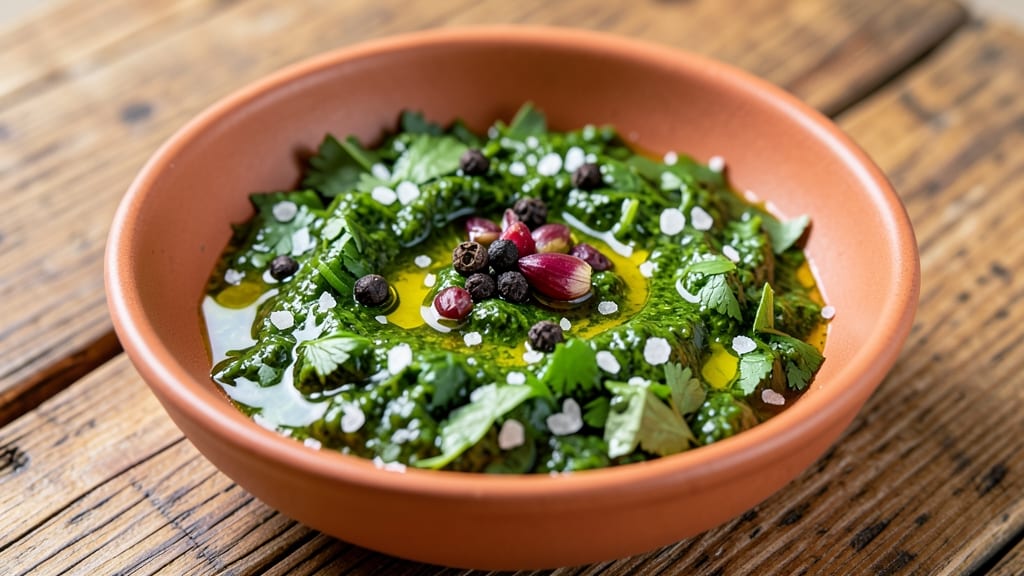
This chimichurri mix recipe transforms simple ingredients into a vibrant, herb-packed sauce that elevates grilled meats with every bite. The bright blend of fresh parsley, garlic, and red wine vinegar creates a tangy, aromatic paste that clings beautifully to steaks, chicken, or even roasted vegetables.
I developed this version after realizing store-bought chimichurri never quite captured the freshness of homemade.
The secret lies in the balance of textures and flavors—finely chopped herbs, minced garlic, and high-quality olive oil create a sauce that's neither too thick nor too thin.
Unlike dry spice mixes, this version requires just 10 minutes of prep and 30 minutes of resting time for the flavors to meld perfectly. The result is a sauce that's bold enough to stand up to charred meats yet delicate enough to enhance their natural flavors.
What makes this chimichurri truly special is its versatility—drizzle it over grilled steaks, toss it with roasted potatoes, or use it as a marinade for chicken. The acidity cuts through richness while the herbs add a fresh, bright contrast.
Once you try this homemade version, you'll never go back to bottled chimichurri again. Let's get started on making this flavorful sauce.
This recipe delivers restaurant-quality results with minimal effort, making it perfect for weeknight dinners or weekend BBQs. The ingredients are simple, but the flavor impact is anything but ordinary.
Whether you're serving a crowd or treating yourself to a special meal, this chimichurri will take your dishes to the next level.
Ingredients for chimichurri mix
Fresh herbs and bold flavors make this chimichurri mix shine on grilled meats.
| Ingredient | Amount | Notes |
|---|---|---|
| Fresh Parsley Leaves 🌿 | 1 ½ cups | Bright green, tightly packed |
| Garlic Cloves 🧄 | 6 cloves | Fresh, peeled, minced fine |
| Red Wine Vinegar 🍷 | ¼ cup | Dry, bold variety preferred |
| Extra-Virgin Olive Oil 🫒 | ¾ cup | Fruity, peppery quality |
| Kosher Salt 🧂 | 1 ½ tsp | Fine grain preferred |
| Ground Black Pepper 🌶️ | ½ tsp | Freshly ground for best flavor |
| Red Pepper Flakes 🔥 | ½ tsp | Adjust for heat preference |
| Dried Oregano 🍃 | ½ tsp | Mexican oregano if available |
The parsley is non-negotiable—bright green, tightly packed leaves make all the difference. Trader Joe's and Whole Foods usually have the freshest, but any grocery store's parsley works if it's not wilted. Garlic should be fresh, not those rubbery cloves sitting in jars. The red wine vinegar? Dry, bold varieties like those from Bartles & Jaymes add depth. Skip the sweet cooking wine—this isn't salad dressing. For the olive oil, look for extra-virgin with fruity notes—something you'd actually drizzle on bread. If you're unsure, California Olive Ranch is a safe bet.
No red wine vinegar? White wine vinegar or apple cider vinegar work in a pinch, though the flavor will be slightly different. Short on parsley? Swap in cilantro or basil at half the amount—just know it changes the vibe. The dried oregano can be skipped if you're sensitive to its flavor, but Mexican oregano has a more complex taste. For heat, substitute cayenne pepper at one-quarter the amount if you prefer a cleaner burn. The olive oil is flexible—avocado oil works too—but it'll lack that fruity depth. And yes, you can make this without the red pepper flakes if you're serving kids or sensitive eaters.
This chimichurri keeps best in an airtight jar in the fridge for up to 5 days. The flavors actually improve after resting for 30 minutes to an hour, so don't rush it. For longer storage, freeze it in ice cube trays—just thaw and stir before using. Pro tip: Add a thin layer of olive oil on top before sealing to preserve freshness. It's perfect for grilled meats, roasted veggies, or even as a marinade. Just don't overdo it—a drizzle is all you need.
Why You'll Love This Recipe
- No Chopping Hassle: I just pulse the parsley and garlic in my food processor—no knives, no mess, no stress. The vinegar and olive oil do all the work once you hit start, and honestly? It’s the only time I let my blender run without guilt.
- Umami Bomb Combo: That first bite of garlic and parsley with the tangy vinegar? It’s like a flavor explosion in your mouth. The olive oil ties it all together so smoothly, it makes even the simplest grilled chicken taste like you spent hours cooking.
- Weeknight to Party Fix: Slap this on steak, roasted veggies, or even scrambled eggs—it’s my go-to for everything. Between us, I’ve used it to impress guests at dinner parties and to save myself on lazy Sundays. Works every time.
- Lasts for Days: Make a big batch and store it in the fridge—it keeps for over a week. I’ve got jars of this stuff in my pantry from last summer, and it’s still fresh. Plus, it’s dirt cheap to make, so you’re not wasting money on store-bought versions.
Step-by-step instructions for herb-packed chimichurri mix
This bright, vibrant chimichurri comes together in minutes with just a few simple steps.
Finely Chop the Fresh Parsley Leaves
Start by gathering all 1.5 cups of fresh parsley leaves. I like to use a sharp chef's knife and cut them into very fine pieces—almost like a rough chop. The goal is to get them as small as possible so they blend smoothly into the sauce. You can also pulse them in a food processor if you prefer, but chopping gives you more control over the texture.
Here's the thing—don't worry if the pieces aren't perfectly uniform. You want some texture to keep the chimichurri interesting, but it should all be small enough to disappear when you mix it with the other ingredients. Spread the chopped parsley on a cutting board so it's easy to measure and transfer.
Mince the Garlic Cloves
Next, take the 6 cloves of garlic and mince them as finely as possible. I find it's easiest to smash each clove with the flat side of my knife first, then finely chop them. The garlic should be so small it's almost like a paste—this ensures it distributes evenly and doesn't create any unpleasant texture surprises in your finished chimichurri.
Don't skip this step. Properly minced garlic is crucial for authentic chimichurri flavor. If you're using a food processor, pulse the garlic in short bursts just until it's finely minced—you don't want it to turn into a paste yet. Add the minced garlic to the chopped parsley in the same bowl.
Combine Wet Ingredients
In a separate bowl, whisk together the 0.25 cup of red wine vinegar and 0.75 cup of extra-virgin olive oil. This mixture should be smooth and well-combined. I like to pour the vinegar into the oil slowly while whisking to create a light, emulsified base. The vinegar should be fully incorporated into the oil before you add it to the herbs.
This is where the chimichurri starts to come together. The vinegar adds brightness while the olive oil provides richness. If you notice any separation after whisking, just give it another quick stir—it'll come back together when you combine everything. The mixture should be slightly thicker than water but still pourable.
Mix Everything Together
Now, combine all the ingredients in the same bowl. Add the chopped parsley and minced garlic to the vinegar-oil mixture, then sprinkle in the 1.5 teaspoons of kosher salt, 0.5 teaspoon of ground black pepper, 0.5 teaspoon of red pepper flakes, and 0.5 teaspoon of dried oregano. Use a wooden spoon or silicone spatula to stir everything together thoroughly.
Here's the key: let the chimichurri sit for 10-15 minutes before using it. This gives the flavors time to meld together. The salt will help draw out moisture from the herbs, and the acid in the vinegar will begin to break down the garlic and parsley, creating a more cohesive sauce. Give it one final stir before serving to ensure everything is evenly distributed.
Adjust and Use Immediately
Taste your chimichurri and adjust the seasoning if needed. If it needs more acidity, add a splash more red wine vinegar. For more richness, stir in a bit more olive oil. Remember, chimichurri tastes even better after it's had time to sit, so if you're making it ahead, let it rest for at least 30 minutes before serving.
This vibrant green sauce is perfect for drizzling over grilled meats, sprinkling on fresh bread, or mixing into grain bowls. The flavors will brighten up any dish you add it to, making it a versatile pantry staple. Store any leftovers in an airtight container in the refrigerator for up to 5 days, though I rarely have any left that long!
Pro Tips For Making Chimichurri Mix
- STACK THE GARLIC: Use two whole cloves—peeled but left intact—then smash them flat with the flat side of your knife. This releases more flavor without turning bitter, and you’ll actually taste the garlic in the mix (not just a vague aftertaste).
- CHOP PARSLEY SMALL: No giant leaves—pulse it in a food processor for 3-4 seconds or chop it aggressively with a sharp knife. Big pieces make the sauce look sad and taste uneven. You want it so finely chopped it’s almost a paste.
- SALT THE VINEGAR: Add ½ teaspoon kosher salt directly to the vinegar before mixing. It balances the acidity upfront, so you’re not left with a sharp, unbalanced sauce. Trust me, your taste buds will notice.
- LET IT REST: Make the mix, then walk away for 10 minutes before using it. The flavors meld—garlic softens, parsley brightens, and the oil fully emulsifies. Skipping this step means your chimichurri will taste like a pile of ingredients instead of a cohesive sauce.
Health benefits of these flavors
Antioxidant-Rich Herb Power
This chimichurri is packed with antioxidants from fresh parsley, which contains vitamins C and K along with lutein and beta-carotene. Just 1.5 cups of parsley provides about 130% of your daily vitamin K needs, which supports bone health and blood clotting.
The red wine vinegar adds polyphenols that help reduce oxidative stress in your body. Honestly, I feel like I'm getting a mini health boost every time I make this sauce. 💪
Heart-Healthy Fats
The extra-virgin olive oil in chimichurri is a powerhouse of heart-healthy monounsaturated fats, which help lower bad cholesterol levels. A 0.75 cup serving provides about 19 grams of healthy fats while containing zero trans fats.
The garlic in chimichurri also contains allicin, a compound that supports cardiovascular health by promoting blood vessel relaxation. I always keep this sauce on hand during heart-healthy meal prep weeks.
Digestive Benefits
The combination of garlic and parsley in chimichurri makes it excellent for digestion. Garlic contains prebiotic fibers that feed good gut bacteria, while parsley acts as a natural diuretic that supports kidney function. The red wine vinegar also aids digestion by stimulating stomach acid production.
I notice my meals digest more easily when I include chimichurri in my grilled dishes. The probiotic benefits are an added bonus!
Low-Calorie Flavor Boost
With only about 120 calories per serving, this chimichurri adds bold flavor without significant calories. The vinegar and herbs create a bright taste that makes lighter dishes more satisfying. It's perfect for those watching their calorie intake but still want restaurant-quality flavor.
I use it to elevate simple grilled chicken or fish dishes without adding many calories. The secret is in the balance of fresh ingredients.
Anti-Inflammatory Properties
Both parsley and garlic contain compounds with proven anti-inflammatory benefits. Parsley's apigenin helps reduce inflammation in the body, while garlic's allicin has been shown to lower inflammatory markers. The red wine vinegar adds acetic acid, which may help regulate blood sugar levels.
This sauce is essentially a flavorful way to incorporate anti-inflammatory foods into your diet. I make it regularly during periods when I need to reduce inflammation naturally.
Vitamin K Boost
As mentioned earlier, parsley is an exceptional source of vitamin K, with 1.5 cups providing over 130% of your daily requirement. This vitamin plays a crucial role in blood clotting and bone metabolism.
The vitamin K in chimichurri works synergistically with the calcium from your grilled meats to support strong bones. I especially appreciate this benefit when I make chimichurri for family meals where we want to ensure we're getting our nutritional bases covered. 🌱
Nutrition facts
Frequently asked questions
Can I make chimichurri without fresh parsley?
Fresh parsley is essential for authentic flavor, but you can substitute cilantro or basil at half the amount if needed. For a drier version, try 1 cup dried parsley flakes, but the texture and moisture will differ significantly. The fresh herb's brightness is what makes chimichurri shine—dried versions just can't compare.
How long should I let chimichurri rest before using?
Always let it rest for at least 30 minutes—this allows the flavors to meld and the salt to draw out moisture from the herbs. For best results, wait 1-2 hours before serving. The longer it sits, the more cohesive and flavorful it becomes. Patience here makes all the difference!
Can I use this chimichurri as a marinade?
Yes! Chimichurri makes an excellent marinade for chicken or fish, but never use it for red meat—it contains garlic which can react with nitrates and form harmful compounds. For grilled meats, use it as a finishing sauce instead. The acidity helps tenderize, but marinating for more than 30 minutes risks over-acidifying delicate proteins.
Why does my chimichurri separate after making it?
Separation happens when the oil and vinegar aren't properly emulsified. Stir vigorously before using, or blend briefly with a hand mixer. The herbs also release moisture over time—just give it a good stir. For extra stability, add 1 teaspoon of Dijon mustard when combining ingredients. This trick keeps it smooth and cohesive.
What's the best way to store leftover chimichurri?
Store in an airtight container in the fridge for up to 5 days. For longer storage, freeze in ice cube trays (thaw and stir before using). Always add a thin layer of olive oil on top before sealing to preserve freshness. The flavors actually improve slightly after resting overnight!