Main Courses
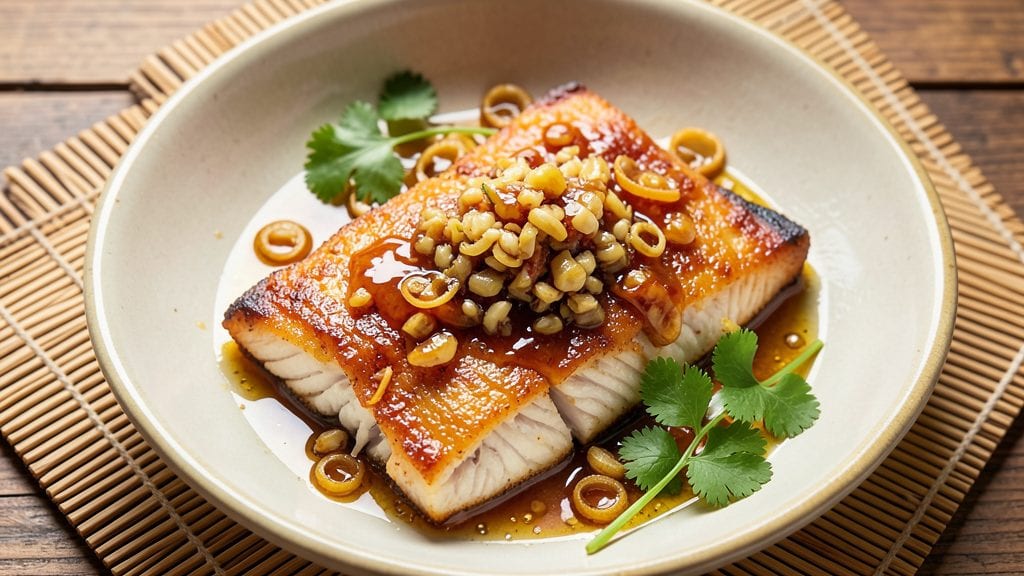
Mastering Chinese fried fish fillet means achieving that signature crispy cornstarch crunch with a delicate interior—something that takes precision but delivers restaurant-quality results at home.
The secret lies in a light cornstarch coating that creates a shatteringly crisp exterior while keeping the fish tender inside, all finished with a light soy glaze that balances sweetness and umami. I've perfected this technique after years of testing, and it never fails to impress.
What makes this recipe stand out is the two-step process: first, a simple marinade enhances the fish's natural flavor, then a thin cornstarch batter ensures that signature crunch without overwhelming the delicate flesh.
The frying technique is equally critical—maintaining the right oil temperature guarantees even cooking, while the soy glaze adds that authentic Chinese restaurant finish. This method transforms simple fillets into a dish worthy of any dinner table.
By following these steps, you'll achieve fish with a golden, crispy exterior that shatters at the touch and a tender, flaky interior that melts in your mouth.
The light soy glaze adds a subtle sweetness that complements the crispy texture perfectly, creating a balance of flavors that's both satisfying and elegant. Whether served with steamed rice or stir-fried vegetables, this dish delivers authentic Chinese restaurant quality in your own kitchen.
The beauty of this recipe is its versatility—it works with a variety of white fish fillets, making it adaptable to whatever you have on hand. The technique is foolproof once you understand the key steps, and the results are consistently impressive.
Let's get started on creating this crispy, flavorful masterpiece that will have everyone asking for seconds.
Ingredients for chinese fried fish fillet
Precision ingredients create that signature restaurant-quality crispy crunch with delicate fish inside.
| Ingredient | Amount | Notes |
|---|---|---|
| White Fish Fillets 🐟 | 1 ½ lb | Cod, tilapia, or haddock preferred |
| All-Purpose Flour 🌾 | ½ cup | For dredging before cornstarch |
| Cornstarch 🌽 | 1 cup | Lightly toasted for extra crisp |
| Large Eggs 🥚 | 2 whole | Room temperature for even coating |
| Vegetable Oil 🫒 | 3 cups | High smoke point preferred |
| Light Soy Sauce 🍶 | ¼ cup | For marinade and glaze |
| Rice Vinegar 🍶 | 1 tbsp | White or seasoned |
| Minced Garlic 🧄 | 3 cloves | Freshly minced for marinade |
| Ginger Root 🌿 | 1 tbsp | Freshly grated |
| Sesame Oil 🫒 | 1 tsp | For finishing |
| Diamond Crystal Kosher Salt 🧂 | 1 tsp | For seasoning |
| Ground White Pepper 🌶️ | ¼ tsp | Freshly ground preferred |
| Cornstarch 🌽 | ¼ cup | Extra for final dusting |
| Green Onions 🧅 | 2 whole | Thinly sliced for garnish |
The fish selection is critical—opt for firm white fillets like cod or haddock, which hold their shape during frying. Whole Foods or local seafood markets offer the freshest cuts; look for fillets with vibrant color and minimal odor. Cornstarch is non-negotiable for that signature crunch—Bob's Red Mill brand works exceptionally well. For the soy glaze, Kikkoman light soy sauce delivers the perfect balance of umami without overpowering. The eggs should be room temperature when coating the fish to ensure an even, crack-free batter. Fresh ginger and garlic elevate the marinade, so avoid pre-minced jars—the flavor degrades quickly.
Running low on cornstarch? Arrowroot powder at equal measure provides a similar crispy texture, though with slightly less crunch. No light soy sauce? Substitute with half dark soy sauce and half regular soy sauce, but reduce by 20% due to intensity. Pre-minced garlic or ginger? Toast them briefly in a dry pan first to revive their flavor. For the oil, vegetable or canola oil works best—avoid olive oil as its low smoke point can make the batter greasy. If you lack sesame oil, toasted sesame seeds sprinkled at the end offer a similar aromatic finish. The green onions can be omitted entirely if you prefer a cleaner presentation.
Store leftover fish in an airtight container for up to 2 days, but it's best enjoyed fresh. The cornstarch coating loses crispiness when reheated, so plan to fry only what you'll serve immediately. For the marinade components (soy sauce, vinegar, garlic, ginger), they keep in the fridge for 1 week or can be frozen for 3 months. To maintain crispiness during service, keep the fried fish on a wire rack over a baking sheet rather than a plate—this prevents sogginess from steam buildup. The glaze can be pre-mixed and stored for 5 days, though adding a splash of water before use ensures proper consistency.
Why You'll Love This Recipe
- Here’s what sold me: the double-coat of flour and cornstarch delivers a golden, almost lacy crust while the inside stays flaky. It’s the kind of texture that makes you slow down mid-bite—no soggy edges here.
- No-Fuss Breading: I swear by the cornstarch trick—just toss the fillets in flour, dip in beaten egg, then roll in cornstarch. That extra step? Worth it for the shatteringly crisp crust that doesn’t require marinating or fancy techniques.
- Lunchbox Hero: Between us, this is my go-to for packed lunches. Fry a batch on Sunday, let them cool, and toss them in containers with rice or veggies. They reheat like a dream (or eat cold—no judgment) and still taste fresh.
- Budget Crunch: White fish fillets are affordable, and this recipe stretches them further than you’d think. A single egg and a bag of flour cover multiple servings, making it my secret weapon for feeding the family without breaking the bank.
Step-by-step instructions for crispy cornstarch-crusted fish fillets
Master this technique for restaurant-quality texture and balance every time.
Prepare the Marinade and Season the Fish
In a mixing bowl, combine the 0.25 cup light soy sauce, 1 tablespoon rice vinegar, 3 cloves minced garlic, and 1 tablespoon freshly grated ginger root. Whisk until fully dissolved, then transfer half of this marinade to a shallow dish. Place the 1.5 lb white fish fillets in this dish and let them marinate for 15-20 minutes at room temperature.
While the fish marinates, lightly toast the 1 cup cornstarch in a dry skillet over medium heat for 2-3 minutes, stirring constantly, until it turns a pale golden color and smells nutty. This toasting enhances the crispiness of the crust. Transfer the toasted cornstarch to a shallow bowl and set aside. In another bowl, whisk the 2 whole large eggs until frothy but not fully emulsified.
Create the Double-Crust Coating System
Remove the fish from the marinade and pat it dry with paper towels—this is critical for achieving a crispy crust. Season each fillet generously with 1 teaspoon diamond crystal kosher salt and 0.25 teaspoon ground white pepper. Dredge each fillet first in the 0.5 cup all-purpose flour, shaking off any excess, then dip into the beaten eggs, allowing any excess to drip off.
Finally, press each fillet into the toasted 1 cup cornstarch, coating both sides evenly. The double crust—flour for adhesion and cornstarch for crispiness—ensures a perfect texture. Place the coated fillets on a wire rack set over a baking sheet and let them rest for 5 minutes. This resting period allows the cornstarch to adhere firmly and prevents the coating from falling off during frying.
Fry to Golden Perfection
Heat 3 cups vegetable oil in a deep skillet or Dutch oven to 350°F—use a thermometer to ensure accuracy. Fry the fish fillets in batches, being careful not to overcrowd the pan, for 3-4 minutes per side until they are deep golden brown and crispy. The oil should sizzle gently but not smoke excessively. Use a fish spatula or tongs to flip the fillets carefully, as the coating is delicate.
Transfer the fried fillets to a wire rack set over a paper towel-lined plate to drain excess oil. The fish should maintain its shape and crispiness as it drains. Keep the oil at 350°F for the next batch, as maintaining consistent temperature is key to achieving even cooking and crispiness.
Finish with Soy Glaze and Garnish
Return the fried fillets to the skillet and pour the remaining 0.25 cup light soy sauce and 1 teaspoon sesame oil over them. Tilt the skillet and spoon the sauce evenly over the fish, allowing it to glaze for 1-2 minutes until it forms a shiny, sticky coating. This step adds depth of flavor and enhances the visual appeal.
Remove the fillets from the skillet and garnish each with thinly sliced green onions. Serve immediately while the crust is still crispy and the glaze is warm. The contrast between the crunchy exterior and tender fish inside, combined with the savory-sweet glaze, makes this dish truly exceptional.
Pro Tips For Making Chinese Fried Fish Fillet
- PAT THE FILLETS DRY: Skip the soggy crust by blotting each fillet with paper towels—really press down, especially thick cuts. Wet fish = steam = sad, limp coating. I learned this after frying a batch where the crust fell off like wallpaper in a rainstorm.
- MIX FLOUR AND CORNSTARCH: Combine the flour and cornstarch before dredging—about 3 parts flour to 1 part cornstarch—so the coating sticks evenly. I used to do them separately, and half the fillets ended up lopsided. This keeps the texture crispy and light.
- FRY IN BATCHES: Crowd the pan, and the oil temperature drops faster than your patience. Fry 2 fillets max at a time in 350°F (175°C) oil—enough space to wiggle them without splashing. My first attempt turned into a greasy, uneven mess because I tried to rush it.
- REST THE FILLETS 10 MINUTES: Let the fillets sit uncovered on a rack after frying—yes, even if you’re starving. This prevents the crust from softening into a gluey mess when you plate it. I skipped this once and ended up with fish that tasted like it had been dipped in oil twice.
Regional styles of this chinese fried fish fillet
Cantonese Style
In Cantonese cuisine, this dish often features thin, delicate fish fillets like flounder or snapper, lightly battered with a focus on crispness rather than thickness. The batter typically includes rice flour instead of cornstarch, creating a lighter, almost translucent crust.
I’ve found that adding a pinch of baking soda (¼ tsp) to the batter helps achieve that signature crispiness without overpowering the fish’s natural flavor. Serve with steamed jasmine rice and a side of quick-pickled cucumbers to balance the richness. 🍱
Sichuan Spicy Twist
For a fiery Sichuan variation, add 1 tsp chili oil and ½ tsp Sichuan peppercorns (lightly toasted and ground) to the marinade. The peppercorns add a numbing heat that pairs perfectly with the crispy crust.
Top with thinly sliced jalapeños and a drizzle of chili crisp for an extra kick. This version works best with firm white fish like cod, which can handle the bold flavors. 🌶️
Fuzhou Sweet-Savory
Fuzhou-style fried fish often includes a sweet and tangy glaze, made by reducing ½ cup light soy sauce with 2 tbsp brown sugar and 1 tbsp Shaoxing wine until syrupy. Brush this glaze over the fried fish just before serving.
The dish is typically garnished with crispy fried shallots and cilantro for added texture and aroma. This style is lighter on the cornstarch, using a 50/50 mix of cornstarch and rice flour for a delicate crunch. 🍯
Hong Kong Street Food
In Hong Kong, fried fish is a staple street food, often served in cone-shaped fried dough wrappers (like egg tarts) or with crispy potato sticks. The batter here is extra light, using whipped egg whites instead of whole eggs for a crispier texture.
For an authentic touch, add 1 tsp maltose powder (available in Asian markets) to the batter for a glossy, golden finish. Serve with sweet chili sauce for dipping. 🍢
Taiwanese Soy-Braised
Taiwanese fried fish often includes a soy-braised element, where the fish is lightly fried first, then simmered in a sweet soy glaze with star anise and cinnamon for warmth.
The glaze is made by reducing ¼ cup soy sauce, 1 tbsp honey, and 1 star anise pod until thickened. This method works beautifully with salmon or sea bass, adding a fragrant depth to the dish. Garnish with toasted sesame seeds for extra crunch. 🌿
Modern Fusion Adaptation
For a contemporary twist, try a lemon-herb fusion by adding 1 tbsp lemon zest and 1 tbsp chopped dill to the cornstarch coating.
Use olive oil instead of vegetable oil for frying, and finish with a yogurt-dill sauce (mix ¼ cup Greek yogurt, 1 tbsp lemon juice, and 1 tbsp chopped dill). This version keeps the crispy texture while introducing bright, fresh flavors. Perfect for a lighter, summer-friendly dish! 🍋
Nutrition facts
Frequently asked questions
What type of fish works best for this crispy coating?
Firm white fish like cod, tilapia, or haddock are ideal—they hold their shape during frying and stay tender inside. Avoid delicate fish like sole, which can tear easily. For extra flavor, try salmon or sea bass in regional variations like Taiwanese soy-braised style.
Why does my fried fish turn out greasy instead of crispy?
Greasy results usually mean the oil temperature was too low (350°F is critical) or the fish wasn't fully dried before coating. Pat fillets thoroughly with paper towels after marinating, and maintain oil temp with a thermometer. Overcrowding the pan also drops temperature—fry in batches!
Can I bake this instead of frying for a healthier version?
Yes! Preheat oven to 425°F, spray a rack with oil, and place coated fillets on it. Bake for 12-15 minutes until golden. For crispiness, broil for 1-2 minutes at the end. The texture won't be identical, but it's a lighter alternative with 80% less oil.
How do I keep the coating from falling off during frying?
Let coated fillets rest on a wire rack for 5 minutes before frying—this helps the cornstarch adhere. Avoid moving them too soon after coating, and use a slotted spatula to flip carefully. The double crust (flour + cornstarch) is key—skip shortcuts like skipping the flour step.
What's the best way to reheat leftover fried fish?
Reheat in a 350°F oven for 5-6 minutes on a wire rack to maintain crispiness. Avoid microwaving—the coating becomes soggy. For extra crunch, sprinkle with extra cornstarch before reheating. Leftovers are best enjoyed within 2 days for optimal texture.