
Main Courses
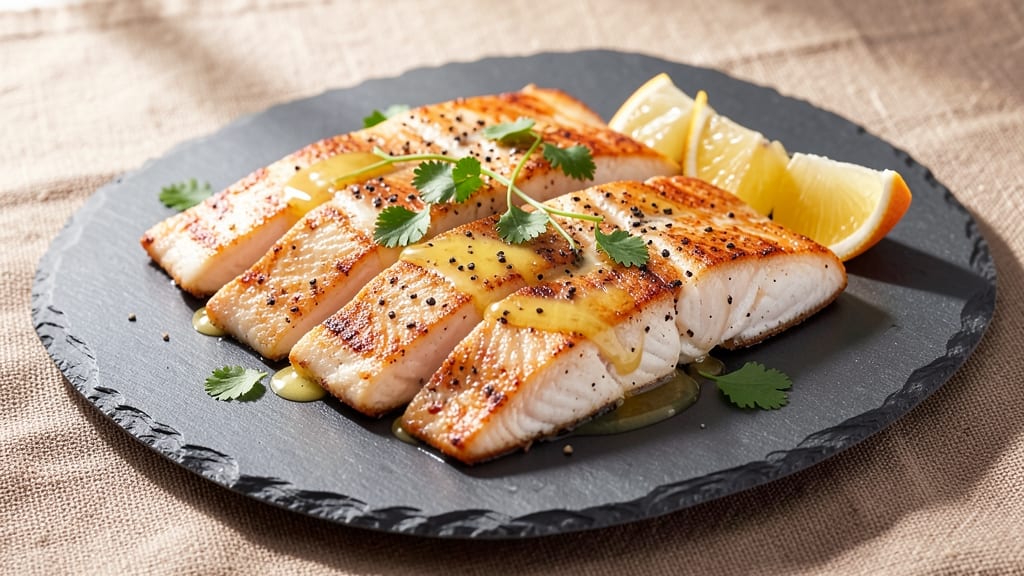
Pan-searing Costco mahi mahi creates a crispy golden crust that locks in tender, flaky flesh—this recipe transforms bulk fish into a restaurant-worthy centerpiece with just butter, lemon, and precise timing.
I learned the hard way that mahi mahi's delicate texture demands respect: one minute too long turns it rubbery, but nail the technique, and you'll get that perfect contrast of crunchy exterior and melt-in-your-mouth interior every time.
The secret lies in two simple steps: patting the fish bone-dry before searing and using a hot, oiled pan to create that signature crust. Costco's vacuum-packed mahi mahi stays fresher longer, but if yours has freezer burn, trim those spots—they won't affect flavor but can make the crust uneven.
A squeeze of fresh lemon at the end brightens the dish without overpowering the fish's natural sweetness.
What you'll achieve is mahi mahi that looks like it belongs on a seafood platter: golden-brown edges, tender white flesh that flakes easily, and a citrusy aroma that fills your kitchen. The butter bastes the fish as it cooks, adding richness while the lemon zest infuses just enough zing.
Serve with a simple arugula salad or roasted potatoes to let the fish shine as the star of the meal.
This recipe works perfectly for weeknight dinners when you want something elegant without fuss, or for Sunday suppers when you're feeding a crowd. The method scales easily—just adjust your pan size—and the leftovers reheat beautifully for lunch the next day.
Let's get started with this foolproof technique that turns Costco's bulk purchase into your go-to protein.
Ingredients for costco mahi mahi
Four ingredients transform Costco's bulk mahi mahi into a crispy, buttery masterpiece.
| Ingredient | Amount | Notes |
|---|---|---|
| Costco Mahi Mahi Fillets 🐟 | 1 ½ lb | Vacuum-packed, skin-on preferred |
| Unsalted Butter 🧈 | 4 tbsp | Cold, cut into pieces |
| Extra-Virgin Olive Oil 🫒 | 1 tbsp | For pan searing |
| Fresh Lemon 🍋 | 1 whole | Zest and juice reserved |
| Kosher Salt 🧂 | 1 tsp | Fine grain preferred |
| Freshly Ground Black Pepper 🌶️ | ½ tsp | Coarse grind |
| Garlic Cloves 🧄 | 2 cloves | Minced for finishing |
| Fresh Parsley 🌿 | ¼ cup | Chopped, for garnish |
| All-Purpose Flour 🌾 | 2 tbsp | For dredging (optional) |
The mahi mahi makes or breaks this dish. Costco's vacuum-packed fillets stay fresher longer, but check for freezer burn—trim those spots before cooking. Skin-on fillets give you extra crunch, but skinless works too. I grab mine from the seafood counter at Whole Foods when I'm feeling fancy, but the Costco brand is perfect for this recipe. Look for fillets that are firm to the touch and have a clean, ocean-like smell. If yours smells fishy, give it a quick soak in milk for 10 minutes to freshen it up.
No extra-virgin olive oil? Avocado oil or vegetable oil works just as well for searing. Fresh lemon is ideal, but bottled lemon juice at half the amount gets you close. Want more flavor? Add a pinch of smoked paprika or Old Bay seasoning to the butter. The flour dredge is optional—skip it if you prefer a lighter crust. If you're cooking a larger batch, use a cast-iron skillet or divide the fish between two pans to avoid overcrowding. The butter should foam but not brown—if it starts smoking, reduce the heat slightly.
This fish reheats beautifully—just warm in a skillet with a splash of water for 2-3 minutes. Store leftovers in an airtight container for up to 2 days in the fridge. The lemon zest and parsley can be prepped ahead and stored in the fridge for 3 days. For a crowd, double the recipe—just make sure your pan is big enough to keep the heat high. The crust loses crispness when reheated, so serve it fresh whenever possible.
Why You'll Love This Recipe
- Five-Ingredient Magic: I swear, this recipe feels like cheating—just butter, oil, lemon, salt, and those Costco fillets. That’s it. No fancy marinades or last-minute shopping runs.
- Butter-Lemon Bliss: The moment the mahi hits the pan with butter and lemon, my kitchen smells like a seaside bistro. Crispy edges, tender inside, and that bright citrus cut—it’s the kind of flavor that makes you pause mid-bite.
- Weeknight to Dinner Party: Same recipe, totally different vibes. Toss it on the table for a lazy Tuesday or impress guests with zero extra effort. The fillets are big enough to feed a crowd, but the method stays simple.
- Budget-Friendly Feast: Costco’s mahi is a steal—you get more fillets for less than half the price of the grocery store. That means leftovers for lunches, or enough for two meals without breaking the bank. Win.
Step-by-step instructions for Costco mahi mahi recipe
Here's how to transform Costco's mahi mahi into restaurant-quality pan-seared fillets with crispy edges and bright lemon butter sauce.
Prepare the Mahi Mahi and Seasoning
Pat the 1.5 lb Costco Mahi Mahi Fillets completely dry with paper towels—this is crucial for crispy skin. I like to press firmly to remove all moisture, especially along the edges where you'll get that golden crust. Season both sides generously with the 1 tsp Kosher Salt and 0.5 tsp Freshly Ground Black Pepper, pressing the seasoning into the flesh so it adheres well.
For extra flavor, rub the fillets lightly with the zest from the 1 whole Fresh Lemon. The oils in the zest will infuse into the fish while it cooks, giving you that bright citrus aroma. Let the seasoned fillets sit at room temperature for 15 minutes while you prepare the rest—this ensures even cooking from edge to center.
Create the Buttery Pan Sear
Heat a large skillet over medium-high heat until it's very hot. Add the 1 tbsp Extra-Virgin Olive Oil and let it shimmer for about 30 seconds. Then add 2 tbsp of the 4 tbsp Unsalted Butter cut into pieces—this creates a flavorful, foaming butter as it melts. You want the butter to foam and then settle into a thin, even layer before adding the fish.
Working in batches if needed (to avoid crowding), carefully place the mahi mahi fillets in the skillet. Press down gently on each fillet during the first minute—this prevents curling and ensures even contact with the pan. Cook for 3-4 minutes per side until the fish develops golden brown spots and the edges begin to crisp. The center should still look slightly translucent when done.
Finish with Lemon Butter Sauce
Remove the fillets from the skillet and set them aside to rest. Reduce the heat to medium and add the remaining 2 tbsp Unsalted Butter to the pan. Let it melt completely, then pour in the juice from the 1 whole Fresh Lemon (about 2-3 tablespoons). Add the 2 cloves Garlic Cloves and cook for 30 seconds until fragrant—don't let the garlic brown or it'll become bitter.
Return the mahi mahi fillets to the skillet and spoon the lemon butter sauce over them. Let everything heat through together for about 1 minute, just enough to warm the sauce without overcooking the fish. The sauce should coat the fillets beautifully, creating that signature buttery lemon finish.
Garnish and Serve Immediately
Transfer the fillets to serving plates and sprinkle generously with the 0.25 cup Fresh Parsley. The parsley adds a fresh contrast to the rich butter and bright lemon flavors. For an optional crispy texture, you can lightly dredge the fillets in the 2 tbsp All-Purpose Flour before cooking—this creates a delicate crust that adds another layer of texture.
Serve the mahi mahi immediately while it's still warm and the sauce is glossy. The fillets should be tender with a crispy golden crust, and each bite should deliver that perfect balance of buttery richness and bright citrus. Pair with steamed vegetables or a fresh salad to complete the meal.
Pro Tips For Making Costco Mahi Mahi
- Pat Dry First: Costco mahi fillets are often slick from packaging—wipe them down with paper towels before seasoning. This guarantees the butter sticks and crisps instead of sliding off like you’re greasing a nonstick pan.
- Butter in Stages: Don’t dump all the butter on at once. Start with a thin layer of olive oil over medium-high heat, then add half the butter to melt and brown. Finish with the rest—this keeps the fish from steaming instead of searing.
- Salt Before Heat: Season the fillets with kosher salt before they hit the pan. The salt needs 5–10 minutes to work its magic, and if you wait, you’ll end up with bland edges no matter how much you salt after.
- Lemon Zest, Not Just Juice: The juice is good, but scrape the zest off a fresh lemon first and sprinkle it over the fish while it cooks. That bright, citrusy aroma wakes up the butter and makes the dish taste like it came from a seaside bistro.
Make-ahead tips for leftovers
Prep Ahead for Crowds
Costco mahi mahi is perfect for feeding groups—just scale up the recipe by doubling or tripling the ingredients. I recommend prepping the lemon zest and chopped parsley the night before and storing them in airtight containers in the fridge. This saves 15 minutes of prep time on busy days.
For the fish itself, pat it dry and season it up to 4 hours ahead, then refrigerate uncovered on a wire rack. This keeps the surface extra dry for that coveted crust. 🌟
Freezer-Friendly Prep
If you're planning ahead for a meal, you can portion and freeze the mahi mahi before cooking. Wrap individual fillets in parchment paper, then place them in a freezer bag with all the air squeezed out. Label with the date—these keep for up to 3 months.
When ready to cook, thaw overnight in the fridge, then pat completely dry before searing. The texture stays just as tender as fresh fish when handled this way.
Sauce Prep Shortcut
Make the lemon butter sauce ahead of time to streamline cooking day. Melt 2 tbsp butter, mix in 2 tbsp lemon juice, and store in a small jar in the fridge for up to 3 days. Just reheat gently in the skillet before adding the cooked fish.
For extra flavor, add a pinch of Old Bay seasoning or smoked paprika to the sauce mixture. This works especially well for weeknight dinners when you want minimal effort but maximum flavor.
Reheating Leftovers
Leftover mahi mahi reheats beautifully in a skillet—just add 1 tbsp water or butter and warm over medium-low heat for 2-3 minutes per side. The crust won't be as crispy, but the fish stays tender and flavorful. For a quick lunch, serve with pre-cooked quinoa or a simple salad.
If you prefer microwave reheating, cover with a damp paper towel and heat for 45 seconds on medium power. The sauce might separate slightly, so give it a quick stir before serving. 💡
Make-Ahead Serving Plates
For Sunday dinners or special occasions, arrange all your components on serving plates ahead of time. Spread out the arugula salad, roasted potatoes, and lemon wedges on individual plates. When the mahi mahi is ready, simply transfer the fillets to the plates and spoon the sauce over them.
This keeps everything hot and fresh while you finish garnishing. I love doing this when hosting—it makes serving feel effortless and impressive. 🍽️
Storage Tips for Freshness
Store cooked mahi mahi in an airtight container with a piece of parchment paper between layers to prevent sticking. It keeps well in the fridge for 2 days and freezes for up to 1 month if properly wrapped.
For extra freshness, add a lemon wedge to the container—it helps preserve the bright flavor. When reheating from frozen, thaw in the fridge overnight first for best results. The fish's delicate texture holds up surprisingly well when stored this way. ❄️
Nutrition facts
Frequently asked questions
How do I know when Costco mahi mahi is fresh?
Look for fillets that are firm to the touch and have a clean, ocean-like aroma—not overly fishy. The flesh should be translucent with a slightly pearlescent sheen. If you see freezer burn or a dull gray color, trim those areas before cooking. Fresh mahi mahi should spring back when pressed gently, never feel mushy.
Can I cook mahi mahi from frozen?
Yes, but thaw it properly first! Transfer frozen fillets to the fridge 24 hours before cooking. Never thaw at room temperature—this promotes bacterial growth. For a quick fix, use the cold water method: seal the package and submerge in cold water, changing the water every 30 minutes until thawed. Pat completely dry before searing to get that perfect crust.
What if my mahi mahi sticks to the pan?
This usually happens if the pan isn't hot enough or the fish isn't dry. Make sure your skillet is screaming hot before adding oil, and press the fillets down firmly during the first 30 seconds of cooking. A nonstick skillet helps, but even cast iron works if you keep the heat medium-high. If it still sticks, your fish might be too wet—pat it again with paper towels.
How do I adjust this recipe for a crowd?
Double or triple the ingredients, but use two pans instead of overcrowding one. For 8 servings, buy 3 lbs of mahi mahi and increase butter to 8 tbsp. Prep the lemon zest and parsley ahead, and consider using a grill or grill pan for larger batches. Cook in batches of 2 fillets per pan to maintain crispiness.
What are the best sides for this mahi mahi recipe?
Light, bright sides let the fish shine. Try garlic butter green beans, roasted asparagus with lemon, or a simple arugula salad with balsamic glaze. For heartier options, serve with herb-roasted potatoes or couscous with toasted almonds. Avoid heavy sauces—they can overpower the delicate fish.