
Desserts
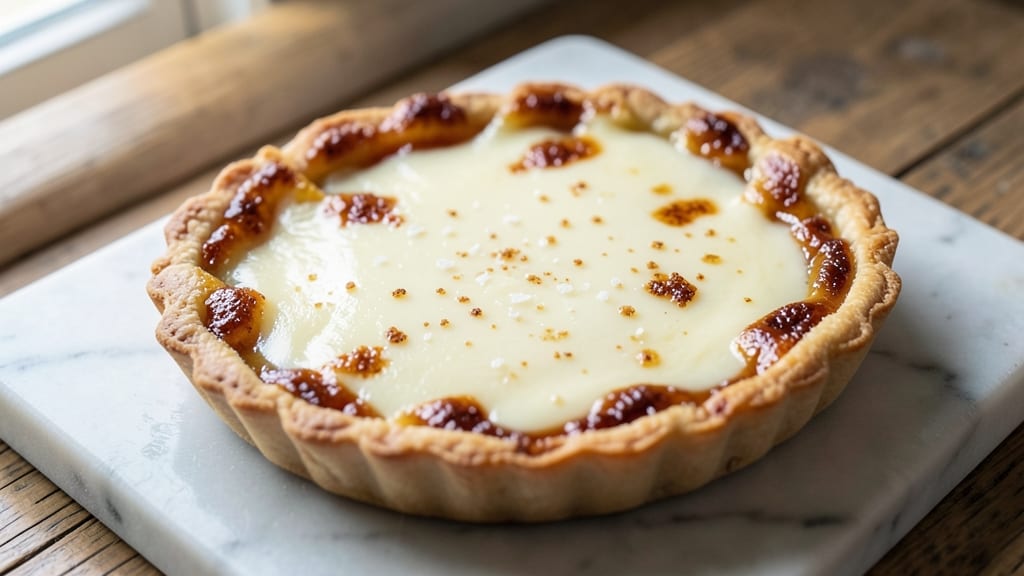
The perfect egg custard tart filling balances silky richness with a subtle vanilla infusion and a golden caramel base—this is the foundation every great custard tart deserves. I’ve refined this recipe over years of baking, ensuring it achieves that ideal texture: smooth without graininess, set without cracking.
The secret lies in precise temperature control and slow baking to develop deep flavor.
This custard requires just six core ingredients—eggs, milk, sugar, cornstarch, vanilla, and a touch of salt—but the technique matters most. We’ll temper the eggs carefully to prevent curdling, then bake at a consistent 325°F until just set, so it remains velvety rather than rubbery.
The result is a filling that’s firm enough to hold its shape yet melts luxuriously in your mouth.
What sets this apart is the caramelized bottom layer that forms during baking—a professional touch that elevates homemade custards to restaurant quality. The vanilla infusion adds warmth without overpowering, creating a balanced flavor profile that pairs beautifully with tart shells or berry compotes.
This filling transforms any tart into a showstopper.
Troubleshooting is built into the method: if the custard cracks, reduce baking time by 5 minutes next time, and for extra smoothness, whisk vigorously after baking. Store leftovers in an airtight container for up to three days, though I promise it won’t last that long.
Ingredients for egg custard tart filling
Six ingredients transform into restaurant-quality custard tart filling—silky yet firm, with a golden caramel base.
| Ingredient | Amount | Notes |
|---|---|---|
| Large Eggs 🥚 | 6 whole | Room temperature, separated yolks and whites |
| Whole Milk 🥛 | 2 cups | Full-fat for creamiest texture |
| Granulated Sugar 🍚 | 1 cup | White or light brown preferred |
| Cornstarch 🌾 | ¼ cup | For silky smoothness, not flour |
| Pure Vanilla Extract 🌿 | 1 tbsp | High-quality Madagascar bourbon |
| Fine Sea Salt 🧂 | ¼ tsp | Kosher or diamond crystal preferred |
| Unsalted Butter 🧈 | ½ cup | Cold, cubed for caramel base |
| Brown Sugar 🍚 | ¼ cup | Packed, for caramelization |
The eggs are the heart of this custard, so use large, fresh eggs—they emulsify better. Room temperature eggs blend more smoothly, preventing lumps. For the milk, whole milk yields the richest texture, though 2% works in a pinch. Cornstarch is non-negotiable here—it creates that signature velvety mouthfeel flour can't match. I recommend Bob's Red Mill cornstarch for its fine grain, but any food-grade cornstarch will do. The vanilla extract should be pure Madagascar bourbon—imitation extracts taste artificial. For the caramel base, unsalted butter and brown sugar create that perfect balance of sweetness and depth.
No vanilla extract on hand? Vanilla bean paste at double the amount works beautifully, though it adds slight thickness. Running short on cornstarch? Arrowroot powder at the same quantity is a 1:1 substitute. For a richer custard, substitute half the milk with heavy cream, though it will be slightly heavier. The butter can be swapped for European-style cultured butter if you prefer a tangier flavor. If you're baking multiple tarts, pre-mix the dry ingredients (sugar, cornstarch, salt) in a small bowl to save time during assembly. The custard's texture relies on precise ratios—don't eyeball the cornstarch or sugar.
This custard should be baked immediately after assembly for best results, but you can prepare the filling up to 24 hours ahead and refrigerate it. Once baked, store in an airtight container for 3 days in the fridge, though it's best enjoyed within 24 hours. For longer storage, freeze in single portions—thaw overnight in the fridge before using. The caramelized base adds a professional touch, but if you prefer a cleaner look, reduce baking time by 5 minutes and add a thin layer of jam or jam glaze before serving. The custard reheats beautifully—just warm gently in the oven at 300°F for 10-15 minutes.
Why You'll Love This Recipe
- Five-Ingredient Magic: This filling comes together with just eggs, milk, sugar, cornstarch, and vanilla—no fancy ingredients, no stress. I swear by this combo because it’s the real deal: rich, creamy, and foolproof every single time.
- Silky Smooth Payoff: That first bite? Pure velvet. The cornstarch thickens it just right, while the whole milk keeps it luscious—not too sweet, not too heavy. Honestly, the vanilla ties it all together like a whisper of sunshine in your mouth.
- Weeknight or Wows: Make a double batch on Sunday, and you’ve got dessert for breakfast meetings, potlucks, or midnight cravings. The filling holds up beautifully—whether you’re filling tarts, baking a pie, or just eating it straight from the pan.
- Budget-Friendly Luxury: Eggs, milk, sugar—these are pantry staples that won’t break the bank. I’ve made this filling for years, and it’s always the crowd-pleaser, no matter the occasion. Plus, leftovers? They disappear faster than I can say “seconds.”
Step-by-step instructions for egg custard tart filling
Master this classic custard technique for a velvety texture and rich caramel foundation.
Create the Caramel Base
In a heavy-bottomed saucepan, melt the 0.5 cup unsalted butter over medium-low heat until fully liquid. Remove from heat and immediately stir in the 0.25 cup packed brown sugar. The mixture will bubble vigorously—this is normal. Let it cook undisturbed for 3-4 minutes until it turns a deep amber color and begins to thicken slightly.
Here's the thing—this caramel base is what gives your custard that signature depth. If it darkens too quickly, reduce the heat slightly. You want it golden brown, not burnt. Once ready, remove the pan from heat completely and set aside. This caramel will form the flavor foundation for your entire custard.
Whisk Egg Yolks and Dry Ingredients
In a separate large bowl, whisk together the 6 whole large egg yolks, 1 cup granulated sugar, 0.25 cup cornstarch, and 0.25 teaspoon fine sea salt until completely smooth and pale yellow. This mixture should be uniform with no visible lumps—cornstarch is your thickening agent, so proper dispersion is critical. The yolks should be fully incorporated with the sugar, creating a slightly thick, custard-like consistency.
I like to use a whisk for this step because it incorporates air gently while preventing gluten development from over-mixing. If you notice any sugar granules remaining, press them against the bowl with the back of your spoon to dissolve completely. This ensures even distribution throughout the custard when we combine everything.
Temper the Egg Mixture
Slowly pour the 2 cups whole milk into the yolk mixture while whisking constantly. This gradual addition prevents the eggs from scrambling from the heat of the milk. The mixture will thicken slightly as you combine them—this is normal. Once fully incorporated, return the mixture to the saucepan containing the caramel base over medium-low heat.
Here's where precision matters: keep the heat at medium-low and stir continuously with a wooden spoon or silicone spatula. You're looking for a slow, steady thickening—about 5-7 minutes—until the custard reaches 170°F on an instant-read thermometer. This temperature ensures proper cooking without curdling. The mixture should coat the back of your spoon but still be pourable.
Add Vanilla and Finish Cooking
Remove the custard from heat and stir in the 1 tablespoon pure vanilla extract. Let it sit for 2-3 minutes to allow the vanilla's aromatic compounds to fully infuse. The custard should now be thick but still smooth. If you notice any graininess at this stage, strain it through a fine-mesh sieve into a clean bowl to ensure silky texture.
This is the moment that matters: the custard needs to thicken further as it cools. For best results, spread it out in a thin layer on a baking sheet and let it cool to room temperature while stirring occasionally. This prevents a skin from forming and ensures even consistency. Once cooled, it should be thick enough to hold its shape when spooned but still spreadable.
Prepare for Baking
Transfer the cooled custard to a pastry bag fitted with a plain tip for easy filling. The filling should be smooth, glossy, and hold its shape when piped. If it's too thick, warm it gently over a double boiler for 1-2 minutes while stirring until it reaches a spreadable consistency. This custard is now ready to be piped into your tart shells.
For best results, use the filling immediately after preparing. The custard will continue to thicken as it bakes, creating that signature silky texture. If you need to store it, cover tightly with plastic wrap pressed directly onto the surface to prevent skin formation. Reheat gently before using to maintain its velvety consistency.
Pro Tips For Making Egg Custard Tart Filling
- Whisk Eggs Cold: Reach for cold eggs straight from the fridge—room temp eggs release too much liquid too fast, and you’ll end up with a watery filling. Crack them into a bowl first, then whisk with the milk and sugar while still chilled. I learned this the hard way after making custard that separated like a sad pudding.
- Bloom Cornstarch Dry: Never just toss cornstarch into wet ingredients—it clumps like a stubborn child. Mix it with 1 tablespoon of sugar first, then whisk in the milk. This ensures a silky texture, not a lumpy mess. (Yes, even if you’re impatient like me.)
- Strain Before Pouring: If you’re using whole milk with a hint of fat on top, skim it off or strain the mixture through a fine-mesh sieve before baking. That extra fat can make the custard greasy instead of velvety. I skip this sometimes, but the difference is noticeable.
- Bake Until Jiggly: Pull the tart out when the center still wobbles like a newborn fawn—overbaking turns custard into rubber. If unsure, press the center with a finger: it should jiggle slightly but not be liquid. (Your future self will thank you.)
Regional styles of egg custard tart filling
French Classic Crème Pâtissière
The French version of this custard tart filling is called crème pâtissière, and it’s the foundation of countless French pastries. Here, the custard is often enriched with a touch of vanilla bean (not just extract) and a splash of rum for depth.
I use 5 whole eggs instead of 6 to keep it lighter, and I reduce the sugar slightly to ¾ cup to balance the richness. The key technique? Cooking the custard to 185°F for a firmer set, perfect for filling éclairs or tarts Tatin. 🥖
British Lemon Curd Custard
In British baking, custard tarts often incorporate lemon curd for a tangy twist. I replace half the vanilla with 2 tablespoons of lemon curd (homemade or store-bought) and add a pinch of zest for brightness.
The milk is swapped for half cream to create a lighter texture, and the baking time is reduced to 20-25 minutes at 325°F to prevent overcooking. This version pairs beautifully with shortcrust pastry and a dusting of powdered sugar. 🍋
Italian Panna Cotta Style
For an Italian-inspired custard tart, I blend the classic custard with gelatin to create a panna cotta-like texture. Start by preparing the custard as directed, then dissolve 1 teaspoon unflavored gelatin in 2 tablespoons cold water before folding it into the warm custard.
Chill the mixture in the tart shells for 4 hours before serving. Top with berries and a drizzle of honey for a refreshing dessert. The gelatin gives it a silky, almost mousse-like consistency. 🍯
Spanish Crema Catalana Twist
Inspired by crema catalana, this version incorporates cinnamon and a caramelized sugar topping. After baking the custard, sprinkle ¼ cup granulated sugar over the top and torch it with a kitchen torch or broil for 2-3 minutes until golden.
A pinch of cinnamon in the custard adds warmth, and a dash of orange blossom water (½ teaspoon) elevates the flavor. Serve with cinnamon sticks for garnish. 🔥
Japanese Matcha Green Tea Custard
For a vibrant twist, replace the vanilla with 1 tablespoon matcha powder (sifted to avoid clumping) and reduce the sugar to ¾ cup. The matcha adds a subtle earthiness that pairs beautifully with the custard’s richness.
Bake the tarts as usual, then dust with powdered sugar and a sprinkle of toasted sesame seeds before serving. This version is perfect for tea lovers and adds a stunning green hue to the filling. 🍵
American Butterscotch Caramel
This Southern-inspired variation swaps vanilla for 1 tablespoon butterscotch extract and adds an extra 2 tablespoons brown sugar to the caramel base. The custard is baked until firm, then topped with a butterscotch glaze (melted butter + powdered sugar + extract).
The result is a decadent, caramelized custard with a buttery-sweet finish. Serve with vanilla ice cream for a classic American dessert. 🍬
Nutrition facts
Frequently asked questions
Why does my custard filling crack during baking?
Cracking happens when the custard cools too quickly or the oven temperature fluctuates. To prevent it, ensure your tart shells are pre-baked and cooled completely, and bake at a consistent 325°F without opening the oven door. For extra insurance, chill the custard for 30 minutes after filling before baking.
Can I make this custard ahead of time?
Prepare the custard mixture up to 24 hours ahead and refrigerate it in an airtight container. When ready to bake, bring it to room temperature first to ensure even distribution in your tart shells. The texture will be slightly thicker after chilling, so adjust with a splash of milk if needed.
What’s the difference between cornstarch and flour in custards?
Cornstarch creates a smoother, more velvety texture because it thickens without adding gluten. Flour can make custards slightly grainy and less luxurious. For this recipe, cornstarch is non-negotiable—it’s what gives the classic egg custard tart filling its signature silkiness. If you’re substituting, use arrowroot powder at a 1:1 ratio.
How do I fix a custard that’s too thin?
If your custard is undercooked or too runny, return it to the saucepan over low heat and whisk continuously until it thickens to a pudding-like consistency. For a quick fix, mix 1 teaspoon cornstarch with 1 tablespoon cold milk, whisk into the custard, and heat for 1-2 minutes until thickened. Always strain it afterward for a silky finish.
Can I use this filling for other desserts besides tarts?
Yes! This versatile custard works beautifully in éclairs, cream puffs, or even as a layer in trifles. For éclairs, pipe the cooled custard into pre-baked choux pastry, then bake until set. For trifles, chill the custard completely before layering with sponge cake and fruit. The caramel base adds depth to any application.