Main Courses
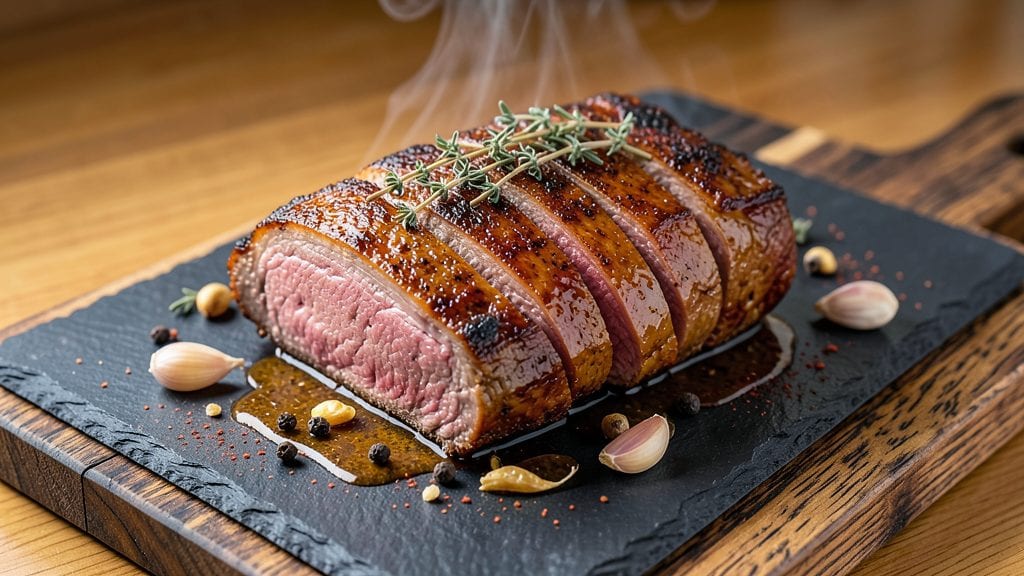
Emeril Lagasse's rib roast recipe transforms a simple cut of beef into a showstopping centerpiece with his signature spice crust and slow-roasting technique. 🌟 I've adapted this method to deliver restaurant-quality results at home, where the high-heat sear locks in juices and the aromatic spices create a crust that's impossible to resist.
The key lies in patience—letting the roast develop deep flavor while maintaining tender, melt-in-your-mouth perfection.
What sets this recipe apart is Emeril's approach: a balanced blend of Cajun-inspired spices that add complexity without overpowering the beef's natural richness. The slow roast at low temperatures ensures even cooking, while the final high-heat sear creates that signature crust that makes every slice irresistible.
This method works beautifully with bone-in primal cuts, where the marrow adds extra depth of flavor during cooking.
By the time you carve into this roast, you'll have a centerpiece that commands attention—juicy, tender beef with a crust so flavorful it disappears with each bite.
The aromas alone will have everyone gathering at the table, and the presentation is simple yet impressive: a few fresh herbs and a drizzle of pan juices elevate it from weeknight dinner to special occasion.
The resting period is just as critical as the cooking—it's what ensures every slice stays moist and flavorful.
Pair this roast with classic sides like garlic mashed potatoes or roasted root vegetables to complete the meal. The leftovers reheat beautifully, making this an excellent choice for meal prep or feeding a crowd. Let's get started with Emeril's technique that delivers professional results at home.
Ingredients for emeril lagasse rib roast
Emeril's secret lies in these twelve ingredients—where quality beef meets aromatic spices for unmatched flavor development.
| Ingredient | Amount | Notes |
|---|---|---|
| Bone-In Beef Rib Roast 🥩 | 4 lb | Primal cut with fat cap intact |
| Kosher Salt 🧂 | 1 ½ tbsp | Diamond Crystal preferred for texture |
| Freshly Ground Black Pepper 🌶️ | 1 tbsp | Cracked peppercorns for intensity |
| Garlic Cloves 🧄 | 8 cloves | Peeled, minced for spice rub |
| Dried Thyme 🌿 | 1 tbsp | French thyme for authentic flavor |
| Smoked Paprika 🌶️ | 1 ½ tbsp | Spanish paprika for depth |
| Onion Powder 🧅 | 1 tbsp | Finely ground for even distribution |
| Ground Cayenne Pepper 🔥 | ½ tbsp | Adjust for heat preference |
| Extra-Virgin Olive Oil 🫒 | ¼ cup | For crust development |
| Fresh Rosemary 🌿 | ¼ cup | Chopped sprigs for garnish |
| Fresh Parsley 🌿 | ¼ cup | Chopped for presentation |
| Unsalted Butter 🧈 | ½ cup | Cold, cubed for basting |
The bone-in rib roast is non-negotiable here—primal cuts with intact fat caps render flavorful juices during slow roasting. Source from a reputable butcher like Snake River Farms or your local specialty shop, where they'll trim excess silver skin while preserving the fat cap. Look for vibrant red color and firm texture; avoid any with yellowing fat or off-odors. For optimal results, bring the roast to room temperature before cooking—simply remove it from refrigeration 2 hours prior. The fat cap should be about 0.5-inch thick for proper crust formation during the high-heat sear. If your butcher doesn't carry primal cuts, request a rib roast with bone and have them trim to expose the fat cap.
Emeril's signature spice blend requires freshly ground components for maximum impact. The smoked paprika should be Spanish variety (like Pimentón de la Vera) for its authentic depth—substitute with regular paprika if unavailable, but reduce to 1 tbsp for milder flavor. For the garlic, use freshly minced cloves rather than pre-minced (which oxidizes quickly). No fresh thyme? Dried works at half the amount, but the aroma won't be as vibrant. The cayenne can be omitted entirely for a milder heat profile, or replaced with red pepper flakes at the same quantity. For the olive oil, use a peppery, fruity variety (like California Early Harvest)—avoid mild, refined oils that won't contribute to the crust development. The butter should be cold and cubed when added during basting; never use melted butter for this technique.
Proper storage begins with the roast: wrap airtight in butcher paper (not plastic) and refrigerate for up to 5 days, or freeze for 3 months in portions. The spice rub can be pre-mixed and stored in an airtight container for 6 months—just add the olive oil fresh before applying. Fresh herbs should be wrapped in damp paper towels and refrigerated for 5 days maximum. For reheating leftovers, use low heat with a splash of beef broth to prevent drying. This roast excels as a make-ahead centerpiece—prepare the spice crust up to 12 hours ahead and refrigerate until ready to roast, which actually enhances the flavor development during the resting period.
Why You'll Love This Recipe
- I’ll be real: this roast makes enough for a crowd, but even if you don’t have guests, the leftovers are chef’s kiss. Thinly slice the cooled meat for sandwiches, toss chunks into pasta, or reheat with a splash of beef broth—it’s the ultimate lazy-day lifesaver.
- Minimal Prep, Big Payoff: Honestly, this roast takes less time than deciding what to order for takeout. Just a quick rub of salt, pepper, crushed garlic cloves, and thyme—no fancy marinades or hours of prep. The bone-in cut stays juicy while the crust gets that perfect caramelized kiss from the oven.
- Crust So Good: Between us, that crispy blackened crust with the tender, pink center? It’s the kind of bite that makes people pause mid-chew. The garlic and thyme seep into the meat while the salt and pepper work their magic on the outside—simple spices, but they deliver every time.
- Weeknight Hero: Not the prettiest, but the taste makes up for it. Whether it’s a last-minute dinner for your partner or a Sunday meal for the whole family, this roast comes through. And since it’s bone-in, you’re getting more meat for your money—no sad, expensive cuts here.
Step-by-step instructions for Emeril Lagasse's rib roast
Master Emeril's signature technique for a rib roast with a dramatic spice crust and melt-in-your-mouth tenderness.
👨🍳 Step 1: Prepare the Spice Crust Mixture
In a small bowl, combine the 1.5 tablespoons kosher salt, 1 tablespoon freshly ground black pepper, 8 minced garlic cloves, 1 tablespoon dried thyme, 1.5 tablespoons smoked paprika, 1 tablespoon onion powder, and 0.5 tablespoon ground cayenne pepper. This blend creates the signature Emeril flavor profile—smoky, slightly spicy, and deeply aromatic.
Next, add the 0.25 cup extra-virgin olive oil and mix until you have a thick, paste-like consistency. The oil helps bind the spices to the meat and creates that iconic crust. If the mixture feels too dry, add 1 teaspoon water to help it adhere properly. I like to press the spices into the palm of my hand to test the texture—it should hold together without crumbling.
Finally, fold in the 0.25 cup chopped fresh rosemary and 0.25 cup chopped fresh parsley. These herbs add brightness and visual appeal to the crust. Set this mixture aside while you prepare the roast—you'll use it immediately after the meat comes to room temperature.
🔥 Step 2: Sear and Crust the Rib Roast
Preheat your oven to 425°F with a rack positioned in the lower third of the oven. This high heat is crucial for developing that signature Emeril crust. While the oven heats, pat the 4 lb bone-in beef rib roast completely dry with paper towels—moisture is the enemy of a good sear.
Place the roast fat-side up on a wire rack set inside a rimmed baking sheet. Rub the spice crust mixture all over the meat, pressing firmly so it adheres. Don't skip this step—proper adhesion ensures even flavor distribution and that perfect crust. Let the roast sit at room temperature for 15 minutes while you prepare the butter basting mixture.
In a small bowl, mix the 0.5 cup cold unsalted butter with 1 tablespoon chopped fresh rosemary and 1 tablespoon chopped fresh parsley. This herb-infused butter will bast the roast during cooking, adding moisture and flavor. Once the oven reaches 425°F, place the roast on the middle rack and immediately pour the basting butter mixture over the top.
⏰ Step 3: Roast to Perfect Doneness
Roast the rib roast for 20 minutes at 425°F, basting with pan juices every 5 minutes. This initial high-heat phase creates the signature crust while keeping the interior tender. After 20 minutes, reduce the oven temperature to 325°F and continue roasting for 2 to 2.5 hours, or until the internal temperature reaches 130-135°F for medium-rare.
Here's the thing—this low-and-slow finish is where the magic happens. The meat will continue cooking as it rests, reaching 140-145°F (medium) by the time you serve it. Use a meat thermometer to check the temperature in the thickest part of the roast, avoiding the bone. The crust should be deep brown and slightly crispy, with a fragrant aroma filling your kitchen.
Baste the roast every 30 minutes with the accumulated juices in the pan. This keeps the exterior moist and flavorful while the interior cooks evenly. If the crust starts to darken too quickly, tent the roast loosely with foil to prevent over-browning while maintaining heat.
🔪 Step 4: Rest and Slice for Maximum Juiciness
Remove the roast from the oven and transfer it to a cutting board. Let it rest for 30 minutes before slicing—this is non-negotiable. During this time, tent the roast loosely with foil to keep it warm while the juices redistribute throughout the meat. I know it's tempting to cut into it immediately, but resisting ensures each slice is moist and flavorful.
To slice, cut the roast against the grain into ½-inch thick slices. The grain direction will be visible as you cut—look for the long muscle fibers running through the meat. Serve immediately with any pan juices reduced by half (if desired) for a rich, flavorful sauce. The finished roast should have a deep mahogany crust, a pink smoke ring just beneath the surface, and tender, juicy meat that practically melts in your mouth.
Garnish with additional chopped fresh parsley and rosemary sprigs for presentation. This dish pairs beautifully with roasted root vegetables, mashed potatoes, or a simple green salad. The Emeril technique delivers restaurant-quality results at home with minimal effort—just attention to detail and proper timing.
Pro Tips For Making Emeril Lagasse Rib Roast
- Sear Before Seasoning: Pat the roast bone-dry with paper towels first—this isn’t just about moisture, it’s about getting that deep crust. I used to season and sear right away, but the butter and garlic mixture would just slide off. Dry it first, then salt and pepper heavily before hitting the pan.
- Crush Those Garlic Cloves: Don’t just mince the garlic—smash the cloves with the flat side of your knife first. This releases more flavor and blends better into the butter. I learned this the hard way when my roast tasted like it had half the garlic called for.
- Don’t Rush the Rest: Let that roast rest for at least 15 minutes under foil before slicing—yes, even if you’re starving. The meat will stay juicy, and cutting into it too soon turns a perfect roast into a sad, stringy mess. (Trust me, I’ve done it.)
- Use a Meat Thermometer: Pull the roast at 130°F for medium-rare—it’ll rise to 135°F while resting. Guessing leads to overcooked, tough meat. I used to rely on time, but now I never second-guess. (And no, “medium” on the sticker isn’t accurate.)
Flavor customization for these flavors
Spice Level Control
Adjust the heat to suit your crowd by tweaking the cayenne pepper or adding sweet paprika instead. For a milder version, reduce cayenne to ¼ tsp or omit entirely.
I often make a double batch of the spice mix—one with extra cayenne for my husband's plate and a gentler version for my daughter Lily's. The smoked paprika can also be swapped for regular paprika at the same quantity for a sweeter, less smoky profile. 🌶️
Herb Variations
Swap out rosemary and parsley for other fresh herbs based on what's available at your Portland farmers market. Try fresh thyme and tarragon for a French-inspired twist, or add cilantro and lime zest for a Cajun fusion.
I once used fresh sage and bay leaves for a Thanksgiving version that was absolutely spectacular. The key is balancing the flavors—herbs should complement, not overpower, the beef's natural richness.
Sweet and Smoky Fusion
For a sweet-savory profile, add 1 tbsp brown sugar or maple syrup to the spice crust mixture. This works particularly well with the smoked paprika to create a caramelized crust that's irresistible.
I've also experimented with 1 tsp cinnamon for a Middle Eastern-inspired twist—it pairs surprisingly well with the beef's natural sweetness. The brown sugar should be light or dark, depending on how much caramelization you want during roasting.
Cheese-Inspired Crust
Create a creamy, cheesy crust by mixing ¼ cup grated Parmesan cheese into the spice mixture. This adds a rich, umami depth that pairs beautifully with the beef's natural flavors. For an extra decadent version, use pecorino romano instead—it's saltier and more intense.
I've also tried adding 1 oz cream cheese to the basting butter for a luxurious finish. The cheese should be freshly grated for maximum flavor impact.
Global Flavor Twists
Transform this into a Moroccan tagine-inspired roast by adding 1 tsp ground cumin, 1 tsp ground coriander, and ½ tsp cinnamon to the spice blend. For an Italian version, swap the smoked paprika for dried oregano and add 1 tsp fennel seeds (lightly toasted).
I once made a Korean-inspired version with gochujang and sesame oil in the crust—it was a crowd-pleaser at our last potluck. The key is balancing the new flavors with the existing spices to maintain harmony.
Make-Ahead Flavor Boost
For even deeper flavor development, prepare the spice crust up to 12 hours ahead and refrigerate it on the roast. This allows the spices to penetrate the meat more thoroughly, creating a more intense flavor profile.
I often do this when hosting dinner parties—it's one less thing to worry about on the day of the event. Just make sure to bring the roast to room temperature before roasting to ensure even cooking. The extra time also helps the crust adhere better during the high-heat sear. 💫
Nutrition facts
Frequently asked questions
Why does Emeril Lagasse's recipe use bone-in beef?
The bone-in rib roast delivers richer flavor and moisture during cooking. The marrow renders out during roasting, infusing the meat with natural richness and creating a more complex taste profile. Plus, the bone helps stabilize the roast's shape during the high-heat sear, preventing it from shrinking too much while developing that signature crust.
Can I substitute a different cut of beef?
While bone-in rib roast works best, you can adapt this technique for other cuts like chuck roast or even pork shoulder. For beef, look for cuts with good marbling (fat between muscle fibers) to maintain juiciness. The cooking times will vary—chuck roast typically needs 3-4 hours at 325°F to reach medium-rare. Just adjust the temperature and time based on your cut's size and fat content.
How do I know when the roast is done?
Use a meat thermometer to check the internal temperature: 130-135°F for medium-rare (it will rise to 140-145°F while resting). Insert the probe into the thickest part, avoiding the bone. The crust should be deep brown and slightly crispy, with a fragrant aroma filling your kitchen. If you don't have a thermometer, cut into a small section—medium-rare beef should have a warm red center with a pinkish ring.
What's the best way to reheat leftovers?
Slice the roast and reheat in a skillet with a splash of beef broth over medium-low heat for 3-5 minutes per side. Avoid microwaving, as it can dry out the meat. For whole leftovers, wrap tightly in foil and bake at 300°F until warmed through (1-2 hours). The pan juices can be reheated separately by simmering them on the stove until reduced by half for a rich sauce.
Why does the crust sometimes fall off?
This usually happens when the roast isn't completely dry before applying the spice crust or if the oven temperature fluctuates. Pat the meat thoroughly with paper towels and let it sit at room temperature for 15-20 minutes before roasting. Also, ensure your oven is fully preheated to 425°F before inserting the roast. If the crust starts peeling, tent it loosely with foil during the low-and-slow phase to maintain even heat.