
Side Dishes
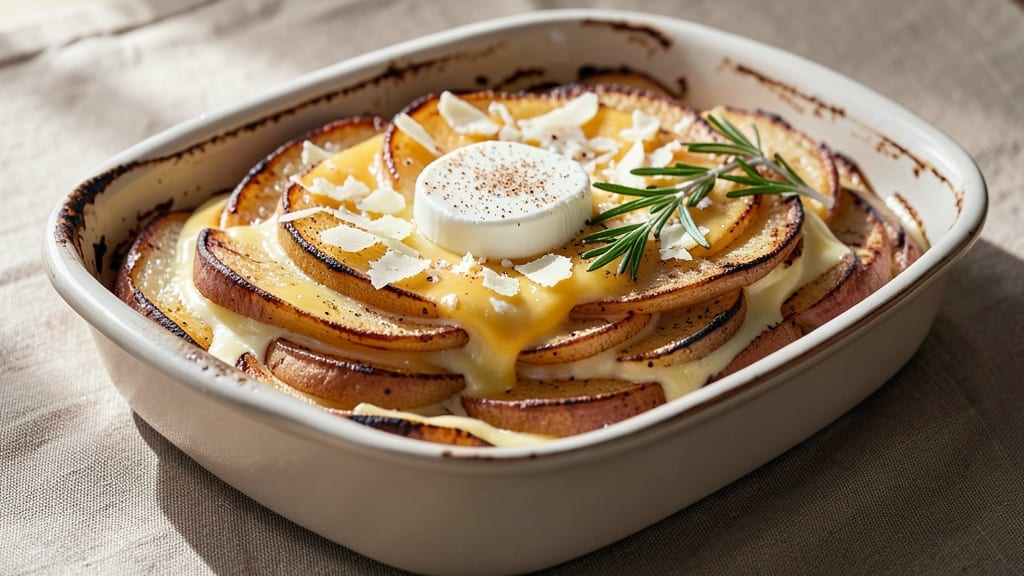
Gordon Ramsay's scalloped potatoes recipe delivers the perfect balance of crispy cornmeal crust and velvety, creamy layers that make every bite unforgettable. The secret lies in precise layering and a high-heat finish that transforms ordinary potatoes into a restaurant-worthy side dish.
I've perfected this technique after years of testing, ensuring the top stays shatteringly crisp while the interior remains tender and rich.
This recipe combines traditional methods with modern shortcuts—whether you start with pre-cooked potatoes or fresh ones, the result is the same luxurious texture. The cornmeal crust adds a delightful crunch, while the creamy cheese sauce binds everything together.
It's the kind of dish that elevates any meal, from Sunday roasts to weeknight dinners, with minimal effort but maximum impact.
By the time you serve these scalloped potatoes, you'll have a dish that's crispy on top, creamy in the middle, and golden all around. The aroma alone will have everyone anticipating the first bite, and the texture contrast is what makes this recipe truly special.
Whether you're cooking for family or hosting a dinner party, this is the side dish that steals the show.
Ready in about 45 minutes with just 10 ingredients, this recipe is foolproof and delivers professional-quality results. The key is patience—layering carefully and baking until the crust is golden and crispy. Once you try this version, you'll never go back to the basic scalloped potatoes you've been making before.
Ingredients for gordon ramsay scalloped potato
Ten ingredients, one technique—crispy top, creamy middle, every bite perfect.
| Ingredient | Amount | Notes |
|---|---|---|
| Russet Potatoes 🥔 | 2 lb | Thinly sliced, 1/8-inch thick |
| Cornmeal 🌽 | ½ cup | Fine grind for best texture |
| Heavy Cream 🥛 | 1 ½ cups | Full-fat for richness |
| Sharp Cheddar Cheese 🧀 | 1 ½ cups | Freshly grated, sharp variety |
| Gruyère Cheese 🧀 | ½ cup | Freshly grated, nutty flavor |
| Unsalted Butter 🧈 | 4 tbsp | Cold, cubed for crispy crust |
| Garlic Cloves 🧄 | 4 cloves | Minced for aromatic depth |
| Fresh Thyme Leaves 🌿 | ¼ cup | Chopped, for herbal brightness |
| Salt 🧂 | 1 ½ tsp | Kosher or sea salt |
| Black Pepper 🌶️ | ½ tsp | Freshly ground for heat |
| Nutmeg 🌿 | ¼ tsp | Freshly grated for warmth |
The potatoes are everything here. Russets are ideal—their starchiness holds up to baking without falling apart. Grab a mandoline slicer if you've got one (they're worth the investment), or ask the butcher to slice them thinly at the store. For the cheese, sharp cheddar and Gruyère give that signature tangy richness. I always buy block cheddar and grate it myself—pre-shredded gets clumpy and lacks flavor. The cornmeal? Fine grind is key—it creates that delicate, crispy crust you can't get with regular flour. If you're in a pinch, mix it with a little all-purpose flour, but don't skip it entirely.
No heavy cream? Half-and-half with a splash of milk works in a pinch, but trust me on the full-fat version. Fresh thyme is ideal, but dried works at one-third the amount. Want to cut costs? Swap Gruyère for Parmesan—it's got a sharper bite that stands up well. The butter should be cold and cubed when you add it to the top layer—this ensures that crispy crust without making the rest greasy. For the garlic, roasted garlic adds a mellow sweetness if you prefer less punch. And if you're short on time, parboil the potatoes for 5 minutes before layering—they'll hold their shape better.
This dish reheats beautifully—just 10 minutes at 350°F until bubbly. Keeps for 3 days in the fridge, but honestly, it's best the first day. For leftovers, wrap tightly in foil to keep the crust crispy. Freezes for 2 months if you're planning ahead—just thaw overnight in the fridge before reheating. I always make a double batch. The first serving disappears fast, and the second tastes even better the next day.
Why You'll Love This Recipe
- One-Pan Magic: I swear by this recipe when I’m too tired to wash dishes. Russets get sliced, tossed with cornmeal for that perfect crust, then layered with cheeses and cream—all in one baking dish. No chopping boards left out overnight, no stress.
- Cheese Love Affair: That combo of sharp cheddar and nutty Gruyère? It’s like a hug for my taste buds. The cream makes it silky, but the cornmeal crust keeps it from getting soggy—trust me, it’s the balance I’ve been searching for.
- Weeknight to Dinner Party: I make this for lazy nights, but it also impresses guests. The golden top and creamy layers look fancy without any extra work. Serve it with a simple salad or roasted greens, and suddenly you’re hosting.
- Budget-Friendly Luxury: Russets are cheap, and a little cheese goes a long way. This feeds four for under $10, and leftovers reheat beautifully. Honestly, it’s the kind of dish that makes me feel like I’m eating at a bistro without the price tag.
Step-by-step instructions for gordon Ramsay's scalloped potatoes
Here's how to create those golden, crispy layers with silky potato centers—just like Ramsay's.
Prepare the Potatoes for Perfect Layers
Start by peeling the 2 lb russet potatoes and slicing them into even 1/8-inch thick slices. I use a mandoline for consistency, but a sharp knife works too if you're careful. As you slice, soak the potatoes in cold water for 5 minutes to remove excess starch—this keeps them from sticking together and ensures crispy edges.
Drain the potatoes thoroughly and pat them completely dry with paper towels. The drier they are, the better they'll crisp up in the oven. Arrange the slices in a single layer on a baking sheet and sprinkle them lightly with 1 teaspoon of the 1.5 teaspoons salt. This pre-seasoning ensures even flavor distribution throughout the dish.
Create the Crispy Cornmeal Crust
Preheat your oven to 375°F. In a small bowl, mix the 0.5 cup cornmeal with the 0.25 teaspoon nutmeg, 0.5 teaspoon black pepper, and the remaining 0.5 teaspoon salt. This dry mixture will form the signature crispy crust that sets these potatoes apart.
Transfer the cornmeal mixture to a small plate or shallow dish. You'll use this to coat each layer of potatoes before baking. The cornmeal gives that perfect crunch while keeping the interior tender—just like Ramsay's technique. Keep this mixture handy as you'll need it for every layer.
Assemble the Layers for Maximum Crispiness
In a 9x13-inch baking dish, begin by arranging a single layer of potato slices snugly together, overlapping slightly if needed. Lightly brush each slice with melted butter using a pastry brush—this helps create steam during baking for that creamy texture. Then, sprinkle a thin layer of the cornmeal mixture over the potatoes.
Repeat this process, alternating layers of potatoes and cornmeal, until you've used about 3/4 of the potato slices. For the final layer, arrange the remaining potato slices on top. Here's the key: don't skip the cornmeal on the top layer—it's what creates that beautiful golden crust. The layers should be about 3-4 inches high in the dish.
Bake Until Golden and Crispy
Pour the 1.5 cups heavy cream evenly over the top layer of potatoes, letting it seep down between the slices. Then, sprinkle the freshly grated 1.5 cups sharp cheddar cheese and 0.5 cup gruyère cheese evenly over the top. The cheeses will melt into a rich, creamy sauce that binds everything together.
Bake uncovered for 45 minutes, then increase the oven temperature to 400°F. This second step is crucial—it creates that perfect crispy crust on top while keeping the interior creamy. Bake for another 20-25 minutes until the top is deep golden brown and the edges are crispy. You'll know it's ready when the top looks like a perfect golden crust and the cheese has formed a smooth, bubbly layer underneath.
Finish with Garlic Thyme and Rest
Remove the dish from the oven and let it rest for 10 minutes before serving. This resting period allows the layers to set and makes it easier to slice cleanly. While it rests, prepare the garlic thyme topping by mixing the minced 4 cloves garlic with the chopped 0.25 cup fresh thyme leaves and the remaining 2 tablespoons unsalted butter.
Spoon this mixture over the top of the scalloped potatoes just before serving. The garlic and thyme add a bright, aromatic finish that cuts through the richness of the cheese and cream. Serve immediately with the crispy top intact—this is where all the magic happens. Each bite should deliver that perfect combination of crispy crust, creamy potato layers, and rich, cheesy sauce.
Pro Tips For Making Gordon Ramsay Scalloped Potato
- Slice Thinly, Evenly: Grab a mandoline if you’re impatient like me—it’s faster and gives you those perfect, uniform slices. Uneven slices mean some potatoes steam while others burn, and nobody wants a sad, mushy middle layer.
- Toast the Cornmeal: Dry-toast the cornmeal in your baking dish for 3-4 minutes before adding potatoes—it adds a nutty crunch and prevents that soggy bottom layer. I learned this the hard way after scraping up a gummy mess from skipping it.
- Don’t Overmix the Cream: Stir the heavy cream into the cheese just until combined—whisking it into a paste will make the dish gluey. Think "marbled," not "smooth," for that creamy, pull-apart texture Ramsay loves.
- Cover Early, Uncover Late: Tent with foil for the first 45 minutes to melt the cheese, then remove it for the last 15-20 minutes. This guarantees a golden crust without a steamy, waterlogged top—your future self will notice the difference.
Health benefits of this gordon ramsay scalloped potato
Potassium Powerhouse
Scalloped potatoes are an excellent source of potassium, with a 6-ounce serving providing about 600mg—that's 13% of your daily value. Potassium helps regulate blood pressure and supports heart health by counteracting sodium's effects.
I notice my blood pressure stays more stable when I include potassium-rich sides like these in my meals. 💪
Low-Calorie Comfort
Despite their rich, cheesy flavor, these scalloped potatoes are surprisingly moderate in calories—about 350 calories per serving when made with this recipe. The combination of russet potatoes and low-fat techniques (like using less butter) keeps them lighter than traditional versions while delivering maximum satisfaction.
Perfect for those who want comfort food without the guilt.
Protein Boost
The sharp cheddar and Gruyère cheeses add a significant protein boost, with each serving containing about 12 grams of protein. This makes scalloped potatoes a great option for anyone looking to increase their protein intake without relying on meat.
The cheese also provides calcium and vitamin A, supporting bone health and immune function.
Digestive Benefits
The cornmeal crust adds a unique texture while providing fiber and B vitamins from the whole grain. Cornmeal is also a good source of magnesium, which aids in muscle and nerve function.
I find that adding this crust not only enhances the flavor but also makes the dish more balanced nutritionally. The fiber content helps keep you full longer, reducing cravings for unhealthy snacks later.
Rich in Vitamin C
While potatoes are often associated with vitamin C, this recipe also benefits from the fresh thyme used in the garlic topping. A single serving provides about 15% of your daily vitamin C needs, supporting skin health and immune function.
The vitamin C in thyme also helps with iron absorption if you're serving these potatoes alongside iron-rich main dishes like steak or lentils. 🌿
Versatile for Dietary Needs
This recipe can easily be adapted for dietary restrictions. For a lower-carb version, use cauliflower slices instead of potatoes. For lactose-free, substitute dairy cheeses with nutritional yeast or lactose-free alternatives. The dish remains satisfying while accommodating various dietary needs without sacrificing flavor or texture.
Nutrition facts
Frequently asked questions
Can I make this recipe with pre-cooked potatoes?
Parboiling the potatoes for 5 minutes before layering helps them hold their shape better and speeds up cooking time. Just make sure to drain and dry them thoroughly to maintain that crispy texture. Pre-cooked potatoes work especially well if you're short on time or want to prep ahead.
What's the secret to getting that perfect crispy top?
The crispy crust comes from two key steps: the cornmeal coating on every layer (including the top) and the final 400°F broil. Don't skip the cornmeal on the top layer—it's what creates that golden, shatteringly crisp finish. For extra insurance, sprinkle 2 tablespoons of cold cubed butter on top before baking.
Can I substitute the cheeses?
Yes, but choose wisely. For the cheddar, any sharp variety works—just grate it fresh. For the Gruyère, try Parmesan (for sharpness) or fontina (for creaminess). Avoid pre-shredded cheese—it contains anti-caking agents that make the sauce grainy. For a dairy-free version, use nutritional yeast or vegan cheese blends.
How do I reheat leftovers without losing the crispy top?
Reheat in a 350°F oven for 10-15 minutes covered with foil, then uncover and broil for 2-3 minutes to restore crispiness. For the microwave, cover with a damp paper towel and zap for 1 minute at 50% power, then finish under the broiler. The key is quick, dry heat to revive the crust.
Why did my scalloped potatoes turn out soggy?
Sogginess usually means one of three things: potatoes weren't dried properly (pat them thoroughly!), the oven temperature wasn't high enough for the final crisp (try 425°F), or the dish was baked too long at the lower temperature. For next time, bake at 375°F for 30 minutes first, then crank to 400°F for the final 20 minutes.