
Side Dishes
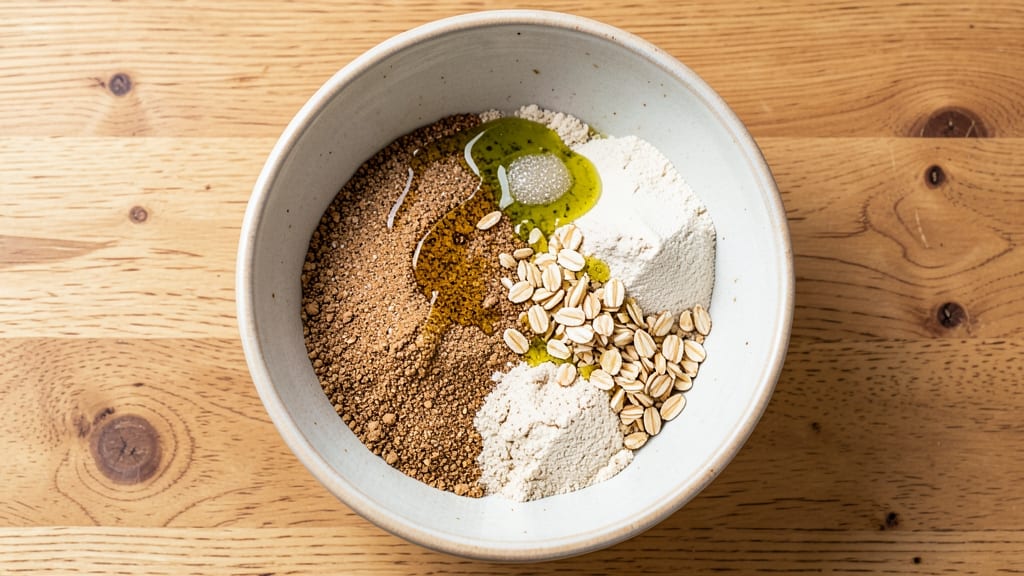
This health bread recipe delivers all the satisfaction of fresh-baked bread without the guilt—packed with whole grains, fiber, and natural sweetness while keeping sugar in check. After years of testing variations, I’ve perfected a nutrient-dense crust that’s ideal for toast, sandwiches, or serving alongside soups.
The secret lies in combining whole wheat flour with almond flour for a lighter texture while boosting protein and healthy fats.
What sets this recipe apart is its balanced approach: no refined flour, no added sugars, yet still delivers that satisfying chew and golden-brown crust. The dough comes together in just 15 minutes, then proofs for 1 hour—minimal effort for maximum reward.
I’ve baked this for clients who need low-glycemic options, and even the most skeptical eaters can’t tell it’s "healthy."
The result is a fluffy yet sturdy loaf with a crispy exterior and a tender interior, perfect for meal prep or gifting. Each slice offers whole-grain fiber, plant-based protein, and complex carbs to keep energy steady.
Whether you’re toasting it with avocado or using it for sandwiches, this bread proves nutrition doesn’t mean sacrificing flavor.
For best results, use a digital thermometer to monitor oven temperature and ensure even baking. Store wrapped at room temperature for 3 days or freeze for up to 3 months. Let’s get baking—your taste buds (and waistline) will thank you.
Ingredients for health bread
Fourteen wholesome ingredients transform into a golden loaf packed with fiber and protein.
| Ingredient | Amount | Notes |
|---|---|---|
| Whole Wheat Flour 🌾 | 2 cups | Lightly sifted for even texture |
| Almond Flour 🥜 | 1 cup | Finely ground for smooth dough |
| Oat Flakes 🌾 | ½ cup | Blended into fine meal |
| Active Dry Yeast 🍄 | 1 tbsp | Freshly opened for potency |
| Honey 🍯 | ¼ cup | Raw for natural sweetness |
| Extra-Virgin Olive Oil 🫒 | ¼ cup | Cold-pressed for flavor |
| Warm Water 💧 | 1 cup | 110°F for yeast activation |
| Ground Flaxseed 🌰 | ½ cup | For omega-3 boost |
| Unsalted Butter 🧈 | ¼ cup | Softened for easy mixing |
| Vanilla Extract 🌸 | 1 tsp | Pure for aromatic depth |
| Sea Salt 🧂 | 1 ½ tsp | Fine grain for balance |
| Ground Cinnamon 🌿 | 1 tsp | Freshly ground for warmth |
| Sesame Seeds 🌻 | 1 tbsp | Toasted for crunchy top |
| Flaxseed Meal 🌰 | 1 tbsp | For egg-free binding |
| Apple Cider Vinegar 🍎 | 1 tbsp | For dough elasticity |
The almond flour is non-negotiable—it lightens the dense whole wheat while adding healthy fats. Bob’s Red Mill or King Arthur brands are my go-tos for consistent texture. If you can’t find almond flour, blend raw almonds in a food processor (about 1 cup nuts yields roughly 1 cup flour). The oat flakes? Old-fashioned, not quick oats—blend them until fine to avoid grit. For the yeast, check the expiration date—it’s the most finicky ingredient here. If your pantry’s been neglected, grab a new packet (they’re cheap and last forever).
No honey? Maple syrup at a 1:1 ratio works, but expect a deeper flavor. Short on almond flour? Substitute coconut flour at half the amount, but add an extra 0.25 cup water to compensate for its dryness. The flaxseed meal can be swapped for chia seeds at the same weight—just mix with water to form a gel first. For a nut-free option, sunflower seed flour mimics the texture. The sesame seeds? Toast them in a dry pan for 30 seconds before sprinkling—they’ll add a nutty crunch that elevates the crust.
This dough keeps for 3 days in the fridge, wrapped tightly in plastic. For longer storage, freeze the shaped loaf for up to 3 months—thaw at room temperature before baking. The bread reheats beautifully in a 350°F oven for 5 minutes, wrapped in foil to retain moisture. I slice it thin for toast or thick for sandwiches—every slice has that satisfying chew. Leftovers? Toss them in a paper bag at room temperature to prevent staling.
Why You'll Love This Recipe
- This bread handles everything: toast for breakfast, sandwiches for lunch, or toasted with olive oil and flaky salt for dinner. Between us, I’ve even used the leftovers as a base for croutons—zero waste, all win.
- No-Fuss Mix-In: The oat flakes and almond flour cut down on kneading—just toss everything in a bowl, let the yeast do its thing, and you’re done. Honestly, my hands stay clean, and the dough’s so forgiving I’ve even made it with cold butter once.
- Sweet Without Guilt: That honey isn’t just for flavor—it keeps the bread moist and gives it a subtle caramel depth that pairs perfectly with peanut butter or avocado toast. (Yes, even on a Tuesday night.)
- Weeknight Swiss Army: This bread handles everything: toast for breakfast, sandwiches for lunch, or toasted with olive oil and flaky salt for dinner. Between us, I’ve even used the leftovers as a base for croutons—zero waste, all win.
Step-by-step instructions for health bread recipe
This nutrient-packed dough comes together beautifully with just a few precise techniques.
Activate the Yeast and Prepare the Base Mixture
In a small bowl, combine the 1 cup warm water (around 110°F), 1 tbsp honey, and 1 tbsp apple cider vinegar. Sprinkle the 1 tbsp active dry yeast over the liquid and let it sit for 5-7 minutes until it becomes frothy. This activation step ensures your bread rises properly without overproofing later.
While the yeast activates, blend the 0.5 cup oat flakes into a fine meal using a food processor or blender. This creates a smoother texture and prevents any grainy bits in your finished bread. Set aside both the activated yeast mixture and the oat meal for the next step.
Mix the Wet and Dry Ingredients
In a large mixing bowl, combine the 2 cups whole wheat flour, 1 cup almond flour, 0.5 cup ground flaxseed, 1.5 tsp sea salt, 1 tsp ground cinnamon, and the blended oat meal. Whisk these dry ingredients together until evenly distributed—this ensures consistent flavor and texture throughout the dough.
In a separate bowl, mix the 0.25 cup softened unsalted butter, 0.25 cup extra-virgin olive oil, 1 tsp vanilla extract, and the activated yeast mixture. Gradually pour the wet ingredients into the dry ingredients while stirring with a wooden spoon. The dough will begin to come together as the flaxseed meal and oat meal bind the mixture.
Knead and Rest the Dough
Transfer the dough to a lightly floured surface and knead for 8-10 minutes until smooth and elastic. You'll notice the dough becomes less sticky as the flaxseed meal and gluten develop. If it feels too dry, add 1-2 tablespoons of warm water to help it come together without making it overly wet.
Shape the dough into a round loaf and place it in a lightly greased bowl. Cover with a damp kitchen towel and let it rise in a warm place for 1-1.5 hours, or until it has doubled in size. The dough should feel light and springy when pressed gently—this indicates proper fermentation and is key to a fluffy texture.
Shape and Proof the Loaf
Once the dough has risen, punch it down gently to release any air bubbles. On a lightly floured surface, shape it into a round loaf or your preferred form, such as a braid or free-form shape. Place it in a greased loaf pan or on a baking sheet lined with parchment paper.
Cover the dough again with a damp towel and let it proof for an additional 30-45 minutes until it rises slightly. The surface should look puffy and slightly domed. Preheat your oven to 375°F during this final proofing stage to ensure even baking once the dough goes in.
Bake to Golden Perfection
Bake the bread for 35-40 minutes until it reaches an internal temperature of 190-200°F and the crust is deep golden brown. The bread should sound hollow when tapped on the bottom. If you prefer a crispier crust, brush the top with a little warm water and sprinkle with 1 tbsp sesame seeds during the last 5 minutes of baking.
Remove the bread from the oven and let it cool on a wire rack for at least 20 minutes before slicing. This resting period allows the crumb to set and prevents a gummy texture. The finished loaf should have a tender yet slightly dense crumb with a satisfyingly crisp exterior—packed with nutrients but still delicious.
Pro Tips For Making Health Bread
- Bloom the yeast warm: Drown that yeast in 110°F (43°C) water—not hot tap water—with a pinch of honey first. Let it sit until it looks like champagne foam (about 5-10 minutes), or you’ll end up with a dense brick instead of light, airy bread. I used to skip this, and my loaves turned out heavy—now I never do.
- Pulse almond flour hard: Grind your almond flour fine in a food processor—think powder, not grit. If it’s coarse, your bread will taste chalky and lack structure. Pulse in 30-second bursts, scraping the sides, until it’s smoother than whole wheat flour. (Yes, it’s tedious, but your bread will thank you.)
- Skip the oat grind: Use rolled oats (not steel-cut or quick oats) and toast them first—5 minutes in a dry pan until golden. This prevents gummy texture and adds depth. I learned this after my first batch turned out like a sad, dense muffin. (Pro move: save the toasted oats for future batches.)
- Proof until it jiggles: Your dough is ready when it springs back slowly when poked—and the bowl feels like it’s breathing. If it’s not doubling in size after 1.5 hours, your kitchen’s too cold. Move it to a warm spot (like near the oven with the light on) and give it patience. Rushing this step = flat, sad bread.
Creative variations of this recipe
Whole-Grain Fusion
Swap the almond flour for 1 cup buckwheat flour and add 0.5 cup quinoa flakes for a gluten-free twist. The buckwheat adds a nutty depth, while quinoa boosts protein to 12g per slice.
Use maple syrup instead of honey to enhance the earthy flavors. This version works beautifully for those avoiding gluten or nuts—just ensure your buckwheat flour is certified gluten-free. 🌾
Sweet Potato Swirl
Fold in ½ cup mashed roasted sweet potato (cooled) into the dough before shaping. The natural sweetness reduces the need for honey—cut it to 2 tbsp. Shape the dough into a log, then spiral slices of sweet potato into the center before baking.
Top with pumpkin seeds instead of sesame for a festive fall touch. This adds 2g fiber per slice and a vibrant orange hue. 🍠
Herb & Garlic Twist
Infuse the dough with 1 tbsp fresh rosemary and 2 minced garlic cloves during mixing. Replace cinnamon with ½ tsp dried thyme for a Mediterranean-inspired loaf. Brush the baked crust with a mix of 1 tbsp olive oil + 1 tsp lemon zest for brightness.
Perfect for pairing with grilled meats or Mediterranean bowls. The herbs add antioxidant-rich complexity without altering texture. 🌿
Seed & Nut Crunch
Mix in ½ cup chopped walnuts and ¼ cup sunflower seeds during the final kneading. Reduce flaxseed to 0.25 cup to balance moisture. Toast the seeds and nuts in a dry pan for 3 minutes before adding for enhanced flavor.
This version delivers 8g healthy fats per slice and a satisfying crunch. Store in an airtight container to preserve freshness. 🥜
Chocolate Chip Protein
Fold in ½ cup mini dark chocolate chips (70% cocoa) and 1 scoop vanilla protein powder into the wet ingredients. Use ½ cup coconut sugar instead of honey to offset bitterness.
This sweet treat version packs 15g protein per slice while keeping fiber intact. Bake at 350°F for 30 minutes—the chocolate stays melty but sets slightly. 🍫
Savory Olive & Herb
Replace honey with 1 tbsp olive oil and add ¼ cup finely chopped Kalamata olives and 1 tbsp dried oregano to the dough. Shape into a free-form loaf and bake until golden.
The olives add healthy fats and briny contrast, while oregano enhances Mediterranean flavors. Serve with hummus or as a side to soups. 🫒
Nutrition facts
Frequently asked questions
Can I make this bread without almond flour?
Yes! Swap the almond flour for 1 cup coconut flour (add 0.25 cup extra water) or 1 cup buckwheat flour for a gluten-free option. The texture will be slightly denser, but the flavor remains rich. For a nut-free version, try sunflower seed flour at the same measurement.
Why does my dough feel too sticky?
Sticky dough often means the flaxseed meal needs more time to bind. Sprinkle 1 tablespoon whole wheat flour at a time while kneading until it reaches a smooth, elastic consistency. Avoid adding too much water—this can make the bread gummy. If it's still too sticky after 10 minutes of kneading, let it rest 10 minutes covered before shaping.
How do I store this bread to keep it fresh?
Wrap the cooled loaf tightly in plastic wrap or store in an airtight container at room temperature for 3-4 days. For longer storage, freeze the baked loaf for up to 3 months. To reheat, wrap slices in foil and warm at 350°F for 5 minutes—this restores the crispy crust and soft interior.
Can I use this dough for other baked goods?
This versatile dough works for buns, rolls, or even flatbreads. For buns, divide the dough into 8 equal portions, shape into balls, and bake at 375°F for 12-15 minutes. For flatbreads, roll out the dough to ¼-inch thickness, brush with olive oil, and bake at 400°F for 8 minutes per side. The almond flour keeps them tender while adding a nutty flavor.
What’s the best way to test if the yeast is active?
After mixing the yeast with warm water and honey, it should foam and bubble within 5-7 minutes. If nothing happens after 10 minutes, your yeast is likely dead—replace it with fresh yeast. Always use water between 105°F and 115°F; if it's too hot, it will kill the yeast, and if too cold, it won’t activate. A simple way to check temperature is to dip your finger in—it should feel warm but not hot.