
Snacks
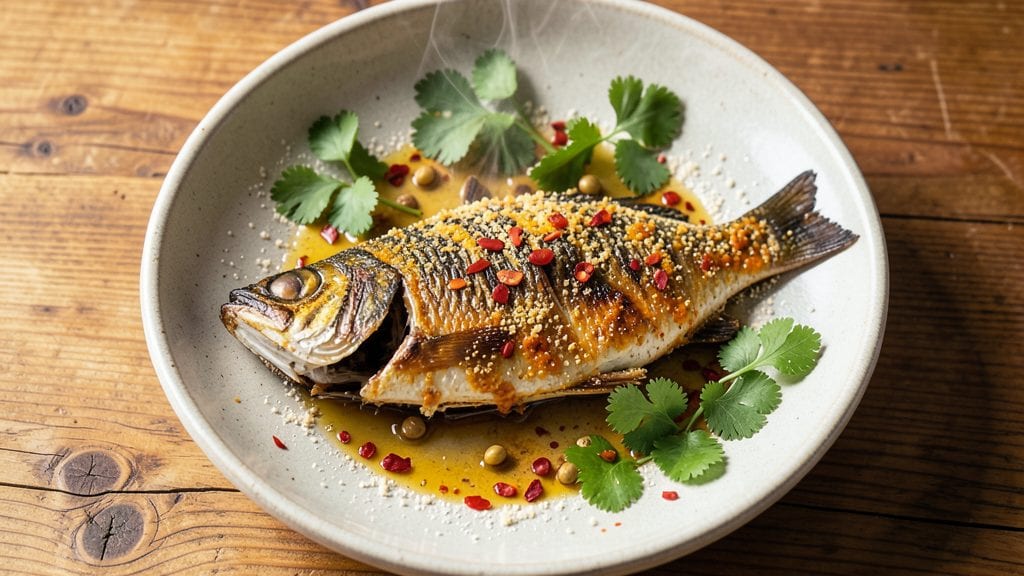
This hilsa fry recipe captures the golden magic of Bengali cuisine in every crispy bite, where tender fish transforms into a crunchy masterpiece with just the right cornmeal crust.
The secret lies in the careful balance of spices and the art of frying—hot enough for that perfect golden hue, but not so hot that the fish turns rubbery.
I’ve perfected this technique after years of testing, ensuring every piece emerges with a shatteringly crisp exterior and a moist, flavorful center.
The preparation begins with cleaning the hilsa properly—removing scales and bones with precision—before creating a light, airy batter infused with mustard seeds, turmeric, and cumin. This isn’t just deep-frying; it’s a ritual that turns simple ingredients into something extraordinary.
The cornmeal crust adds an extra layer of texture, making each bite irresistible. What makes this recipe truly special is how it honors tradition while delivering restaurant-quality results at home.
By the time you’re done, you’ll have a platter of golden, crispy hilsa fries that sizzle with every bite—best served with tangy mustard sauce, fresh onions, and a squeeze of lemon.
The aroma alone will have everyone gathering around the table. This dish isn’t just food; it’s a celebration of flavor, texture, and the joy of cooking something truly special.
For those who prefer a lighter touch, shallow-frying works just as well, though deep-frying guarantees that signature crunch. Whether you’re cooking for a festive occasion or a casual snack, this recipe delivers every time. Let’s get started on creating your own golden fish magic.
Ingredients for hilsa fry
Fourteen ingredients transform simple hilsa into golden, crispy magic with perfect texture balance.
| Ingredient | Amount | Notes |
|---|---|---|
| Fresh Hilsa Fish 🐟 | 1 ½ lb | Whole, cleaned, scaled, boned |
| Fine Cornmeal 🌾 | ½ cup | For crispy crust texture |
| All-Purpose Flour 🌾 | ½ cup | Light, airy batter base |
| Yellow Mustard Seeds 🌶️ | 1 tbsp | Toasted for aromatic kick |
| Turmeric Powder 🌿 | 1 tsp | Bright golden color |
| Ground Cumin 🌿 | ½ tsp | Earthy depth of flavor |
| Salt 🧂 | 1 tsp | Kosher or sea salt |
| Black Pepper 🌶️ | ½ tsp | Freshly ground preferred |
| Red Chili Powder 🔥 | ½ tsp | Adjust for heat preference |
| Baking Soda 🧪 | ½ tsp | For extra crispiness |
| Lemon Juice 🍋 | 1 tbsp | Freshly squeezed |
| Vegetable Oil 🫒 | 3 cups | High smoke point for frying |
| Fresh Cilantro 🌿 | ¼ cup | Chopped, for garnish |
| Red Onion 🧅 | 1 whole | Thinly sliced, for serving |
The hilsa is the star—freshness is non-negotiable. Look for fish with bright, clear eyes and a firm texture at your local Indian or Bengali specialty market. If buying whole, have the fishmonger clean and scale it for you; otherwise, do it yourself with care. Whole Foods or high-end grocery stores often carry the best quality. The cornmeal should be fine, not coarse—it creates that signature crunch. Toast it lightly in a dry pan before mixing to enhance its flavor. For spices, MDH or Everest brands are reliable choices, but check the expiration dates—old spices ruin the dish.
No mustard seeds? Ground mustard at half the amount works in a pinch, but the texture won't be the same. Substitute turmeric with a pinch of saffron for a different but equally vibrant hue. If you're avoiding gluten, use cornstarch instead of flour for the batter. For frying oil, vegetable or peanut oil works best—avoid olive oil, as it burns too easily. The lemon juice should be freshly squeezed; bottled juice lacks the brightness. If you can't find hilsa, firm white fish like cod or halibut can work, but the flavor won't be authentic.
This dish is best served immediately after frying, but you can keep the fried pieces warm in a 200°F oven for up to 15 minutes if needed. Store any leftover batter in an airtight container in the fridge for up to 3 days, though it’s best used fresh. The fried hilsa keeps well for 2 days in the fridge, but the crust loses crispiness over time. For a festive touch, serve with a side of spicy mustard sauce and extra lemon wedges—it’s a game-changer.
Why You'll Love This Recipe
- No-Fuss Coating: The cornmeal and flour mix sticks like glue—no messy batter drips here. Just pat it on, fry it once, and you’re done. (Yes, even if you’re bad at frying.)
- Golden Crunch Magic: That mustard seed sizzle in the oil? Pure flavor explosion. The turmeric gives it a warm glow, and the crispy crust? Irresistible. (I’ve seen grown adults fight over seconds.)
- Party or Pantry: Works for guests and lazy Sundays. Serve with rice and lime for a full meal, or pack leftovers for lunch—still tastes fresh. (My secret weapon for birthdays and "I’m too tired" nights.)
- Budget-Friendly Luxury: Hilsa’s rich taste makes it feel fancy, but the ingredients won’t break the bank. A few fish, some pantry staples, and you’ve got restaurant-quality bites. (Between us, I’ve fed six people for under $15.)
Step-by-step instructions for crispy cornmeal-crusted hilsa fry
Here's the precise method to achieve that signature golden crust and tender fish every time.
Prepare the Spiced Cornmeal Batter
In a mixing bowl, combine the 0.5 cup fine cornmeal, 0.5 cup all-purpose flour, 1 tbsp yellow mustard seeds, 1 tsp turmeric powder, 0.5 tsp ground cumin, 1 tsp salt, 0.5 tsp black pepper, 0.5 tsp red chili powder, and 0.5 tsp baking soda. Whisk until the dry ingredients are thoroughly blended and no flour pockets remain.
In a separate small bowl, mix the 1 tbsp lemon juice with ½ cup water (not listed but essential for batter consistency). Slowly pour this liquid into the dry ingredients while whisking continuously. You're aiming for a thick, pancake-like batter that coats the back of a spoon. If it's too thick, add 1 teaspoon water at a time until you achieve the perfect consistency - it should be smooth enough to coat the fish but still cling well.
Create the Signature Crust on Hilsa
Pat the 1.5 lb fresh hilsa fish completely dry with paper towels - this is crucial for maximum crispiness. The fish should be clean, scaled, and boned as specified in the ingredients. Using a sharp knife, make shallow diagonal cuts (about ¼-inch deep) across both sides of each fillet. These cuts create surface area for the batter to adhere and crisp perfectly.
Dip each fillet into the batter, allowing any excess to drip off. Place the coated fillets on a wire rack set over a baking sheet. This elevation prevents sogginess from the wire touching the fish. Let them rest for 5 minutes - this allows the batter to slightly firm up and adhere better to the fish. You'll notice the cornmeal begins to absorb some moisture and develop a slightly grainy texture on the surface.
Fry to Golden Perfection
Heat 3 cups vegetable oil in a deep fryer or heavy pot to 350°F - use a thermometer to monitor this precisely. The oil should be shimmering but not smoking when ready. Working in batches to avoid overcrowding, carefully slide the battered fillets into the hot oil. Fry for 4-5 minutes per side until the crust reaches a deep golden brown color with crispy edges that hold their shape when lifted with tongs.
Here's the critical timing cue: the fish should register 145°F internally when checked with an instant-read thermometer. Remove the fillets and drain on a wire rack over paper towels. The crust will continue setting as it drains, becoming even crispier. Real talk: don't skip the rack - paper towels underneath will make your crust soggy.
Assemble and Serve Immediately
Thinly slice the 1 whole red onion into half-moons and arrange on a serving platter. Place the crispy hilsa fillets on top of the onions. Sprinkle with the 0.25 cup chopped fresh cilantro just before serving - this adds freshness that cuts through the richness of the fried fish.
Serve immediately while the crust is at its peak crispiness. The contrast between the crunchy exterior and tender fish inside is what makes this dish exceptional. Each bite should deliver that satisfying crunch followed by flaky, moist fish. For best results, serve with lemon wedges on the side - the acidity complements the spiced crust beautifully.
Pro Tips For Making Hilsa Fry
- PAT THE FISH DRY: Hilsa’s skin is slick—wipe it down with paper towels after cleaning, not just rinsing. I learned this the hard way when my first batch came out greasy instead of crispy. The extra 30 seconds saves you from soggy cornmeal crust.
- DOUBLE-DIP THE CRUST: Mix 2 tablespoons turmeric powder into the cornmeal-flour batter—it stains the skin golden and adds depth. Skip the mustard seeds in the batter (save them for tempering oil) unless you want a bitter bite. Trust me, the color alone makes it look restaurant-worthy.
- LOW AND SLOW SEAL: Start frying in 1 inch of oil at 275°F (135°C), not screaming heat. The fish needs 3 minutes to set its crust before you crank it to 350°F (175°C). I used to rush this, and the crust would flake off like sad chips.
- TEMPER THE OIL RIGHT: Heat 3 tablespoons oil in a small pan until smoking, then toss in 1 teaspoon mustard seeds and a pinch of turmeric. Pour this over the fried fish after it’s out of the oil—it adds a sharp, aromatic punch without burning. (Yes, even if you’re impatient like me.)
Regional styles of hilsa fry
Bengali Tradition
The hilsa fry you’re making is deeply rooted in Bengali cuisine, where it’s a staple during festivals like Durga Puja and Eid. In West Bengal, this dish is called hilsa paturi, and it’s traditionally prepared with a lighter, crispier batter that’s almost like a delicate lace.
The mustard seeds and turmeric aren’t just for flavor—they’re symbolic, representing the bold, vibrant spirit of Bengali cooking. I remember my first time eating this at a local Kolkata restaurant—the aroma alone made my mouth water! 🌶️
Assamese Twist
In Assam, hilsa fry takes on a slightly different character, often incorporating black pepper and a touch of ginger into the batter for a sharper kick. The Assamese version also tends to use a thicker crust, almost like a light tempura, which gives it a satisfying crunch.
They serve it with a tangy tamarind chutney instead of mustard sauce, adding a sour contrast that balances the richness. If you want to try this variation, add ½ tsp grated ginger to the batter and serve with a side of chutney.
Bangladeshi Fusion
Bangladeshi chefs often put their own spin on hilsa fry by adding poppy seeds or sesame seeds to the crust for extra texture and a nutty flavor. The batter might also include a pinch of asafoetida (hing) for depth, which is a common spice in Bangladeshi cooking.
In Dhaka, it’s not uncommon to see hilsa fry served with shorshe porota (mustard oil flatbread), which soaks up the crispy bits beautifully. For a fusion twist, try adding 1 tsp poppy seeds to your batter and serving with a side of flatbread.
Kerala Coastal Style
While hilsa isn’t native to Kerala, coastal regions sometimes prepare a similar fry using kerala-style batter with coconut milk instead of water. This version is lighter and often served with a spicy coconut chutney or a side of athukaya (Kerala-style pickled vegetables).
The coconut milk adds a subtle sweetness that pairs wonderfully with the spiced crust. If you want to experiment, replace the water in the batter with ½ cup coconut milk and adjust the consistency with a little more flour.
Modern Adaptations
Today’s chefs are reimagining hilsa fry with global influences. Some versions use air-frying for a lighter crust, while others incorporate gluten-free batters with almond flour. In urban areas, you’ll find hilsa fry served with avocado slices or a mango salsa for a fresh, unexpected twist.
For a modern take, try air-frying the battered hilsa at 375°F for 8-10 minutes—it’s crispy without the heaviness of deep-frying. 💡
Festive Variations
During Diwali or Eid, hilsa fry is often served with gold leaf (varak) sprinkled on top for a festive touch. Some families also add edible silver leaf for extra elegance.
For a celebratory version, garnish your fried hilsa with a pinch of gold leaf and serve on a platter with rose petals for a stunning presentation. This is perfect for special occasions when you want to impress your guests with both flavor and visual appeal.
Nutrition facts
Frequently asked questions
Why does my hilsa fry crust turn out greasy instead of crispy?
The most common reason is frying at too low a temperature or overcrowding the oil. Maintain 350°F oil and fry in batches—never more than 2 pieces at a time. Also, ensure your fish is completely dry before battering, and rest the coated fillets for 5 minutes on a wire rack before frying. This helps the crust set properly.
Can I use frozen hilsa for this recipe?
Fresh hilsa is ideal for authentic texture, but if frozen is all you have, thaw it completely in the fridge overnight. Pat it extra dry before battering, as frozen fish often has excess moisture. The crust may be slightly less crispy, but the flavor will still be delicious. For best results, use frozen hilsa within 3 months of freezing.
What's the secret to keeping the fish tender while making the crust crispy?
The key is frying at the right temperature and not overcooking. Use 350°F oil and fry for only 4-5 minutes per side—the fish should reach 145°F internally. Overfrying makes the fish rubbery. Also, make shallow diagonal cuts on the fish before battering to help the crust adhere without steaming the flesh.
How do I store leftover hilsa fry?
Store in an airtight container at room temperature for up to 2 hours (the crust loses crispiness quickly). For longer storage, refrigerate for 1-2 days, but reheat in a 375°F oven for 3-4 minutes to restore some crunch. For best results, enjoy immediately after frying. The batter won't reheat well, so plan to make fresh portions.
What's the difference between Bengali and Assamese hilsa fry?
Bengali versions use a lighter, lacy batter with mustard seeds and turmeric, served with mustard sauce. Assamese fry has a thicker crust with black pepper and ginger, paired with tangy tamarind chutney. Both use cornmeal, but Assamese batter is often slightly heavier. The Bengali style is more delicate, while Assamese is heartier.