
Salads
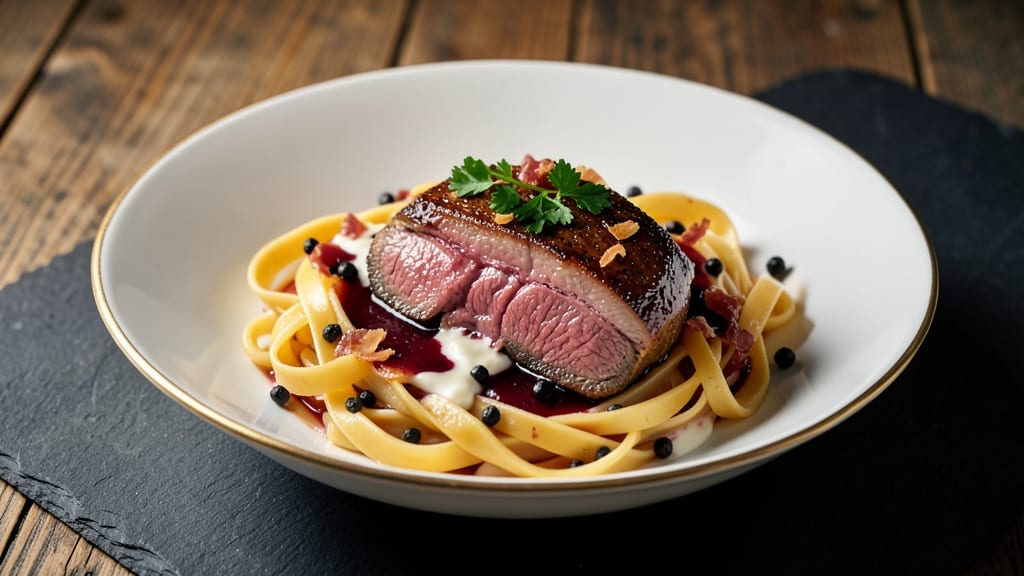
Transforming leftover prime rib into a rich, one-pan pasta dish is the ultimate way to elevate holiday leftovers into a restaurant-worthy meal. The secret lies in using the prime rib drippings to create a deep, savory sauce that coats every strand of pasta, turning simple ingredients into something extraordinary.
I’ve perfected this technique over years of holiday feasts, ensuring every bite delivers that same luxurious prime rib flavor without the fuss of starting from scratch.
This recipe builds on the natural richness of prime rib by incorporating a simple red wine reduction into the pan drippings, which adds complexity and depth.
You’ll slice or shred the leftover meat, toss it with al dente pasta, and finish it all off with a sprinkle of fresh rosemary and a touch of crispy prosciutto for texture. The result? A dish that feels indulgent yet requires minimal effort—ideal for turning leftovers into a standout dinner.
What makes this pasta dish truly special is how it preserves the prime rib’s tenderness while infusing it with new layers of flavor. The sauce clings to the pasta, creating a velvety, cohesive bite that’s both hearty and elegant.
Perfect for feeding a crowd or repurposing a holiday centerpiece, this recipe ensures no prime rib goes to waste—just deliciousness on a plate.
Pair it with a crisp green salad or garlic bread to round out the meal, and you’ve got a complete dining experience that’s sure to impress. Let’s get cooking and turn those leftovers into something extraordinary.
Ingredients for leftover prime rib pasta
Prime rib drippings and a splash of wine transform simple pasta into a luxurious holiday repast.
| Ingredient | Amount | Notes |
|---|---|---|
| Leftover Prime Rib 🥩 | 1 ½ lb | Sliced or shredded into bite-sized pieces |
| Prime Rib Drippings 🍲 | ½ cup | Reserved from cooking prime rib |
| Dry Pasta 🍝 | 12 oz | Fettuccine or pappardelle preferred |
| Dry Red Wine 🍷 | ¼ cup | Cabernet Sauvignon or Merlot |
| Beef Broth 🥄 | ½ cup | Low-sodium preferred |
| Heavy Cream 🥛 | ¼ cup | Full-fat for richness |
| Fresh Rosemary 🌿 | ¼ cup | Chopped finely, stems removed |
| Prosciutto 🥓 | 2 oz | Thinly sliced, crispy edges |
| Garlic Cloves 🧄 | 3 cloves | Minced or finely chopped |
| Shallots 🧅 | 2 whole | Minced finely |
| Olive Oil 🫒 | 2 tbsp | Extra-virgin for sautéing |
| Salt 🧂 | 1 tsp | Kosher or sea salt |
| Black Pepper 🌶️ | ½ tsp | Freshly ground |
| Parmesan Cheese 🧀 | ¼ cup | Freshly grated |
The prime rib drippings are the heart of this dish—never discard them! Reserve them carefully when cooking the original roast, storing in a sealed jar in the fridge for up to 1 week. For the wine, Cabernet Sauvignon or Merlot work best—their bold flavors complement the beef. If you don’t have any, beef broth with a splash of balsamic vinegar will do in a pinch. The pasta should be al dente; undercooking ensures it holds up to the rich sauce. Fettuccine or pappardelle are ideal, but any long pasta will work. Fresh rosemary adds an aromatic touch—buy sprigs and chop them yourself for the best flavor, or use dried at one-third the amount.
No prosciutto? Crispy pancetta or thick-cut bacon makes a great substitute. The shallots can be swapped for 1/4 cup finely chopped yellow onion if needed. For extra depth, deglaze the pan with a splash of brandy after sautéing the garlic and shallots. The heavy cream adds richness, but half-and-half or whole milk can be used for a lighter version. When grating Parmesan, use a fine grater and do it fresh—pre-grated cheese contains anti-caking agents that make the sauce grainy. The prosciutto should be crispy; toast it in a dry pan for 30 seconds per side before adding to the pasta.
This dish reheats beautifully—store leftovers in the fridge for up to 4 days, covered tightly. For longer storage, freeze for up to 3 months in an airtight container. The sauce thickens as it cools, so add a splash of warm water or broth when reheating. To serve, toss the pasta with the sauce and meat, then top with prosciutto and fresh rosemary. Garnish with extra Parmesan if desired—this dish tastes even better the next day as the flavors meld.
Why You'll Love This Recipe
- No-Waste Magic: I swear by this trick—those prime rib leftovers? They’re gold in this dish. No sad scraps going to waste; instead, they become the star of a rich, saucy pasta that tastes like you spent hours cooking (but didn’t).
- Rich in Minutes: Between us, the drippings from the prime rib are the secret weapon here. Just deglaze the pan with red wine and beef broth—boom—instant depth. That’s the kind of flavor that makes you pause mid-bite and nod like, “Yeah, this is worth it.”
- Weeknight to Dinner Party: Honestly, this recipe is my go-to for lazy Tuesdays and when I need to impress. Toss in some garlic, a splash of wine, and you’ve got a dish that feels fancy but takes less time than deciding what to order for takeout.
- Budget-Boosting Luxury: Prime rib feels fancy, but this pasta turns it into a meal that stretches your dollar. A few slices go a long way, and the sauce? It’s so flavorful, you’ll forget you’re using leftovers—until you see the price tag at checkout.
Step-by-step instructions for leftover prime rib pasta
Transform leftover prime rib into a luxurious pasta dish with rich, layered flavors.
Sear the Prosciutto and Sauté Aromatics
Heat the 2 tablespoons olive oil in a large, deep skillet over medium heat. Add the 2 ounces prosciutto and cook for 2-3 minutes until the edges begin to crisp and the slices separate. Remove the prosciutto with a slotted spoon and set aside on a paper towel.
In the same skillet, add the 2 whole shallots and 3 cloves garlic cloves, mincing them directly into the pan as they cook. Sauté for 3-4 minutes until the shallots soften and become translucent, stirring occasionally. The garlic should release its aroma without browning—this ensures sweetness rather than bitterness in the final dish.
Build the Sauce with Wine and Drippings
Pour in the 0.25 cup dry red wine and scrape up any browned bits from the bottom of the pan with a wooden spoon. Let the wine simmer for 2-3 minutes until reduced by half, allowing the alcohol to cook off and the flavors to concentrate. This step is critical for developing depth in the sauce.
Add the 0.5 cup prime rib drippings and 0.5 cup beef broth, stirring to combine. Bring the mixture to a gentle simmer and let it reduce for 4-5 minutes until slightly thickened. The sauce should coat the back of a spoon—this ensures it will cling beautifully to the pasta later.
Cook the Pasta and Incorporate Prime Rib
Add the 12 ounces dry pasta to the skillet, ensuring it's well-coated with the sauce. Pour in 2 cups of water (enough to cover the pasta) and bring to a boil. Cook the pasta for 8-10 minutes, stirring occasionally, until it reaches al dente texture. You want the pasta to be tender but still firm to the bite—this prevents it from becoming mushy when combined with the rich sauce.
Once the pasta is nearly done, add the 1.5 pounds leftover prime rib, breaking it into bite-sized pieces as you stir. The residual heat will gently warm the meat while the pasta finishes cooking. Remove the skillet from heat and fold in the 0.25 cup heavy cream and 0.25 cup finely chopped fresh rosemary, stirring until the cream is fully incorporated and the rosemary is evenly distributed.
Finish with Crispy Prosciutto and Parmesan
Return the skillet to low heat and stir in the crispy prosciutto you set aside earlier. The prosciutto will add a salty, savory contrast to the rich sauce and tender prime rib. Season with 1 teaspoon salt and 0.5 teaspoon black pepper, tasting as you go to ensure the flavors are balanced. The dish should be rich but not overly salty—adjust to your preference.
Remove the skillet from heat and stir in the 0.25 cup freshly grated parmesan cheese. The cheese will melt into the sauce, creating a velvety finish. Taste one last time and adjust seasoning if needed. Serve immediately, garnished with an extra sprinkle of black pepper and a few rosemary sprigs for presentation.
Pro Tips For Making Leftover Prime Rib Pasta
- SHRED THE MEAT FIRST: Don’t slice those prime rib leftovers—shred them with two forks right after reheating (or straight from the fridge if cold). You’ll get tender, even strands that cling to the pasta instead of tough, chewy chunks. I used to cut it thinly, but shredding makes all the difference when mixing with sauce.
- DEGLAZE WITH WINE AND HEAT: After browning the leftover prime rib in a pan, pour in the red wine and let it bubble hard for 30 seconds before adding broth. That quick boil pulls out deeper flavor from the drippings—skimp on the heat, and you’re left with a weak, winey taste instead of rich sauce.
- SAVE THE DRIPPINGS: Strain those prime rib drippings through a fine-mesh sieve into a jar before using any in your pasta. The fat separates cleanly, and you’ll have a concentrated, flavor-packed base for future sauces. I learned this the hard way after ruining a batch of gravy with gunky bits.
- COOK PASTA AL DENTE THEN FINISH IN SAUCE: Boil your pasta one minute less than package instructions, then toss it straight into the wine-broth sauce off the heat. The residual starch helps the sauce cling, and the pasta finishes cooking in the warm liquid. Overcooking here turns your dish into mush—trust the timer.
Make-ahead tips for this leftover prime rib pasta
Prep Ahead Sauce
Make the sauce the day before for deeper flavor development. Reserve the prime rib drippings and store them in a sealed jar in the fridge. Combine 0.5 cup drippings, 0.25 cup red wine, 0.5 cup beef broth, and 0.25 cup heavy cream in a saucepan.
Simmer over low heat for 10 minutes, then cool completely before refrigerating. The sauce will thicken as it rests—just reheat gently with a splash of water when ready to use. 🍲
Pasta Pre-Cooking
Cook the pasta one step ahead to save time during assembly. Boil 12 oz fettuccine in salted water for 1 minute less than package instructions (aim for 7 minutes for al dente). Drain, rinse briefly with cold water, and toss with 1 tbsp olive oil to prevent sticking.
Store in an airtight container at room temperature for up to 2 hours or refrigerate for 4 hours. Reheat in a dry skillet over medium heat for 2-3 minutes before adding to the sauce.
Prime Rib Prep
Slice or shred the leftover prime rib into ½-inch thick pieces and store in a sealed container in the fridge for up to 3 days. For best results, reheat gently in a skillet over low heat with 1 tbsp beef broth for 3-4 minutes until warmed through.
Avoid microwaving—it dries out the meat. I like to add a pinch of fresh rosemary while reheating to infuse extra flavor. 🥩
Prosciutto Crisping
Crisp the prosciutto ahead of time to save assembly-day stress. Arrange 2 oz thin slices in a single layer on a baking sheet and broil for 2-3 minutes until edges curl and crisp.
Cool completely, then store in a sealed container. Reheat in a dry skillet for 30 seconds per side before adding to the pasta—this restores crispiness. 🥓
Freezer-Friendly Assembly
For a fully make-ahead meal, assemble everything except the final prosciutto and Parmesan. Combine cooked pasta, reheated prime rib, and chilled sauce in a freezer-safe container. Freeze for up to 3 months.
To serve, thaw overnight in the fridge, then reheat in a skillet over medium heat for 5-7 minutes, stirring occasionally. Top with crispy prosciutto and fresh Parmesan just before serving. ❄️
Garnish Last-Minute
Save fresh rosemary, black pepper, and Parmesan for final presentation. These elements add vibrant color and texture that’s best when added just before serving. I like to sprinkle 1 tsp fresh rosemary and ½ tsp black pepper over each portion, then finish with 2 tbsp grated Parmesan.
The aroma alone makes the dish feel restaurant-worthy. ✨
Nutrition facts
Frequently asked questions
Can I use any leftover beef instead of prime rib?
While prime rib's rich, buttery flavor is ideal, you can substitute with other high-quality beef like filet mignon or ribeye. Avoid lean cuts like flank steak—they won't hold up as well in the creamy sauce. For best results, choose beef with good marbling to maintain tenderness.
What if I don't have red wine for the sauce?
No problem! Use beef broth with 1 tablespoon balsamic vinegar or dry sherry as substitutes. For extra depth, add ½ teaspoon Worcestershire sauce to mimic wine's acidity. The dish will still be delicious—just slightly different in flavor profile.
How do I prevent the pasta from getting soggy when reheating?
Cook the pasta 1 minute less than package instructions (aim for al dente) and toss with 1 tablespoon olive oil after draining. Store in an airtight container, and when reheating, use a dry skillet over medium heat for just 2-3 minutes before adding to the sauce. This keeps it firm and prevents absorption.
Can I make this dish ahead of time?
Assemble everything except the final prosciutto and Parmesan, then refrigerate for up to 2 days. Reheat gently in a skillet over low heat for 5-7 minutes, stirring occasionally. Add crispy prosciutto and fresh Parmesan just before serving for the best texture and flavor.
What's the best way to store leftover prime rib for this recipe?
Slice or shred the meat into ½-inch pieces and store in an airtight container in the fridge for up to 3 days. For longer storage, freeze for 3 months. When ready to use, thaw overnight in the fridge and reheat gently in a skillet with 1 tablespoon beef broth over low heat for 3-4 minutes. Avoid microwaving to keep it tender.