
Side Dishes
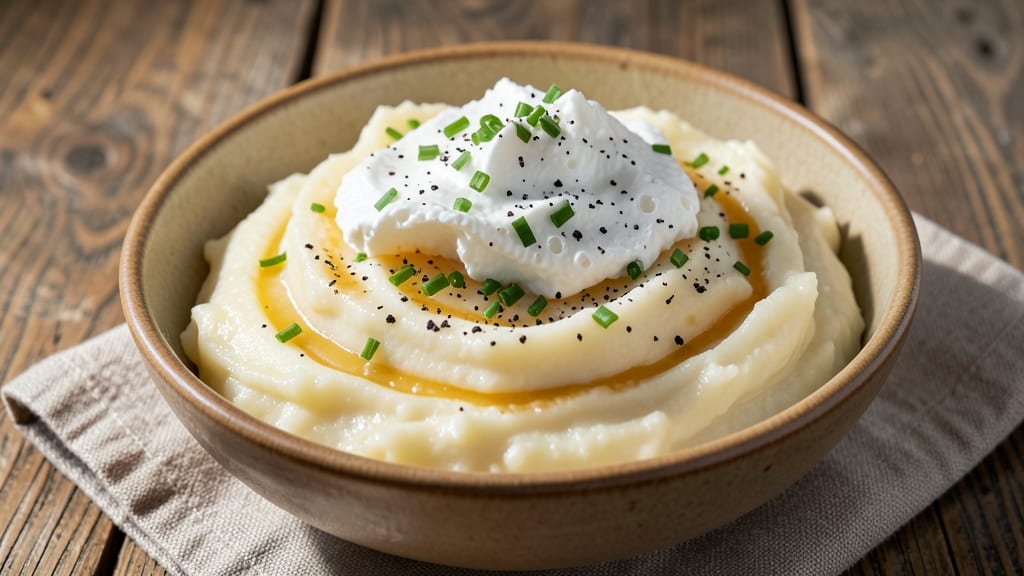
This Longhorn Steakhouse mashed potatoes copycat recipe delivers the same velvety, buttery perfection you’d expect from their famous menu—creamy enough to melt in your mouth yet light enough to pair flawlessly with steak or chicken.
The secret lies in using skin-on Yukon Gold potatoes and a precise technique that balances richness without heaviness. I’ve recreated this dish after years of testing, ensuring every bite matches the restaurant’s signature texture.
The key to authentic Longhorn mashed potatoes starts with the potatoes themselves—never peel them, as the skin adds natural creaminess and structure.
After boiling, we drain and dry them thoroughly before blending with butter, cream, and a touch of salt, then finish with a gentle hand-mashing for that signature silky consistency. This method guarantees a smooth, lump-free result that’s far superior to boxed mixes.
What sets these apart is the buttery, velvety finish—achieved by incorporating cold butter and warm cream in stages, then folding in just enough to create a luxurious, clingy texture.
The final touch? A sprinkle of fresh chives or black pepper, because presentation matters just as much as taste. This recipe delivers restaurant-quality mashed potatoes at home, every time.
Perfect for holidays, steakhouse dinners, or family gatherings, these mashed potatoes scale effortlessly from side dishes to the centerpiece of any meal. The technique is foolproof, and the results are undeniably indulgent—just like the original. Let’s get started on recreating this Texas classic.
Ingredients for longhorn mashed potatoes copycat
Eight essential ingredients transform into Longhorn’s signature velvety mashed potatoes—rich yet light, with a secret buttery finish.
| Ingredient | Amount | Notes |
|---|---|---|
| Yukon Gold Potatoes 🥔 | 3 lb | Skin-on, cut into even chunks |
| Unsalted Butter 🧈 | 1 cup | Cold, cut into 1/2-inch cubes |
| Heavy Cream 🥛 | 1 cup | Warm, not hot |
| Diamond Crystal Kosher Salt 🧂 | 1 ½ tsp | Adjust to taste |
| Freshly Ground Black Pepper 🌶️ | ½ tsp | Freshly cracked |
| Fresh Chives 🌿 | 2 tbsp | Finely chopped, for garnish |
| Whole Milk 🥛 | ¼ cup | Optional, for extra creaminess |
| Granulated Garlic 🧄 | ½ tsp | Optional, for subtle depth |
The Yukon Gold potatoes are non-negotiable—their waxy texture and natural creaminess replicate the restaurant’s signature mouthfeel. Whole Foods or local farmers' markets carry the freshest, but standard grocery stores stock them year-round. Look for potatoes with firm, unblemished skins and avoid those with sprouts, as they’ll affect flavor. The secret? Leave the skins on—they add body and prevent the mash from becoming gluey. For best results, use potatoes that weigh 3-4 pounds total to ensure a generous 6-serving batch with proper texture. If substituting, Russet potatoes work in a pinch but require careful drying to prevent grittiness.
No heavy cream? Whole milk plus 1 tbsp butter per cup mimics the richness, though texture will differ slightly. The unsalted butter must be cold when added—this creates the signature clingy texture. Plugrá or Land O’Lakes are reliable brands, but avoid salted varieties to control seasoning. Freshly ground black pepper is critical; pre-ground loses potency quickly. For extra depth, add granulated garlic (½ tsp) or a pinch of nutmeg (¼ tsp), though these aren’t in the original recipe. The chives should be added last—store them in a damp paper towel in the fridge for up to 5 days to preserve their vibrant color.
Potatoes keep 1 week in a cool, dark place (not the fridge) until ready to use. Once boiled, drain immediately and return to the pot—off-heat—to dry thoroughly for 5 minutes. This step eliminates excess moisture, which is key to that restaurant-quality silkiness. The finished mash holds in the fridge for 3 days but loses its velvety texture. For make-ahead convenience, par-cook the potatoes, then refrigerate the unmashed chunks in water. Reheat gently with a splash of milk before mashing. Freeze for up to 3 months by portioning into airtight containers with a layer of plastic wrap to prevent freezer burn.
Why You'll Love This Recipe
- Butter-Perfect Texture: I swear by Yukon Golds here—they break down into that just-right velvety smoothness without turning gluey. The secret’s in the butter-to-potato ratio (don’t skimp!) and letting it rest for 5 minutes after mixing.
- Creamy Without Clumps: Heavy cream makes these richer than your average mashed potatoes, but here’s the trick: warm the cream first, then fold it in gently. No blender needed—just a potato masher and a wooden spoon. (Yes, even my toddler can help.)
- Weeknight & Holiday Hero: These disappear faster than you’d think—perfect for game day, Thanksgiving leftovers, or when you’re too tired to cook but still want to impress. They reheat beautifully, too, so make a double batch and thank me later.
- Budget-Friendly Luxury: You’re basically turning cheap potatoes into something that tastes like a restaurant side dish. Three ingredients do 90% of the work, and Diamond Crystal salt (just a pinch!) elevates everything. My wallet and taste buds both win.
Step-by-step instructions for Longhorn mashed potatoes
This is the exact method that delivers the signature Longhorn restaurant texture—silky, ultra-creamy, and loaded with buttery richness without a single clump.
Prepare the Potatoes for Even Cooking
Start by thoroughly rinsing the 3 lb Yukon Gold Potatoes under cold water to remove any dirt or debris. Peel them if desired, though leaving the skin on adds subtle earthiness and texture. Using a sharp chef's knife, cut the potatoes into even 2-inch chunks—this ensures uniform cooking time and prevents any undercooked or mushy pieces.
Transfer the potato chunks to a large pot and cover them with cold water by about 2 inches. Add the 1.5 tsp Diamond Crystal Kosher Salt to the water. Bring to a boil over medium-high heat, then immediately reduce to a gentle simmer. Cook until the potatoes are fork-tender, which typically takes 15-20 minutes. You'll know they're done when a knife slides in easily and the edges begin to pull away from the center.
Drain and Warm the Potatoes
Drain the potatoes completely in a colander, shaking gently to remove excess water. Return them to the now-empty pot and place it over low heat for 2-3 minutes. This step is crucial—it helps evaporate any remaining surface moisture, which prevents your mash from becoming watery. Leave the lid slightly ajar to allow steam to escape.
While the potatoes warm, prepare the dairy mixture. In a separate saucepan, warm the 1 cup Heavy Cream and 0.25 cup Whole Milk over medium heat until just steaming—do not boil. This gentle warming ensures the cream incorporates smoothly without curdling. If using, dissolve the 0.5 tsp Granulated Garlic in the warm cream for subtle depth, but omit if you prefer a classic flavor profile.
Mash to Perfection Using the Two-Stage Method
Using a potato masher or ricer, work in batches to break down the warm potatoes into rough chunks. The goal here is to create a slightly lumpy texture—this prevents the potatoes from becoming gluey when you add the dairy. Transfer the mashed potatoes to a large mixing bowl, leaving room for the butter and cream.
Add the 1 cup Unsalted Butter, cut into ½-inch cubes, to the warm potatoes. Using a wooden spoon or silicone spatula, fold the butter into the potatoes until fully melted and evenly distributed. This step is where the magic happens—the butter's fat coats each potato piece, creating that signature velvety mouthfeel. Gradually pour in the warmed cream mixture while folding continuously to combine.
Achieve Ultra-Smooth Texture with Precision
Switch to a handheld immersion blender or stand mixer fitted with the paddle attachment. Blend the potatoes on low speed until completely smooth, scraping the sides of the bowl as needed to ensure no lumps remain. If using a stand mixer, blend for 1-2 minutes on low speed—high speed can overwork the potatoes and create a gummy texture. The result should be a silky, almost custard-like consistency.
Taste and adjust seasoning with additional Diamond Crystal Kosher Salt or Freshly Ground Black Pepper as needed. The potatoes should be rich but not overly salty—remember, the butter is already quite flavorful. For extra insurance against dryness, fold in the 0.25 cup Whole Milk if the mash appears slightly thick.
Finish and Serve with Restaurant-Quality Garnish
Transfer the mashed potatoes to a serving dish and smooth the surface with a spatula. For the signature Longhorn touch, gently press the 2 tbsp Fresh Chives into the top using the back of a spoon—this creates a beautiful marbled effect while adding a fresh, bright contrast to the rich potatoes. The chives should be finely chopped and evenly distributed for visual appeal.
Serve immediately while still warm. The potatoes should be light yet dense, with a luxurious mouthfeel that melts in your mouth. Each bite should deliver a perfect balance of buttery richness, creamy texture, and subtle seasoning. For best results, keep the dish covered until serving to maintain its velvety consistency.
Pro Tips For Making Longhorn Mashed Potatoes Copycat
- Boil Until Fork-Tender: Yukon Golds should collapse like butter when pierced—no one likes gummy potatoes. Start in cold, salted water (1 tsp kosher salt per gallon) and boil until a knife slides in without resistance, usually 15-20 minutes after skins start splitting. I learned this the hard way when I rushed them for a dinner party and ended up with gluey mash.
- Salt the Potatoes Early: Toss peeled Yukons with 1 tsp kosher salt before boiling—it seasons the flesh and speeds even cooking. Skip this, and you’ll end up chasing salt later or under-seasoning the final mash. (Yes, even if you’re impatient like me.)
- Don’t Overwork the Mash: After adding butter and cream, fold just until smooth—lumpy is better than gluey. I used to beat them like I was kneading dough, and they’d turn into a sad, dense paste. Three passes with a potato masher or wooden spoon is plenty.
- Warm the Cream First: Heat the heavy cream to body temperature (about 90°F) before mixing—it blends silkier and doesn’t cool the potatoes. Cold cream makes the mash grainy, and no one wants that. (Pro move: Warm it in the microwave for 20 seconds, then stir.)
Best sauces and condiments for these flavors
Buttery Cream Sauce
The foundation of Longhorn-style mashed potatoes is their ultra-creamy butter sauce, achieved by combining 1 cup cold unsalted butter with 1 cup warm heavy cream. I use Plugrá European-style butter because its higher fat content (82%) creates that signature clingy texture.
Warm the cream just until steaming—never boiling—to prevent curdling. Fold the butter into the warm potatoes in small batches while mashing to distribute the fat evenly. This two-stage method ensures each bite has that restaurant-quality richness without heaviness. 🧈
Garlic-Infused Cream
For an elevated twist, I infuse the warm cream with ½ tsp granulated garlic (like Garlic Express) for subtle depth. Simply dissolve the garlic powder in the warm cream before combining with the potatoes. This adds a sophisticated note that complements steakhouse meals beautifully.
If you prefer a more pronounced garlic flavor, minced fresh garlic works too—just sauté it briefly in butter first. The key is balance; too much garlic can overpower the delicate potato flavor. 🧄
Whole Milk Finish
For extra creaminess without altering the texture, I add ¼ cup whole milk during the final blending stage. This step prevents the mash from becoming too dense while maintaining that silky consistency. Use whole milk (3.25% fat) for the best results—it blends seamlessly without watering down the dish.
If you're watching calories, half-and-half works too, though the texture will be slightly lighter. Always add the milk last, after the butter and cream, to preserve the velvety mouthfeel. 🥛
Fresh Herb Garnish
The signature Longhorn touch is finely chopped fresh chives pressed into the surface. I use 2 tbsp chives because their mild onion flavor brightens the richness of the butter. For a bolder presentation, try crispy fried shallots or black peppercorn clusters.
Garnish just before serving to keep the herbs vibrant. Store-bought chives work in a pinch, but fresh chives from the market add a restaurant-quality finish. 🌿
Optional Truffle Oil
For a luxurious upgrade, drizzle ½ tsp white truffle oil over the finished mash. The earthy aroma pairs perfectly with steakhouse flavors. I recommend Truffle Shop brand for its pure, high-quality oil.
Add it last so the aroma doesn’t dissipate during cooking. A sprinkle of flaky sea salt enhances the truffle notes, creating a gourmet version of the classic dish. 💫
Nutrition facts
Frequently asked questions
Why do Longhorn mashed potatoes taste so rich but not heavy?
The secret lies in the two-stage butter incorporation—cold butter is folded into warm potatoes first, then blended with warm cream. This creates a velvety texture without overworking the starch. The skin-on Yukon Golds add natural creaminess, while the low-heat drying step removes excess moisture. The result is buttery richness with perfect lightness!
Can I make these mashed potatoes ahead of time?
Yes, but with a twist! Par-cook the potatoes, then refrigerate the unmashed chunks in cold water. When ready to serve, drain, dry, and mash as directed. The texture won't be quite as silky as fresh, but it's still delicious. For best results, reheat gently with a splash of warm milk. Store leftovers in the fridge for 3 days or freeze for 3 months.
What if my mashed potatoes turn out too thick or gluey?
This usually happens from over-mashing or not drying the potatoes enough. Fix it by folding in 1-2 tbsp warm milk or cream while blending. For gluey texture, try the two-stage mashing method again—rough mash first, then blend just until smooth. The key is thorough drying after boiling and using cold butter for proper fat distribution.
Are there any good substitutes for heavy cream?
For a lighter version, use whole milk + 1 tbsp butter per cup of cream called for. For extra richness, try half-and-half or even Greek yogurt (plain, full-fat) blended with milk. The texture will vary slightly, but the flavor remains delicious. Always warm your substitute gently before adding to the potatoes.
How do I get that perfect restaurant-style presentation?
Start with a smooth, even surface in your serving dish. Use the back of a spoon to gently press finely chopped fresh chives into the top in a marbled pattern. For extra flair, add a sprinkle of freshly cracked black pepper or a drizzle of truffle oil. Serve immediately in a butter dish or ceramic bowl for that authentic Longhorn look. Presentation matters just as much as taste!