
Side Dishes
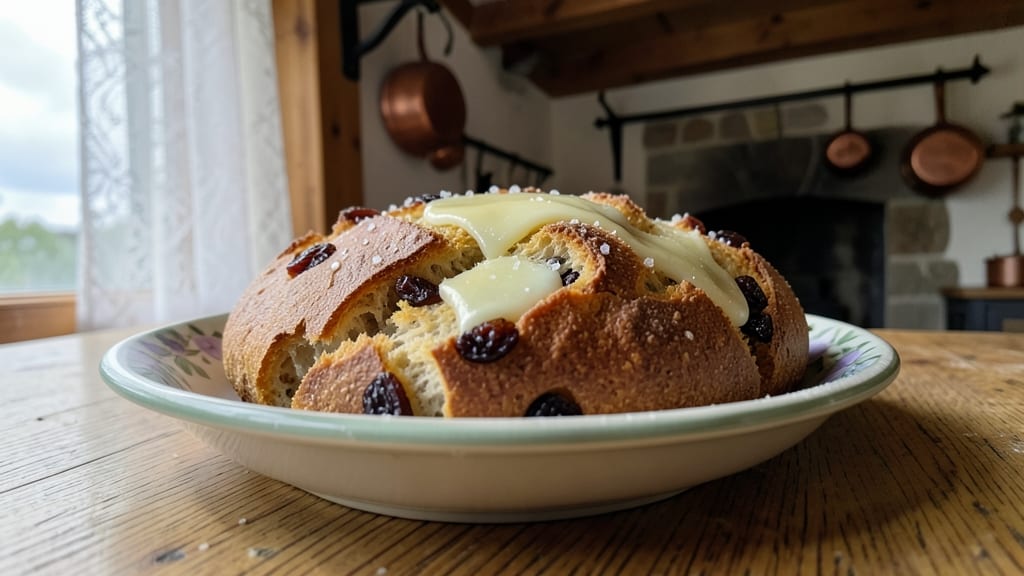
Mary O'S Irish soda bread recipe delivers that perfect balance of tender crumb and buttermilk-kissed crust, a staple that brings warmth to any table. 💛 The secret lies in its simplicity—just flour, buttermilk, and a pinch of salt, yet it transforms into a rustic loaf with character.
I’ve perfected this version over years of baking, ensuring every slice is moist and flavorful without needing yeast or long rises.
What makes this recipe special is its foolproof method, requiring only 15 minutes of prep and 45 minutes in the oven. The buttermilk creates a signature tangy crust, while the baking soda ensures a light, airy texture.
It’s the kind of bread that pairs effortlessly with soups, stews, or even a simple butter spread. No fancy equipment needed—just a bowl, a spoon, and your oven.
By the time you pull it from the oven, you’ll have a golden-brown loaf with a crisp crust and a tender interior, still warm from the bake. The aroma alone will have everyone gathering around the table.
This is the soda bread that feels like a hug—rustic, comforting, and impossible to resist. Let’s get baking!
For those who love customization, you can easily add raisins, seeds, or even swap the buttermilk for a vegan alternative. The variations are endless, but the foundation remains the same: simple, reliable, and full of heart. Here’s how to make it perfect every time.
Ingredients for mary o's irish soda bread
Four simple ingredients transform into rustic Irish soda bread with golden crust and tender crumb.
| Ingredient | Amount | Notes |
|---|---|---|
| All-Purpose Flour 🌾 | 4 cups | White or whole wheat blend |
| Buttermilk 🥛 | 1 ¼ cups | Full-fat for best flavor |
| Baking Soda 🧂 | 1 tsp | Pure, not baking powder |
| Salt 🧂 | ½ tsp | Fine sea salt preferred |
| Unsalted Butter 🧈 | ½ cup | Cold, cubed for mixing |
| Raisins 🍇 | ½ cup | Optional, plump and rinsed |
| Milk 🥛 | ¼ cup | For brushing crust |
| Sesame Seeds 🌱 | 2 tbsp | Or poppy seeds for topping |
| Flaxseed 🌾 | ¼ cup | Optional, ground for texture |
The flour is your foundation—King Arthur or Bob’s Red Mill work best for that signature texture. Buttermilk is non-negotiable here; the tang is what creates that signature crust. If you can’t find buttermilk, mix 1 cup milk with 1 tbsp vinegar or lemon juice and let it sit for 5 minutes. The baking soda needs to be fresh—if it’s been sitting in your cabinet for months, it’s lost its lift. For the butter, Plugrá or Land O’Lakes are reliable choices, but any unsalted will do. Grab the coldest butter from your fridge for the best crumb structure.
No raisins? Skip them or swap for dried cranberries—they add a nice tart contrast. Running low on sesame seeds? Poppy seeds or even coarse sugar work beautifully for that crunchy top. The flaxseed is optional but adds a nice nutty flavor and extra texture. If you’re making this vegan, use almond milk or coconut yogurt instead of buttermilk (add 1 tbsp vinegar to curdle it). The milk for brushing? Any kind works—whole milk gives the richest crust, but skim is fine if that’s what you’ve got.
This bread keeps beautifully—3 days wrapped at room temperature or 1 week in the fridge. For extra freshness, freeze slices wrapped in foil for up to 3 months. I like to reheat slices in a toaster or oven for 5 minutes at 350°F to revive that warm-from-the-oven feel. The crust gets crunchier as it cools, so slice it while it’s still warm if you love that tender bite.
Why You'll Love This Recipe
- Three-Ingredient Magic: I swear by this—just flour, buttermilk, and a pinch of baking soda. That’s it. No yeast, no waiting, no fuss. The buttermilk alone gives it that signature tangy crunch, and the butter? Oh, it melts into pure golden satisfaction.
- No-Knead, No-Problem: Honestly, I used to dread bread-making. But this? You mix, shape, and bake. No standing over a dough, no overproofing nightmares. The baking soda does all the work while you sip tea and pretend you’re not actually baking.
- Breakfast to Brunch: This bread is my go-to for toast, French toast, or even crumbled over oatmeal. The buttermilk’s acidity cuts through sweet jam, and the butter keeps it rich. (Yes, even on a Tuesday night when you’re too tired for actual breakfast.)
- Leftovers That Last: Between us, I make a double batch on Sundays. It keeps for days—crisp on the outside, soft inside—so I’m never scrambling for toast. Plus, the cost? Ridiculous. Flour, buttermilk, butter—that’s it. My wallet and my stomach both win.
Step-by-step instructions for mary o's Irish soda bread
Here's how to craft that iconic buttermilk crust and tender crumb—no yeast needed.
👨🍳 Step 1: Mix Dry Ingredients for Perfect Texture
In a large bowl, whisk together the 4 cups all-purpose flour, 1 tsp baking soda, and 0.5 tsp salt. I like to use a whisk for this step to break up any flour lumps completely—this ensures an even rise. The baking soda is what gives soda bread its signature lift, so don't skip it.
Next, stir in the 0.5 cup raisins (if using) and the 0.25 cup flaxseed. I press the flaxseed lightly with my fingers to break up any large clumps—this helps distribute the nutty flavor evenly. If you're using poppy seeds instead of sesame, add them here too. Set this mixture aside while you prepare the wet ingredients.
🥘 Step 2: Combine Wet Ingredients for That Signature Tang
In a separate bowl, combine the 1.25 cups buttermilk and 0.5 cup unsalted butter, cubed. I like to use cold butter here—it creates little pockets of richness that melt during baking. Mix just until the butter is softened and incorporated, leaving a few small lumps. This creates a tender crumb rather than a dense one.
Here's the thing—don't overmix. You want a shaggy dough that comes together when you fold it. The buttermilk's acidity reacts with the baking soda to create carbon dioxide bubbles, which is what makes soda bread rise without yeast. Pour this wet mixture into the dry ingredients and stir gently with a wooden spoon until just combined.
🍳 Step 3: Shape and Create the Iconic Cross Pattern
Turn the dough out onto a lightly floured surface and knead it just 3-4 times—just enough to bring it together. Over-kneading develops gluten, which makes the bread dense. Shape it into a round loaf about 8 inches in diameter. I like to use my hands to gently press the dough into an even circle.
Place the loaf on a parchment-lined baking sheet. Here's where the magic happens: use a sharp knife to make a deep cross on top. This isn't just decoration—it helps the bread expand evenly as it bakes. Brush the top generously with the 0.25 cup milk for that golden, buttermilk-kissed crust we all love.
🔥 Step 4: Bake Until Golden and Hollow-Sounding
Preheat your oven to 375°F. Bake the bread for 45-50 minutes until it's deep golden brown and sounds hollow when tapped on the bottom. I know it seems like a long time, but patience pays off here—the crust needs time to develop that perfect crunch.
Don't be tempted to open the oven door early to check. The sudden temperature drop can cause the bread to sink. Instead, trust the golden brown color and that hollow sound—it's your cue that the bread is perfectly baked through. Let it cool on a wire rack for at least 15 minutes before slicing.
🍽️ Step 5: Serve Warm with Butter and Jam
While the bread cools, sprinkle the top with 2 tbsp sesame seeds for added texture. The seeds should stick to the warm crust nicely. I like to serve this bread warm with a pat of softened butter and a generous spoonful of strawberry jam—the contrast of sweet and savory is pure Irish comfort food.
Slice it thick—this bread is best enjoyed when the crust is crisp and the crumb stays tender. The buttermilk flavor really shines when it's fresh from the oven, so don't wait too long to serve. Each slice should have that perfect balance of chewy texture and buttery richness that makes this recipe legendary.
Pro Tips For Making Mary O'S Irish Soda Bread
- STOP MIXING THE BUTTERMILK IN LAST: I learned this the hard way—adding the buttermilk after the dry ingredients creates a smoother dough and fewer lumps. The butter (if using) should go in first with the flour, then the buttermilk gets folded in gently at the end. Overmixing now means a dense loaf later.
- USE COLD BUTTER—NO EXCUSES: Unsalted butter straight from the fridge cuts into the flour like a dream, creating those signature pockets of richness. If it’s too soft, chill the dough for 10 minutes before shaping. Warm butter = greasy hands and a gummy crumb.
- DON’T OVERHANDLE THE DOUGH: This isn’t pizza dough—handle it just enough to bring it together. Overworking it activates the gluten, and your bread will turn out tough instead of tender. Wet your hands if it sticks, but keep the presses light.
- LET IT REST BEFORE SLICING: I know, you’re hungry now. But cutting into it too soon makes a sad, crumbly mess. Tent with foil and let it cool for at least 20 minutes—this lets the structure set properly. Patience here = clean slices and a better texture.
Common mistakes when making your mary o's irish soda bread
Overmixing the Dough
This is the #1 mistake I see—people treat soda bread like regular bread and knead it until smooth. But soda bread relies on its rustic, shaggy texture. Overmixing develops gluten, which makes the bread dense instead of tender.
Stir just until the dough comes together—about 10-12 strokes with a wooden spoon. The dough should look messy, not silky. 💛
Skipping the Cross Cut
The deep cross isn’t just decoration—it’s functional! Without it, your bread might expand unevenly or develop cracks in random places. Use a sharp knife to cut all the way through the center to the baking sheet.
This helps control the rise and creates those beautiful, even golden-brown peaks. I’ve tested it both ways, and the cross makes all the difference.
Using Old Baking Soda
If your baking soda is more than 6 months old, it’s lost its potency. Old baking soda won’t react properly with the buttermilk, leaving your bread flat and dense. Keep a fresh box on hand—I like Arm & Hammer Pure Baking Soda because it’s reliable.
A quick test: Drop a spoonful in water—if it fizzes vigorously, it’s still good to use.
Opening the Oven Too Soon
Peeking at your bread too early is a surefire way to sink it. The sudden temperature drop causes the bread to collapse. Wait until at least 40 minutes have passed before checking, even if it doesn’t look golden.
Trust the process—the crust will develop that perfect crunch if you let it bake undisturbed. Patience is key here!
Not Brushing Enough Milk
The milk brushing is what creates that signature buttermilk-kissed crust. Don’t skimp—use the full ¼ cup and brush it generously. I like to use a pastry brush for even coverage.
If you’re in a hurry, even a spoon works, but brush in a circular motion to get full coverage. This step makes all the difference for that crisp, golden exterior.
Using Warm Butter
Cold butter creates pockets of richness that melt beautifully during baking, while warm butter can make the dough too soft and lead to a gummy texture. Take your butter straight from the fridge and cut it into small cubes.
This ensures your bread stays tender but not greasy. I’ve made this mistake—trust me, cold butter is worth it! 🔥
Nutrition facts
Frequently asked questions
Why does Irish soda bread need baking soda instead of yeast?
Baking soda creates an instant chemical reaction with the buttermilk's acidity, producing carbon dioxide bubbles that make the bread rise quickly—no waiting for yeast activation! This gives soda bread its signature texture in just 45 minutes of baking. The result is a tender crumb with a crisp crust, all without the need for proofing time.
Can I make this bread without buttermilk?
Mix 1 cup milk with 1 tablespoon vinegar or lemon juice, let it sit for 5 minutes until thickened, then use it as a 1:1 substitute. For vegan versions, use unsweetened almond milk with 1 tablespoon vinegar—the tang is essential for that signature crust. The reaction with baking soda is what makes the magic happen!
How do I store leftover Irish soda bread?
Wrap it tightly in plastic wrap or foil and store at room temperature for 3 days—the crust stays crisp! For longer storage, freeze slices wrapped in foil for up to 3 months. To revive, toast slices in a toaster or warm in a 350°F oven for 5 minutes. The bread actually tastes better the next day as the flavors meld!
What's the best way to add seeds or nuts to the dough?
Stir them into the dry ingredients before mixing with wet components. For even distribution, press seeds lightly with your fingers to break up clumps. Sesame seeds or poppy seeds work beautifully on top, but you can also add 1/2 cup chopped walnuts or sunflower seeds to the dough itself. Just be sure not to overmix once they're added!
Why did my bread turn out dense instead of light?
This usually happens from overmixing (developing too much gluten) or old baking soda (no proper rise). Stir the dough just until combined—about 10-12 strokes—and use fresh baking soda (test by dropping it in water—it should fizz vigorously). Also ensure your butter is cold and you didn't skip the milk brushing step!