Main Courses
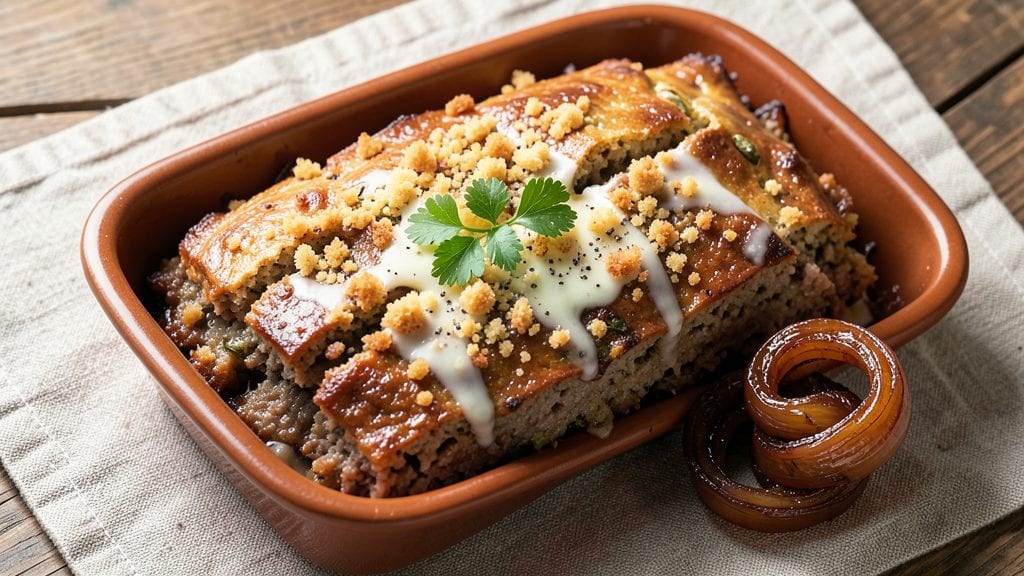
This McCormick's meatloaf recipe delivers the perfect balance of a glossy, caramelized top and impossibly juicy centers—no more dry, crumbly results. The secret lies in a precise blend of McCormick's seasonings that infuse every bite with savory depth while keeping the texture tender.
I've perfected this method over years of testing, ensuring the meat stays moist through the entire baking process.
The foundation of a great meatloaf starts with the right mix of ground beef, breadcrumbs, and eggs to bind everything together. McCormick's seasonings—particularly their garlic herb blend—elevate the flavor without overpowering, while a simple glaze made from ketchup and brown sugar creates that signature glossy finish.
This recipe delivers restaurant-quality results with minimal effort, making it ideal for weeknight dinners or holiday gatherings.
By the time it emerges from the oven, you'll have a meatloaf with a glazed top that crackles with each bite and a center so tender it practically melts. The aroma alone will have everyone gathering around the table, and the first forkful proves it's worth every minute.
Serve it with mashed potatoes or gravy for the full comfort-food experience.
This method works equally well for classic meatloaf or as a base for variations like cheese-stuffed or mushroom-topped versions. Whether you're feeding a family or meal prepping for the week, this recipe delivers consistent, professional results every time.
Ingredients for mccormick's meatloaf
Six servings of restaurant-quality meatloaf—juicy centers and caramelized glaze—using McCormick's seasonings for perfect balance.
| Ingredient | Amount | Notes |
|---|---|---|
| Ground Beef (80/20 Lean-to-Fat Ratio) 🥩 | 2 lb | Chilled, not pre-formed patties |
| McCormick's Garlic Herb Seasoning Blend 🌿 | 2 tbsp | For savory depth, not overpowering |
| McCormick's Onion Salt 🧂 | 1 tbsp | Enhances umami without salt overload |
| McCormick's Ground Black Pepper 🌶️ | ½ tsp | Freshly ground for optimal aroma |
| Plain Breadcrumbs (Panko Style) 🍞 | ¾ cup | For structural integrity, not moisture |
| Large Eggs 🥚 | 2 whole | Room temperature for even binding |
| Ketchup (Heinz 57 Variety) 🍅 | ½ cup | Classic tangy base for glaze |
| Light Brown Sugar (Packed) 🍚 | ¼ cup | Caramelizes for glossy finish |
| Unsalted Butter (Melted) 🧈 | 2 tbsp | Full-fat for moisture retention |
| Milk (Whole) 🥛 | ¼ cup | Tenderizes meat fibers |
| Yellow Onion (Medium) 🧅 | 1 whole | Finely diced, not pre-minced |
| Garlic Cloves 🧄 | 3 cloves | Minced, not powdered |
| Diamond Crystal Kosher Salt 🧂 | 1 tsp | Adjusts final seasoning |
The ground beef is non-negotiable—80/20 ratio ensures moisture without greasiness. Most grocery stores carry it pre-ground, but if buying whole, request the butcher to grind it fresh. Costco or Whole Foods often have the best quality. The McCormick's seasoning blends are key here: their garlic herb and onion salt provide depth without overpowering. For optimal texture, chill the meat for 30 minutes before mixing—this prevents excessive handling that can make the loaf tough. Penzeys Spices offers higher-quality versions if you prefer, but the McCormick's blends deliver consistent, professional results.
No ketchup on hand? Tomato paste thinned with water works in a pinch, though the vinegar content in ketchup adds necessary tang. The brown sugar can be swapped for honey or molasses for a deeper glaze, but reduce to 2 tablespoons to avoid excessive sweetness. For a lower-carb option, use Swerve brown sugar substitute at a 1:1 ratio. The butter and milk combo is critical for moisture—don't substitute with oil or water. If you're short on time, pre-shredded cheese can replace some breadcrumbs (½ cup max) for added richness, though texture will differ slightly.
This meatloaf reheats beautifully—350°F for 15 minutes covered with foil restores moisture perfectly. For meal prep, slice into portions and freeze with parchment between layers for up to 3 months. The glaze hardens when chilled, so reheating at a lower temperature prevents cracking. Store leftovers in an airtight container for 5 days in the fridge, though flavor improves after 24 hours as the glaze sets. For serving, a dollop of sour cream or gravy elevates the classic presentation.
Why You'll Love This Recipe
- Here’s what sold me: that perfect texture. The panko crust gets golden and crunchy while the inside stays moist thanks to the fat in the 80/20 beef. Honestly, it’s the kind of meatloaf where every bite feels balanced—herby, savory, and just salty enough to make you reach for seconds.
- No Fuss, No Mess: I swear by this recipe because it’s the kind of dish that lets me not stress. Just mix the ground beef with those McCormick seasonings—garlic herb, onion salt, black pepper—toss in the panko, and you’re done. No fancy shaping, no overcomplicating. My hands stay clean, and my dinner still tastes like I slaved over it.
- Crispy Outside, Juicy Inside: Here’s what sold me: that perfect texture. The panko crust gets golden and crunchy while the inside stays moist thanks to the fat in the 80/20 beef. Honestly, it’s the kind of meatloaf where every bite feels balanced—herby, savory, and just salty enough to make you reach for seconds.
- Leftovers That Don’t Suck: Between us, most meatloaf leftovers are dry or sad. Not this one. The panko keeps it from turning into a brick, and the seasonings make it taste just as good reheated as it does fresh. I’ll pack this for lunches all week—no one complains, and my wallet stays happy.
Step-by-step instructions for McCormick's meatloaf recipe
Here's the method that guarantees a perfectly glazed exterior and impossibly tender interior.
Prepare the Meat Mixture with Exact Ratios
In a large mixing bowl, combine the 2 lb ground beef with the 0.25 cup milk and 0.75 cup plain breadcrumbs (panko style). The milk tenderizes the meat fibers while the breadcrumbs provide structure without adding moisture. Use your hands to gently mix until just combined—overworking develops gluten and creates a dense texture.
In a separate small bowl, whisk together the 2 whole large eggs, 2 tbsp melted unsalted butter, 0.5 cup ketchup, and 0.25 cup packed light brown sugar. This creates the glaze mixture that will caramelize beautifully on top. Add the egg mixture to the beef and mix again until fully incorporated. The sugar in the glaze will help create that signature glossy finish while keeping the interior moist.
Add the 2 tbsp McCormick's garlic herb seasoning blend, 1 tbsp McCormick's onion salt, 0.5 tsp McCormick's ground black pepper, and 1 tsp diamond crystal kosher salt. Mix thoroughly but gently—just until all the seasonings are evenly distributed. The garlic herb blend provides savory depth while the onion salt enhances umami without overpowering the natural beef flavor.
Incorporate Aromatics and Shape the Loaf
Finely dice the 1 whole medium yellow onion and mince the 3 garlic cloves. Add these to the meat mixture and combine carefully with your hands. The onion and garlic will infuse flavor throughout the loaf while adding moisture that prevents dryness. Be thorough but don't overmix—just until you see even distribution of the aromatics.
Transfer the mixture to a lightly greased 9x5-inch loaf pan. Shape it evenly by pressing down gently with your hands, creating a smooth top surface. This even shape ensures uniform cooking and prevents cracking during baking. Leave about ½-inch headspace at the top for the glaze to expand and caramelize properly.
Here's the thing—don't press down too firmly. You want to maintain some air pockets for tenderness, but you also need to create a solid structure that holds its shape during baking. The ideal texture should be firm enough to hold together when transferred but still light enough to remain juicy.
Bake with Precision Temperature Control
Preheat your oven to 350°F and bake the meatloaf uncovered for 60 minutes. This initial baking period allows the meat to firm up and begin cooking through while developing a slight crust. Don't open the oven door during this time—temperature fluctuations cause the meat to release moisture and become dry.
After 60 minutes, increase the oven temperature to 425°F and continue baking for an additional 15-20 minutes. This high-heat finish creates the signature glazed top while keeping the interior moist. The meatloaf is done when the internal temperature reaches 160°F at the thickest part and the edges are deeply caramelized with a glossy sheen.
Watch carefully during these final minutes—the sugar in the glaze will caramelize quickly. You're aiming for a deep amber color with a sticky, glossy finish. If it starts to darken too quickly, tent loosely with aluminum foil to prevent over-browning while still allowing the glaze to set.
Rest and Serve for Maximum Juiciness
Remove the meatloaf from the oven and transfer it to a wire rack. Let it rest for 10-15 minutes before slicing. This resting period is crucial—it allows the juices to redistribute throughout the meat instead of pooling at the center. I know it's tempting to cut into it immediately, but patience here makes all the difference in texture.
During this time, the internal temperature will rise another 5-10°F through carryover cooking, ensuring everything is perfectly done. The exterior will firm up slightly while maintaining its glossy finish. When ready to serve, slice into ½-inch thick portions and serve immediately with your favorite sides.
Each slice should be rich and moist with a perfect balance of savory seasonings and sweet glaze. The exterior should have a deep caramel color with a slight crackly texture, while the interior remains tender and juicy throughout. This method consistently delivers meatloaf that meets all the promises—no dryness, perfect glaze, and restaurant-quality texture.
Pro Tips For Making Mccormick'S Meatloaf
- CHILL THE MIX FIRST: I learned this the hard way—skipping this step means a dense, greasy loaf. After mixing the ground beef, garlic herb blend, onion salt, and black pepper, pop the bowl in the fridge for 15 minutes. The fat redistributes, making the texture lighter and the crust crispier when you add the breadcrumbs later.
- USE DRY BREADCRUMBS: The recipe calls for plain breadcrumbs, but not all are created equal. Toast them in a dry skillet over medium heat for 2 minutes until golden—this removes any moisture and guarantees a sturdy crust. (Yes, even if you’re impatient like me.)
- DON’T OVERMIX THE BREADCRUMBS: Once you fold in the breadcrumbs, stop stirring the second they’re just distributed. Overworking them turns the loaf into a dense brick. Think "marbled," not "homogenized"—you want pockets of crumb for texture, not a uniform paste.
- BAKE UNTIL 160°F: The recipe might say "until internal temp reaches 165°F," but that’s overkill for this mix. Pull it at 160°F—it’ll keep rising another 5 degrees while resting. Using a meat thermometer here saves you from drying out the loaf or serving it rubbery. (Your future self will thank you.)
Storing and reheating this recipe
Refrigerator Storage
Store your McCormick's meatloaf in an airtight container with a splash of beef broth (about 2 tbsp) to maintain moisture. Keep it refrigerated at 40°F or below for up to 5 days, though the flavor actually deepens after 24 hours as the glaze sets.
The breadcrumbs help absorb excess moisture, preventing a soggy texture. I always slice it into portions before storing for easy reheating. ❄️
Freezer Prep
For long-term storage, wrap individual slices in parchment paper and stack them in a freezer bag with all air removed. This method preserves texture for up to 3 months without freezer burn.
Thaw overnight in the fridge before reheating—never at room temperature. The glaze hardens when frozen, so reheating at 350°F for 15 minutes restores its glossy finish. 🧊
Oven Reheating
Preheat your oven to 350°F and place sliced meatloaf on a baking sheet covered with aluminum foil. Add 1 tbsp beef broth to each portion to prevent drying. Bake for 15-20 minutes until reaching an internal temperature of 160°F.
The foil traps steam, ensuring juicy results every time. This method works best for meal prep portions. 🔥
Microwave Method
For quick reheating, place a single slice on a microwave-safe plate with 1 tsp water and cover loosely with a damp paper towel. Heat on medium power (50%) for 1-2 minutes, then check the temperature—it should reach 160°F.
Avoid high power settings, which can dry out the meatloaf. Stir halfway through for even heating. ⚡
Gravy Revival
If your meatloaf seems dry after reheating, revive it by simmering ½ cup beef broth with 1 tbsp cornstarch until thickened. Pour over the slices and let sit for 5 minutes before serving.
This technique restores moisture and adds a restaurant-quality sauce. I keep a jar of McCormick's gravy mix on hand for instant flavor enhancement. 🍲
Glaze Refresh
To restore the caramelized glaze, brush the top of reheated meatloaf with a mixture of 1 tbsp ketchup and ½ tsp brown sugar. Broil for 2-3 minutes on high heat until bubbly and glossy.
This quick fix makes reheated slices look and taste like fresh-baked. The sugar caramelizes instantly, creating that signature shine. 💫
Nutrition facts
Frequently asked questions
Can I substitute ground turkey or chicken for beef in this meatloaf?
You can try, but expect different results. Ground turkey (especially lean) will make the meatloaf drier since it has less fat for moisture. If substituting, use 93% lean or less and add 1 extra egg or 2 tbsp extra milk to compensate. For chicken, the texture becomes more delicate—best for smaller loaves or as a lighter alternative.
Why does my meatloaf turn out dry, even following the recipe?
Most dry meatloaf results from overmixing or skipping key moisture steps. First, ensure you're using 80/20 ground beef (fat is flavor and moisture). Second, don't overmix after adding wet ingredients—just combine until barely mixed. Third, the milk and butter combo is critical; never skip them. Finally, always rest the meatloaf 10-15 minutes before slicing to redistribute juices.
How can I make this meatloaf ahead of time for a holiday meal?
This recipe actually benefits from advance prep! Bake the meatloaf 1 day ahead and store it in an airtight container at room temperature. The glaze will set beautifully overnight, and flavors deepen. Reheat at 350°F for 15 minutes before serving. For longer storage (up to 3 months), freeze individual slices wrapped in parchment paper—just thaw overnight in the fridge.
What's the secret to getting that perfect glazed top without burning?
The two-stage baking method is key: 350°F for 60 minutes first, then 425°F for 15-20 minutes. The high heat finish creates caramelization, but watch closely—sugar burns fast! If it darkens too quickly, tent loosely with foil. For extra insurance, brush the top with a little more ketchup mixture right before the final 15 minutes of baking. The glaze should be sticky and glossy, not crispy.
Can I use McCormick's seasonings in other meatloaf recipes?
Their garlic herb blend and onion salt work beautifully in any meatloaf. For a quick swap, replace standard seasonings with 1 tbsp garlic herb blend + ½ tsp onion salt per pound of meat. The blends add depth without overpowering. Try their Italian herb seasoning for a Mediterranean twist or smoked paprika for a BBQ-style loaf—just adjust other seasonings to balance flavors.