
Desserts
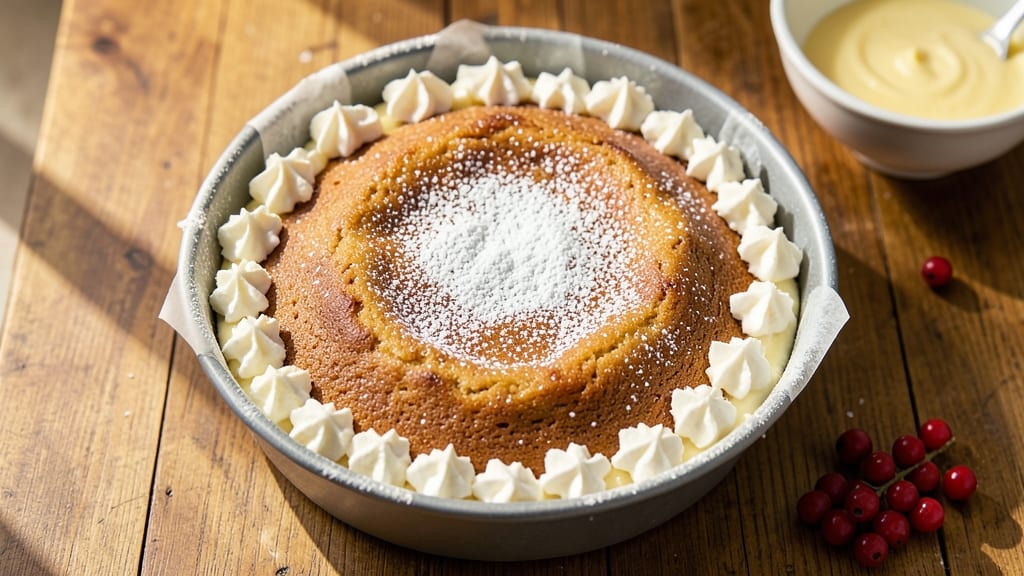
This Naija cake recipe brings the vibrant flavors of West Africa to your kitchen with its signature fluffy coconut and pineapple layers—perfect for celebrations or weekend treats. The combination of tender cake, creamy coconut frosting, and sweet pineapple chunks creates a dessert that feels both nostalgic and modern.
I developed this version after years of perfecting the balance between rich cake texture and tropical fruit accents, ensuring every bite delivers that perfect harmony.
The secret to achieving that signature Naija cake texture lies in the precise method of folding ingredients and baking at the right temperature. This recipe uses simple pantry staples—flour, sugar, eggs, and baking powder—along with fresh pineapple and coconut milk to create layers that are light yet substantial.
The frosting, made with coconut cream and powdered sugar, adds a velvety finish that ties everything together beautifully.
What you'll end up with is a cake that's moist, flavorful, and visually stunning—ideal for birthdays, anniversaries, or any special occasion. The pineapple chunks add bursts of freshness, while the coconut frosting provides a rich, creamy contrast.
Each slice offers a perfect balance of sweetness and texture, making it a crowd-pleaser that's sure to impress.
Whether you're baking for a family gathering or treating yourself to a homemade dessert, this Naija cake recipe delivers restaurant-quality results with a touch of cultural flair. Let's get started and bring a taste of Nigeria to your kitchen!
Ingredients for naija cake
Pantry staples meet tropical flair in this Naija cake masterpiece—simple ingredients, bold flavors.
| Ingredient | Amount | Notes |
|---|---|---|
| All-Purpose Flour 🌾 | 3 cups | Sifted for light texture |
| Granulated Sugar 🍚 | 2 cups | White or light brown |
| Unsalted Butter 🧈 | 1 cup | Room temperature, full-fat |
| Large Eggs 🥚 | 4 whole | Room temperature for best mixing |
| Baking Powder 🧂 | 2 tsp | Double-acting preferred |
| Salt 🧂 | ½ tsp | Fine sea salt |
| Vanilla Extract 🌿 | 2 tsp | Pure vanilla preferred |
| Fresh Pineapple 🍍 | 1 ½ cups | Diced, fresh or canned |
| Coconut Milk 🥥 | 13 ½ oz | Full-fat canned variety |
| Shredded Coconut 🥥 | 1 cup | Sweetened or unsweetened |
| Powdered Sugar 🍚 | 3 cups | Confectioners' sugar |
| Coconut Cream 🥥 | 13 ½ oz | Thick, chilled canned cream |
| Lemon Juice 🍋 | 1 tbsp | Freshly squeezed |
The coconut milk and cream are non-negotiable for that signature texture. Goya or Thai Kitchen brands are my go-tos—they're widely available and consistently rich. If you can't find full-fat coconut milk, Dole or Del Monte work in a pinch, but don't compromise on the cream. The shredded coconut should be the sweetened kind (like Malay brand if you're lucky)—it adds that caramelized crunch. For the pineapple, fresh is ideal, but Dole crushed pineapple in a can saves time. Just drain it well to avoid soggy layers. The butter needs to be room temperature—microwave it for 40 seconds if it's cold.
No coconut cream? Heavy whipping cream mixed with 1 tbsp coconut milk powder gets you close. Running short on vanilla? Vanilla bean paste works even better. The baking powder is crucial—don't swap for baking soda unless you add lemon juice. For the pineapple, mandarin orange segments make a lovely variation if you're feeling adventurous. The powdered sugar should be sifted with the flour to avoid lumps in the frosting. And if you're worried about the cake being too dense, fold in an extra 1/4 cup whipped egg whites at the end—trust me, it makes a difference.
This cake keeps beautifully—3 days at room temperature covered loosely, or 1 week refrigerated. The frosting hardens when chilled, so bring it to room temp before serving. For make-ahead baking, assemble the cake layers 24 hours ahead and refrigerate. The flavors actually deepen overnight. Freeze unfrosted layers for up to 3 months—just thaw at room temperature before frosting. And if anyone asks, the secret to the perfect Naija cake is patience. Don't rush the mixing or baking—every fold counts.
Why You'll Love This Recipe
- No-Fuss Mixing: I swear by the creamy butter-egg combo—just three minutes of folding, no stand mixer needed. The baking powder does all the lifting while you sip tea and chat.
- Sweet Crumb Magic: That sugar-butter ratio? It’s the secret to a cake with just the right crunch on top and a melt-in-your-mouth center. Honestly, my kids ask for seconds before the plate’s even cleared.
- Birthday to Brunch: Slice it for celebrations or cube it into cereal—this cake’s your go-to for any occasion. (Yes, even on a Tuesday night when you’re craving something indulgent.)
- Budget Baked Bliss: Flour, sugar, butter, eggs—you’re using pantry staples, not specialty items. A single batch feeds six, and leftovers? They disappear faster than I can say “second helping.”
Step-by-step instructions for Naija cake recipe
This tropical-inspired Naija cake delivers perfect fluffiness with a moist coconut-pineapple center and creamy frosting every time.
Prepare the Cake Batter
Preheat your oven to 350°F and grease two 9-inch round cake pans with coconut cream, then line the bottoms with parchment paper. In a large mixing bowl, cream together the 1 cup unsalted butter and 2 cups granulated sugar on medium speed until light and fluffy—this should take about 5 minutes. The mixture will nearly double in volume and become pale.
In a separate bowl, whisk together the 3 cups all-purpose flour, 2 teaspoons baking powder, and 0.5 teaspoon salt. Gradually add this dry mixture to your butter-sugar blend, alternating with the 4 whole large eggs (one at a time), beginning and ending with the flour. Mix on low speed until just combined—do not overmix or your cake will become dense.
Fold in the 2 teaspoons vanilla extract, 1.5 cups fresh pineapple (diced), and 1 tablespoon lemon juice using a spatula. The batter should be thick but pourable. Divide the batter evenly between your prepared pans and smooth the tops. Bake for 30-35 minutes or until a toothpick inserted in the center comes out clean. Allow the cakes to cool in the pans for 10 minutes before transferring to a wire rack to cool completely.
Create the Coconut Frosting
In a medium saucepan, combine the 13.5 ounces coconut milk, 13.5 ounces coconut cream, and 1 cup shredded coconut. Bring to a gentle simmer over medium heat, stirring occasionally, until the mixture thickens slightly—about 8-10 minutes. Remove from heat and let it cool for 5 minutes. The mixture should thicken further as it cools.
In a separate bowl, whisk together the 3 cups powdered sugar with 1 tablespoon lemon juice until smooth. Gradually fold in the cooled coconut mixture until fully combined. The frosting should be thick enough to hold its shape but still spreadable. Taste and adjust sweetness if needed—this step ensures your frosting has the perfect balance of tropical sweetness.
Assemble and Frost the Cake
Once your cakes are completely cool, place one layer on a cake stand or plate. Spread a generous layer of the coconut frosting over the top, then place the second cake layer on top. Frost the entire cake, including the sides, with the remaining frosting. For a polished look, use a spatula to create swirls or smooth the frosting evenly.
Chill the cake in the refrigerator for at least 1 hour before serving. This allows the frosting to set slightly and makes slicing easier. The cake should have a tender, moist crumb with bursts of fresh pineapple and a rich coconut flavor in every bite. Serve at room temperature for the best texture and enjoy with a cup of hot tea or coffee.
Garnish and Serve
Just before serving, sprinkle the top of the cake with an additional ¼ cup shredded coconut for extra texture and visual appeal. You can also add fresh pineapple slices around the base for a vibrant presentation. The contrast of the warm cake, cool frosting, and tropical garnishes makes this a showstopper for any occasion.
Slice with a sharp knife dipped in hot water and wiped clean between cuts for perfectly clean slices. The cake's moist interior and creamy frosting will make it a hit—every bite is a celebration of West African flavors with a tropical twist!
Pro Tips For Making Naija Cake
- Cream Butter Properly: Beat the butter and sugar until it’s light and fluffy—not just mixed. I used to stop when it looked smooth, but this cake needs that airy texture to rise right. Aim for 3-5 minutes with a hand mixer, scraping the bowl every 30 seconds. (Yes, even if you’re impatient like me.)
- Sift the Dry Mix: Don’t just dump the flour and baking powder straight in—sift them together first. I learned this the hard way when my cake turned dense and flat. A fine, aerated mix blends better and avoids lumps. Use a fine-mesh strainer if you’re lazy with a sifter.
- Room-Temp Eggs Matter: Cold eggs from the fridge won’t emulsify properly, leading to a greasy texture. Let them sit in warm water for 10 minutes before cracking them in. Trust me, the difference in crumb is noticeable—your cake will be lighter, not heavy.
- Don’t Overbake: This cake’s magic is in the slightly underdone center—it should spring back when pressed, not feel rubbery. Pull it out when the edges are set but the middle still jiggles like Jell-O. Overbaking turns it dry, and no one wants that.
Troubleshooting great naija cake
Dense Cake Texture
If your Naija cake turns out dense instead of light and fluffy, you're likely overmixing the batter or using the wrong leavening agent. I've found that overmixing develops too much gluten, which makes the cake tough.
Mix the dry ingredients and wet ingredients separately until just combined, then gently fold them together. Also, ensure you're using double-acting baking powder—it releases gas twice during baking, creating lift. If you accidentally used baking soda, add 1 extra tablespoon of lemon juice to balance the chemical reaction. 💡
Cracked Top
Cracks on top usually mean your oven temperature is too high or the cake batter is too thick. First, verify your oven is calibrated—use an oven thermometer to confirm it's at 350°F. If your batter feels too stiff, add 1 extra tablespoon of coconut milk to lighten it.
Another trick is to score the top of the cake with a knife before baking—this guides the cracks and prevents them from spreading randomly. For extra insurance, place a tray of water on the lower oven rack to add moisture to the baking environment.
Frosting Too Runny
A runny frosting often happens when the coconut cream isn't fully chilled before mixing or the powdered sugar isn't sifted. Always use cold coconut cream straight from the fridge—this ensures proper thickening. Sift the powdered sugar to avoid lumps, and let the coconut mixture cool completely before folding it in.
If it’s still too thin, whisk in 1 extra tablespoon of powdered sugar or chill the frosting for 30 minutes before using. For a firmer frosting, add ½ teaspoon of cornstarch to stabilize it. 🥥
Pineapple Too Watery
Excess moisture from pineapple can make your cake soggy. If using fresh pineapple, pat it dry with a paper towel before dicing and mix in 1 extra tablespoon of flour to absorb any remaining liquid.
For canned pineapple, drain it thoroughly and press it between paper towels to remove excess juice. If the batter still feels too wet, reduce the coconut milk by 2 tablespoons or add 1 extra tablespoon of baking powder to help with lift.
Trust me, a little extra prep here saves you from a gummy cake later. 🍍
Frosting Separates
When the coconut frosting separates, it’s usually because the coconut cream wasn’t fully incorporated or the mixture was heated too quickly. To fix this, gently reheat the coconut mixture over low heat while stirring constantly until smooth, then let it cool again before mixing with the powdered sugar.
For a smoother texture, use an immersion blender to blend the coconut mixture until silky. If separation still occurs, whisk in 1 extra tablespoon of coconut milk to rebind the mixture. Always work with cold ingredients to prevent separation. 💫
Cake Sticks to Pans
If your cake sticks to the pans, it’s likely due to insufficient greasing or parchment paper. First, ensure you’re using coconut cream (not just oil) to grease the pans—it adds flavor and prevents sticking. Line the bottoms with parchment paper and lightly grease the sides too.
If the cake still sticks, try buttering the parchment paper before placing it in the pan. For extra insurance, dust the pans with flour or cornstarch after greasing. Always let the cake cool in the pan for 10 minutes before removing to avoid breaking it apart. ⚡
Nutrition facts
Frequently asked questions
Can I substitute fresh pineapple with canned for this Naija cake?
Yes, you can use canned pineapple, but drain it thoroughly and press it between paper towels to remove excess moisture. For 1.5 cups of fresh pineapple, use 1 (20 oz) can crushed pineapple (not chunks). The texture will be slightly softer, but the flavor remains delicious.
Why does my Naija cake need coconut cream in the frosting?
The coconut cream adds richness and helps create a stable, velvety frosting that won't melt too quickly. Unlike regular cream, it gives the frosting that signature tropical flavor while keeping it light. If you're avoiding dairy, this frosting is a perfect alternative to buttercream.
How do I store leftover Naija cake?
Keep it covered at room temperature for up to 3 days or refrigerate for 1 week. The frosting hardens when chilled, so bring it to room temperature before serving. For longer storage, freeze unfrosted layers for 3 months—thaw at room temperature before frosting.
Can I make this cake in a different shape (like cupcakes or sheet cake)?
For cupcakes, use 18-24 cupcake liners and reduce baking time to 18-20 minutes. For a sheet cake, spread the batter in a 9x13-inch pan and bake for 25-30 minutes. Adjust frosting quantity accordingly—about 2 cups for cupcakes or 3 cups for a sheet cake.
What makes this Naija cake different from regular vanilla cake?
The tropical twist comes from the pineapple chunks and coconut frosting, which replace traditional vanilla frosting. The batter includes coconut milk for moisture, and the frosting uses coconut cream instead of butter, creating a lighter, more flavorful dessert with West African-inspired sweetness.