
Desserts
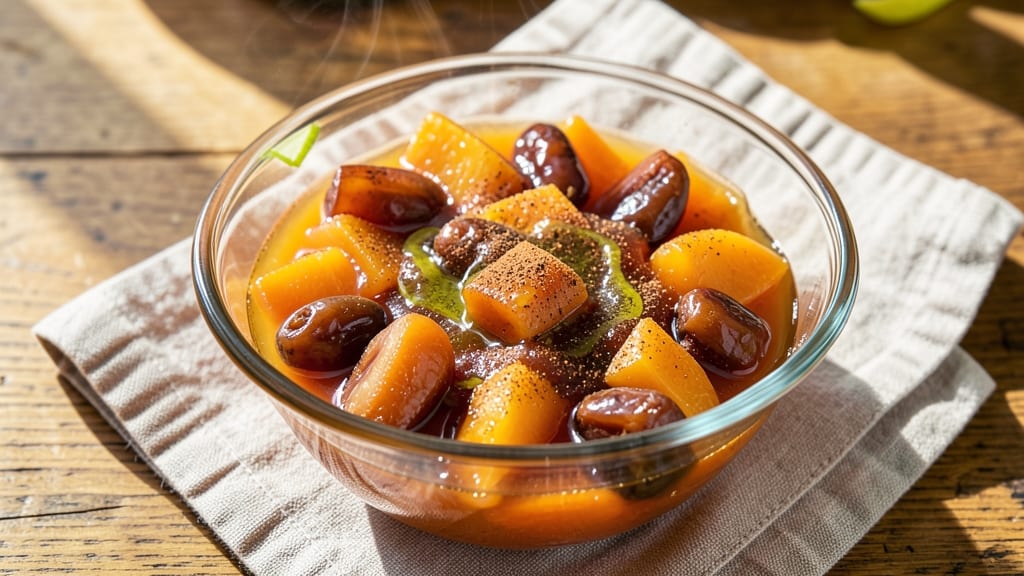
This no-sugar apricot jam recipe transforms ripe apricots into a naturally sweetened spread using only dates and lemon juice—no refined sugar in sight. The result is a vibrant, fruit-forward jam with a long shelf life that stays fresh for months, perfect for those who prefer whole-food ingredients.
I developed this method after realizing how easy it is to create jam without added sweeteners while preserving the fruit’s natural depth.
The secret lies in blending pitted apricots with dates until smooth, then simmering the mixture until it thickens naturally. This approach eliminates the need for pectin or excessive sugar, yet delivers that signature jam consistency.
The lemon juice not only balances the fruit’s sweetness but also acts as a natural preservative, extending freshness.
What you’ll end up with is a rich, velvety apricot spread that’s ideal for toast, yogurt, or even as a glaze for desserts. The flavor is concentrated yet bright, with none of the heaviness that comes from refined sugar.
This recipe proves that naturally sweetened jams can be just as satisfying—and far more nutritious—than store-bought versions.
Store the jam in sterilized jars in the refrigerator for up to 3 weeks, or process it for canning to extend shelf life to a year. Whether you’re avoiding sugar or simply seeking a cleaner ingredient list, this jam delivers on both flavor and functionality without compromise.
Ingredients for no sugar apricot jam
Eight whole-food ingredients create a luxurious apricot spread with vibrant color and natural sweetness.
| Ingredient | Amount | Notes |
|---|---|---|
| Ripe Apricots 🍑 | 2 lbs | Pitted and roughly chopped |
| Pitted Medjool Dates 🍯 | 1 ½ cups | Soaked in warm water for 10 mins |
| Fresh Lemon Juice 🍋 | ½ cup | From 2-3 organic lemons |
| Extra-Virgin Olive Oil 🫒 | 2 tbsp | For natural preservation |
| Organic Raw Apple Cider Vinegar 🍶 | 1 tbsp | Acts as natural preservative |
| Ground Cinnamon 🌿 | ½ tsp | Optional for warmth |
| Vanilla Extract 🌸 | ½ tsp | Pure alcohol-free preferred |
| Pinch of Sea Salt 🧂 | ⅛ tsp | Enhances flavor balance |
The apricots form the jam's heart, so prioritize ripe, vibrant fruit with minimal bruising. Organic apricots from Whole Foods Market or local farmers markets deliver superior flavor, though conventional store-bought works in a pinch. Medjool dates provide natural sweetness without refinement—their caramel-like texture blends seamlessly when soaked. For lemon juice, organic lemons ensure purer flavor without bitterness. The olive oil and apple cider vinegar act as natural preservatives, extending shelf life while maintaining freshness. Store these ingredients in cool, dark places: apricots in the fridge, dates in an airtight container, and essential oils refrigerated after opening.
No Medjool dates? Deglet Noor or regular dates work equally well when soaked. Substitute lemon juice with lime juice for a tangier profile, though flavor shifts slightly. The vanilla extract can be omitted for purists, but almond extract makes an excellent substitute at half the amount. For those avoiding vinegar, additional lemon juice achieves similar preservation effects. The cinnamon adds subtle warmth—ground cardamom offers an exotic alternative. Always sterilize jars before filling to maintain freshness, and use glass canning jars for long-term storage.
This jam thickens as it cools, so resist the urge to over-simmer. Store in sterilized jars in the refrigerator for up to 3 weeks, or process using water bath canning for 12-month shelf life. The spread thickens further after chilling, so stir before each use. For gift-giving, paraffin-sealed jars create an elegant presentation. Freeze portions in ice cube trays for single-serving convenience. The natural sweetness intensifies over time, making this jam even more rewarding with age.
Why You'll Love This Recipe
- Five-Ingredient Magic: I swear by this combo—just apricots, dates, lemon, olive oil, and vinegar. No measuring cups, no fancy tools, just chop and simmer until it’s that perfect jammy consistency. Honestly, it’s the kind of recipe where you’ll question why you ever bought store-bought.
- Sunshine in a Jar: That bright lemon zip and the caramel depth from the dates? It’s like summer in every spoonful. The olive oil keeps it lusciously smooth, while the vinegar adds this subtle tang that makes it taste fresh—not cloyingly sweet like most jams.
- Breakfast to Dessert: Slather it on toast, drizzle it over yogurt, or toss it into oatmeal for a sweet-savory twist. I’ve even used it as a glaze for roasted chicken—yes, really. It’s the kind of jam that disappears from the fridge because it’s too versatile.
- No Waste, All Win: A single batch lasts me weeks because it’s not just sweet—it’s balanced. The dates bulk it up, so you’re not drowning in apricot syrup, and the vinegar means it won’t mold. Plus, you’re using up ripe fruit before it turns to mush. Budget-friendly? Absolutely. Smart? Even more so.
Step-by-step instructions for no-sugar apricot jam
A naturally sweetened spread with vibrant apricot flavor and a velvety texture—no refined sugar needed.
Prepare the Apricots and Dates
Begin by pitting and roughly chopping the 2 lbs ripe apricots, removing any tough stems or blemished skin. This creates a more uniform texture while preserving the fruit's natural juices. In a separate bowl, soak the 1.5 cups pitted Medjool dates in warm water for 10 minutes—this softens them for blending and ensures a smooth consistency in the final jam.
While the dates soak, measure out the 0.5 cup fresh lemon juice into a small pitcher. The acidity from the lemon juice will balance the sweetness of the dates while adding brightness to the jam. The dates should soften enough to blend smoothly, so don’t drain them completely after soaking—just press out any excess water with your fingers before adding them to the apricots.
Blend the Fruit Mixture
Transfer the chopped apricots and drained dates to a high-speed blender or food processor. Add the 2 tbsp extra-virgin olive oil, 1 tbsp organic raw apple cider vinegar, 0.5 tsp ground cinnamon, 0.5 tsp vanilla extract, and 0.125 tsp pinch of sea salt. The olive oil adds richness and helps preserve the jam naturally, while the vinegar acts as a gentle preservative and enhances depth of flavor.
Blend the mixture on high speed until completely smooth, scraping down the sides as needed. You should end up with a thick, vibrant purée that resembles a coarse paste. If the mixture is too thick to blend easily, add 1-2 tablespoons of the reserved lemon juice to loosen it. The texture should be uniform and free of any visible fruit chunks—this ensures a silky-smooth jam.
Simmer and Thicken the Jam
Transfer the purée to a medium saucepan and place it over medium-low heat. Stir in the remaining 0.5 cup fresh lemon juice and bring the mixture to a gentle simmer. This step is critical for developing the jam’s signature texture—simmering allows the natural pectin in the apricots and dates to activate, creating that signature gel-like consistency.
Stir frequently to prevent sticking, and let the jam simmer for 20-25 minutes, until it thickens noticeably. You’ll know it’s ready when it coats the back of a spoon and holds its shape when drizzled onto a cold plate. If the jam thickens too quickly, add 1 tablespoon of water to balance the consistency. The goal is a spreadable, glossy finish that’s neither too runny nor too stiff.
Test for Doneness and Store
Remove the saucepan from heat and let the jam cool for 5 minutes. To test its readiness, place a small spoonful on a chilled plate and refrigerate for 2 minutes. If it wrinkles slightly when pushed with a finger, it’s perfect. If it spreads too easily, return it to the heat and simmer for another 5 minutes, stirring constantly.
Once fully thickened, transfer the jam to a clean, sterilized glass jar. Seal tightly and store in the refrigerator for up to 3 weeks, or extend its shelf life by processing in a water bath for 10 minutes to preserve it for 6 months unrefrigerated. The natural sweetness from the dates and apricots will shine through, creating a jam that’s rich, fragrant, and perfectly balanced—without a single grain of sugar.
Pro Tips For Making No Sugar Apricot Jam
- Blend Dates First: Puree the pitted Medjool dates with the lemon juice before adding apricots—this ensures even sweetness distribution and prevents clumpy texture. I learned this the hard way when my jam had sticky pockets of date goo that refused to blend smooth.
- Simmer Low and Slow: Keep the heat at a bare simmer (tiny bubbles, not rolling) for at least 45 minutes—this breaks down the apricot fibers without burning the natural sugars. After burning three batches, I finally figured out that patience here means a jam that thickens properly without vinegar overpowering.
- Strain the Skins: Use a fine-mesh sieve to press out apricot skins after cooking—they add bitterness if left in. Sounds tedious, but it’s the thing that matters most for a clean, bright flavor. (Yes, even if you’re impatient like me.)
- Vinegar Last: Add the apple cider vinegar after the jam has thickened, then taste immediately—you can always add more, but you can’t take it out. This guarantees tangy balance without risking sourness. (Your future self will thank you.)
Make-ahead tips for this dish
Prep Ahead Components
Chop and pit the 2 lbs apricots up to 3 days ahead and store them in an airtight container in the fridge. The fruit will soften slightly, making blending easier later.
Soak the 1.5 cups Medjool dates in warm water for 10 minutes the night before—this softens them perfectly for blending without altering the flavor. I keep both ingredients in separate containers to prevent moisture transfer. 🍑
Batch Processing
Double this recipe by using 4 lbs apricots and 3 cups dates to make a large batch. Sterilize two quart-sized glass jars and process the jam in 10-minute intervals using a water bath canner.
This method extends shelf life to 12 months when stored in a cool, dark pantry. I label each jar with the date to track freshness.
Freezer Portions
Portion the jam into 1-tablespoon servings using ice cube trays for single-use convenience. Once frozen solid, transfer cubes to a freezer bag and flatten for compact storage.
Thaw portions overnight in the fridge or microwave on defrost setting for 20 seconds. This works perfectly for yogurt toppings or quick toast spreads. 🧊
Gift-Giving Jars
Prepare the jam in 8-ounce sterilized jars for elegant gift-giving. Seal with paraffin wax using a small candle for a rustic, professional finish. I add a handwritten label with the recipe date and storage instructions.
These jars make stunning presents for holidays or housewarming gifts. The natural sweetness makes them especially appealing to health-conscious recipients.
Long-Term Storage
For maximum shelf life, process the jam in a water bath canner for 10 minutes after transferring to sterilized jars. The sealed jars can then be stored at room temperature for up to 12 months.
Check jar seals annually—if any gaskets fail, refrigerate and consume within 3 weeks. I always keep one batch refrigerated as a backup for immediate use.
Flavor Boost Prep
Infuse the jam with extra depth by adding 1 tsp vanilla bean paste during blending or ½ tsp cardamom for an exotic twist. For a citrusy variation, zest 1 lemon before juicing and add the zest to the simmering jam.
These enhancements work best when prepared the day before, allowing flavors to meld during refrigeration. The extra effort creates restaurant-quality depth. ✨
Nutrition facts
Frequently asked questions
Can I substitute dates with another natural sweetener?
Yes! For a 1:1 ratio, use agave nectar or maple syrup—simmer the jam longer to achieve the same thickness. For a fruit-based alternative, blend 1 cup mashed banana with ½ cup apricot puree to replace the dates. The texture may vary slightly, so adjust simmering time accordingly.
Why does my jam turn out too runny?
Runny jam usually means insufficient simmering time or too much liquid. Simmer for an additional 5-10 minutes to thicken, or reduce the lemon juice by 2 tablespoons. If using ripe apricots with high water content, strain excess liquid through a fine-mesh sieve before blending. The jam should coat the back of a spoon when fully thickened.
How do I know when the jam is fully thickened?
Test for doneness by placing a small spoonful on a chilled plate. If it wrinkles slightly when pushed with your finger, it’s ready. Alternatively, the "sheet test" works: drizzle a spoonful onto a cold plate—if it holds its shape and doesn’t spread, it’s perfect. Over-simmering can make it too stiff, so monitor closely during the last 5 minutes.
Can I make this jam without a blender?
Mash the apricots and dates with a potato masher or fork until smooth, then strain through a fine-mesh sieve to remove any remaining chunks. The texture will be slightly rustic but still delicious. For extra smoothness, press the mixture through a food mill or cheesecloth. This method works well for small batches or when blending tools aren’t available.
What are the best ways to use this no-sugar apricot jam?
Spread it on toasted sourdough or whole-grain bread for breakfast, stir into Greek yogurt for a sweet-tart topping, or drizzle over pancakes and waffles. It also pairs beautifully with cheese boards (especially goat cheese) or as a glaze for baked chicken. The natural sweetness makes it perfect for desserts like cheesecake swirls or fruit tarts.