
Main Courses
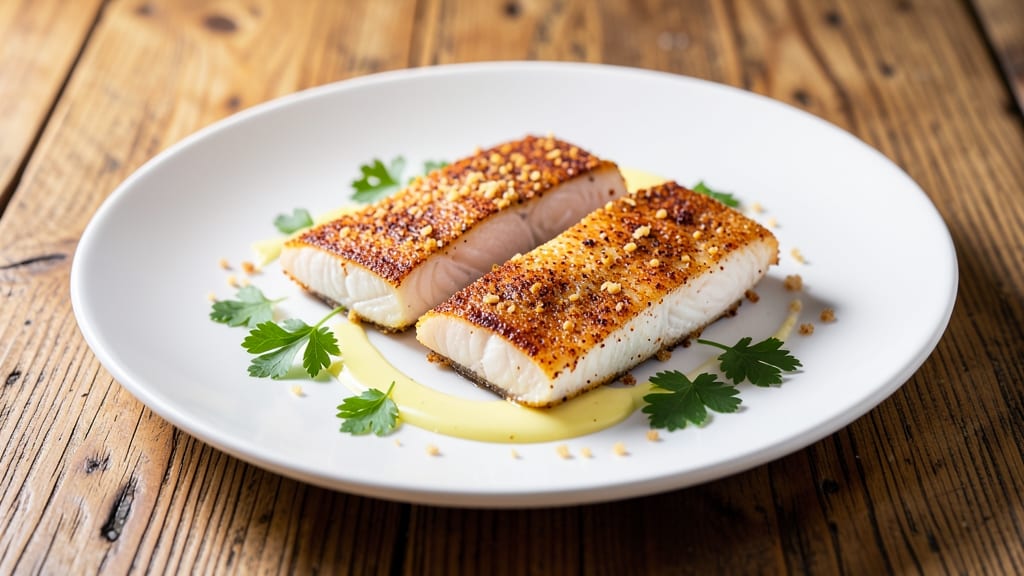
Pan-fried breaded fish delivers the perfect balance of crispy-golden exterior and juicy fillets that melt in your mouth—this is the recipe I’ve perfected after years of trial and error. The secret lies in a precise breading technique that creates an irresistible crunch while keeping the inside tender and flavorful.
Whether you’re serving it for a weeknight dinner or a special occasion, this method ensures every bite is restaurant-quality without the fuss.
Start with a simple three-step breading process: flour, egg wash, and seasoned breadcrumbs. The key is using panko breadcrumbs for maximum crispiness and a mix of paprika and garlic powder for depth of flavor.
Then, cook in hot oil until the breading turns golden brown—about 3 to 4 minutes per side—for that perfect crunch while ensuring the fish reaches an internal temperature of 145°F.
What you’ll end up with is fish that’s crispy on the outside and moist on the inside, with a golden-brown crust that’s impossible to resist. The breading stays crisp even after resting, making it ideal for serving immediately or keeping warm for a crowd.
Serve with lemon wedges, tartar sauce, or a simple green salad to round out the meal.
This recipe works beautifully with white fish fillets like cod, tilapia, or haddock, but it also shines with firmer fish like halibut or mahi-mahi. The technique is foolproof, and the results are consistently delicious—no matter how many times you make it. Let’s get started on creating that perfect pan-fried masterpiece.
Ingredients for pan fried breaded fish
Crispy-golden crust meets juicy fillets inside—just these 12 ingredients transform simple fish into a restaurant-worthy masterpiece.
| Ingredient | Amount | Notes |
|---|---|---|
| White Fish Fillets 🐟 | 1 ½ lb | Cod, tilapia, or haddock preferred |
| All-Purpose Flour 🌾 | ½ cup | For light dredging layer |
| Large Eggs 🥚 | 2 whole | Cold, beaten with fork |
| Japanese Panko Breadcrumbs 🍞 | 1 ½ cups | Extra-fine for perfect crunch |
| Smoked Paprika 🌶️ | 1 tbsp | For rich, smoky depth |
| Garlic Powder 🧄 | 1 tsp | Freshly ground preferred |
| Dried Parsley 🌿 | 1 tsp | Finely ground for herby touch |
| Kosher Salt 🧂 | 1 tsp | Diamond Crystal preferred |
| Black Pepper 🌶️ | ½ tsp | Freshly cracked for bite |
| Vegetable Oil 🫒 | 2 cups | High smoke point preferred |
| Lemon Wedges 🍋 | 4 whole | For serving, fresh squeezed |
| Tartar Sauce 🍅 | ½ cup | Homemade or quality store-bought |
The fish fillets are non-negotiable—cod or haddock give the best texture, but tilapia or mahi-mahi work too. Grab fresh, skinless fillets from the seafood counter (not pre-breaded or frozen). Whole Foods or Trader Joe's have the best quality, but any reputable fishmonger will do. Look for fillets that are firm to the touch, with no fishy odor—that’s your green light. If using frozen, thaw overnight in the fridge, never at room temperature. The panko breadcrumbs are the secret weapon here—Japanese-style panko (not Italian) creates that perfect airy crunch. Costco sells them in bulk for the best price, but the single-serving bags at Walmart work in a pinch.
No panko? Crush up regular breadcrumbs in a food processor—they won’t be as crispy, but they’ll save you. Short on smoked paprika? Sweet paprika plus a pinch of liquid smoke gets you close. The eggs should be cold when you dip the fish—room temperature makes the coating slide off. For extra flavor, add 1 tbsp of milk to the egg wash. The oil is crucial—vegetable or canola (high smoke point) is ideal, but avocado oil works too if you’ve got it. If your breadcrumbs seem dry, spritz them lightly with olive oil before adding to the egg wash. And for the love of crispy fish, don’t overcrowd the pan—cook in batches if needed.
This breading stays crisp for about 15 minutes after cooking, so keep it warm in a 200°F oven if serving a crowd. Store leftovers in the fridge for up to 2 days, but the breading gets soggy—reheat in a 350°F oven for 5-10 minutes to revive the crunch. Freezing? Flash-freeze on a tray first, then bag—prevents the fillets from sticking. The lemon wedges and tartar sauce should be prepped fresh before serving—nothing beats the zing of a just-squeezed wedge over that golden crust. And trust me, leftovers taste even better the next day—the breading mellows into a perfect texture.
Why You'll Love This Recipe
- One-Pan Magic: I swear by this—just fish, flour, egg, panko, and a skillet. No splatter guards, no extra bowls, no stress. The panko stays crispy while the fish stays tender, and cleanup? One spatula and a wipe-down.
- Smoky Crunch Perfection: That smoked paprika in the panko mix gives it a warm, earthy kick that’s ridiculously addictive. The panko’s airy crunch contrasts the flaky fish inside—it’s the kind of bite that makes you pause mid-meal.
- Weeknight & Date Night: Throw it together for a lazy Tuesday or dress it up with lemon wedges and a simple salad for a fancy-ish dinner. The same basic method works for both, and honestly? My partner’s favorite is the one I make when I’m too tired to overthink it.
- Budget-Friendly Leftovers: White fish is affordable, and this recipe stretches it perfectly. Fry a double batch—leftovers reheat beautifully in the air fryer (yes, really) or get tossed into salads the next day. My wallet and my lunchbox thank me every time.
Step-by-step instructions for pan fried breaded fish
Here's how to achieve that perfect golden crust while keeping the fillets tender and juicy every time.
Prepare the Breading Station
Set up three shallow dishes for your breading station. In the first dish, combine the 0.5 cup all-purpose flour, 1 tablespoon smoked paprika, 1 teaspoon garlic powder, 1 teaspoon dried parsley, 1 teaspoon kosher salt, and 0.5 teaspoon black pepper. Whisk together until the spices are evenly distributed through the flour—this creates your flavor base that will adhere perfectly to the fish.
In the second dish, crack the 2 whole large eggs and beat them lightly with a fork until just combined. The eggs should be cold when you use them—this prevents the breading from absorbing too much moisture and becoming soggy. Keep this dish refrigerated until you're ready to use it.
Finally, place the 1.5 cups Japanese panko breadcrumbs in the third dish. The extra-fine texture of Japanese panko is crucial here—it creates that delicate, lacy crust that's crispy on the outside while remaining light enough to not overwhelm the fish's natural flavor.
Heat the Oil and Season the Fillets
Pour the 2 cups vegetable oil into a deep skillet or Dutch oven, enough to come about 1.5 inches up the sides. Heat the oil over medium-high heat until it reaches 350°F—this is your perfect frying temperature. You'll know it's ready when a small piece of bread sizzles vigorously when dropped into the oil.
While the oil heats, season the 1.5 lb white fish fillets lightly with additional kosher salt and black pepper if desired. The fillets should be uniform in thickness—about 1 inch thick—for even cooking. Pat them dry with paper towels just before breading, as any moisture on the surface will prevent the breading from adhering properly.
Bread the Fillets with Precision
Working quickly, dredge each fillet in the flour mixture, pressing gently to ensure an even coating on all sides. Tap off any excess flour—this prevents a thick, heavy crust that would make the fillets soggy. Transfer the floured fillets to the beaten eggs, letting any excess drip off before pressing them into the Japanese panko breadcrumbs. Press firmly but evenly to create a consistent, ¼-inch thick breading layer.
Here's the thing—don't overcrowd your breading station. Work with one fillet at a time to maintain the integrity of the breading. The panko should stick firmly to the fish; if it crumbles off easily, your fillets weren't dry enough or you didn't press firmly enough. Place the breaded fillets on a wire rack set over a baking sheet to keep them dry until frying.
Fry to Golden Perfection
Carefully slide the breaded fillets into the 350°F oil, working in batches to avoid overcrowding the pan. Fry for 3-4 minutes per side until the breading turns a deep golden brown and the fish is opaque throughout. The key here is patience—don't flip too soon. You'll know it's ready when the breading releases easily from the pan and the fish flakes gently with a fork.
As you fry, maintain the oil temperature at 350°F. If it drops below 325°F, your fish will absorb oil and become greasy. If it exceeds 375°F, the breading will burn before the fish is cooked through. Use a kitchen thermometer to monitor the temperature precisely.
Rest and Serve with Zesty Accompaniments
Transfer the fried fillets to a paper towel-lined plate to drain any excess oil. Let them rest for 2-3 minutes before serving—this crucial resting period allows the juices to redistribute, ensuring each bite is moist and flavorful. The breading should remain crispy, not soggy, if you've followed the proper frying technique.
Serve immediately with the 4 whole lemon wedges for squeezing and the 0.5 cup tartar sauce on the side. The bright acidity of the lemon cuts through the richness of the fried fish, while the tartar sauce adds a creamy, herby contrast. Each fillet should deliver that perfect combination of crispy, golden breading with tender, juicy fish beneath—exactly what we promised you.
Pro Tips For Making Pan Fried Breaded Fish
- PAT THE FILLETS DRY: I learned this the hard way—wet fish equals soggy breading. Grab paper towels and press hard on both sides before seasoning. Even if it feels excessive, trust me: that crispy panko crust won’t form worth a damn if moisture’s lurking.
- USE COLD EGGS: Warm eggs coat unevenly and make the panko stick in clumps. Crack them straight from the fridge into a shallow bowl, whisk lightly, then season with a pinch of smoked paprika. Cold eggs also help the breading adhere better—no more flaking mid-fry.
- START HOT, THEN DROP: Your pan should be screaming hot before the first fillet hits—about 350°F (175°C). Once the breading’s golden in 3-4 minutes, turn the heat to medium-low. Too high? You’ll burn the crust before the fish cooks through. Too low? Greasy, uncrispy disappointment.
- DOUBLE-DIP PANKO: Skip the crowding—dredge each fillet in flour, dip in egg, then press into panko once. Flip, dip again, and press a second time. The extra layer locks in flavor and guarantees that shatteringly crisp texture. (Yes, it takes 10 seconds more per fillet—it’s worth it.)
Essential equipment for great pan fried breaded fish
Skillet Selection
For pan-frying breaded fish, I swear by a 10-inch cast iron skillet—it retains heat like a dream and creates that perfect sear. The Lodge 10-inch pre-seasoned cast iron is my go-to because it’s heavy enough to maintain even temperatures while distributing heat perfectly.
If cast iron isn’t your thing, a stainless steel skillet like the All-Clad Stainless works too, though you’ll need to monitor the heat more closely. Avoid nonstick—it can’t handle the high heat needed for crispy breading. 🔥
Oil Essentials
You need 2 cups of high-smoke-point oil—I recommend vegetable or canola oil for affordability and reliability. If you want to splurge, avocado oil has a neutral flavor and smoke point of 520°F, making it ideal for frying.
Never reuse oil for breaded fish—it absorbs flavors and lowers the smoke point. Keep a small bottle of vegetable oil in your pantry for emergencies, but for best results, buy oil in bulk from Costco or Walmart for better quality and cost savings.
Temperature Control Tools
A kitchen thermometer is non-negotiable—it’s the only way to ensure your oil stays at 350°F. The ThermoWorks Thermapen One is my favorite because it’s fast and accurate, but a budget-friendly digital thermometer like the OXO Good Grips works too.
If you’re frying without a thermometer, test the oil by dropping in a small piece of bread—if it sizzles and turns golden in 30 seconds, it’s ready. Never guess the temperature; breaded fish cooks fast, and oil that’s too cool makes greasy fish.
Breading Station Setup
Three shallow dishes are key: one for flour, one for egg wash, and one for panko. Use wide, low-sided dishes (like Corelle stoneware) so you can easily coat the fish without spills. A wire rack placed over a baking sheet keeps breaded fillets dry before frying—this prevents soggy breading.
For extra crispiness, I add 1 tablespoon of milk to the egg wash to help the panko adhere better. Don’t skip the rack—it’s the difference between crispy and soggy results. ✨
Tongs and Tools
Use long-handled tongs (like OXO Good Grips) to flip the fish—it’s safer than a spatula and gives you better control. A slotted spoon helps drain excess oil after frying. For draining, keep paper towels nearby, but avoid pressing on the breading—it’ll turn soggy.
If you’re frying in batches, a small cooling rack keeps cooked fish warm while you finish the rest. Pro tip: Keep a small bowl of ice water nearby to shock the tongs if they get too hot.
Optional Extras
A meat thermometer ensures the fish hits 145°F internal temperature—critical for safety. The Thermoworks Smoke is my top pick, but even a basic instant-read thermometer works. For flavor, I keep smoked paprika and garlic powder in small jars near the stove—Penzeys brand is my go-to for consistent quality.
If you love lemon, add zest to the panko for an extra pop of flavor. The right tools make all the difference in crispy, golden perfection. 💡
Nutrition facts
Frequently asked questions
Can I use frozen fish for this recipe?
Yes, but thaw it properly first! Place frozen fillets in a sealed bag and submerge in cold water for 15-20 minutes—never use warm water. For best results, thaw overnight in the fridge. Pat completely dry before breading, as any moisture will make the coating soggy. Pro tip: Use paper towels to absorb excess moisture after thawing.
How do I keep the breading from falling off?
Three key steps: dry fillets, press firmly during breading, and don't overcrowd the pan. Pat fillets with paper towels until completely dry before breading, and press panko onto the fish with your fingers. Fry in batches to maintain oil temperature—overcrowding lowers heat and causes greasy, soggy results.
What's the best fish for this recipe?
White, firm fillets work best: cod, haddock, or tilapia are top choices due to their mild flavor and tender texture. For more flavor, try mahi-mahi or halibut. Avoid delicate fish like flounder—they can fall apart during frying. Always buy fresh, never pre-breaded or frozen fillets that have been thawed at room temperature.
Can I make this recipe ahead of time?
Freshly fried is best, but you can prep components ahead: mix dry spices, beat eggs, and store panko separately. Bread fillets up to 24 hours ahead and refrigerate on a wire rack. Fry within 6 hours of breading for best crispiness. For leftovers, reheat in a 350°F oven for 5-10 minutes to revive the crunch.
Why did my breading turn brown too fast?
Your oil was likely too hot—ideal temperature is 350°F. If it exceeds 375°F, the breading burns before the fish cooks through. Use a thermometer to monitor, or test with a small bread piece (it should sizzle and turn golden in 30 seconds). For even cooking, maintain batches of 2-3 fillets max per fry.