
Desserts
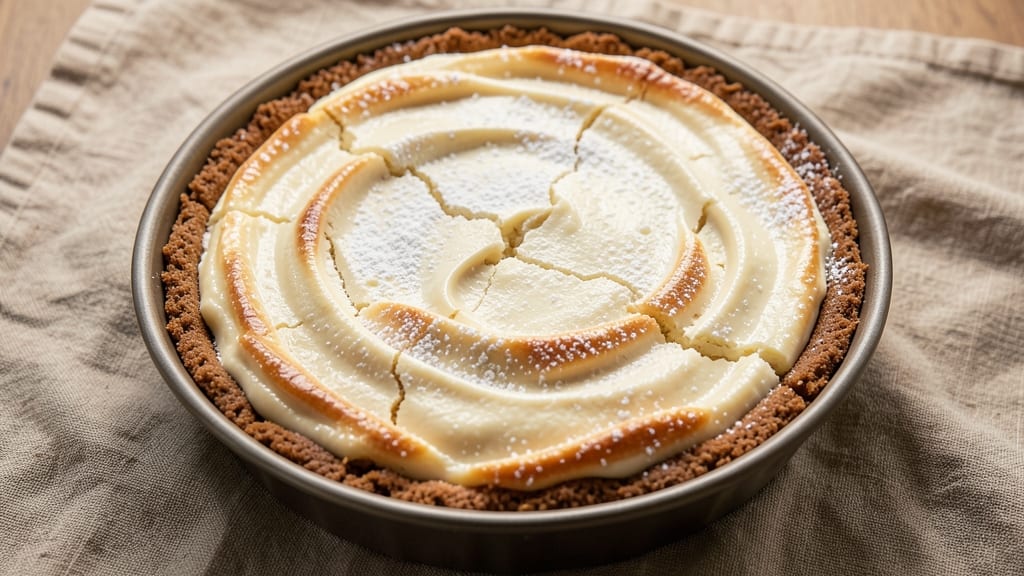
This Philly baked cheesecake recipe delivers the legendary cloud-like texture that makes it impossible to resist—thanks to a whipped topping technique that transforms ordinary cheesecake into something extraordinary. The secret lies in precise ingredient ratios and a baking method that ensures a smooth, creamy finish without the dreaded cracks.
After years of perfecting this recipe, I’ve finally cracked the code for that signature Philadelphia-style lightness.
The foundation begins with a buttery graham cracker crust that sets the stage for the cheesecake’s velvety layers. What sets this recipe apart is the whipped topping method, where cream cheese and sugar are beaten to a silky consistency before baking.
This technique creates a texture so light it practically melts in your mouth, with a smooth, jiggly center that’s nothing short of magical. Every bite feels like a luxurious dessert without the guilt.
Baking at the right temperature—325°F—is critical to achieving that signature Philadelphia texture, ensuring the cheesecake sets evenly while staying tender. The result is a cheesecake with a golden, crack-free top and a creamy interior that’s rich yet airy.
Whether served with fresh berries, a drizzle of caramel, or a dusting of powdered sugar, this dessert is a showstopper that will have everyone asking for seconds.
Perfect for special occasions or satisfying cravings, this recipe scales effortlessly for gatherings or single servings. The key to success is patience—letting the cheesecake cool gradually and chilling it thoroughly before slicing. Trust me, the wait is worth it for that perfect slice of Philadelphia-style perfection.
Ingredients for philly baked cheesecake
These twelve ingredients transform into a legendary Philadelphia-style cheesecake with cloud-like texture and crack-free perfection.
| Ingredient | Amount | Notes |
|---|---|---|
| Graham Cracker Crumbs 🍪 | 1 ½ cups | Finely crushed, buttery preferred |
| Unsalted Butter 🧈 | ½ cup | Melted, full-fat for richness |
| Granulated Sugar 🍚 | ¼ cup | Superfine preferred for smooth texture |
| Large Eggs 🥚 | 4 whole | Room temperature, separated |
| Full-Fat Cream Cheese 🧀 | 32 oz | Room temperature, high-fat for stability |
| Sour Cream 🥛 | ½ cup | Full-fat for creaminess |
| Vanilla Extract 🌿 | 2 tsp | Pure Madagascar bourbon preferred |
| Salt 🧂 | ½ tsp | Diamond Crystal kosher preferred |
| Heavy Whipping Cream 🥛 | ½ cup | Cold, 35% fat minimum |
| Powdered Sugar 🍚 | 1 tbsp | For whipped cream topping |
| Fresh Blueberries 🫐 | 1 cup | Macintosh variety preferred |
| Dark Chocolate Chips 🍫 | ¼ cup | 70% cocoa, semi-sweet |
The graham cracker crust demands quality ingredients to avoid sogginess. Honey Maid or Keebler graham crackers are industry standards, but any buttery variety works—just crush them finely for even distribution. For the butter, Plugrá or Land O’Lakes unsalted melts smoothly without graininess. The cream cheese is non-negotiable: Philadelphia brand (or its generic equivalent) provides consistent fat content. Room temperature is critical—both cream cheese and eggs should sit at room temperature for 1 hour before mixing to ensure silky incorporation. The vanilla extract should be Madagascar bourbon for authentic depth, though pure vanilla will suffice.
Substitutions must respect the whipped topping's delicate balance. Graham cracker crumbs can be swapped for vanilla wafers (crushed) for a lighter crust, though texture differs slightly. For dairy-free adaptations, vegan cream cheese and coconut cream work but may yield a denser result. The blueberries can be substituted with raspberries or blackberries, but avoid overmixing to prevent bleeding. Chocolate chips can be omitted entirely or replaced with white chocolate chunks for a sweeter contrast. If powdered sugar isn't available, granulated sugar whipped to a fine powder in a blender works, though it may introduce slight graininess.
Storage begins with proper cooling: the cheesecake must rest at room temperature for 2 hours before refrigeration to prevent condensation. Once chilled, it maintains peak texture for 5-7 days in an airtight container. For longer storage, wrap tightly in plastic wrap and freeze for up to 3 months. Thaw overnight in the fridge before serving. The whipped cream topping should be added just before serving—it loses stability when exposed to fridge temperatures. For presentation, dust with powdered sugar or drizzle with caramel sauce immediately after slicing to enhance visual appeal.
Why You'll Love This Recipe
- No-Fuss Layers: I swear by this crust—just butter, sugar, and graham crackers tossed together. No rolling, no stress, and that buttery crunch stays perfect every time.
- Creamy Center Magic: Full-fat cream cheese meets eggs and sugar, baked just until set. That wobble? Pure satisfaction—like a hug in dessert form, but with zero guilt.
- Party-Proof Portions: Slice it for a crowd or save half for later. The baked texture holds up better than store-bought, and honestly? Leftovers taste just as good the next day.
- Budget-Friendly Luxury: Rich flavor without the bakery price tag. A single tub of cream cheese and a box of graham crackers stretch farther than you’d think—my wallet thanks me weekly.
Step-by-step instructions for Philly baked cheesecake
A precise, layer-by-layer approach ensures a silky center and cloud-like whipped topping every time.
Prepare the Crust Foundation
Preheat your oven to 350°F and melt the 0.5 cup unsalted butter in a microwave-safe bowl in 30-second intervals, stirring between each, until fully liquid but not browned. This gentle melting preserves the butter's flavor without developing bitterness.
In a separate bowl, combine the melted butter with the 1.5 cups graham cracker crumbs and 0.25 cup granulated sugar. Use a silicone spatula to mix until the crumbs are evenly coated and the mixture resembles damp sand. Press this firmly into a 9-inch springform pan, creating an even layer that reaches up the sides. The goal is a compact base that won't crumble during baking.
Bake the crust for 10 minutes, then remove from the oven and let it cool slightly while you prepare the filling. This pre-baking step prevents a soggy bottom—critical for maintaining structure in baked cheesecakes. Keep the oven on at 350°F for the next stage.
Assemble the Cheesecake Filling
In a large mixing bowl, beat the 32 oz full-fat cream cheese and 0.5 cup sour cream together using an electric mixer on medium speed until completely smooth, about 3 minutes. This step eliminates lumps and ensures a velvety texture. The cream cheese should be at room temperature—if it's cold, microwave it in 15-second bursts until just soft to the touch.
Gradually add the 4 whole large eggs, one at a time, mixing just until each is fully incorporated. Avoid overmixing, which can create air pockets. Then add the 2 teaspoons vanilla extract and 0.5 teaspoon salt, mixing briefly until combined. The batter should be thick but pourable—if it's too stiff, the cheesecake will be dense rather than light.
Pour the filling over the cooled crust, spreading it evenly with a spatula. The mixture should reach about ½ inch from the pan's edge. This layering technique creates the signature Philadelphia texture—smooth, dense, and perfectly set.
Bake the Cheesecake
Return the cheesecake to the oven and bake for 50-55 minutes, until the edges are set and the center still appears slightly jiggly when gently shaken. The top should be golden but not browned. Overbaking is the most common mistake—it leads to dryness, so resist the urge to extend the time.
After baking, turn off the oven and crack the door open 2 inches. Let the cheesecake cool inside the oven for 30 minutes. This gradual cooling prevents cracking as the center sets. Remove the pan and let it cool to room temperature, then refrigerate for at least 4 hours—ideally overnight. Patience here is essential for the perfect slice.
Create the Whipped Topping
Chill the 0.5 cup heavy whipping cream and 1 tablespoon powdered sugar in the refrigerator for 15 minutes before whipping. Use a clean, chilled mixing bowl and beat the cream on high speed until soft peaks form. Gradually add the powdered sugar and continue beating until the cream holds stiff peaks that stand upright when the beaters are lifted.
Fold the whipped cream into the 1 cup fresh blueberries and 0.25 cup dark chocolate chips using a gentle spatula motion. You want to distribute the fruit and chocolate evenly without deflating the whipped cream. This topping adds a bright contrast to the rich cheesecake and provides a textural surprise with each bite.
Assemble and Serve
Spread the whipped topping evenly over the chilled cheesecake, creating a smooth, decorative layer. Use a spatula to press down gently on the top to help it adhere. The contrast between the dense cheesecake and light topping is what makes this recipe stand out.
Serve slices at room temperature for the best texture. The cheesecake should have a clean break when cut, with a creamy interior and no graininess. Store any leftovers in the refrigerator for up to 3 days, though the whipped topping may lose some of its airiness over time.
Pro Tips For Making Philly Baked Cheesecake
- Preheat That Pan: Slip your springform pan into the oven while preheating—no waiting. A hot pan means the crust sets faster and stays crisp, not soggy. I used to rush this, and the first 10 minutes of baking always felt like a gamble. Don’t.
- Whip Cream Cheese Cold: Pull the cream cheese straight from the fridge and beat it with the butter before adding sugar or eggs. Warm cream cheese gets greasy fast, and you’ll end up with a dense, grainy mess. Trust me, your mixer will thank you later.
- Don’t Overmix the Batter: Mix the egg-cream cheese-sugar blend just until combined—lumps are fine. Overbeating adds air, which causes cracks (yes, even in Philly-style). I learned this after three cracked cheesecakes in a row. Stop when it’s smooth, not fluffy.
- Water Bath, But Not Too Deep: Fill the water bath pan halfway up the springform—no higher. Too much water steams the sides, turning them rubbery. And for the love of cheesecake, don’t let the water touch the crust. I once flooded mine and spent 20 minutes fishing for soggy graham crackers.
Dietary considerations for this recipe
Gluten-Free Adaptations
For a gluten-free version, replace the graham cracker crust with a blend of 1 cup gluten-free vanilla wafers (like Schär or Annie’s) and ½ cup gluten-free oat flour. Crush the wafers finely and mix with ½ cup melted butter and ¼ cup granulated sugar before pressing into the pan.
Bake the crust for 10 minutes at 350°F to ensure it holds its shape. The filling remains unchanged, but using gluten-free oats adds subtle nuttiness that complements the creaminess. 🌾
Dairy-Free Options
To make this cheesecake dairy-free, substitute the cream cheese with 32 oz vegan cream cheese (like Kite Hill or Miyoko’s) and the sour cream with ½ cup full-fat coconut cream.
For the whipped topping, use ½ cup coconut cream whipped with 1 tbsp powdered sugar and a pinch of xanthan gum (¼ tsp) to stabilize it. The texture will be slightly denser, but the flavor remains rich and satisfying. 🥥
Lower-Sugar Swaps
Reduce the sugar content by using ½ cup monk fruit sweetener (like Lakanto) instead of granulated sugar in the crust and filling. For the whipped topping, replace powdered sugar with 1 tbsp erythritol (like Swerve).
This keeps the sweetness while cutting calories significantly. Pair with fresh berries to enhance natural fruit flavors without added sugar. The result is a lighter dessert that still feels indulgent. 🍓
Nut-Free Considerations
If nut allergies are a concern, skip the graham cracker crust entirely and opt for a gingersnap crust (like McVitie’s) or a chocolate cookie crust made with gluten-free chocolate cookies.
Ensure all toppings, like chocolate chips, are nut-free brands such as Enjoy Life. Double-check labels to avoid cross-contamination risks. This adjustment keeps the recipe safe without sacrificing flavor. 🍫
Egg-Free Substitutions
For an egg-free version, replace the eggs with a 4 tbsp aquafaba (chickpea brine) mixture, whipped to stiff peaks, or use ½ cup unsweetened applesauce as a binder. The texture will be slightly denser, but the cheesecake will still hold together beautifully.
Add 1 tsp xanthan gum to improve stability. This swap works best when paired with a well-baked crust to support the structure. 🍎
Keto-Friendly Adjustments
Transform this into a keto-friendly dessert by using 1 cup almond flour for the crust (mixed with ½ cup melted butter) and sweetening with ¼ cup erythritol.
For the filling, replace eggs with 4 tbsp cream cheese whipped with 2 tbsp heavy cream and use 16 oz cream cheese (reduced fat) to cut calories. Top with whipped cream and raspberries for a low-carb treat that satisfies keto cravings. 🥑
Nutrition facts
Frequently asked questions
Why does my Philadelphia-style cheesecake crack?
Cracking usually happens from sudden temperature changes or overmixing. Let the cheesecake cool gradually in the oven after baking (crack the door open for 30 minutes), then chill it slowly in the fridge. Also, avoid opening the oven door during baking—temperature fluctuations are the #1 cause of cracks.
Can I make this cheesecake in a different pan size?
Yes, but adjust baking times accordingly. For a 7-inch pan, bake 35-40 minutes (edges set, center jiggly). For a 10-inch pan, increase to 60-65 minutes. Always use a water bath (pan in a larger roasting pan with hot water) for even baking in larger pans.
How do I prevent a soggy crust?
Pre-bake the crust for 10 minutes at 350°F before adding filling, then cool it completely. Also, chill the cheesecake batter for 15 minutes before baking to reduce moisture transfer. For extra insurance, add a thin layer of Nutella or jam between the crust and filling.
What's the best way to serve leftovers?
Store cheesecake (without topping) in the fridge for up to 5 days. Reheat individual slices at 300°F for 10-12 minutes to restore creaminess. For presentation, add fresh whipped cream and berries just before serving—they look best when fresh.
Can I make this cheesecake ahead of time?
Bake it 2 days in advance and store it uncovered at room temperature (covered with parchment). The crust stays crisp while the filling develops deeper flavor. Just add the whipped topping the day you serve it for maximum freshness.