
Main Courses
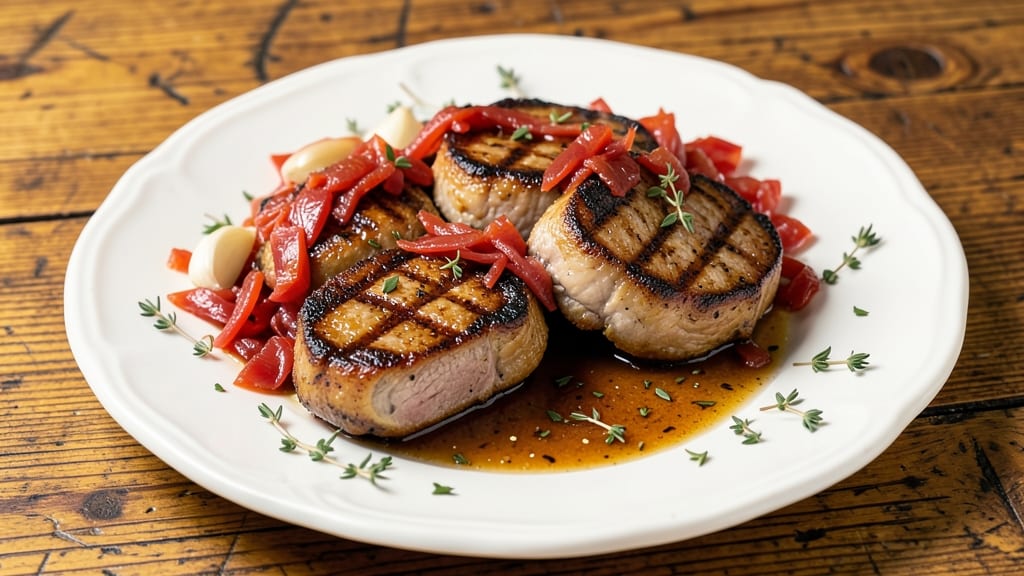
This pork chops in sauerkraut recipe delivers a perfect marriage of juicy meat and tangy fermented crunch that transforms a simple weeknight dinner into something unforgettable.
Growing up in small-town Georgia, I learned that sauerkraut wasn’t just a side—it was the secret to making pork chops taste like they’d been slow-smoked over hickory. The acidity tenderizes the meat while adding layers of flavor that balance perfectly with caramelized edges.
The beauty of this dish lies in its simplicity: thick-cut pork chops braised in sauerkraut until fork-tender, with just enough time to develop that deep, savory richness without drying out.
My heritage Gloucestershire Old Spots pigs always yield the perfect balance of fat and lean, but even store-bought chops work when you follow the technique. The key is patience—letting the flavors meld slowly so every bite delivers that perfect harmony of tangy, smoky, and sweet.
By the time you pull these chops from the oven, you’ll have golden-brown meat that practically melts in your mouth, surrounded by sauerkraut that’s softened just enough to soak up all the juices. The aroma alone—smoky, slightly sweet, with that unmistakable tang—will have everyone at the table asking for seconds.
This is the kind of dish that feels like a hug from your grandma’s kitchen, but with a professional chef’s precision.
Serve with a side of buttered egg noodles or crusty rye bread to soak up every last drop of that flavorful braising liquid. The leftovers? Even better the next day, as the flavors continue to develop. Let’s get cooking—your taste buds will thank you.
Ingredients for pork chops in sauerkraut
Juicy pork chops meet tangy sauerkraut in this crowd-pleasing recipe that transforms simple ingredients into restaurant-quality flavor.
| Ingredient | Amount | Notes |
|---|---|---|
| Bone-In Thick-Cut Pork Chops 🥓 | 4 whole | 1-inch thick, center-cut preferred |
| Sauerkraut 🥬 | 2 cups | Unopened jar, drained slightly |
| Unsalted Butter 🧈 | 4 tbsp | Cold, cut into small cubes |
| Apple Cider Vinegar 🍎 | ¼ cup | For tangy depth |
| Fresh Thyme Leaves 🌿 | ¼ cup | Chopped, stems removed |
| Garlic Cloves 🧄 | 4 cloves | Minced, aromatic powerhouse |
| Onion 🧅 | 1 whole | Yellow, sliced into half-moons |
| Honey 🍯 | 2 tbsp | Wildflower preferred |
| Diamond Crystal Kosher Salt 🧂 | 1 ½ tsp | For seasoning, not iodized |
| Freshly Ground Black Pepper 🌶️ | ½ tsp | Cracked peppercorns preferred |
| Smoked Paprika 🌶️ | 1 tsp | For subtle smokiness |
| Bay Leaves 🍃 | 2 whole | For aromatic depth |
| Olive Oil 🫒 | 2 tbsp | For searing chops |
The pork chops are non-negotiable—thick-cut, bone-in pieces with that perfect marbled fat are what make this dish sing. Gloucestershire Old Spots is the gold standard, but local farm-raised pork works beautifully too. Look for chops with a good layer of fat on the edges—this renders down during cooking and keeps the meat juicy. If you can't find bone-in, bone-in pork loin chops are your next best bet. The 1-inch thickness ensures they stay tender without drying out, and center-cut means fewer surprises when you flip them. Pro tip: Pat them dry with paper towels before searing—this helps create that perfect crust.
Sauerkraut isn't just a side here—it's the star. Unopened jarred sauerkraut from the refrigerated section (like Bubbies or Rehr's) has the best flavor, but homemade works too if you've got it. Drain it slightly before adding to the pan—you want the liquid but not too much. No sauerkraut? Fermented green cabbage with apple cider vinegar (1 tbsp vinegar per cup cabbage) mimics the tang, though it won't have the same depth. The apple cider vinegar in the recipe is key—it cuts through the richness of the pork and enhances the sauerkraut's flavor. Substitute white wine vinegar if needed, but reduce to 2 tbsp. Fresh thyme is ideal, but dried thyme at one-third the amount works in a pinch. For the honey, local wildflower adds complexity, but any good-quality honey will do.
This dish tastes even better the next day—seriously, the flavors meld like magic. Store leftovers in an airtight container with the juices for up to 4 days in the fridge. For longer storage, freeze portions for 3 months. The braising liquid? Don't waste it—use it to make gravy or drizzle over buttered egg noodles. If you're prepping ahead, sear the chops the day before and refrigerate them uncovered on a wire rack to dry the surface slightly. Then finish them in the oven the next day with the sauerkraut. Trust me, the crispy edges are worth the extra step.
Why You'll Love This Recipe
- Same recipe, different vibes: toss it together for a lazy Tuesday or dress it up with crusty bread for guests. The bone-in chops feel special, but the effort stays minimal—honestly, my in-laws think I slaved over it.
- One-Pan Magic: I swear by this—just brown the chops, dump in the sauerkraut, and let the oven do the work. No chopping veggies, no extra pans, just that rich butter and vinegar simmering into a glossy sauce while you sip your coffee.
- Tangy Crispy Perfection: The sauerkraut’s sharp bite cuts through the pork’s buttery richness, and that crispy skin? Chef’s kiss. A sprinkle of thyme ties it all together—simple, but somehow more complex than it looks.
- Weeknight to Dinner Party: Same recipe, different vibes: toss it together for a lazy Tuesday or dress it up with crusty bread for guests. The bone-in chops feel special, but the effort stays minimal—honestly, my in-laws think I slaved over it.
Step-by-step instructions for pork chops in sauerkraut
This method delivers melt-in-your-mouth pork chops with a perfectly balanced tangy-sweet fermented sauce that clings to every bite.
Season and Sear the Pork Chops for Maximum Juiciness
Pat the 4 whole bone-in thick-cut pork chops completely dry with paper towels—this ensures maximum browning. Place them on a cutting board and season each generously with 1.5 teaspoons of the diamond crystal kosher salt and 0.5 teaspoon of freshly ground black pepper, pressing the seasoning into the meat so it adheres.
Heat 2 tablespoons of olive oil in a large oven-safe skillet over medium-high heat until shimmering. Working in batches if needed, add the pork chops and sear for 3-4 minutes per side until they develop a deep golden-brown crust. The key here is to let them sit undisturbed for the first 2 minutes—this prevents them from curling and ensures even contact with the pan. You'll know they're ready to flip when they release easily from the skillet.
Build the Sauerkraut Base with Aromatics
Remove the pork chops from the skillet and set them aside on a plate. In the same skillet (no need to wipe it clean—the browned bits are flavor gold), add 2 tablespoons of the cold unsalted butter and let it melt over medium heat. Add the sliced onion and cook for 4-5 minutes until softened and just beginning to caramelize.
Stir in the 4 cloves of minced garlic and cook for 30 seconds until fragrant—don't let it brown or it'll turn bitter. Add the 2 cups of sauerkraut, breaking up any large chunks with a wooden spoon. Stir in the 0.25 cup of chopped fresh thyme leaves, 1 teaspoon of smoked paprika, and the 2 whole bay leaves. Pour in the 0.25 cup of apple cider vinegar and 2 tablespoons of honey, stirring to combine. The mixture should bubble gently as the vinegar cooks off.
Simmer the Sauerkraut Until Glossy and Flavorful
Return the pork chops to the skillet, spooning the sauerkraut mixture over them. Add enough water or apple cider vinegar to just barely cover the bottom of the pan—about ½ cup—to help deglaze and create a sauce. Bring to a gentle simmer, then reduce heat to low and cover partially with a lid. Let it cook for 15-20 minutes, stirring occasionally, until the sauerkraut softens and the pork chops reach an internal temperature of 145°F.
Here's the thing—you want the pork chops to be tender but not dry. The bone-in cut helps retain moisture, but the sauerkraut's acidity means we need to monitor closely. If the sauce reduces too much before the pork is done, add another 2-3 tablespoons of water or vinegar to keep it glossy. The ideal finish is a sauce that's thick enough to coat the back of a spoon but still clings beautifully to the chops.
Rest and Serve for Perfect Texture
Transfer the pork chops and sauerkraut to a warm serving platter. Let them rest for 5-7 minutes before serving—this allows the juices to redistribute throughout the meat, ensuring each bite is as juicy as the first. The resting time also lets the flavors meld completely, giving you that perfect balance of tangy, sweet, and smoky notes.
Garnish with additional chopped fresh thyme leaves if desired, and serve immediately. The pork chops should be fork-tender with a crispy exterior, and the sauerkraut should be softened but still retain its distinctive crunch. Pair with a crisp white wine or a simple green salad to let the flavors shine. This dish is absolutely incredible—each bite delivers that perfect harmony of textures and flavors that makes it unforgettable.
Pro Tips For Making Pork Chops In Sauerkraut
- Sear First, Simmer Slow: Get your bone-in chops screaming hot in a dry skillet for 2-3 minutes per side before adding anything. That crust locks in flavor—no, it won’t caramelize the sauerkraut juice right away, but it’ll save your pork from turning into a sad, gray slab. (Yes, even if you’re impatient like me.)
- Drain, Rinse, Repeat: Skip the jarred sauerkraut that’s been sitting in its own brine for months—it’ll make your dish taste like a pickle factory. Drain the kraut, rinse it under cold water, and pat it very dry with a towel. Wet kraut steams instead of crisping, and nobody wants mushy cabbage.
- Vinegar Early, Vinegar Often: Add a splash of apple cider vinegar to the pan before the chops go in—it cuts through the fat and keeps the sauerkraut from tasting flat. Then, stir in another tablespoon at the end. Trust me, the tang balances the richness, and skipping this step is how you end up with pork that tastes like butter and regret.
- Thyme Bundles, Not Sprinkles: Instead of dropping thyme leaves in loose, make a tiny bundle with kitchen twine and toss it into the pan with the kraut. It infuses the whole dish without turning it into a leafy mess—just pull it out before serving. (Bonus: Your future self will stop fishing for stems.)
Best sauces and condiments for these flavors
Creamy Mustard Sauce
This rich, tangy sauce is my go-to for cutting through the sauerkraut’s acidity while adding a velvety finish. Start by melting 2 tablespoons unsalted butter in a saucepan over medium heat, then whisk in 2 tablespoons whole-grain mustard (like French’s) and ¼ cup heavy cream.
Simmer for 2-3 minutes until slightly thickened, then drizzle over the pork chops just before serving. The mustard’s depth complements the sauerkraut’s fermented brightness. 🥄
Apple Cider Glaze
For a sweet-tart contrast, reduce ½ cup apple cider in a small saucepan over medium-high heat until it thickens to a syrupy consistency (5-7 minutes).
Stir in 1 tablespoon honey and a pinch of cinnamon, then brush lightly over the pork chops in the final minute of cooking. The glaze caramelizes beautifully, adding a glossy finish that balances the dish’s acidity. I love this with heritage pork—it reminds me of fall harvest flavors.
Garlic-Herb Butter
Melt 4 tablespoons softened butter with 2 minced garlic cloves, 1 tablespoon chopped parsley, and a pinch of salt in a small bowl. Fold this into the sauerkraut mixture during the last 5 minutes of cooking, or serve on the side for dipping.
The butter’s richness softens the sauerkraut’s crunch while the garlic adds aromatic depth. This is my grandma’s trick—simple but always impressive. 🧈
Red Wine Reduction
Deglaze the skillet after searing the chops with ½ cup dry red wine (like Cabernet Sauvignon), reducing by half over medium heat. Whisk in 1 tablespoon Dijon mustard and a splash of the pork’s juices, then simmer until thickened.
Strain and drizzle over the finished dish for a sophisticated touch. The wine’s tannins pair beautifully with the pork’s fat, elevating the dish to restaurant-quality. 🍷
Sour Cream Dill Dip
Mix ½ cup sour cream, 1 tablespoon chopped fresh dill, 1 teaspoon lemon juice, and a pinch of salt for a cooling contrast to the warm pork. Serve on the side for dipping or spoon over the chops at the table.
The creamy texture and bright dill cut through the richness, making every bite feel fresh. This is a crowd-pleaser, especially with picky eaters.
Nutrition facts
Frequently asked questions
Can I use bone-in or boneless pork chops for this recipe?
Bone-in pork chops are ideal—they stay juicier longer and add depth of flavor. If you prefer boneless, use ½-inch-thick chops and reduce cooking time by 2-3 minutes to prevent drying. The bone helps regulate temperature during braising, which is why it's my go-to for this tangy-sauerkraut dish.
How do I make the sauerkraut less sour for picky eaters?
Add 1 extra tablespoon of honey or ½ teaspoon sugar to the braising liquid, or stir in 1 tablespoon of cream during the last 5 minutes of cooking. The acidity mellows as it cooks, but these tweaks help balance the flavor. For kids, serve the chops plain with a side of buttered noodles and let them add sauerkraut as desired.
Can I prepare this dish ahead of time?
Sear the chops and sauté the sauerkraut mixture up to 2 days ahead, then refrigerate in an airtight container. Reheat gently in the oven at 325°F for 15-20 minutes, covered with foil. The flavors actually improve overnight as the sauerkraut's tang melds with the pork's richness. Perfect for meal prep!
What's the best way to reheat leftovers?
Leftovers reheat beautifully in the oven—cover with foil and warm at 300°F for 10-12 minutes to preserve moisture. For stovetop reheating, use low heat and add 1-2 tablespoons of water or broth to prevent drying. Never microwave—it turns the sauerkraut mushy and makes the chops rubbery. The oven keeps everything tender and flavorful.
Can I substitute sauerkraut with another fermented vegetable?
While no exact substitute exists, kimchi works best for a similar tangy crunch. Use 1½ cups and reduce apple cider vinegar to 2 tablespoons since kimchi is already acidic. For a milder option, try fermented green cabbage with 1 tablespoon vinegar per cup. The texture and flavor will differ, but the braising technique remains the same.