
Sauces & Condiments
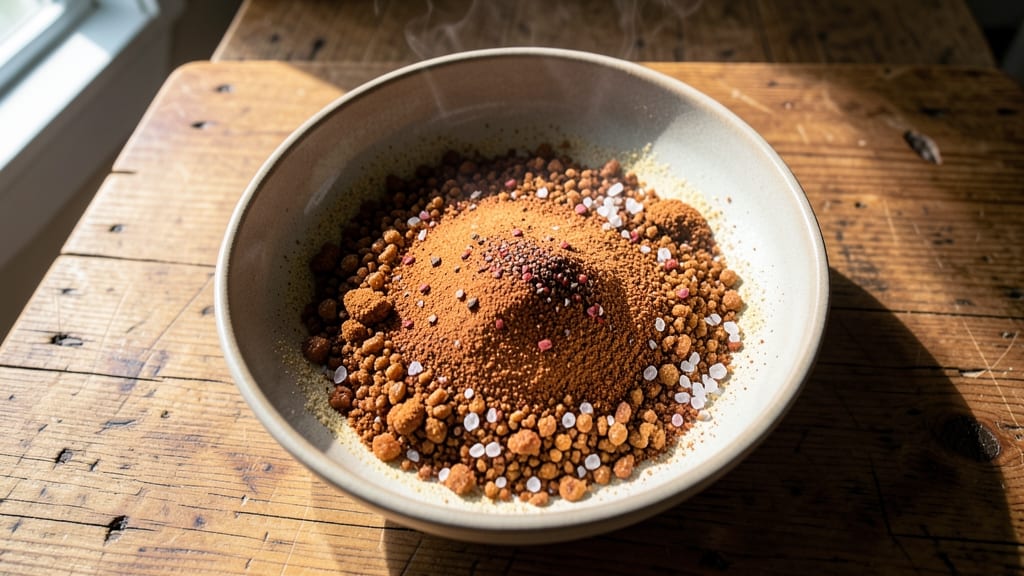
A pork tenderloin rub recipe transforms simple pork into a masterpiece with just a few ingredients—this smoky-sweet blend creates a caramelized crust while keeping the meat juicy and tender. The key lies in balancing sweet and savory spices that cling to the meat, developing deep flavor during cooking.
I developed this blend after years of testing, ensuring every tablespoon delivers maximum impact without overpowering the natural taste of pork.
What makes this rub special is its precision: 2 tablespoons of brown sugar for caramelization, 1 tablespoon smoked paprika for depth, and 1 teaspoon each of garlic powder, onion powder, and black pepper to build complexity.
The blend is designed to be mixed directly onto the meat, creating a flavorful crust that locks in moisture while cooking. Professional chefs rely on similar techniques to elevate restaurant-quality results at home.
When applied correctly, this rub creates a caramelized exterior with a tender, juicy interior—every bite reveals layers of smoky-sweet flavor that pair perfectly with grilled vegetables or mashed potatoes.
The spices penetrate the meat during cooking, ensuring rich flavor throughout. This isn't just a seasoning; it's a game-changer for pork dishes.
The best part? This blend keeps well in an airtight container for up to 3 months, making it a versatile staple for any kitchen. Use it on pork chops, roasts, or even chicken thighs for consistent, restaurant-quality results. Let's get started on creating your perfect pork rub.
Ingredients for pork tenderloin rub
Precision-blended spices and sugars create the perfect crust for pork tenderloin.
| Ingredient | Amount | Notes |
|---|---|---|
| Light Brown Sugar 🍯 | 2 tbsp | Packed for optimal caramelization |
| Smoked Paprika 🌶️ | 1 tbsp | Honduran or Spanish for best depth |
| Garlic Powder 🧄 | 1 tsp | Freshly ground preferred |
| Onion Powder 🧅 | 1 tsp | Diamond Crystal brand recommended |
| Ground Black Pepper 🌶️ | 1 tsp | Freshly cracked for maximum aroma |
| Kosher Salt 🧂 | ¾ tsp | Diamond Crystal preferred |
| Ground Cumin 🌿 | ½ tsp | Toasted for enhanced flavor |
| Ground Coriander 🌿 | ½ tsp | Freshly ground for brightness |
| Mustard Powder 🍯 | ¼ tsp | Yellow mustard preferred |
| Ground Cayenne Pepper 🔥 | ¼ tsp | Adjust for desired heat level |
The foundation of this rub begins with smoked paprika—opt for Honduran or Spanish varieties from specialty spice merchants like Penzeys or bulk bins at Whole Foods for authentic depth. Brown sugar must be packed tightly to ensure proper caramelization; avoid pre-measured containers that often contain aerated, less dense sugar. For the best results, source Diamond Crystal kosher salt—its larger crystals dissolve more evenly and enhance flavor without overpowering. The garlic powder and onion powder should be freshly ground; pre-ground spices lose potency within months, so purchase small quantities frequently or grind whole spices yourself using a dedicated spice grinder.
No smoked paprika? Substitute 1/2 teaspoon liquid smoke plus 1/2 teaspoon regular paprika for depth, though the flavor won't be identical. Mustard powder can be replaced with Dijon mustard at half the quantity, though texture will differ. For those avoiding cayenne, reduce to 1/4 teaspoon and add 1/4 teaspoon paprika to maintain complexity without heat. Ground coriander can be omitted entirely if unavailable, but the blend will lack brightness. Store-bought rubs often contain anti-caking agents; this recipe uses only pure spices for superior flavor penetration. When applying, use a fine-mesh sieve to distribute the rub evenly for maximum surface contact and caramelization.
This rub maintains peak freshness for up to 3 months when stored in an airtight glass container away from light and heat. For extended storage, freeze portions in ice cube trays and transfer to a sealed bag for up to 6 months without flavor degradation. The blend's precision ratios ensure consistent results—double-check measurements before combining, as even slight variations can affect the final crust's texture and flavor intensity. For restaurant-quality results, apply generously to pork tenderloin and let sit for 15-20 minutes before cooking to allow spices to penetrate the meat's surface.
Why You'll Love This Recipe
- Five-Ingredient Magic: I swear by this rub—just mix, coat, and cook. No fancy techniques, no stress, and honestly? The brown sugar caramelizes into this sticky, smoky crust that’s ridiculously satisfying.
- Sweet-Smoky Crunch: That light brown sugar isn’t just for sweetness—it melts into a glossy, slightly crispy shell while the smoked paprika adds deep, campfire-like warmth. Between us, it’s the kind of flavor that makes people ask, “What’s in this?”
- Weeknight or Weekend: Slap this on a tenderloin for a quick weeknight dinner, or double the batch for a crowd-pleasing main at a BBQ. I’ve used it for everything from foil-packet meals to slow-roasted feasts—it just works.
- Leftovers That Don’t Suck: Cook once, eat twice (or three times). The rub keeps the pork juicy and flavorful even reheated—perfect for sandwiches, salads, or tossing back in the pan with a splash of apple cider. No sad, dry leftovers here.
Step-by-step instructions for pork tenderloin rub
This blend delivers a perfect balance of smoky depth and sweet caramelization for restaurant-quality pork.
Combine Dry Ingredients in a Mixing Bowl
In a medium mixing bowl, add the 2 tablespoons packed light brown sugar first. This creates a base for the other spices to cling to, preventing separation later. Using a whisk, gently break up any sugar clumps to ensure even distribution throughout the rub.
Next, add the 1 tablespoon smoked paprika, 1 teaspoon garlic powder, and 1 teaspoon onion powder. These form the aromatic foundation of the blend. I recommend using freshly ground spices whenever possible—they release more robust flavors during cooking. The smoked paprika provides that essential smoky backbone that pairs perfectly with pork.
Incorporate Seasonings for Depth and Heat
Add the 1 teaspoon ground black pepper, 0.75 teaspoon kosher salt, 0.5 teaspoon ground cumin, and 0.5 teaspoon ground coriander. The black pepper and salt create a fundamental seasoning base, while the cumin and coriander add earthy complexity that complements pork's natural richness. Be precise with measurements—too much salt can overpower the delicate pork flavor.
For the final touch, add the 0.25 teaspoon mustard powder and 0.25 teaspoon ground cayenne pepper. The mustard powder contributes a subtle tang that brightens the rub, while the cayenne adds just enough heat to create a memorable finish. This is where you can adjust to taste—reduce the cayenne if you prefer a milder rub, or increase slightly for more heat.
Whisk Until Uniform and Free of Clumps
Using a whisk or fork, thoroughly combine all ingredients until you achieve a homogeneous texture with no visible streaks of individual spices. The rub should look like a fine, even powder with a slightly darker color from the smoked paprika and brown sugar. This thorough mixing ensures every particle of pork gets the same flavor treatment.
I recommend whisking for at least 30 seconds—long enough to break up any remaining sugar crystals and distribute the cayenne evenly. The final mixture should have a rich, aromatic scent with notes of smoke, sweetness, and subtle spice. If you're making this ahead of time, store the rub in an airtight container in a cool, dark place for up to 3 months—it will only improve as the flavors meld.
Apply to Pork Tenderloin for Optimal Results
Pat the pork tenderloin completely dry with paper towels—moisture is the enemy of a good crust. Generously coat all sides of the meat with the rub, pressing it firmly into the surface so it adheres well. For best results, let the seasoned pork sit at room temperature for 30 minutes before cooking. This allows the rub to penetrate slightly and develop a better crust.
The rub works equally well for grilling, roasting, or pan-searing. For grilling, maintain a temperature between 375°F and 400°F until the internal temperature reaches 145°F for medium doneness. The brown sugar will caramelize beautifully, creating that coveted crispy exterior while keeping the interior juicy and tender. Remember, the rub enhances rather than overwhelms—it should complement the natural sweetness of the pork, not mask it.
Pro Tips For Making Pork Tenderloin Rub
- CRUSH THE SUGAR FIRST: I learned this the hard way—dumping light brown sugar straight from the bag into the mix leaves clumps that won’t stick. Pulse it in a food processor or smash it with a rolling pin until it’s fine and powdery. This ensures your rub clings to the meat like it’s supposed to.
- SALT THE MEAT BEFORE RUBBING: Skip this step, and your rub won’t penetrate as well. Generously season the tenderloin with kosher salt (about 1 teaspoon per pound) 30 minutes before applying the dry rub. The salt draws out moisture, helping the spices latch on tighter.
- USE A MIXING BOWL, NOT YOUR HANDS: That’s right—no finger-mixing. Combine the smoked paprika, garlic powder, onion powder, and pepper in a bowl, then fold in the crushed brown sugar. Using your hands risks uneven distribution and makes it harder to control the texture.
- REST IT AFTER SEARING: After hitting the skillet, resist the urge to cut into it immediately. Tent the seared tenderloin with foil and let it rest for 5 minutes. This keeps the juices inside where they belong—trust me, slicing too soon turns your perfect crust into a sad, dry mess.
Essential equipment for perfect results
Mixing Tools
Start with a medium mixing bowl—I prefer glass or ceramic for better visibility while combining ingredients. A whisk is essential for breaking up sugar clumps and ensuring even distribution, but a sturdy fork works too.
For precise measurements, use a digital kitchen scale (especially for spices) or a set of measuring spoons from OXO Good Grips—their design prevents spills. 💡
Spice Storage
Invest in amber glass jars with tight-sealing lids to preserve the rub's freshness and block light, which degrades spices faster. I recommend Le Creuset or Weck jars for long-term storage—they’re airtight and stylish.
Store your rub in a cool, dark pantry (never above the stove) to maintain peak flavor for up to 3 months. For extended storage, freeze portions in silicone ice cube trays and transfer to a sealed bag for up to 6 months.
Meat Prep Tools
A fine-mesh sieve (like the OXO Good Grips version) helps distribute the rub evenly over the pork tenderloin, ensuring maximum surface contact for caramelization. For drying the meat, use paper towels—I prefer Bounty for their absorbency.
A meat thermometer (I use ThermoWorks Smoke) is non-negotiable for achieving the perfect 145°F internal temperature without overcooking. 🌡️
Cooking Equipment
For grilling, a charcoal or gas grill with temperature control between 375°F and 400°F works best. If roasting, use a heavy-duty baking sheet (like All-Clad Stainless Steel) to prevent warping.
For pan-searing, a cast-iron skillet (I love my Lodge 10.25-inch) creates the ideal crust. Preheat your equipment for 10-15 minutes before cooking to ensure even heat distribution and proper caramelization.
Optional Upgrades
For restaurant-quality results, consider a spice grinder (like the Micro Plane) to freshly grind garlic, onion, and coriander powders—this elevates the rub’s depth. A meat mallet helps tenderize the pork slightly if it’s particularly tough.
For extra crispiness, a wire cooling rack placed over a baking sheet helps render excess fat away from the meat during resting. These tools aren’t essential, but they make a noticeable difference. ✨
Nutrition facts
Frequently asked questions
Can I adjust the sweetness level in this pork tenderloin seasoning?
Reduce the brown sugar to 1 tablespoon for a less sweet profile or increase to 3 tablespoons for deeper caramelization. For a savory-only version, omit the sugar entirely and add 1 extra teaspoon smoked paprika to maintain depth.
How long should I let the rub sit on the pork before cooking?
For best results, apply the rub and let it rest for 15-20 minutes at room temperature. This allows the spices to penetrate slightly and develop a better crust. If short on time, 5 minutes minimum still works, though flavor adhesion may be slightly less intense.
Can I use this rub on other meats besides pork tenderloin?
Yes! This blend works beautifully on pork chops, ribs, or even chicken thighs. For poultry, reduce the cayenne to 1/4 teaspoon to avoid overpowering the delicate flavor. The smoky-sweet balance translates well to grilled or roasted meats with similar textures.
Why did my rub turn clumpy when mixing?
Clumping usually happens when brown sugar crystallizes. Break up clumps with a whisk before adding other spices, or pulse them briefly in a food processor. For prevention, store your rub in an airtight container with a silica gel packet to absorb moisture.
How do I store leftover rub after opening?
Transfer any unused rub to an amber glass jar with a tight seal and store in a cool, dark place for up to 3 months. For longer storage, freeze in 1-tablespoon portions in ice cube trays—thaw at room temperature before use. The spices will retain their potency better than in a humid environment.