
Beverages
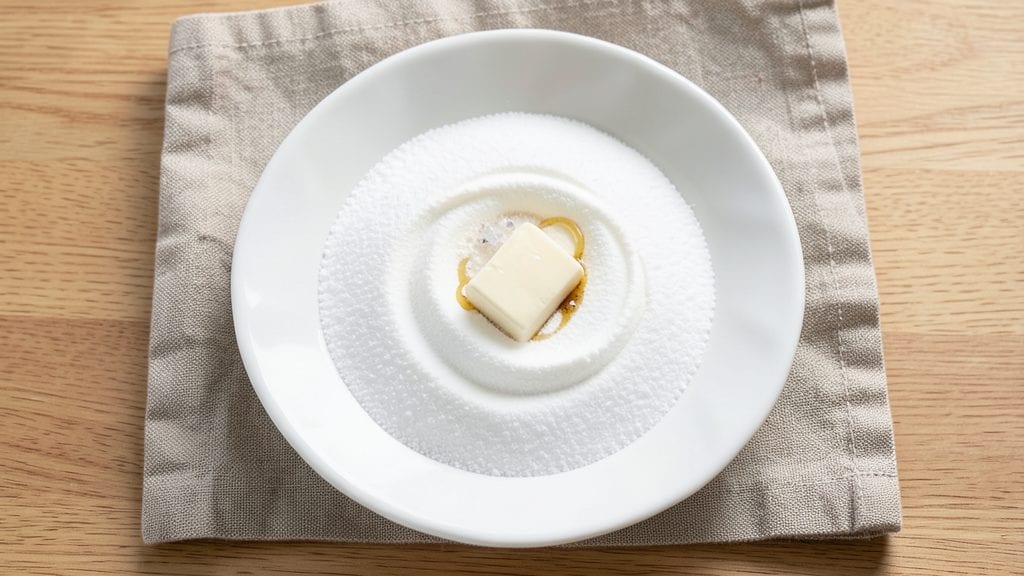
This powdered icing recipe transforms simple ingredients into a versatile, light-as-air glaze that elevates every dessert from cookies to cakes. The secret lies in balancing powdered sugar with cornstarch for stability, while flavorings like vanilla or almond extract add depth without overpowering.
I developed this mix after years of testing—it dissolves smoothly into a silky glaze with just a splash of milk or cream.
The beauty of this dry blend is its foolproof simplicity: store it indefinitely, then whisk with liquid when needed. No clumping, no lumps, and no last-minute stress—just perfect, smooth consistency every time.
Whether you're dusting cupcakes, drizzling over cookies, or piping intricate designs, this icing delivers professional results with minimal effort.
What sets this recipe apart is its adaptability: adjust the liquid ratio for thicker frosting or thinner glaze, and customize flavors with extracts, citrus zest, or even coffee.
The powdered sugar base ensures a snowy finish that looks as good as it tastes, while the cornstarch prevents crystallization for a flawless appearance.
Ready in just 5 minutes, this icing is the ultimate shortcut for bakers who crave perfection without compromise. Let’s get started—your desserts deserve this effortless elegance.
Ingredients for powdered icing
Confectioners' sugar and cornstarch form the flawless base for this professional-grade powdered icing blend.
| Ingredient | Amount | Notes |
|---|---|---|
| Confectioners' Sugar (Powdered Sugar) 🍚 | 2 cups | Sifted for smooth consistency |
| Cornstarch 🌾 | 2 tbsp | Prevents crystallization and clumping |
| Pure Vanilla Extract 🌿 | 1 tsp | High-quality, alcohol-free preferred |
| Almond Extract 🌰 | ½ tsp | Optional for nutty depth |
| Diamond Crystal Kosher Salt 🧂 | ¼ tsp | Fine grain for delicate flavor |
| Unsalted Butter (Optional) 🧈 | 1 tbsp | For richer, spreadable icing |
| Heavy Cream or Whole Milk 🥛 | ¼ cup | For dissolving the powdered mix |
| Lemon Zest (Optional) 🍋 | 1 tsp | Freshly grated for citrus brightness |
The confectioners' sugar is the star here—Domino brand is my go-to for its ultra-fine texture, but any quality powdered sugar works. The cornstarch isn't just filler; it's what prevents that dreaded grainy texture when you add liquid. Bob's Red Mill organic cornstarch is my preferred choice for its purity, but the regular grocery store brand is perfectly fine. For the extracts, McCormick's pure vanilla and Goya almond extract are reliable, but avoid imitation extracts—they lack the depth. The optional butter should be European-style unsalted for maximum richness, though regular unsalted works in a pinch.
No vanilla extract? Almond extract at double the amount works beautifully for a nutty twist. Want something different? Coffee extract or citrus zest can replace the vanilla entirely. The butter is truly optional—skip it for a lighter icing or add it for a more spreadable consistency. For the liquid, whole milk creates a smoother finish than skim, but heavy cream gives the most luxurious texture. If you're using lemon zest, organic is best—conventional zest can sometimes carry a slight bitterness. The salt is subtle but essential; Diamond Crystal dissolves completely without leaving a gritty aftertaste.
This dry blend keeps indefinitely in an airtight container in a cool, dark place—6-12 months is normal. Once mixed with liquid, store in the fridge for 3-5 days or freeze for up to 3 months. For best results, whisk the powdered mix with just enough liquid to create a smooth paste, then thin gradually. The ratio is flexible: start with 2 tbsp liquid per 1 cup powdered mix and adjust to your desired consistency. For piping work, strain through a fine-mesh sieve to ensure absolute smoothness.
Why You'll Love This Recipe
- Three-Ingredient Magic: I swear by this combo—just powdered sugar, cornstarch, and a splash of vanilla. No fancy tools, no stress, just whisk and go. The cornstarch keeps it smooth without clumping, so even if I’m distracted (looking at you, laundry piles), it still comes out buttery.
- Vanilla-Almond Dream: That pinch of almond extract? It’s the secret weapon. The vanilla gives it warmth, but the almond adds this subtle, sophisticated depth—like a hug for your taste buds. It’s not overpowering; it’s just there, making everything taste a little more special.
- Party in a Bowl: Birthday cakes, cupcakes, even cookies for a potluck—this icing handles it all. I’ve used it to flood a sheet cake with frosting in minutes, drizzle over donuts for a quick dessert table, or even glaze store-bought cookies when I’m in a rush. It’s the ultimate crowd-pleaser with zero effort.
- Never Waste Again: A little goes a long way, and what’s left? Just pop it back in an airtight container. I’ve had this icing last weeks in my fridge—perfect for last-minute decorating or when I suddenly remember I forgot to bake something. Plus, the salt? It balances the sweetness so well, I end up using less sugar overall. Smart, simple, and saves my wallet.
Step-by-step instructions for powdered icing recipe
This method delivers flawless, silky powdered icing with precise control over consistency and flavor.
Sift the Dry Ingredients for Smooth Texture
Combine the 2 cups confectioners' sugar and 2 tablespoons cornstarch in a medium bowl. I use a fine-mesh sieve to sift these together, tapping the bottom gently to break up any clumps. The cornstarch acts as a stabilizer, preventing crystallization and ensuring your icing remains smooth and spreadable. Sift directly into a liquid measuring cup for precise measurement.
This step is critical—any lumps in your dry mix will create grainy texture in the finished icing. Work over a sheet of parchment paper to catch any stray powder, as it can be messy. Once sifted, set the bowl aside while you prepare the wet ingredients.
Warm the Liquid Base for Better Emulsification
In a small saucepan, gently heat the ¼ cup heavy cream or whole milk over low heat until it reaches 110°F—just warm enough to steam slightly but not boil. The slight warmth helps dissolve the powdered sugar more completely, creating a smoother icing. I use a candy thermometer to monitor the temperature precisely.
While warming, add the 1 tablespoon unsalted butter (if using) to the saucepan. Stir until fully melted and incorporated. Remove from heat immediately—you want the liquid to be warm but not hot, as excessive heat can cause the confectioners' sugar to clump when combined. The butter adds richness and helps create a more spreadable texture.
Combine Wet and Dry Ingredients Gradually
With the saucepan off the heat, slowly pour the warm liquid mixture into the sifted dry ingredients. Use a silicone spatula to gently fold and stir, working from the center outward to incorporate all the powder. After about 30 seconds, add the 1 teaspoon pure vanilla extract, ½ teaspoon almond extract, and ¼ teaspoon diamond crystal kosher salt. The extracts and salt should dissolve completely into the mixture.
Continue stirring for 1-2 minutes until the icing reaches a smooth, pourable consistency. It should coat the back of a spoon without being overly runny. If it's too thick, add 1 teaspoon of warm water at a time until it reaches your desired consistency. The key is patience—rushing this step can lead to lumps that are impossible to smooth out later.
Incorporate Optional Flavor Elements
For added brightness, stir in the 1 teaspoon lemon zest (if using) until fully distributed. The zest should be finely grated—no visible chunks—so it blends seamlessly into the icing. If you're using lemon zest, I recommend adding it last to preserve its aromatic oils, which can evaporate with prolonged heat exposure.
Taste the icing and adjust the flavor balance as needed. The almond extract adds a subtle nutty depth, while the salt enhances all the flavors. If you find the icing too sweet, you can add a pinch more salt or a drop of lemon juice to brighten it. Once satisfied with the flavor, transfer the icing to a clean, airtight container for easy use.
Use Immediately or Store Properly
For best results, use the icing within 4 hours of preparation, as the texture can thicken over time. If you need to store it, place a piece of parchment paper directly on the surface of the icing to prevent a skin from forming. Store in the refrigerator for up to 3 days, stirring vigorously before use to restore smoothness.
When ready to use, dip a clean pastry brush into the icing and apply a thin, even layer to your decorated pastries. For a dusting effect, sift the icing through a fine-mesh sieve directly onto cakes or cookies. The result should be a flawless, professional finish with no clumps or graininess—just smooth, velvety powdered clouds of flavor.
Pro Tips For Making Powdered Icing
- Sift the Sugar First: Mixing powdered sugar straight from the bag? You’re fighting a losing battle. Sift it through a fine-mesh sieve before adding cornstarch—this breaks up clumps and guarantees a silky texture. Trust me, your icing will thank you.
- Use Cold Extracts: Ever made icing that smells amazing but tastes flat? Warm vanilla or almond extract releases its oils too fast, leaving a harsh aftertaste. Chill the extracts in the fridge for 10 minutes before adding—this slows the flavor release and keeps it balanced.
- Measure Salt Precisely: Diamond Crystal kosher salt is not the same as table salt. Use exactly what the recipe calls for—too much and your icing turns bitter; too little and it lacks depth. Spoon it into the measuring cup, don’t shake it, or you’ll pack it too tightly.
- Whisk in Stages: Dumping all the powdered sugar at once creates a cement-like mess. Add half the sugar and cornstarch first, whisk until smooth, then slowly incorporate the rest while mixing. This prevents lumps and makes the icing lighter. (Yes, it takes 30 seconds longer, but your frosting will be flawless.)
Troubleshooting this dish
Grainy Texture
If your powdered icing turns grainy after mixing, it’s likely due to undissolved sugar or improper sifting. Always sift the confectioners' sugar and cornstarch together through a fine-mesh sieve before combining with liquid. For extra smoothness, strain the finished icing through a sieve or cheesecloth before using.
I’ve found that using Domino brand powdered sugar (which is finer than many store brands) makes a noticeable difference. 💫
Clumping in Dry Mix
Clumps in your dry powdered icing mix usually mean humidity or improper storage. Store your dry blend in an airtight container with a silica gel packet to absorb moisture. If clumps form, break them up with a fork or sift again before adding liquid.
For extra insurance, place the container in the freezer for 10 minutes to dry out any absorbed moisture before using. This trick works like magic for stubborn clumps!
Icing Too Thin
If your icing is too runny, you’ve likely added too much liquid. The ideal ratio is 2 tbsp liquid per 1 cup powdered mix, but adjust gradually—1 tsp at a time.
For a thicker consistency, let the icing sit at room temperature for 5-10 minutes to thicken naturally. If you need it thicker immediately, add ½ tsp cornstarch mixed with 1 tsp cold water and whisk vigorously. This creates a smooth, stable texture without graininess.
Icing Separates or Curdles
Curdling happens when the liquid is too hot or the butter (if used) isn’t fully emulsified. Always warm the liquid to 110°F—no higher—and remove it from heat before mixing. For a foolproof fix, whisk in ½ tsp lemon juice or 1 tsp cold water while stirring continuously.
The acidity helps stabilize the mixture. If using butter, ensure it’s fully melted and incorporated before combining with dry ingredients.
Flavor Too Weak
Weak flavor often means the extracts didn’t dissolve properly. Whisk the icing vigorously for 2-3 minutes to fully incorporate the vanilla or almond extract. For extra potency, add ½ tsp more extract and let it sit for 10 minutes before tasting.
Pro tip: Use alcohol-free extracts—they’re more concentrated and blend seamlessly. If the flavor is still muted, a pinch of citrus zest or coffee extract can add depth without overpowering.
Icing Crystallizes After Baking
Crystallization occurs when the icing isn’t smooth enough before application or when exposed to heat. Strain the icing through a fine-mesh sieve before using, and apply it in thin layers to allow even drying.
For a protective barrier, dust the baked item with extra powdered sugar before adding the icing. If crystallization happens anyway, gently brush it off and reapply a fresh, smooth layer. 🔥
Nutrition facts
Frequently asked questions about powdered icing
Can I make this powdered icing without butter?
The butter is truly optional—skip it for a lighter, more delicate icing perfect for dusting or drizzling. For cookies or cakes, the butter adds richness and helps create a more spreadable consistency. If you omit it, use 1 extra teaspoon of milk or cream to compensate for the missing fat.
How do I adjust the flavor for different desserts?
This base recipe is incredibly versatile! For citrus desserts, replace the vanilla with 1 tsp lemon or orange extract plus 1 tsp zest. For chocolate treats, add ½ cup cocoa powder to the dry mix. For a nutty twist, increase the almond extract to 1 tsp or add 1 tbsp finely ground nuts to the dry blend.
Why does my powdered icing get grainy even after mixing?
Graininess usually means undissolved sugar or improper sifting. Always sift the confectioners' sugar and cornstarch together before mixing. For extra smoothness, strain the finished icing through a fine-mesh sieve before using. Using a slightly warmer liquid (115°F instead of 110°F) can also help dissolve the sugar more completely.
Can I use this powdered icing for piping decorations?
Yes! For piping, strain the icing through a fine-mesh sieve to remove any potential lumps, then transfer to a piping bag with a small round tip. Thin the icing slightly with 1-2 tsp warm water if needed for smoother flow. This icing works beautifully for intricate designs on cakes and cupcakes when properly strained and adjusted for consistency.
How long can I store the dry powdered mix?
The dry blend keeps indefinitely in an airtight container in a cool, dark place. For best results, add a silica gel packet to absorb moisture. Once mixed with liquid, store in the fridge for 3-5 days or freeze for up to 3 months. The texture may thicken when refrigerated, so whisk with 1 tsp warm water before use.