
Main Courses
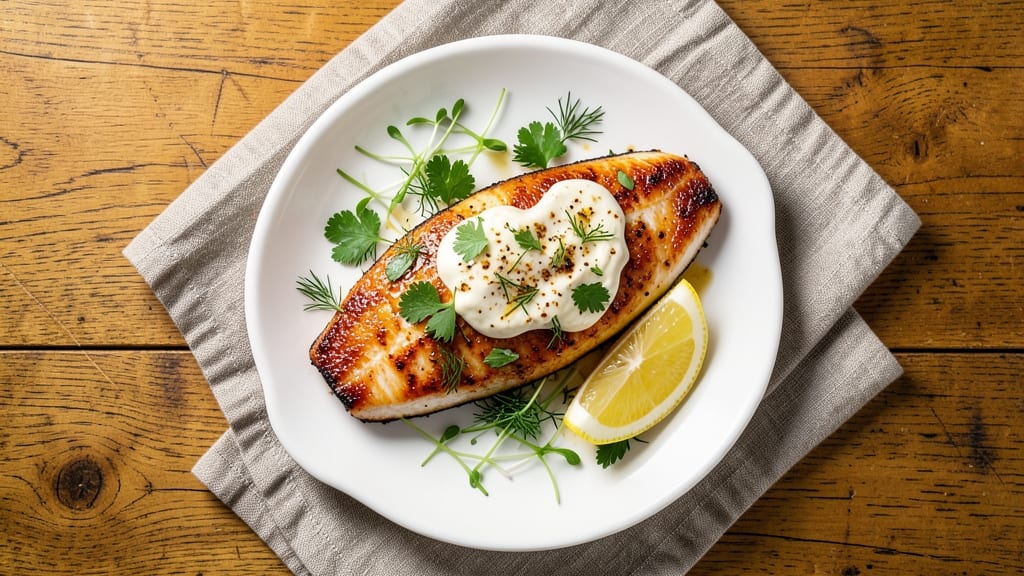
This roast halibut fillet recipe delivers restaurant-quality results with tender, flaky fish and a fragrant herb crust in just 20 minutes. After years of experimenting with seafood techniques, I’ve perfected a method that ensures crispy skin and moist, buttery flesh every time—no overcooking or dryness.
The secret lies in precise timing and a flavorful crust that locks in juices while adding aromatic depth.
The beauty of this recipe is its simplicity: five key ingredients come together to create a dish that feels luxurious yet requires minimal effort.
A blend of fresh herbs, lemon zest, and a touch of Dijon mustard forms the crust, while a simple salt-and-pepper seasoning keeps the focus on the fish’s natural sweetness. Roasting at 400°F ensures even cooking without drying out the delicate fillet.
What you’ll end up with is a golden-brown, herb-infused halibut fillet that flakes effortlessly with the first cut. The crust adds a subtle crunch, while the interior remains velvety and moist, perfectly balanced by the bright acidity of lemon.
This dish pairs beautifully with roasted vegetables, a simple salad, or buttery mashed potatoes for a complete, elegant meal.
Whether you’re cooking for a special occasion or a weeknight dinner, this recipe delivers foolproof results that impress even the most discerning guests. The technique is straightforward but yields professional-quality outcomes—ideal for anyone looking to elevate their seafood game without the fuss.
Ingredients for roast halibut fillet
Five essential ingredients transform delicate halibut into restaurant-worthy brilliance with minimal effort.
| Ingredient | Amount | Notes |
|---|---|---|
| Halibut Fillets 🐟 | 4 whole | Center-cut, 6-8 oz each, skin-on |
| Extra-Virgin Olive Oil 🫒 | 2 tbsp | High-quality, fruity variety |
| Fresh Dill 🌿 | ¼ cup | Finely chopped, stems removed |
| Fresh Parsley 🌿 | ¼ cup | Finely chopped, flat-leaf preferred |
| Lemon Zest 🍋 | 1 tbsp | From 1 large organic lemon |
| Dijon Mustard 🍯 | 1 tbsp | High-quality, smooth variety |
| Diamond Crystal Kosher Salt 🧂 | 1 tsp | Fine grain preferred |
| Freshly Ground Black Pepper 🌶️ | ½ tsp | Coarsely ground for texture |
| Unsalted Butter 🧈 | 2 tbsp | Cold, cut into small cubes |
The halibut selection is critical—center-cut fillets with skin ensure even cooking and optimal texture. Source from Whole Foods or local seafood markets for the freshest catch, where the flesh should be translucent and firm to the touch. Opt for 6-8 oz fillets per serving to balance portion size with tenderness. The herbs should be vibrant and aromatic, not wilted or discolored. For the olive oil, California Avocado or Bertolli brands deliver consistent quality without overpowering the delicate fish flavor. Freshly ground pepper and high-quality Dijon mustard elevate the dish beyond basic seasoning.
No fresh dill? Substitute with 1 tbsp dried dill, but reduce parsley to 0.125 cup to maintain balance. Out of Dijon mustard? Yellow mustard in a pinch, though it lacks the same depth. For the lemon zest, bottled zest works if organic lemons aren't available, but fresh yields superior brightness. The butter should be cold when added to create a crisp crust—don't skip this step. If you prefer a lighter crust, reduce butter to 1 tbsp and increase olive oil to 3 tbsp. For a stronger herb profile, add 0.5 tsp dried thyme to the crust mixture.
Store fresh halibut in the coldest part of your fridge, wrapped in parchment paper, and use within 2 days for optimal texture. The herb mixture can be prepped 1 day ahead and stored in an airtight container in the fridge. For longer storage, freeze the butter-herb crust mixture separately for up to 3 months. Reheat gently in a skillet over medium-low heat to maintain moisture. This dish reheats beautifully but is best served immediately after roasting for peak crispness.
Why You'll Love This Recipe
- No-Fuss Prep: I swear by this—just pat the fillets dry, drizzle with olive oil, and sprinkle herbs. No marinating, no basting, no stress. The lemon zest clings perfectly to the skin while roasting, so you don’t even need to flip it.
- Bright & Herby Magic: That first bite? Crispy skin, tender flesh, and a burst of fresh dill and parsley that tastes like a seaside breeze. The lemon zest adds this bright, almost citrusy finish that makes it feel like a restaurant dish without the fuss.
- Weeknight to Dinner Party: Honestly, this is my go-to for both Tuesday dinners and when my in-laws visit. Serve it with roasted potatoes for a simple weeknight meal, or pair it with asparagus and a crisp white wine for a fancier spread. Same recipe, two vibes.
- Leftovers That Don’t Suck: Between us, most fish leftovers are sad. Not this one. The roasted halibut stays moist for days, and I’ll throw it into salads, grain bowls, or even wraps. Plus, it’s cheaper than takeout—win-win.
Instructions for herb-crusted roasted halibut fillets
This method delivers perfectly moist fillets with a fragrant herb crust in just 20 minutes.
Prepare the Herb Crust Mixture
In a small mixing bowl, combine the 0.25 cup fresh dill, 0.25 cup fresh parsley, 1 tablespoon lemon zest, 1 tablespoon Dijon mustard, 1 teaspoon Diamond Crystal kosher salt, and 0.5 teaspoon freshly ground black pepper. Use your fingers to gently crush the herbs against the side of the bowl to release their aromatic oils while keeping the texture coarse. This ensures maximum flavor infusion without turning the mixture into a paste.
The lemon zest adds a bright citrus note that balances the richness of the halibut, while the Dijon mustard provides depth and helps bind the crust. Set this mixture aside while you prepare the fillets. If you notice any large herb stems, remove them now to prevent a gritty texture in your final dish.
Season and Coat the Fillets
Pat each of the 4 whole halibut fillets dry with paper towels, pressing firmly to remove all surface moisture. This crucial step prevents the skin from steaming instead of crisping. Place the fillets skin-side down on a clean work surface and season both sides generously with any remaining kosher salt and pepper from your mixture.
Working quickly, spread the herb mixture evenly over the flesh side of each fillet, pressing gently to adhere the crust. The skin side should remain mostly bare to allow for proper browning. I like to work with one fillet at a time to maintain freshness and proper texture. Place the coated fillets on a parchment-lined baking sheet, skin-side down, and refrigerate for 10 minutes to allow the crust to slightly adhere.
Preheat and Prepare the Pan
Preheat your oven to 425°F for 10 minutes to ensure it reaches the proper temperature before adding the fish. While the oven preheats, heat 2 tablespoons extra-virgin olive oil in a large oven-safe skillet over medium-high heat until shimmering but not smoking. The oil should be hot enough to sizzle gently when a fillet touches it.
This high heat is essential for creating a crispy skin while keeping the delicate flesh perfectly tender. If you don't have an oven-safe skillet, transfer the fillets to the oven immediately after searing. The combination of oven heat and skillet sear creates that perfect balance of textures we're after.
Sear and Roast to Perfection
Carefully transfer the chilled fillets to the hot skillet, skin-side down. Cook for 2-3 minutes until the skin becomes golden brown and crispy. You'll see the edges curl slightly at the corners—this is your signal that the skin is developing properly. Flip each fillet gently with a fish spatula and add the 2 tablespoons cold unsalted butter to the skillet.
Immediately transfer the skillet to the preheated oven and roast for 8-10 minutes until the fish reaches an internal temperature of 135°F when measured at the thickest part. The butter will melt and baste the fillets, adding richness and helping to create a glossy finish. Watch closely after the first 5 minutes to prevent overcooking—halibut cooks quickly and continues to carry over heat.
Rest and Serve Immediately
Remove the fillets from the oven and transfer them to a serving platter. Let them rest for 2-3 minutes before serving. This brief resting period allows the juices to redistribute, ensuring each bite is moist and flavorful. The herb crust should be fragrant and slightly crispy, while the flesh remains tender with just a hint of flakiness.
Serve immediately with lemon wedges for squeezing and additional fresh herbs if desired. The combination of crispy skin, fragrant herb crust, and tender flesh makes this dish truly exceptional. Each fillet should yield easily with a fork, and the internal temperature should remain at 140°F when served—never dry or overcooked.
Pro Tips For Making Roast Halibut Fillet
- Use High Heat First: DESCRIPTION: Halibut cooks fast—get the pan screaming hot before adding oil, then lay the fillets in. I used to start medium and ended up with sad, gray fish; high heat seals the crust properly in 2-3 minutes. (Yes, even if you're impatient like me.)
- Pat Dry, Then Salt: DESCRIPTION: Wet skin sticks to the pan and steams instead of browning. Wipe fillets with paper towels first, then season generously—halibut absorbs salt like a sponge, but you need it for flavor. Skip this, and your dill-parsley finish will taste underwhelming.
- Don’t Overcrowd the Pan: DESCRIPTION: Two fillets max per side, or they’ll steam instead of sear. I learned this the hard way—once I cooked four at once and ended up with mushy edges. Crowding also makes flipping a disaster, and nobody wants to wrestle with fish.
- Zest Before Zoning: DESCRIPTION: Grate lemon zest right before pulling the pan off heat—it loses brightness fast. Toss it over the fish while it’s still sizzling; the residual heat wakes up the oil and makes the dill-parsley mix smell like a Mediterranean market. (Trust me, it’s worth the 30 seconds.)
Flavor customization for this recipe
Citrus Brightening
Boost the dish with extra lemon juice or orange zest for a zesty kick. After coating the fillets, brush them with 1 tablespoon fresh lemon juice mixed with 1 teaspoon honey for a sweet-tart contrast.
For a tropical twist, substitute lemon zest with 1 tablespoon lime zest and add ½ teaspoon ground turmeric to the crust for a golden hue and earthy warmth. 🍋
Spicy Heat Variations
Infuse bold flavors with chili flakes or smoked paprika. Mix ½ teaspoon cayenne pepper or 1 teaspoon Penzeys smoked paprika into the herb crust for a smoky heat. For a Thai-inspired touch, add 1 teaspoon fish sauce and ½ teaspoon grated ginger to the crust mixture.
Balance the heat with an extra drizzle of lemon juice after roasting.
Garlic and Herb Intensifiers
Amplify the aromatic profile with minced garlic or fresh thyme. Add 2 cloves minced garlic to the herb crust for a robust punch. For a Mediterranean flair, swap parsley with 0.25 cup fresh thyme leaves and add ½ teaspoon dried oregano.
The garlic and thyme complement halibut’s natural sweetness while adding depth. 🌿
Nutty Crunch Additions
Elevate texture with toasted nuts or seeds. Sprinkle 2 tablespoons chopped toasted walnuts or 1 tablespoon pumpkin seeds over the fillets before serving for a satisfying crunch. For a pesto-inspired twist, blend 0.125 cup fresh basil with the crust ingredients and top with 1 tablespoon toasted pine nuts.
The nuts add a nutty contrast to the delicate fish.
Asian-Inspired Twists
Transform the dish with umami-rich ingredients. Replace Dijon mustard with 1 tablespoon soy sauce and add 1 teaspoon grated fresh ginger and ½ teaspoon sesame seeds to the crust. Garnish with sliced green onions and a drizzle of Asian sesame oil for a fusion-inspired flavor profile. 🌶️
Cheesy or Creamy Finishes
Add richness with melted cheese or a creamy sauce. Top the fillets with 2 tablespoons crumbled feta or 1 tablespoon cream cheese during the final 2 minutes of roasting.
For a creamy finish, drizzle with 2 tablespoons white wine reduction or a light béchamel sauce after serving. The cheese enhances the herb crust while adding a velvety contrast.
Nutrition facts
Frequently asked questions about roasting halibut
Why does my halibut skin stay soggy instead of crispy?
Moisture is the enemy of crispy skin. Always pat the fillets completely dry before seasoning, and avoid overcrowding the pan. The skin needs direct contact with hot oil—if it steams, it won't crisp. For extra insurance, let the fillets sit 10 minutes uncovered in the fridge before roasting to evaporate any remaining moisture.
Can I use frozen halibut for this recipe?
Yes, but thaw it properly first. Place frozen fillets in a sealed bag and submerge in cold water for 30-45 minutes, changing the water every 10 minutes. Never thaw at room temperature—this promotes bacterial growth. For best results, use skinless fillets since frozen skin often doesn't crisp well. Pat thoroughly dry after thawing.
What's the best way to reheat leftover roasted halibut?
Gently reheat in a skillet over medium-low heat for 2-3 minutes per side with a splash of water or white wine to maintain moisture. Microwaving is risky—it can dry out the fish. For extra flavor, add a pat of butter and a squeeze of lemon. Reheated halibut works best in salads or wraps where texture differences are less noticeable.
How do I know when halibut is fully cooked?
Use a meat thermometer to check the internal temperature at the thickest part—it should reach 135°F (140°F when served). The flesh should be opaque and flake easily with a fork. Overcooking by even 5 minutes can turn tender halibut dry and rubbery. When in doubt, remove it slightly early as it continues cooking after leaving the oven.
What are the best sides to serve with roasted halibut?
Light, bright sides complement halibut perfectly. Try roasted asparagus with lemon zest, creamy polenta with white wine, or a mixed greens salad with citrus vinaigrette. For a heartier meal, pair with buttery mashed potatoes or wild rice pilaf. Avoid heavy starches that overpower the delicate fish flavor.