
Desserts
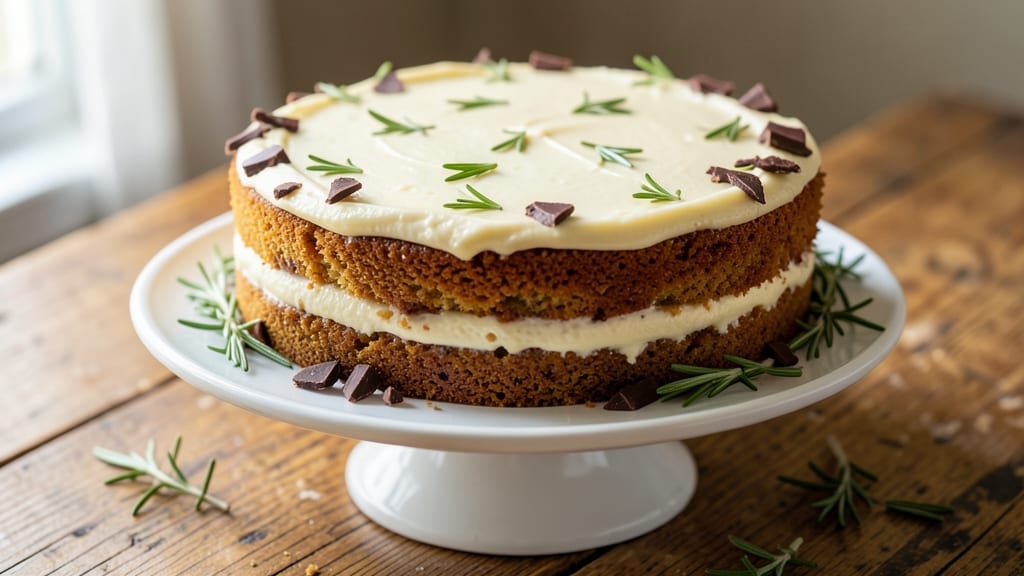
This rosemary cake recipe delivers a sophisticated dessert with aromatic herbal notes and a buttery, crackly top that will impress even skeptical guests. The key lies in balancing rosemary's piney intensity with sweet vanilla and citrus, creating a cake that's both elegant and approachable.
I've perfected this technique over years of baking, ensuring the rosemary flavor shines without overpowering the delicate crumb.
The cake itself is moist yet tender, with a golden crust that develops a satisfying crunch when baked properly. Unlike traditional vanilla cakes, this version relies on a precise blend of ingredients—including a touch of lemon zest—to enhance the rosemary's natural brightness.
The recipe requires just 45 minutes of active time, making it ideal for special occasions without the fuss of elaborate layering or frosting.
What makes this rosemary cake truly special is its versatility—serve it warm with whipped cream for a rustic touch, or dust with powdered sugar for a refined finish. The aroma alone will fill your kitchen with warmth, while each bite offers a harmonious balance of herbal depth and buttery sweetness.
Perfect for holiday gatherings or as a unique centerpiece for dessert lovers.
With simple ingredients and a foolproof method, this cake proves that herbal flavors can elevate even the most classic desserts. The secret is patience—letting the rosemary infuse the batter while maintaining a light texture. Ready to bake a cake that tastes as impressive as it smells?
Ingredients for rosemary cake
Nine simple ingredients transform into a rosemary cake with elegant herbal notes and a buttery crackly top.
| Ingredient | Amount | Notes |
|---|---|---|
| Unsalted Butter 🧈 | 1 cup | Cold, cubed for optimal texture |
| Granulated Sugar 🍚 | 1 ½ cups | Superfine preferred for smooth batter |
| Light Brown Sugar 🍚 | ½ cup | Packed firmly for accuracy |
| Large Eggs 🥚 | 4 whole | Room temperature for even mixing |
| All-Purpose Flour 🌾 | 2 cups | Sifted for light texture |
| Baking Powder 🧂 | 2 tsp | Freshly measured for lift |
| Salt 🧂 | ½ tsp | Fine sea salt preferred |
| Fresh Rosemary 🌿 | ¼ cup | Finely chopped leaves only |
| Pure Vanilla Extract 🥛 | 2 tsp | High-quality for authentic flavor |
| Lemon Zest 🍋 | 1 tbsp | From organic lemons preferred |
| Whole Milk 🥛 | ½ cup | Room temperature for smooth batter |
| Powdered Sugar 🍚 | 2 tbsp | For dusting finished cake |
The rosemary is non-negotiable—fresh sprigs from a trusted local market have superior flavor compared to dried. Look for vibrant green needles with a fragrant aroma when crushed. Whole Foods or Trader Joe's carry excellent quality, but even grocery store varieties work if they're fresh. For the butter, European-style brands like Plugrá melt beautifully, creating that signature crackly crust. If you're using dried rosemary, reduce to one-third the amount and infuse it in warm milk for 10 minutes before straining. The lemon zest should come from organic lemons if possible—the brighter the peel, the more vibrant the flavor. Don't skip the zest; it's what brightens the rosemary's piney notes.
No vanilla extract? Vanilla bean paste works beautifully, or vanilla sugar at half the quantity. Substituting brown sugar? Use dark brown for better moisture retention. The baking powder must be fresh—test it by mixing with water (should bubble vigorously). If your flour lacks fat, add 1 tbsp melted butter to the dry ingredients. For a richer texture, replace half the milk with heavy cream. The powdered sugar dusting is optional but recommended—sift it lightly over the cooled cake for an elegant finish. Store-bought vanilla extract is fine, but homemade or high-quality brands like Nielsen-Massey elevate the flavor significantly.
This cake keeps exceptionally well—wrapped tightly in plastic at room temperature for up to 3 days, or refrigerated for 5 days. For longer storage, freeze sliced portions for up to 3 months. Reheat individual slices in a 350°F oven for 5-7 minutes to restore that crackly top. The aroma alone makes this cake worth baking ahead—double the recipe for holiday gatherings and freeze half. To serve warm, bake at 325°F for 10-12 minutes before dusting with powdered sugar. The texture improves with age, so wait 24 hours before serving if possible—patience rewards with a more tender crumb.
Why You'll Love This Recipe
- No Mixer Needed: I swear by this—just cream the butter and sugars by hand (or use a fork in a pinch) until it’s light and fluffy. The eggs and flour come next, and honestly? The rosemary’s fresh piney kick cuts through the richness, so you don’t even miss the extra steps.
- Buttery-Brown Magic: That light brown sugar? It’s the secret weapon here—caramelizing just enough to give the cake a subtle depth, while the butter keeps it rich without being heavy. The rosemary’s earthy aroma lingers in every bite, like a warm hug from a French countryside bakery.
- Brunch or Dessert: Serve it warm with a drizzle of honey for a sophisticated brunch, or dust it with powdered sugar for a no-fuss dessert that still feels special. Between us, it’s the kind of cake that disappears faster than I can say “second slice.”
- Leftovers That Win: This cake actually tastes better the next day—moist, tender, and perfect for packing in lunches or gifting to neighbors. And with just five pantry staples, it’s my go-to when I’m low on time or cash but still want something impressive.
Step-by-step instructions for rosemary cake
Here's the method for a perfectly balanced rosemary cake with crisp edges and tender crumb.
Cream Butter and Sugars Together
In a stand mixer fitted with the paddle attachment, combine the 1 cup unsalted butter (cold, cubed) with the 1.5 cups granulated sugar and 0.5 cup light brown sugar. Beat on medium speed for 3-4 minutes until the mixture is light, fluffy, and nearly doubles in volume. You'll see the texture transform from grainy to smooth and pale.
This creaming process incorporates air into the batter, which creates the cake's signature tender crumb. I press down on the butter occasionally with a spatula to ensure it's fully incorporated—this prevents pockets of unmixed butter that can lead to dense cake. The mixture should be thick enough to hold soft peaks when you lift the paddle.
Add Eggs and Dry Ingredients
Add the 4 whole large eggs one at a time, mixing on low speed after each addition until fully incorporated. Then stir in the 2 teaspoons pure vanilla extract and 1 tablespoon lemon zest. The batter will be slightly lighter in color and more fluid as the eggs blend in.
In a separate bowl, whisk together the 2 cups all-purpose flour, 2 teaspoons baking powder, and 0.5 teaspoon salt. Gradually add the dry ingredients to the wet mixture, alternating with the 0.5 cup whole milk in 3 additions. Begin and end with the flour to ensure even distribution. Mix on low speed just until combined—you should still see streaks of flour. Overmixing develops gluten, which can make the cake tough.
Fold in Rosemary and Prepare the Batter
Remove the bowl from the mixer and gently fold in the 0.25 cup finely chopped fresh rosemary using a silicone spatula. The rosemary should be evenly distributed throughout the batter, but don't overmix—just enough to combine. The batter will be thick and slightly streaked with green from the rosemary leaves.
Here's the thing—this is where the herb's flavor infuses evenly. I use a spatula to scrape the bottom and sides of the bowl to ensure no dry ingredients remain. The batter should be smooth enough to pour but still hold its shape when spooned. If it's too thick, add 1-2 tablespoons of milk to reach the right consistency for folding.
Bake to Golden Perfection
Preheat your oven to 350°F and grease two 9-inch round cake pans (or one 9x13-inch pan) thoroughly with butter, then dust with flour. Divide the batter evenly between the pans. Bake for 30-35 minutes (or 40-45 minutes for the sheet pan) until a toothpick inserted in the center comes out clean and the edges are golden brown.
Don't open the oven early to check—this causes the cake to sink. Instead, trust the timer and the visual cues. The cake should spring back slightly when pressed gently in the center. If using round pans, rotate them halfway through baking for even heat distribution. The rosemary aroma will fill your kitchen as it bakes, signaling it's ready.
Cool and Dust with Powdered Sugar
Remove the cake from the oven and let it cool in the pans for 10 minutes. Then transfer to a wire rack to cool completely. This resting period allows the cake to set properly and prevents it from becoming gummy.
Once fully cooled, dust the top generously with the 2 tablespoons powdered sugar using a fine-mesh sieve. This step enhances the cake's presentation and balances the herbal notes with a touch of sweetness. Slice into 8 equal servings and serve at room temperature for the best texture and flavor combination.
Pro Tips For Making Rosemary Cake
- Cream Butter Slowly: Whip the butter and sugars together for a solid 3-4 minutes before adding eggs—this ensures the butter is fully emulsified and the cake turns out tender, not dense. I used to rush this step and ended up with a crumbly texture that felt more like shortbread than cake.
- Toast the Rosemary: Lightly toast the rosemary sprigs in a dry pan for 30 seconds before chopping—this intensifies the flavor and prevents the cake from tasting like raw herbs. (Yes, it sounds odd, but trust me, it makes a real difference.)
- Don’t Overmix the Batter: Stop folding in the flour as soon as it’s just combined—overmixing develops gluten and turns your cake into a tough, chewy brick. Give it two turns with a spatula, then call it done.
- Use Room-Temp Eggs: Cold eggs make the batter lumpy and uneven—let them sit in warm water for 10 minutes first. I learned this the hard way after pulling a cake out of the oven with a weird, bumpy top. (Your future self will thank you.)
Perfect pairings for rosemary cake
Herbal Tea Pairings
Balance the rosemary's earthy notes with a chamomile-rosemary tea blend—steep 1 tbsp dried chamomile and ½ tsp dried rosemary in 8 oz hot water for 5 minutes.
The floral sweetness complements the cake's herbal depth. For a citrus twist, serve with Earl Grey tea—the bergamot brightens the rosemary's piney aroma. 🍵
Warm Spiced Compote
Top slices with a warm apple-cinnamon compote made from 2 cups peeled apples, ½ cup apple cider, 1 tbsp brown sugar, and ½ tsp cinnamon. Simmer for 10 minutes until thickened. The spiced sweetness contrasts beautifully with the cake's herbal bite. 🍏
Creamy Cheese Options
Serve with whipped mascarpone mixed with 1 tbsp honey and a pinch of salt. The creamy richness softens the rosemary's intensity. For a tangy option, try goat cheese crumbles—their acidity cuts through the cake's buttery texture. 🧀
Seasonal Fruit Accents
Add sliced pear or figs for a fresh, juicy contrast. The natural sweetness of ripe pears balances the herbal notes, while figs add a luxurious texture. Serve at room temperature for the best flavor harmony. 🍐
Beverage Pairings
Pair with a dry Riesling—its crisp acidity and citrus notes mirror the lemon zest in the cake. For coffee lovers, a lightly roasted single-origin Ethiopian enhances the rosemary's herbal complexity. Avoid overly sweet wines or dark roasts that overpower the delicate flavors. 🍷
Garnish for Presentation
Dust with edible gold leaf for an elegant touch, or sprinkle with toasted pine nuts for crunch. A few fresh rosemary sprigs on the side elevate the rustic charm while reinforcing the herb's star role. 🌿
Nutrition facts
Frequently asked questions
Can I substitute dried rosemary for fresh in this cake?
Yes, but use only ⅓ the amount of dried rosemary (about 1 teaspoon instead of ¼ cup fresh). First, toast the dried rosemary in a dry pan for 1 minute to enhance its flavor, then steep it in ¼ cup warm milk for 10 minutes before straining. This mimics the fresh herb's intensity and moisture.
Why does my rosemary cake taste bitter?
Overcooked rosemary or using too much fresh herb causes bitterness. Stick to ¼ cup finely chopped fresh rosemary and avoid browning it. The lemon zest and vanilla in this recipe naturally balance herbal flavors—if you skipped those, add ½ teaspoon extra vanilla or 1 extra tablespoon lemon zest to the batter.
Can I make this cake gluten-free?
Replace the 2 cups all-purpose flour with a 1:1 gluten-free flour blend (like Bob's Red Mill). Add ½ teaspoon xanthan gum if your blend doesn't contain it. For best results, let the batter rest for 15 minutes before baking to improve texture. The cake may be slightly denser but will still have that signature rosemary aroma.
How do I store leftovers to keep them fresh?
Wrap cooled slices tightly in plastic wrap and store at room temperature for up to 3 days. For longer storage, freeze individual portions for 3 months. To reheat, warm in a 350°F oven for 5-7 minutes—this restores the crackly top and enhances the rosemary's aroma. Never refrigerate for more than 5 days as it can dry out the cake.
Can I add nuts to this rosemary cake?
Yes! Fold in ½ cup toasted walnuts or pecans with the rosemary for added crunch. For extra flavor, toast the nuts with ½ teaspoon cinnamon before adding. If using almonds, lightly toast them first to prevent bitterness. The nuts pair beautifully with the herbal notes and add a satisfying texture contrast.