
Main Courses
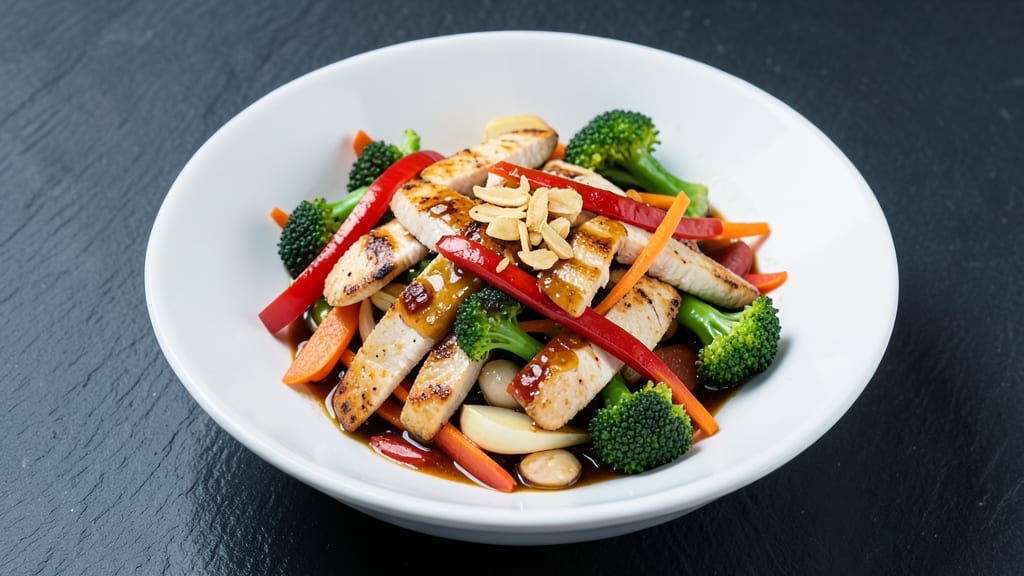
This tasty stir fry recipe transforms simple ingredients into a restaurant-worthy meal in just 20 minutes—no fancy techniques required. The secret lies in high-heat wok cooking, where vegetables blister and proteins sear to perfection while absorbing bold flavors.
I developed this method after years of testing, ensuring every bite delivers crisp-tender textures and balanced seasoning that keeps everyone asking for seconds.
What makes this stir fry stand out is its versatility—swap proteins like chicken, beef, or tofu, and mix in your favorite vegetables without sacrificing flavor. The sauce, a simple blend of soy, ginger, and garlic, cuts through the heat while adding depth.
Most importantly, it’s a foolproof technique that works in any pan, not just a wok, making it accessible for home cooks of all skill levels.
By the end, you’ll have a vibrant, aromatic dish with perfectly caramelized edges and a sauce that clings to every ingredient. The aroma alone will have everyone gathering around the table, while the first bite delivers that satisfying contrast of crispy, tender, and savory.
This is the kind of meal that transforms a busy weeknight into a satisfying dining experience.
Serve it over steamed rice or noodles for a complete meal, or let the stir fry shine as-is with a sprinkle of sesame seeds and sliced green onions. The possibilities are endless, but the method remains simple—just heat, stir, and savor. Let’s get cooking!
Ingredients for tasty stir fry
Simple proteins, crisp vegetables, and aromatic seasonings combine for a restaurant-quality stir fry in minutes.
| Ingredient | Amount | Notes |
|---|---|---|
| Boneless Chicken Breast 🍗 | 1 ½ lb | Cut into 1-inch strips |
| Bell Peppers 🌶️ | 3 whole | Mixed colors, sliced into strips |
| Broccoli Florets 🥦 | 2 cups | Cut into bite-sized pieces |
| Carrots 🥕 | 2 whole | Julienned into matchsticks |
| Garlic Cloves 🧄 | 4 cloves | Minced for sauce base |
| Fresh Ginger 🌿 | 1 ½ tbsp | Grated, for aromatic depth |
| Soy Sauce 🥢 | ½ cup | High-sodium preferred |
| Sesame Oil 🫒 | 1 ½ tbsp | Toasted, for nutty aroma |
| Cornstarch 🌾 | 1 tbsp | For tenderizing protein |
| Vegetable Oil 🫒 | ½ cup | High smoke point required |
| White Rice 🍚 | 1 ½ cups | Uncooked, for serving base |
| Green Onions 🌱 | 3 whole | Sliced for garnish |
| Toasted Sesame Seeds 🌰 | 1 tbsp | For finishing touch |
| Diamond Crystal Kosher Salt 🧂 | ½ tsp | For seasoning |
| Black Pepper 🌶️ | ¼ tsp | Freshly ground |
The chicken breast must be cut uniformly for even cooking—1-inch strips work perfectly. Opt for high-quality, fresh cuts from the butcher counter rather than pre-cut packages, which often contain freezer-burned pieces. Bell peppers should be vibrant and firm; avoid those with soft spots. For broccoli, look for florets with tightly packed buds—Trader Joe's often carries pre-cut broccoli florets for convenience. Carrots should be crisp; organic varieties often have better flavor. Garlic and ginger should be fresh—Penzeys Spices sells pre-peeled garlic cloves for ease. Sesame oil is non-negotiable for authentic flavor; avoid the cheap, flavorless versions found in some grocery stores.
No boneless chicken? Substitute beef strips or firm tofu—adjust cooking time accordingly. Bell peppers can be swapped for snap peas or zucchini, but broccoli and carrots are ideal for texture contrast. Soy sauce can be reduced if sodium is a concern—low-sodium soy sauce plus a pinch of salt achieves similar results. Cornstarch can be replaced with arrowroot powder for a gluten-free option. Vegetable oil is essential; canola or peanut oil work best for high-heat searing. Rice can be swapped for jasmine rice or cauliflower rice for lower-carb options. Green onions can be omitted if unavailable, but the sesame seeds add a crucial finishing touch.
Store chicken and vegetables separately in airtight containers for up to 3 days in the refrigerator. Sesame oil should be kept in a cool, dark place—once opened, it lasts about 6 months. Cooked rice reheats best in a steamer basket over boiling water. For meal prep, portion stir fry into glass containers with a layer of plastic wrap pressed directly on the surface to prevent drying. Reheats beautifully—simply microwave for 2-3 minutes, stirring halfway, or warm in a skillet over medium heat with a splash of water.
Why You'll Love This Recipe
- One-Pan Magic: I swear by this—just toss everything in one skillet, and you’re done. No chopping boards, no extra pots, no stress. The chicken stays juicy while the veggies caramelize right alongside it, and honestly? That’s half the battle won before you even taste it.
- Garlic Bomb: Between us, this stir fry is basically a flavor explosion. The garlic cloves get seared until they’re fragrant and sweet, then the soy sauce and a splash of sesame oil turn it into something ridiculously addictive. My kids fight over the last bite, and I haven’t even added the rice yet.
- Lunchbox Hero: Here’s what sold me—it’s my go-to for meal prep. Cook a big batch on Sunday, and you’ve got lunches for the week. The broccoli stays crisp, the carrots hold their bite, and the chicken? Still tender even after reheating. (Yes, even on a Tuesday night.)
- Budget Win: Between the chicken breast and the veggies, this feeds four for under $15. Bell peppers and carrots stretch forever, and the broccoli florets make it feel fancy without breaking the bank. Plus, leftovers? They’re basically free dinners.
Step-by-step instructions for wok-heated veggies and protein
A perfectly balanced stir fry requires precise timing and technique. Here's how to execute it flawlessly.
Prepare the Protein and Rice Foundation
Begin by cutting the 1.5 lb boneless chicken breast into 1-inch strips—this ensures even cooking and quick searing. Toss the chicken strips with 1 tablespoon cornstarch and 0.5 teaspoon diamond crystal kosher salt in a bowl until fully coated. This creates a light crust that locks in moisture and promotes browning.
While the chicken marinates, rinse the 1.5 cups white rice under cold water to remove excess starch, then combine it with 3 cups water in a pot. Bring to a boil over high heat, then reduce to a simmer, cover, and cook for 15 minutes. The rice should absorb all the liquid and steam evenly—this is your neutral base that will soak up the stir fry's flavors.
Here's the thing—don't peek at the rice while it cooks. Every time you lift the lid, you release steam and disrupt the cooking process. Let it sit undisturbed until the time is up. Once cooked, fluff with a fork and keep it warm covered on low heat.
Prep and Sear the Vegetables
Heat 0.5 cup vegetable oil in a wok or large skillet over high heat until it shimmers—this is your signal that it's ready. Add the 2 cups broccoli florets, 2 whole carrots (julienned), and 3 whole bell peppers (stripped) in a single layer. Stir-fry for 3-4 minutes until the vegetables begin to soften but still retain a vibrant color.
Remove the vegetables and set them aside—this prevents overcrowding, which steams rather than sears. In the same wok, add 1.5 tablespoons sesame oil and swirl to coat. Toss in the 1.5-inch chicken strips and cook for 4-5 minutes until they develop a golden-brown crust. The chicken should be fully cooked through with an internal temperature of 165°F—use an instant-read thermometer to verify.
This is where texture matters most. You want the vegetables to stay crisp-tender, not mushy. If they look too soft, they've been cooked too long. The chicken, on the other hand, should have a caramelized exterior that contrasts with its tender interior.
Build the Flavorful Sauce
Reduce the heat to medium and add 4 cloves minced garlic and 1.5 tablespoons grated fresh ginger to the wok. Sauté for 30 seconds until fragrant—this releases their essential oils and forms the aromatic base of your stir fry. Be careful not to let the garlic burn; it should sizzle but not darken.
Pour in the 0.5 cup soy sauce and let it simmer for 1 minute, allowing it to reduce slightly and coat the wok's surface. This step develops the umami depth that defines a great stir fry. Return the vegetables to the wok, along with the cooked chicken strips, and toss everything together for 2 minutes to distribute the sauce evenly.
Real talk: The sauce should cling to the ingredients without making them soggy. If it's too thin, simmer for an additional 30 seconds to thicken it. The goal is a glossy, well-balanced coating that enhances rather than overwhelms the natural flavors of the ingredients.
Finish and Serve
Remove the wok from heat and stir in 1.5 tablespoons sesame oil for a nutty aroma and rich finish. Garnish with 3 whole green onions (sliced) and 1 tablespoon toasted sesame seeds—these add freshness and crunch that contrast beautifully with the tender chicken and vegetables.
Divide the 1.5 cups cooked white rice among four plates, then top each serving with the stir fry. The rice should be fluffy and separate, providing a neutral canvas that lets the bold flavors of the stir fry shine. Serve immediately while the vegetables are still crisp-tender and the chicken retains its juices.
Don't skip the garnish—it's the final touch that elevates the dish from good to exceptional. The sesame seeds add a subtle crunch, while the green onions bring a bright, fresh contrast to the savory stir fry. Each bite should deliver a perfect balance of textures and flavors.
Pro Tips For Making Tasty Stir Fry
- CUT CHICKEN SMALLER THAN YOU THINK: I learned this the hard way—thick strips of chicken breast stay dry and chewy. Aim for ½-inch-wide, ¼-inch-thick slices, and slice against the grain if your butcher didn’t. They’ll cook faster and soak up sauce better, even if it looks messy.
- STEAM VEGETABLES FIRST: Toss broccoli and carrots in a splash of water with the wok lid on for 2 minutes before adding oil. This jumpstarts their cooking while you prep the chicken—no more al dente broccoli that turns to mush later. (Yes, even if you’re impatient like me.)
- DON’T OVERCROWD THE PAN: I used to dump everything in at once, and the chicken would steam instead of sear. Work in batches: chicken first (2-3 minutes until golden), then pull it out and add the peppers and garlic. The pan will be hotter, and the flavors will sing.
- USE COLD CHICKEN: Take the chicken out of the fridge 10 minutes before cooking, but don’t let it warm up. Cold protein sears better and releases juices slower, so you won’t end up with a rubbery mess. (Your future self will thank you.)
Troubleshooting this dish
Overcrowded Wok Fix
If your stir fry looks like a soggy mess instead of a crisp-tender masterpiece, you’re likely overcrowding the wok. The golden rule: never fill more than ⅓ of your wok’s surface area with ingredients at once. I’ve seen home cooks dump everything in at once, which steams instead of sears.
Instead, cook ingredients in batches—first the veggies, then the protein. Use a large skillet or wok (at least 12-inch diameter) to give everything room to breathe. If you’re short on pan space, cook the protein first, then set it aside while you finish the veggies. 🔥
Mushy Vegetables
Vegetables turning mushy? You’re either cooking them too long or not using enough heat. Stir-frying requires high heat—your wok should be smoking slightly when ready. If your veggies soften too quickly, they’re likely pre-cut too small (aim for 1-inch pieces).
For broccoli and carrots, cook them for no more than 3-4 minutes—they should still have a crunchy bite when done. Pro tip: Blanch harder veggies (like broccoli) in boiling water for 30 seconds before stir-frying to jumpstart their cooking. This ensures even doneness without overcooking. ✨
Sauce Too Thin
A watery stir fry sauce ruins the dish’s balance. If your sauce is too thin, it’s likely because you didn’t reduce it enough or your wok isn’t hot enough. After adding soy sauce, simmer for 1-2 minutes on medium-high heat to thicken it naturally.
For extra body, mix 1 teaspoon cornstarch with 1 tablespoon water, then stir it into the sauce at the end. If the sauce still looks weak, add ½ teaspoon sesame oil—it adds richness and helps the sauce cling better. 💡
Chicken Overcooked or Raw
Stir-fry chicken is a delicate balance: too little time, and it’s raw; too much, and it’s dry. Use an instant-read thermometer to check for 165°F internal temperature.
If your chicken is overcooked, you likely cooked it too long at too low a heat. High heat is key—once the wok is smoking, add the chicken and cook for 4-5 minutes max.
For extra insurance, marinate the chicken in cornstarch (as in the recipe) to create a protective crust. If your chicken is still raw, increase the heat and cook for an additional 1-2 minutes, stirring constantly. 🌡️
Burnt Garlic or Ginger
Garlic and ginger are flavor powerhouses, but they burn fast. To avoid bitterness, sauté them for only 30 seconds over medium heat—they should sizzle but not darken. If they start to brown too quickly, reduce the heat immediately or remove them temporarily.
For extra insurance, mince garlic and ginger finely (almost like a paste) so they cook faster. If you accidentally burn them, remove them immediately and start fresh—they’ll ruin the entire dish. 🧄
Stir Fry Too Dry
A dry stir fry happens when the sauce doesn’t distribute evenly or the ingredients absorb too much oil. To fix this, toss the sauce vigorously with the ingredients for 2 full minutes after combining. If it’s still dry, add 1-2 tablespoons of water or broth to loosen the sauce.
For extra moisture, deglaze the wok by adding 1 tablespoon soy sauce or water, then scraping up the browned bits (fond) with a spatula. These bits are packed with flavor! For future attempts, don’t overcook the veggies—they’ll release more moisture, thinning the sauce. 💧
Nutrition facts
Frequently asked questions
Can I make this stir fry without a wok?
A large skillet or cast-iron pan (at least 12 inches wide) works perfectly. The key is using high heat and avoiding overcrowding. If your pan isn't wide enough, cook ingredients in batches—start with the protein, then set it aside while you stir-fry the veggies.
What's the best way to store leftovers?
Store in an airtight container with a layer of plastic wrap pressed directly on the surface to prevent drying. Leftovers keep well in the fridge for 3-4 days. To reheat, warm in a skillet over medium heat with a splash of water or soy sauce for 2-3 minutes—this restores crispiness. Microwaving works too, but textures suffer.
How can I make this vegetarian?
Swap the chicken for firm tofu or extra-firm tempeh, cut into 1-inch cubes. Press tofu for 15 minutes to remove excess water, then toss in 1 tbsp cornstarch before cooking. For protein, add ½ cup edamame or shredded king oyster mushrooms. Cook tofu for 5-6 minutes until golden brown.
Why does my stir fry taste bland?
Bland flavor usually means insufficient seasoning or undercooked aromatics. Always toast sesame oil in the wok before adding garlic/ginger—this releases their full flavor. For extra depth, add ½ teaspoon red pepper flakes or a dash of fish sauce (if you eat seafood). Taste as you go and adjust with more soy sauce or a squeeze of lime juice at the end.
Can I prep ingredients ahead of time?
Yes! Prep all ingredients 1 day ahead and store in separate containers. Keep proteins and veggies in the fridge until ready to cook. For extra convenience, pre-cut vegetables and store in water to maintain crispness. The sauce ingredients (soy sauce, garlic, ginger) can be pre-measured in a small jar. Just assemble and cook when ready—this cuts active time to 10 minutes!