Salads
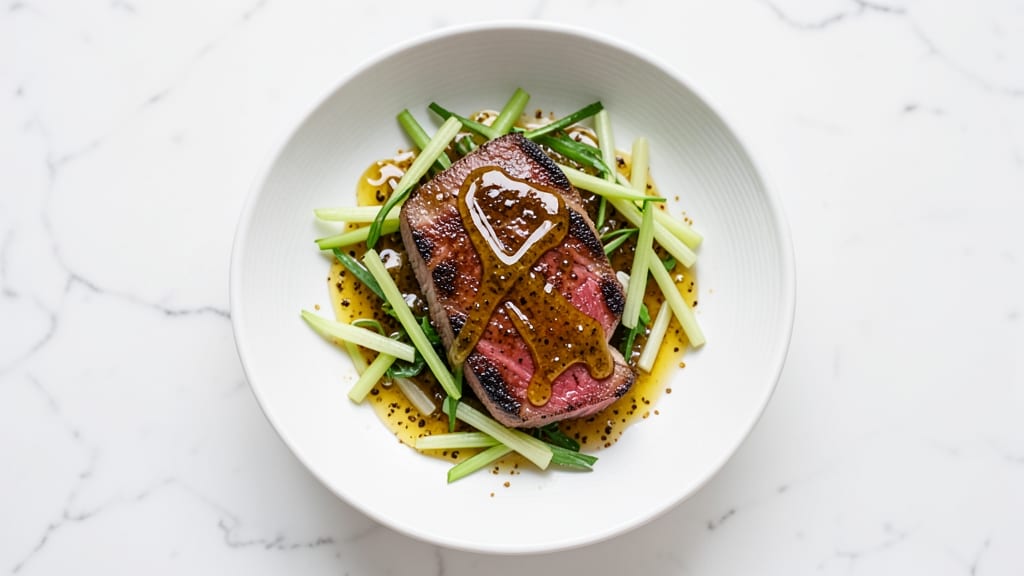
This tuna salad without mayonnaise transforms a classic dish into something bright, tangy, and refreshingly light—perfect for pescatarians or anyone cutting back on mayo.
The secret lies in a zesty citrus-lemon vinaigrette that keeps the salad creamy without heaviness, while searing the tuna just right ensures it stays tender and flavorful. I developed this recipe after realizing traditional tuna salad could be elevated with bold, fresh ingredients instead of relying on mayo.
The foundation of this dish is quick-seared tuna—cooked to medium-rare for maximum tenderness—paired with a dressing made from lemon juice, olive oil, Dijon mustard, and a touch of honey. This combination adds brightness while maintaining a clean, fresh profile that lets the tuna shine.
The recipe also includes diced celery, red onion, and fresh herbs for texture and crunch, ensuring every bite is balanced and satisfying.
What you’ll end up with is a restaurant-quality tuna salad that’s light yet substantial, with a vibrant color and tangy flavor profile. The seared tuna adds depth, while the citrus dressing keeps it refreshing and palate-cleansing.
This version works equally well as a sandwich filling, salad topping, or standalone dish—ideal for lunchboxes, picnics, or a quick weeknight meal.
For added versatility, this recipe scales easily for parties or meal prep, and the dressing can be adjusted to suit your taste—more lemon for extra zing or a drizzle of olive oil for richness.
The key is keeping the tuna perfectly cooked and the dressing balanced, so every bite delivers that bright, citrusy punch without the mayo.
Ingredients for tuna without mayonnaise
Bright citrus dressing meets perfectly seared tuna for a mayo-free salad bursting with freshness and restaurant-quality depth.
| Ingredient | Amount | Notes |
|---|---|---|
| Fresh Sushi-Grade Tuna Steak 🐟 | 1 lb | Thinly sliced against grain |
| Extra-Virgin Olive Oil 🫒 | ⅓ cup | High-quality, fruity variety |
| Fresh Lemon Juice 🍋 | ¼ cup | Strained, no pulp |
| Dijon Mustard 🍯 | 1 tbsp | Mild or strong according to taste |
| Raw Honey 🍯 | 1 tbsp | Light floral preferred |
| Fresh Celery Stems 🧅 | ½ cup | Finely diced, crisp |
| Red Onion 🧅 | ¼ cup | Finely diced, sweet variety |
| Fresh Flat-Leaf Parsley 🌿 | ¼ cup | Finely chopped, stems removed |
| Fresh Dill 🌿 | ⅛ cup | Finely chopped, tender |
| Diamond Crystal Kosher Salt 🧂 | 1 tsp | Fine grain, sea salt |
| Freshly Ground Black Pepper 🌶️ | ½ tsp | Coarsely cracked |
| Sesame Oil 🫒 | 1 tsp | Toasted sesame flavor |
| Toasted Sesame Seeds 🌱 | 1 tsp | For garnish |
The tuna steak is the centerpiece—sushi-grade is non-negotiable for food safety and texture. Purchase from a trusted seafood counter, ideally Whole Foods or a high-end market, where they'll slice it to your specifications. For optimal freshness, look for vibrant color and minimal fishy odor. If you're searing at home, pat it completely dry before cooking to ensure a perfect sear. The citrus dressing components should all be freshly squeezed or high-quality—pre-made lemon juice lacks the brightness needed here. Trader Joe's carries excellent extra-virgin olive oil and honey that work perfectly for this recipe.
No Dijon mustard? Whole-grain mustard thinned with water works in a pinch, though it lacks the subtle depth. Substituting honey with maple syrup (equal parts) maintains sweetness but alters the floral notes slightly. For the herbs, fresh is ideal, but dried dill at one-third the amount can substitute—though texture will differ. The sesame oil adds a subtle nutty aroma; if unavailable, toasted peanut oil offers a similar profile. For those avoiding sesame, omit entirely—the dish remains vibrant without it. The red onion can be swapped for shallots if preferred, though sweetness will differ. Pre-chopped celery from the store works fine, but fresh celery holds its crunch longer when stored properly.
Store the dressing components separately in airtight containers for up to 5 days in the refrigerator. The seared tuna should be consumed within 2 days for optimal texture. To prep ahead, assemble the salad up to 24 hours before serving, keeping the dressing and tuna separate until ready to combine. The sesame seeds and toasted sesame oil can be stored at room temperature for 6 months in a cool, dark place. For meal prep, portion into glass containers with the dressing on top to preserve freshness—this salad tastes even better the next day as flavors meld.
Why You'll Love This Recipe
- Five-Ingredient Magic: I swear by this combo—just tuna, olive oil, lemon, mustard, and honey. No fancy gadgets, no stress, and the flavors still pop like you spent hours marinating.
- Bright & Bold: That zingy lemon and honey balance the richness of the tuna perfectly. It’s fresh, tangy, and has this unexpected sweetness that makes it feel special without trying too hard.
- Lunchbox Hero: Between us, this is my go-to for packed lunches. Slice it thin, toss with greens, or serve over toast—it holds up for days and still tastes like a restaurant dish.
- Budget Luxury: Sushi-grade tuna feels indulgent, but this recipe stretches it further than I ever thought. A single steak feeds two for dinner, then becomes tomorrow’s salad topping—no waste, all flavor.
Step-by-step instructions for tuna salad without mayonnaise
This citrus-lemon vinaigrette transforms classic tuna salad with vibrant, bright flavors that cut through the richness of the fish.
Prepare the Vinaigrette Base
In a medium bowl, whisk together the 0.33 cup extra-virgin olive oil, 0.25 cup fresh lemon juice, 1 tablespoon Dijon mustard, and 1 tablespoon raw honey until fully emulsified. The mixture should become thick and glossy—this takes about 2-3 minutes of vigorous whisking. If it separates, simply whisk again until smooth.
Add 1 teaspoon Diamond Crystal kosher salt and 0.5 teaspoon freshly ground black pepper to the vinaigrette. Taste and adjust seasoning if needed—this step ensures your dressing has the perfect balance of tangy, sweet, and savory notes before combining with the tuna.
Slice and Season the Tuna
Using a sharp knife, slice the 1 pound fresh sushi-grade tuna steak thinly against the grain into ¼-inch thick pieces. Arrange the slices on a plate and sprinkle lightly with 1 teaspoon Diamond Crystal kosher salt and 0.5 teaspoon freshly ground black pepper. Let the tuna sit for 5 minutes—this allows the seasoning to penetrate slightly and enhances the texture.
While the tuna seasons, finely dice the 0.5 cup fresh celery stems and 0.25 cup red onion using a chef's knife. The celery should be small enough to disappear when mixed, while the onion adds a subtle sharpness that brightens the dish. Chop the 0.25 cup fresh flat-leaf parsley and 0.125 cup fresh dill separately, removing any tough stems.
Combine All Ingredients
In a large mixing bowl, gently fold the seasoned tuna slices into the vinaigrette. Use a silicone spatula to avoid overmixing, which can break down the delicate texture of the fish. Add the diced celery, red onion, parsley, and dill, stirring just until everything is evenly distributed. The salad should look vibrant with flecks of green and purple throughout.
Drizzle in 1 teaspoon sesame oil and toss lightly to coat. The sesame oil adds a nutty depth that complements the citrus notes. Taste again and adjust seasoning if needed—this is your final opportunity to refine the flavor balance before serving.
Chill and Serve
Cover the bowl and refrigerate the tuna salad for at least 30 minutes to allow the flavors to meld. Chilling also firms up the tuna slightly, making it easier to handle and ensuring each bite has a satisfying texture. The salad will keep well in the refrigerator for up to 2 days, though it's best enjoyed fresh.
When ready to serve, transfer the salad to a platter and sprinkle generously with 1 teaspoon toasted sesame seeds. The seeds add a final crunch and visual contrast against the creamy, citrusy mixture. Serve immediately with crisp lettuce cups, on toasted bread, or alongside fresh vegetables for a complete meal.
Pro Tips For Making Tuna Without Mayonnaise
- PAT THE TUNA DRY: Sushi-grade tuna is slick—wipe it down with paper towels before searing. I learned this the hard way when my first batch slid around the pan like a greased pig. A dry surface guarantees a proper crust instead of steamed fish.
- SEAR HOT, THEN REST: Get your pan screaming hot with olive oil—2 minutes on medium-high, then add the tuna. After flipping once, pull it off heat immediately and tent with foil for 3 minutes. Rushing the rest time leaves it tough; letting it relax keeps it tender.
- WHISK THE DRESSING FIRST: Mix Dijon, honey, and lemon juice before adding olive oil—emulsify it in a small bowl with a fork. Pouring oil into the mix while stirring like crazy just wastes energy. A pre-mixed dressing clings better to the tuna and tastes more cohesive.
- JUICE THE LEMON RIGHT: Roll the lemon on the counter first to soften it, then cut and squeeze—no pulp. I used to strain it, but the tiniest bits add brightness. Skip the strainer unless you’re serving this to someone who hates texture (and even then, question their life choices).
Common mistakes when making this dish
Overcooking the Tuna
One of the biggest mistakes is letting the tuna overcook, especially when searing. The goal is a medium-rare finish with a 130-135°F internal temperature—any hotter, and the texture becomes rubbery. I use a meat thermometer to check the thickest part of the slice.
If you're cooking without one, cut into a small piece—it should look pink in the center with a slight red sheen, not gray or dry. 🌡️
Skipping the Resting Step
After slicing the tuna, resist the urge to toss it immediately into the salad. Let the slices rest for 5 minutes after seasoning and another 5 minutes after cooking. This allows the seasoning to penetrate and the juices to redistribute, preventing a dry, crumbly texture.
I’ve ruined perfectly good tuna by skipping this step—it’s non-negotiable for the best results.
Using Low-Quality Tuna
Not all tuna is created equal. For this recipe, sushi-grade tuna is a must—it’s the only type safe to eat raw or lightly cooked. I buy mine from Whole Foods Market or my local seafood counter, where they slice it fresh.
Avoid pre-packaged canned tuna, even if labeled "fresh," as it lacks the tenderness and flavor needed for this dish. Look for vibrant color and minimal fishy odor when selecting your steak.
Overmixing the Salad
Gently folding the ingredients is key—overmixing breaks down the tuna’s delicate texture, turning it mushy. Use a silicon spatula and stir just until combined. I’ve seen salads turn into a sad, gray mush because someone used a fork or whisked aggressively.
The goal is to distribute the dressing and herbs evenly without tearing the tuna apart. A light hand ensures each bite stays tender and cohesive.
Ignoring the Dressing Balance
The citrus-lemon vinaigrette is the star of this dish, so don’t skimp on flavor. Taste the dressing before combining it with the tuna—it should be tangy, slightly sweet, and well-seasoned. If it’s bland, add more lemon juice or honey.
If it’s too sharp, dilute with a splash of olive oil. I’ve had salads fall flat because the dressing was underseasoned, so always taste as you go. 💡
Wrong Storage Practices
Tuna salad without mayo still needs proper storage to stay fresh. Keep the dressing and tuna separate in airtight containers in the fridge for up to 2 days. If storing longer, assemble the salad just before serving.
I’ve seen tuna turn gray or develop an off odor because it sat too long in the dressing. For meal prep, portion into individual containers and store with the dressing on top to preserve freshness and texture.
Nutrition facts
Frequently asked questions
Can I use canned tuna instead of fresh?
Fresh sushi-grade tuna is ideal for this recipe, as it provides the best texture and flavor. However, if you must use canned tuna, opt for high-quality, water-packed varieties in small flakes and drain it thoroughly. For a brighter taste, add an extra 1 tablespoon of lemon juice and a pinch of citric acid to mimic the freshness. The dish won't be identical, but it will still be delicious and light.
How can I make this salad spicier?
For a kick of heat, add ½ teaspoon of red pepper flakes or 1 tablespoon of sriracha to the vinaigrette. You can also stir in 1 teaspoon of finely chopped jalapeño or ½ teaspoon of cayenne pepper for a smoky, spicy depth. Adjust to taste, as the heat will intensify after chilling.
What are the best ways to serve this tuna salad?
This vibrant tuna salad works beautifully as a sandwich filling on whole-grain bread or a wraptite with lettuce, or as a topping for crisp greens like arugula or butter lettuce. For a heartier meal, serve it over quinoa or farro with a side of roasted vegetables. It also makes a great lunchbox staple—just pack it in an airtight container with a small container of dressing on the side.
Can I make this salad ahead of time?
Yes! Store the dressing and tuna separately in airtight containers in the fridge for up to 2 days. Assemble the salad just before serving to keep the tuna tender. If prepping ahead, mix the dressing ingredients (without the tuna) up to 3 days in advance. For the tuna, slice it and season it, then refrigerate it uncovered on a plate for 30 minutes to dry-brine before assembling. This keeps it fresh and flavorful.
What if I don’t like sesame oil or seeds?
No problem! Skip the sesame oil and seeds entirely—the salad will still be flavorful and bright. For an alternative nutty depth, try adding ½ teaspoon of toasted almond or walnut oil instead. You can also garnish with crumbled feta or goat cheese for a tangy contrast, or a sprinkle of toasted pine nuts for crunch. The dish remains versatile without these ingredients.