
Side Dishes
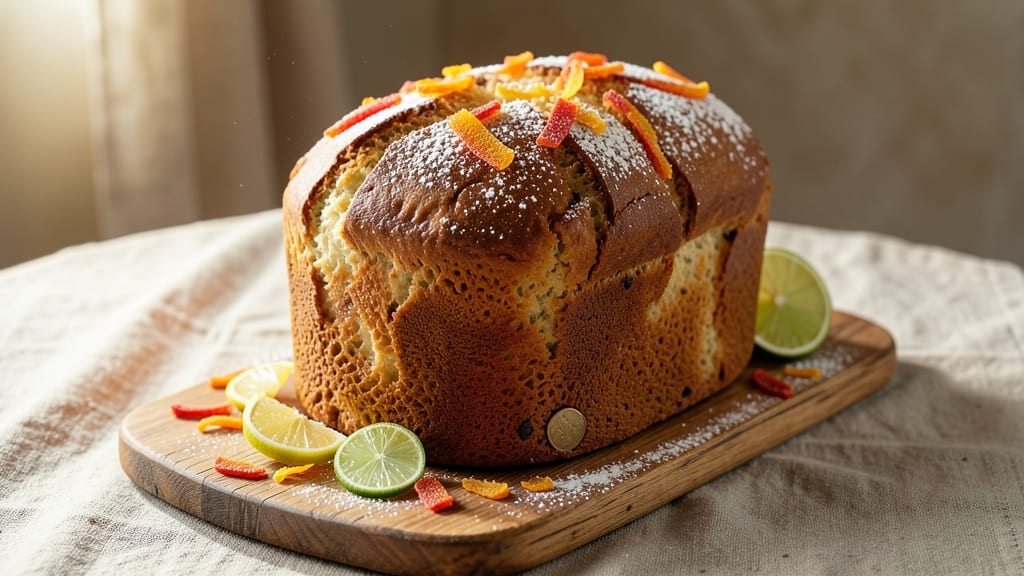
This vasilopita bread recipe brings the joy of Greek New Year traditions into your kitchen, where every slice carries a promise of luck and prosperity. The hidden coin tradition—where a lucky coin is baked inside for the person who finds it—transforms this sweet bread into a symbol of hope.
With layers of tender cake, citrus zest, and a dusting of powdered sugar, it’s as beautiful as it is meaningful. ✨
What makes this recipe special is its balance of tradition and simplicity. The cake layers are light yet rich, infused with orange and lemon zest for that signature Greek brightness. A simple syrup glaze keeps the bread moist, while powdered sugar adds that classic finishing touch.
The process is methodical but not complicated—perfect for those who want to honor tradition without stress.
By the time you pull this vasilopita from the oven, your kitchen will smell like celebration, and your table will be ready for a meaningful gathering.
The layers hold together beautifully, the citrus flavors shine, and the texture is just right—tender enough to melt in your mouth but sturdy enough to slice cleanly. This is more than dessert; it’s a centerpiece for New Year’s blessings.
The best part? The hidden coin tradition adds an element of surprise and joy, making this bread a cherished part of Greek New Year celebrations. Serve it warm with a cup of Greek coffee or tea, and let the magic unfold with every slice.
Here’s how to bring this tradition to life in your kitchen.
Ingredients for vasilopita bread
Citrus zest, tender layers, and a hidden coin—all you need for this meaningful Greek tradition.
| Ingredient | Amount | Notes |
|---|---|---|
| All-Purpose Flour 🌾 | 4 cups | Sifted for light texture |
| Granulated Sugar 🍬 | 1 ½ cups | White or light brown |
| Unsalted Butter 🧈 | 1 ½ cups | Room temperature, full-fat |
| Large Eggs 🥚 | 4 whole | Room temperature, separated |
| Orange Zest 🍊 | 1 tbsp | Freshly grated, no pith |
| Lemon Zest 🍋 | 1 tbsp | Freshly grated, no pith |
| Vanilla Extract 🌸 | 1 tbsp | Pure, not imitation |
| Baking Powder 🍞 | 2 tsp | Aluminum-free preferred |
| Salt 🧂 | ½ tsp | Fine sea salt |
| Powdered Sugar 🍬 | 1 cup | For dusting, sifted |
| Simple Syrup 💧 | ½ cup | 1:1 sugar to water ratio |
| Greek Coffee ☕ | ¼ cup | For soaking layers (optional) |
| Lucky Coin 💰 | 1 whole | Traditional New Year's coin |
The flour and butter are your foundation—King Arthur flour if you can find it, but any all-purpose works. Butter must be room temperature (press a thumbprint—it should hold but not be greasy). For zest, grab organic oranges and lemons (thicker skins mean less pith). The coin? Any lucky coin—even a dollar coin works. Traditionalists use a Greek euro coin, but it's about the sentiment. Store your zest in the freezer if prepping ahead—it keeps its bright flavor for up to 3 months (though fresh is always best).
No vanilla extract? Almond extract at half the amount works in a pinch. Short on Greek coffee? Strong brewed coffee or even orange juice soaks the layers just fine. The simple syrup can be made ahead—just mix equal parts sugar and water, heat until dissolved, then cool. For the powdered sugar, sift it before dusting to avoid clumps. If you're baking for a crowd, double the recipe—two 9-inch pans work perfectly for a larger batch. The baking powder? Check the expiration date—old powder loses its lift.
This bread keeps beautifully—3 days at room temperature wrapped in a towel, or up to 5 days in the fridge. For longer storage, freeze the whole cake (unfrosted) for up to 3 months. To serve, dust with powdered sugar right before cutting. The hidden coin tradition? Wrap it in foil before baking—it’ll stay put in the center layer. Serve with Greek coffee or tea for the full experience. Leftovers? Toast them lightly—they taste like dessert again.
Why You'll Love This Recipe
- No-Fuss Dough: I swear, this dough comes together in five minutes—just mix, fold, and let it rest while you boil water for tea. No stand mixer, no stress, just the softest, most forgiving bread you’ll ever handle.
- Citrus Butter Magic: That orange zest? It’s the secret weapon—bright, floral, and just sweet enough to make every bite feel like a little vacation. Honestly, the butter and sugar combo is already rich, but the zest takes it from "good" to "I’ll make this twice."
- Weekday Hero: Between us, this is my go-to for breakfast, snacks, or even a quick dessert when I’m too tired to bake. Toast it for crunch, slice it for sandwiches, or serve it warm with jam—it’s the one loaf that does it all.
- Budget-Friendly Staples: Flour, sugar, butter, eggs—these are the basics you already have. No specialty ingredients, no markups, and it keeps beautifully for days. I’ll be real: my grocery bill thanks me every time I pull this out.
Step-by-step instructions for vasilopita bread
Here's how to create this rich, citrus-infused Greek New Year's cake with layers of flavor and tradition.
👨🍳 Step 1: Prepare the Citrus-Infused Buttercream
In a stand mixer fitted with the paddle attachment, beat the 1.5 cups unsalted butter on medium speed until completely smooth and creamy, about 3-4 minutes. This ensures no lumps remain for a flawless texture. Scrape down the sides of the bowl with a spatula to keep everything evenly mixed.
Gradually add the 1.5 cups granulated sugar while continuing to mix on medium speed until fully combined and light in color. This step creates the airy foundation for our buttercream. Add the 1 tbsp orange zest, 1 tbsp lemon zest, and 1 tbsp vanilla extract, mixing until completely incorporated. You'll notice the mixture brightens in color and smells intensely citrusy—this is where the magic begins.
👨🍳 Step 2: Mix the Eggs and Dry Ingredients
In a separate large bowl, whisk together the 4 whole large eggs until they're completely combined and slightly foamy. This helps create a light, airy texture in our cake layers. In another bowl, sift together the 4 cups all-purpose flour, 2 tsp baking powder, and 0.5 tsp salt. Sifting prevents lumps and ensures even distribution of leavening agents throughout the batter.
Gradually add the dry ingredients to the egg mixture, alternating with the citrus buttercream. Start and end with the flour mixture, mixing just until combined. Be careful not to overmix—you're looking for a smooth, thick batter that holds its shape when dropped from a spoon. The batter should be glossy and leave a slight trail when the spoon is lifted, indicating proper consistency.
🥘 Step 3: Assemble the Layered Cake
Preheat your oven to 350°F and grease three 9-inch round cake pans with nonstick spray, then line the bottoms with parchment paper. Divide the batter evenly among the prepared pans. For a traditional touch, place the whole lucky coin in the center of the bottom layer before adding the batter. This brings good fortune for the new year!
Bake for 25-30 minutes or until a toothpick inserted in the center comes out clean. The edges should be golden brown while the tops remain slightly springy to the touch. Rotate the pans halfway through baking for even cooking. Let the cakes cool in their pans for 10 minutes before transferring to a wire rack to cool completely.
🍳 Step 4: Prepare the Syrup and Assemble Layers
While the cakes cool, heat the 0.5 cup simple syrup in a small saucepan over medium heat until warm but not boiling. If using, warm the 0.25 cup Greek coffee separately. These will be used to soak the layers for maximum moisture. The syrup should be warm enough to penetrate the cakes but not hot enough to cook them further.
Once the cakes are completely cool, level the tops if needed. Place the first layer on a serving plate and brush it generously with the simple syrup (and coffee if using). Spread about ⅓ of the citrus buttercream evenly over the layer, leaving a small border. Repeat with the remaining layers, creating a beautiful stacked cake. The syrup should be absorbed quickly, making the layers tender and moist.
⏰ Step 5: Dust with Powdered Sugar and Serve
Once all layers are assembled, dust the top and sides of the cake generously with the 1 cup powdered sugar, using a fine-mesh sieve for an even coating. This creates that classic Greek cake finish. Let the cake sit for 10 minutes to allow the powdered sugar to settle before serving. The cake should be rich, moist, and bursting with citrus flavor in every bite.
For the grand finale, carefully remove the lucky coin from the bottom layer and give it to the youngest family member at the New Year's celebration. Whoever finds the coin in their slice is said to have good luck for the coming year! Serve slices warm or at room temperature with a cup of Greek coffee for the full traditional experience.
Pro Tips For Making Vasilopita Bread
- Chill the Dough: After mixing, let the dough rest uncovered in the fridge for 30 minutes—yes, even if it looks sticky. I used to skip this and wondered why my vasilopita always spread too much in the oven. Cold butter behaves better, and the gluten relaxes just enough for a cleaner rise.
- Zest Fresh, Not Dried: Grate that orange zest right before mixing—pre-made zest loses its brightness fast. If you’re using a bagged version, toast it lightly in a dry pan for 30 seconds to revive the oils. The difference in flavor is like night and day, and it’s the citrus’s only chance to shine.
- Don’t Overmix the Butter: Cut the cold butter into the flour until it’s pea-sized lumps, no smaller. Overworking it turns the dough greasy and dense, and you’ll end up with a vasilopita that’s more cake than bread. Think "rough crumb" texture, not smooth buttercream.
- Bake Until Golden, Not Just Set: Pull the bread when the top is deep golden brown, not pale yellow—aim for 350°F for 35–40 minutes, covered with foil the last 15 if it’s browning too fast. Underbaked vasilopita stays gummy; overbaked turns it dry. A toothpick should come out clean but slightly moist.
Make-ahead tips for vasilopita bread
Prep Ahead Strategy
Make the citrus buttercream up to 3 days ahead and store it in an airtight container in the fridge. Bring it to room temperature before using—this prevents condensation from making the cake soggy.
The simple syrup can also be prepped 5 days ahead and stored in the fridge. I like to make mine the day before so it’s ready to warm when needed. 💫
Layer Assembly Timing
Assemble the cake layers 12 hours before serving to let flavors meld. Wrap the stacked cake tightly in plastic wrap and refrigerate. This prevents drying while allowing the syrup to fully absorb.
If you’re short on time, assemble it 4 hours ahead and keep it at room temperature, but cover it loosely with a towel to prevent dust.
Baking in Advance
Bake the cake layers 2 days ahead and store them in an airtight container at room temperature. Reheat them for 15-20 seconds in the microwave before assembling to restore moisture.
For longer storage, freeze the baked layers (unfrosted) for up to 3 months. Thaw them overnight in the fridge before assembling. 🍊
Coin Placement Hack
Wrap the lucky coin in aluminum foil before placing it in the batter—this prevents it from sinking too deep. If baking ahead, place the foil-wrapped coin in the center of the bottom layer just before adding batter.
For a surprise twist, hide a second coin in one of the upper layers for extra luck! 💰
Serving Prep Day-Of
Dust the cake with powdered sugar just before serving to keep it looking fresh. Warm the cake slightly (if refrigerated) by covering it with a damp towel and microwaving for 10-15 seconds—this brings back the soft texture.
Serve with Greek coffee or mint tea for the full experience. The aroma alone will make your celebration feel complete! ☕
Nutrition facts
Frequently asked questions
Can I make vasilopita without the lucky coin?
The coin is traditional for New Year's luck, but you can certainly skip it if you prefer! The cake will still be delicious without it. For a modern twist, some families hide small charms or notes instead of coins. The important part is celebrating with loved ones while enjoying the sweet, citrusy layers.
Why does my vasilopita turn out dense instead of light?
Overmixing the batter or underbaking are common culprits. Mix just until combined—stop when the batter holds its shape when dropped from a spoon. Also, ensure your oven is at 350°F and bake until a toothpick comes out clean. For extra lightness, let your eggs and butter come to room temperature before mixing.
How do I store vasilopita if I don’t serve it immediately?
Wrap the assembled cake tightly in plastic wrap and store at room temperature for 3 days, or refrigerate for 5 days. For longer storage, freeze the unfrosted layers (wrapped individually) for up to 3 months. Thaw overnight in the fridge before assembling. Reheat slices for 10-15 seconds in the microwave to restore moisture.
Can I substitute Greek coffee in the syrup?
If you don’t have Greek coffee, use strong brewed coffee, orange juice, or even a splash of brandy for depth. The key is to keep the syrup warm (not boiling) so it soaks into the layers without making them soggy. The citrus flavors will still shine through beautifully.
What’s the best way to decorate vasilopita for a special occasion?
Beyond powdered sugar, try drizzling a simple glaze made from 1 cup powdered sugar + 1 tbsp lemon juice or arrange fresh orange slices on top. For a festive touch, sprinkle edible gold leaf or crushed pistachios. Keep it simple—vasilopita’s beauty comes from its rustic charm and citrusy aroma.