
Side Dishes
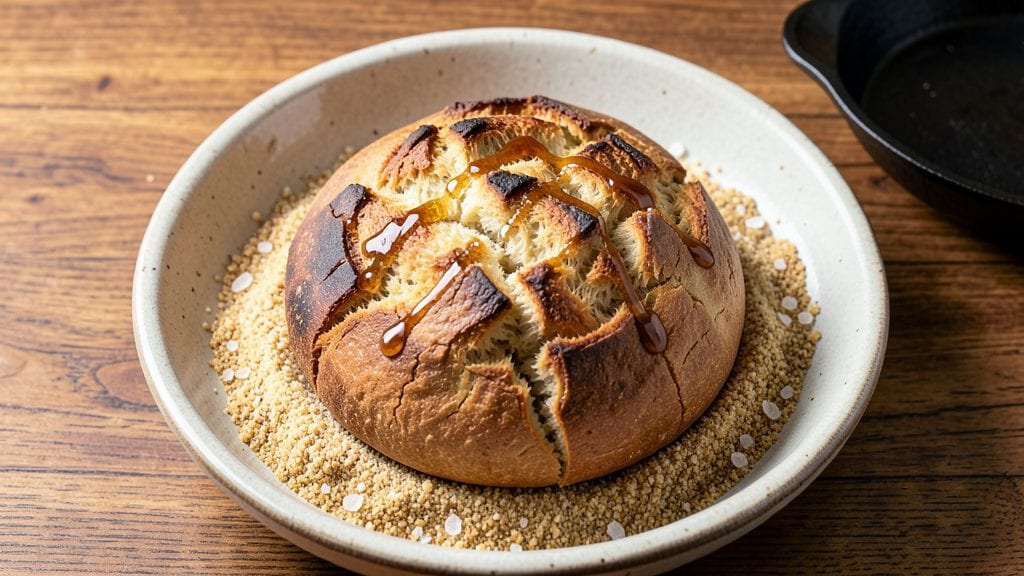
This alembong bread recipe brings the comforting crunch and tangy vinegar zing of Filipino tradition straight to your kitchen—no bakery required. The secret lies in its unique texture: a crispy cornmeal crust wrapped around a soft, pillowy interior, all balanced by the bright acidity of vinegar.
I first discovered this recipe during a visit to the Philippines, where it’s a staple breakfast side, often served with strong coffee or rich breakfast dishes.
The magic happens with a few key techniques: using a mix of all-purpose flour and cornmeal for that signature crunch, and incorporating vinegar into the dough for a subtle tang that cuts through the richness.
The dough requires careful kneading and proofing, but the process is straightforward once you understand the rhythm. Baking it in a well-greased pan ensures that signature crispy exterior while keeping the inside tender.
What you’ll end up with is bread that’s crispy on the outside, soft and slightly chewy inside, and infused with that bright vinegar note that makes every bite satisfying. It’s the kind of bread that pairs perfectly with coffee, complements savory dishes, or even stands alone as a snack.
This recipe delivers restaurant-quality results with just a few simple ingredients and a little patience.
Perfect for breakfast tables, side dishes, or even as a snack, alembong bread is a delightful addition to any meal. Whether you're serving it with a steaming cup of coffee or pairing it with Filipino dishes like adobo or sinigang, this bread brings a taste of home to your kitchen.
Let’s get started on making this traditional favorite!
Ingredients for alembong bread
Simple ingredients for a bread with crispy cornmeal crust and vinegar zing.
| Ingredient | Amount | Notes |
|---|---|---|
| All-Purpose Flour 🌾 | 2 cups | For dough structure and softness |
| Cornmeal 🌽 | 1 cup | Yellow or white for signature crunch |
| White Vinegar 💧 | ½ cup | Distilled for bright tang |
| Granulated Sugar 🍚 | ½ cup | Brown sugar works too |
| Active Dry Yeast 🍞 | ¼ oz | Or 2 packets (7g each) |
| Warm Water 💧 | 1 cup | 110°F for yeast activation |
| Unsalted Butter 🧈 | ¼ cup | Softened for dough richness |
| Salt 🧂 | 1 tsp | Kosher or sea salt |
| Large Eggs 🥚 | 1 whole | Room temperature for even mixing |
| Vegetable Oil 🫒 | 2 tbsp | For greasing the pan |
| Corn Kernels (optional) 🌽 | ¼ cup | Toasted for extra crunch |
The cornmeal is non-negotiable for that signature crunch—Bob’s Red Mill or King Arthur brands work best, but any fine-ground cornmeal will do. For the vinegar, distilled white vinegar gives the brightest tang, but apple cider vinegar works too if you prefer a milder taste. The yeast is the heart of this bread, so make sure it’s fresh: drop it in warm water with a pinch of sugar—if it bubbles within 5 minutes, you’re good to go. For the butter, Land O’Lakes or Plugrá are reliable choices, but any unsalted butter will work.
No cornmeal? Crushed cornflakes can substitute in a pinch, though the texture won’t be identical. Running out of vinegar? Lemon juice at half the amount gives a similar zing, but you’ll lose that classic alembong tang. The sugar can be swapped for honey or maple syrup, though it’ll add moisture to the dough. For a richer dough, add 1 tbsp sour cream to the butter mixture. If you’re feeling adventurous, toast the corn kernels first—they add an extra layer of crunch that’s worth the effort.
This dough is best made fresh, but you can prep it up to 24 hours ahead and let it rise overnight in the fridge. For baking, use a 9x5-inch loaf pan—grease it well with vegetable oil and flour the bottom lightly to prevent sticking. The bread keeps well for 3 days at room temperature, wrapped in a clean kitchen towel. For longer storage, slice and freeze—it reheats beautifully in a toaster or oven. Leftovers? Perfect for French toast the next morning.
Why You'll Love This Recipe
- No Yeast Stress: I swear by this recipe because it actually works—no failed rises, no waiting hours. The vinegar and sugar kickstart the dough in minutes, so you’re shaping and baking in under an hour. Honestly, my first attempt turned out better than half the sourdough I’ve tried.
- Sweet-Savory Crunch: That cornmeal crust? Chef’s kiss. It’s got this addictive crunch that stays crispy even when the inside stays soft, thanks to the flour and sugar balance. My kids fight over the last slice—no joke.
- Weeknight Magic: Slap it together for breakfast, pack it for lunch, or serve it with dinner. It reheats like a dream (toaster or oven, I don’t judge) and keeps well for days. Between us, I’ve fed a houseful of guests with just two loaves—no one ever suspects how easy it was.
- Pantry Staple Power: You’re already using flour, sugar, and vinegar? Done. No specialty ingredients, no last-minute grocery runs. I made this twice last month with stuff I had leftover—proof that good food doesn’t need a shopping spree.
Step-by-step instructions for alembong bread
This recipe delivers that perfect balance of crispy cornmeal crust and soft, fluffy interior—just like your favorite Filipino bakery.
Activate the Yeast and Mix the Dough
In a large mixing bowl, combine the 1 cup warm water with the 0.5 cup white vinegar and 0.5 cup granulated sugar. Stir until the sugar dissolves completely. Sprinkle the 0.25 oz active dry yeast over the liquid and let it sit for 5-10 minutes until it becomes frothy. This step ensures your yeast is alive and ready to work—you'll know it's active when you see bubbles forming on the surface.
In a separate bowl, whisk together the 2 cups all-purpose flour, 1 cup cornmeal, 1 tsp salt, and the 1 whole large egg. The cornmeal gives that signature crunch, while the all-purpose flour provides structure. Once the yeast mixture is bubbly, pour it into the dry ingredients and mix until combined. The dough will be sticky but shouldn't require extra flour—this is normal for Alembong bread.
Incorporate Butter and Knead the Dough
Add the 0.25 cup softened unsalted butter to the dough and knead for 5-7 minutes by hand or 3-4 minutes with a stand mixer using the dough hook. The butter should be soft enough to work into the dough but not melted. You're looking for a smooth, elastic dough that pulls away from the sides of the bowl. If it feels too sticky, wet your hands slightly while kneading—this helps without adding extra liquid.
Once the dough is smooth, cover it with a damp towel and let it rest at room temperature for 30 minutes. This resting period relaxes the gluten, making it easier to shape later. If you're using the 0.25 cup corn kernels, fold them into the dough now for extra crunch in every bite.
Shape and Proof the Dough
Lightly grease a 9x5-inch loaf pan with 2 tbsp vegetable oil (or use the remaining oil from the butter). Transfer the dough to the pan and shape it gently to fill the corners. Cover the pan with the damp towel again and let it proof in a warm place for 1-2 hours, or until the dough has risen about 1 inch above the pan. The dough should feel springy when pressed lightly—this means it's ready for baking.
Preheat your oven to 350°F during the last 15 minutes of proofing. This ensures the oven is fully heated when you're ready to bake, which helps create that perfect crust. The proofing step is crucial—don't rush it, or your bread may not rise properly.
Bake to Golden Perfection
Once the oven is preheated, bake the Alembong bread for 40-45 minutes, or until the top is golden brown and a toothpick inserted into the center comes out clean. The bread should have a crispy, slightly caramelized crust with a soft, pillowy interior. If the top browns too quickly, tent the pan loosely with aluminum foil to prevent over-browning while allowing the bread to finish baking.
Let the bread cool in the pan for 10 minutes before transferring it to a wire rack. This resting period helps the bread set and makes slicing easier. Serve warm for the best texture—each slice should have that satisfying crunch from the cornmeal crust and a tender, slightly sweet crumb.
Pro Tips For Making Alembong Bread
- Bloom the Yeast Properly: Mix the yeast with warm water (110°F/43°C) and sugar first—let it bubble for 5 minutes before adding vinegar. I used to skip this, and the bread always took too long to rise. The vinegar’s acidity slows yeast, so giving it a head start makes a real difference.
- Toast the Cornmeal: Lightly toast the cornmeal in a dry pan for 2-3 minutes until it smells nutty. This adds depth to the bread’s flavor and prevents it from tasting raw or gritty. (Yes, even if you’re impatient like me.)
- Don’t Overmix the Dough: Stir just until the flour is fully incorporated—overworking it makes the bread dense. The alembong’s texture relies on a tender crumb, so handle it like you’re folding in a delicate omelet, not kneading bread.
- Steam the Bread: Place a metal bowl of boiling water in the oven before baking, then close the door. The steam traps moisture and gives that signature soft, pillowy crust. I learned this the hard way—dry alembong is a crime.
Wine and beer pairings for this alembong bread
Filipino Coffee Pairing
Nothing complements alembong bread like a steaming cup of Filipino coffee, especially the strong, dark barako blend or espresso-style brews. The bold, slightly bitter notes of barako cut through the bread's sweetness and vinegar tang, creating a perfect balance.
I recommend serving it with hot coffee poured over ice for an iced version, especially during summer months. For an authentic touch, add a pinch of salt to your coffee—this Filipino trick enhances the natural flavors. ☕
Light Beer Harmony
A crisp, Filipino lager like San Miguel Light or Red Horse pairs beautifully with alembong bread. The light maltiness and subtle sweetness complement the bread's cornmeal crunch without overpowering its vinegar zing.
For a more adventurous pairing, try a Filipino pale ale like Tanduay Light Beer—its citrusy hops add a refreshing contrast. Serve the beer slightly chilled (40-45°F) to enhance its crispness. 🍺
Fruity Wine Contrast
If you prefer wine, a dry Riesling or Pinot Grigio from Italy offers a bright acidity that mirrors the bread's vinegar note. The crisp, citrusy flavors in these wines cleanse your palate between bites.
For something more unique, try a Filipino wine like Sagrado Red—its dark fruit flavors and smooth finish stand up to the bread's rich interior. Avoid heavy reds or oaky whites, as they can clash with the bread's delicate balance. 🍷
Spiced Latte Twist
For a cozy, comforting pairing, try a Filipino-style spiced latte made with espresso, steamed milk, and a pinch of cinnamon or ube (purple yam) syrup. The warmth of the spices enhances the bread's sweetness, while the creamy milk softens the vinegar's tang.
This combo is perfect for breakfast or an afternoon snack. Serve the latte in a ceramic mug to keep it warm and inviting. 💛
Non-Alcoholic Options
For those avoiding alcohol, a ginger tea or hibiscus iced tea adds a refreshing contrast. The natural tartness of hibiscus tea echoes the bread's vinegar, while ginger tea's spicy kick complements the cornmeal crunch.
Brew a strong batch and serve it chilled for a revitalizing pairing. You can also try a Filipino salabat (ginger tea) with honey for added sweetness. 🌿
Nutrition facts
Frequently asked questions
What makes alembong bread different from regular bread?
Alembong bread stands out with its unique cornmeal crust that adds a satisfying crunch, balanced by a soft, pillowy interior. The key difference is the vinegar infusion in the dough, which creates a subtle tang that cuts through the sweetness. This traditional Filipino bread also uses a mix of all-purpose flour and cornmeal for that signature texture you won't find in standard loaves.
Can I substitute cornmeal with something else if I don't have it?
Yes! While cornmeal gives alembong bread its signature crunch, you can use crushed cornflakes or semolina as a substitute. For best results, toast the cornflakes lightly before crushing them to enhance the crunch factor. Just remember, the texture will be slightly different but still delicious. If you're in a pinch, even finely ground oats can work, though the flavor won't be identical.
Why does my alembong bread turn out dense instead of light and fluffy?
Dense alembong bread usually happens when the yeast isn't activated properly or the dough isn't proofed long enough. Make sure your yeast is fresh by testing it in warm water with sugar—it should bubble within 5-10 minutes. Also, ensure your dough rises in a warm place (75-80°F) for the full 1-2 hours until it doubles in size. Over-kneading can also make the bread tough, so handle it gently during shaping.
How do I store alembong bread to keep it fresh?
Store your alembong bread at room temperature, wrapped in a clean kitchen towel or beeswax wrap to maintain moisture. It stays fresh for 3 days this way. For longer storage, slice the bread and freeze it—reheat slices in a toaster or oven for that perfect crispy crust. If you prefer, you can also refrigerate it for up to 5 days, but bring it to room temperature before serving.
Can I make alembong bread without a loaf pan?
If you don't have a loaf pan, shape the dough into a round boule or batard and bake it on a parchment-lined baking sheet. For extra crunch, sprinkle additional cornmeal on top before baking. The baking time may vary slightly (35-40 minutes at 350°F), so keep an eye on it. This method gives a rustic look while keeping all that delicious texture.