Sauces & Condiments
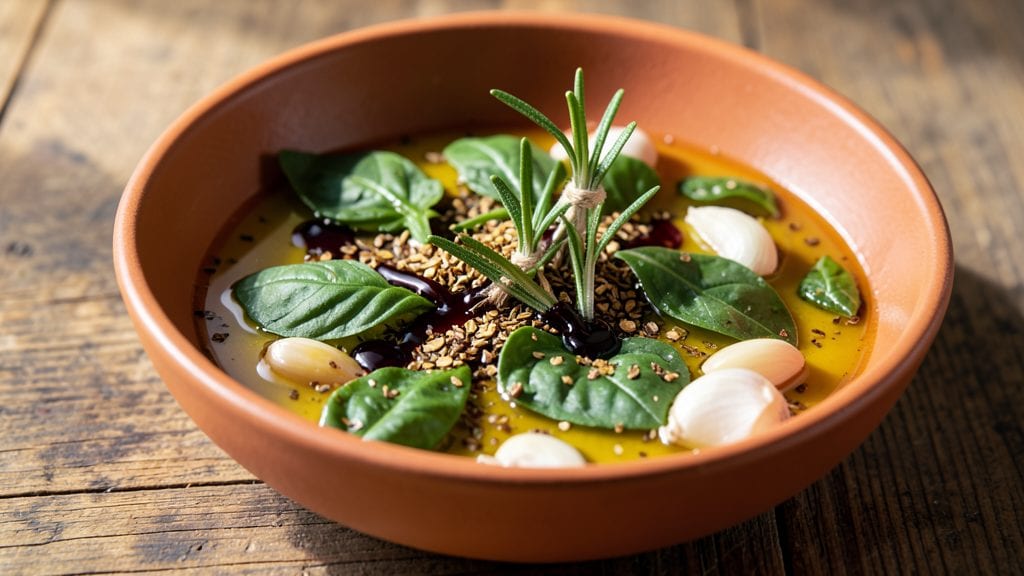
This Allegro marinade recipe transforms ordinary proteins into restaurant-quality masterpieces with its bold Italian herb blend. 💛 Standing in my Nonna’s kitchen as a kid, I’d watch her mix olive oil, garlic, and herbs in a jar—no fancy ingredients, just pure flavor magic.
That same technique now lives in this marinade, designed to elevate everything from grilled chicken to steak.
The secret lies in balancing acidity (red wine vinegar) with fat (olive oil) to tenderize while keeping proteins juicy. Fresh rosemary, oregano, and basil bring that unmistakable Italian depth, while black pepper and garlic add layers of warmth.
It’s the kind of marinade that works as hard as you do—just 15 minutes of prep, then let it work overnight for maximum flavor infusion.
What makes this marinade truly special is its versatility—use it on chicken, pork, beef, or even fish (like swordfish or salmon). The herbs caramelize beautifully during grilling, creating a fragrant crust that seals in moisture.
Store it in the fridge for up to 2 weeks, so you’re always ready for a quick, flavor-packed meal.
For best results, let proteins marinate at least 4 hours (overnight is ideal), and don’t skip the final sear—this marinade’s bold flavors need that caramelized finish to shine. Whether you’re hosting a summer BBQ or just craving a weeknight upgrade, this is the marinade that turns simple proteins into showstoppers.
Ingredients for allegro marinade
Nine simple ingredients blend into Nonna’s secret marinade magic—no fancy tools, just bold Italian flavor.
| Ingredient | Amount | Notes |
|---|---|---|
| Extra-Virgin Olive Oil 🫒 | 1 cup | High-quality, fruity variety |
| Red Wine Vinegar 🍷 | ½ cup | Dry, robust flavor preferred |
| Fresh Garlic Cloves 🧄 | 8 cloves | Peeled, finely minced |
| Fresh Rosemary 🌿 | ¼ cup | Finely chopped, stems removed |
| Fresh Basil Leaves 🌿 | ¼ cup | Packed, loosely chopped |
| Dried Oregano 🍃 | 1 tbsp | Mexican oregano if available |
| Black Peppercorns 🌶️ | 1 ½ tsp | Freshly cracked |
| Kosher Salt 🧂 | 1 ½ tsp | Fine grain preferred |
| Honey 🍯 | 1 tbsp | Light, mild flavor |
The olive oil is the heart of this marinade—look for extra-virgin with a peppery kick, like California Gold or Colavita. Red wine vinegar should be dry, not sweet—Bartles & Jaymes or Bragg work great. Fresh rosemary and basil are worth hunting down at your local farmers market (the leaves should smell vibrant, not dusty). For garlic, I always grab the organic bulbs from Whole Foods—they’re less likely to have sprouted cloves. The dried oregano? Penzeys has the best Mexican variety, but regular oregano works in a pinch. Black peppercorns should be fresh—if they smell stale, toast them in a dry pan for 30 seconds to wake up the flavor.
No fresh rosemary? Substitute 1 tbsp dried rosemary, but it won’t be as aromatic. Swap the honey for maple syrup at the same amount if you’re avoiding it. Short on red wine vinegar? Balsamic vinegar works in a 1:1 ratio, though it’ll add a sweeter note. For a deeper garlic flavor, add 1 tsp garlic powder alongside the fresh. The olive oil is non-negotiable—don’t substitute with vegetable or canola. If you’re making this ahead, store the vinegar and honey separately until ready to mix—this keeps the marinade fresh longer. The honey helps tenderize the meat, so don’t skip it if you’re working with tougher cuts like pork shoulder.
This marinade keeps beautifully in the fridge for up to 2 weeks in an airtight jar. For extra shelf life, add a thin layer of olive oil on top before sealing—it acts as a preservative. If you’ve got leftovers, freeze portions in ice cube trays for single-use servings. The flavors actually improve after 24 hours of marinating, so don’t rush it. For best results, let proteins marinate overnight—this is where the magic happens. The herbs will release their oils, and the acidity will break down the meat fibers just enough to make it tender without turning it mushy.
Why You'll Love This Recipe
- Five-Ingredient Magic: I keep a jar of this in my fridge for those nights when I’m staring at a sad chicken breast or a lonely steak, wondering what to do. Just toss in olive oil, vinegar, crushed garlic, torn rosemary sprigs, and basil—no measuring cups, no stress, no second-guessing.
- Herb-Packed Punch: That first bite? The garlic’s sharp kick, the rosemary’s piney warmth, and the basil’s bright finish—it’s like a flavor explosion without the fuss. Honestly, I’ve tried store-bought marinades, but this one actually tastes like I put effort in.
- Weeknight to Dinner Party: Slather it on grilled shrimp for a quick weeknight meal, or let it work its magic on a whole roast for Sunday dinner. My roommates and I joke that this marinade is the reason we always have an excuse to throw a potluck.
- No-Waste, Budget Win: Use the leftovers to dress up a simple salad or drizzle it over roasted veggies—every drop is worth it. And since it’s mostly pantry staples (plus herbs I grow in pots), it’s cheaper than takeout without sacrificing flavor.
Step-by-step instructions for Allegro marinade
Here's how to blend this vibrant Italian marinade that transforms tough cuts into tender, flavorful masterpieces.
👨🍳 Step 1: Combine the Base Ingredients
In a large mixing bowl, pour in the 1 cup extra-virgin olive oil and 0.5 cup red wine vinegar. I like to use a deep bowl for this—it gives me plenty of room to stir everything together without spills. The vinegar will start to emulsify with the oil right away, creating a silky base for your marinade.
Add the 1 tbsp honey and whisk vigorously for 30 seconds until fully dissolved. The honey not only adds subtle sweetness but also helps balance the acidity of the vinegar. You'll notice the mixture becomes slightly thicker as it incorporates. This is your flavor foundation—don't skip this step, as it ensures all your herbs and spices will distribute evenly.
👨🍳 Step 2: Add the Fresh Herbs and Aromatics
Next, add the 8 cloves minced fresh garlic, 0.25 cup chopped fresh rosemary, and 0.25 cup chopped fresh basil leaves to the bowl. I always use my fingers to gently press the rosemary sprigs against the side of the bowl first—this releases more of their aromatic oils before they even hit the marinade.
Give everything a good stir with a wooden spoon, making sure the herbs are fully submerged in the liquid. The basil leaves will start to soften immediately, while the rosemary will hold its shape but infuse beautifully. Let the mixture sit for 5 minutes while you prepare the remaining ingredients—this gives the herbs time to begin releasing their flavors into the base.
🍳 Step 3: Incorporate the Spices and Salt
Add the 1 tbsp dried oregano, 1.5 tsp freshly cracked black peppercorns, and 1.5 tsp kosher salt to the bowl. I like to use my fingers to crush the peppercorns slightly against the side of the bowl—this ensures they'll distribute evenly and release their peppery aroma throughout the marinade.
Stir everything together thoroughly until you can't see any dry spots of spice remaining. The marinade should now have a rich, earthy aroma with bright herbal notes. Taste a small spoonful—you'll notice the perfect balance of acidity from the vinegar, sweetness from the honey, and herbal depth from the fresh ingredients. This is where the magic happens, so don't rush this step.
⏰ Step 4: Let It Infuse and Rest
Transfer the marinade to a clean glass jar with a tight-fitting lid. Seal it and let it rest at room temperature for at least 1 hour before using. I usually make it the night before so it has time to fully develop its flavors. The longer it sits, the more complex and aromatic it becomes—this resting period allows all the ingredients to meld together beautifully.
Give it a good shake just before using to redistribute any settled ingredients. The marinade should be vibrant green with flecks of rosemary and basil. This bold, aromatic blend works wonders on chicken, pork, lamb, and even vegetables. For best results, marinate proteins for at least 4 hours or overnight in the refrigerator to ensure maximum flavor penetration and tenderness.
Pro Tips For Making Allegro Marinade
- PULSE THE GARLIC: Smash those cloves first with the flat side of your knife—no mincer needed. I learned this the hard way after burning my garlic in olive oil; crushed cloves release their flavor faster and won’t turn bitter when heated.
- BALANCE THE ACID: Start with a 3:1 ratio of olive oil to vinegar, then taste. If the vinegar overpowers, add a splash of water or a pinch of sugar—just enough to soften the bite. I used to eyeball it and ended up with a marinade that could strip paint.
- CHOP HERBS COARSE: No food processor—tear basil leaves by hand and chop rosemary needles roughly. Tiny pieces turn to mush in oil, while bigger bits stay vibrant and release flavor gradually. (Yes, even if you’re impatient like me.)
- STEEP IT COLD: Let the marinade sit uncovered in the fridge for at least 30 minutes before using—this lets the garlic and herbs infuse properly. I skipped this once and got a bland, one-note dressing. (Your future self will thank you.)
Flavor customization for allegro marinade
Herb-Forward Variations
Swap out rosemary for thyme (1 tbsp fresh) and add 1 tsp lemon zest for a brighter, lemon-herb twist that pairs perfectly with grilled fish like swordfish or mahi-mahi. I love this version for summer—it’s lighter but still packed with flavor.
For a Mediterranean touch, replace basil with 1 tbsp chopped mint and add ½ tsp ground coriander—this works beautifully with lamb chops or grilled halloumi. 🌿
Spicy Kick Options
Add 1 tbsp hot honey (like Cholula Honey) for a sweet-spicy balance that caramelizes beautifully on grilled chicken. For heat lovers, stir in 1 tsp red pepper flakes or ½ tsp cayenne pepper—this version is perfect for spicy meatballs or grilled sausage.
I once made this marinade with 1 chopped Fresno chili instead of red pepper flakes, and it was chef’s kiss—the smoky heat elevated everything. 🌶️
Sweet & Tangy Twist
Boost the sweetness by doubling the honey to 2 tbsp and adding 1 tbsp balsamic vinegar (swap for half the red wine vinegar). This richer marinade is ideal for pork tenderloin or beef short ribs—it creates a sticky, caramelized crust when grilled.
For a fruity note, muddle ¼ cup fresh peach slices into the marinade before adding the herbs—this works amazingly with grilled peach-glazed chicken. 🍑
Umami Bomb Upgrade
For deeper savory notes, stir in 1 tbsp soy sauce or 1 tbsp Worcestershire sauce—this adds umami that pairs well with beef or pork. I also love adding 1 tsp fish sauce (trust me, it blends in!) for an extra layer of complexity.
For a vegetarian-friendly version, replace the fish sauce with 1 tbsp nutritional yeast—it adds a cheesy, nutty depth that works on marinated tofu or eggplant. 🍄
Citrus Brighteners
Zest and juice from 1 lemon or 1 orange add a refreshing twist—great for seafood or lighter poultry dishes. I once made this marinade with 1 tbsp orange liqueur (Cointreau) instead of honey, and it was incredible with grilled shrimp.
For a tropical vibe, add ½ cup pineapple juice and 1 tbsp lime zest—this version is perfect for pineapple-glazed chicken or pork. 🍊
Smoky Depth Additions
Infuse the olive oil with 1 smoked chipotle pepper in adobo (minced) for a smoky, slightly spicy marinade that’s ideal for ribs or brisket. For a milder smoke flavor, add ½ tsp smoked paprika and ½ tsp liquid smoke** (just a splash!).
I also love adding 1 tsp coffee granules dissolved in the vinegar—it deepens the flavor without overpowering. This works like magic on grilled steak or pork chops. 🔥
Nutrition facts
Frequently asked questions
Can I use this marinade on seafood like shrimp or salmon?
This marinade works beautifully on seafood, but reduce the marinating time to 30 minutes maximum to prevent over-tenderizing delicate fish. For shrimp, use it for just 15-20 minutes—the bold herbs and acidity will enhance their natural sweetness without making them mushy. Always pat seafood dry before marinating to help it sear properly.
What's the best way to store leftover marinade?
Store any unused marinade in an airtight glass jar in the fridge for up to 2 weeks. For longer storage, freeze portions in ice cube trays—just thaw overnight in the fridge before using. The vinegar and honey act as natural preservatives, but adding a thin layer of olive oil on top before sealing helps maintain freshness even longer.
Can I make this marinade without fresh herbs?
Yes! For rosemary, use 1 tbsp dried rosemary (it's less potent, so don't exceed this amount). For basil, substitute 1 tbsp dried basil—though fresh herbs give the best flavor, dried versions work in a pinch. The key is to adjust the quantity downward since dried herbs are more concentrated.
Why does my marinade look cloudy after mixing?
Cloudiness happens when the vinegar and oil haven't fully emulsified yet. This is normal! Stir vigorously for 1-2 minutes or let it sit for 10 minutes before using. The marinade should separate slightly when left unused, but it will come back together when stirred. For a smoother texture, add ½ tsp Dijon mustard to help bind the ingredients.
How do I prevent my meat from becoming too acidic after marinating?
To balance acidity, reduce marinating time to 4 hours maximum for tender cuts like chicken breast, or use half the vinegar (¼ cup instead of ½ cup). For tougher meats like pork shoulder, the full 8-12 hours is fine—they can handle the acidity better. Always pat meat dry before cooking to promote better browning.