
Side Dishes
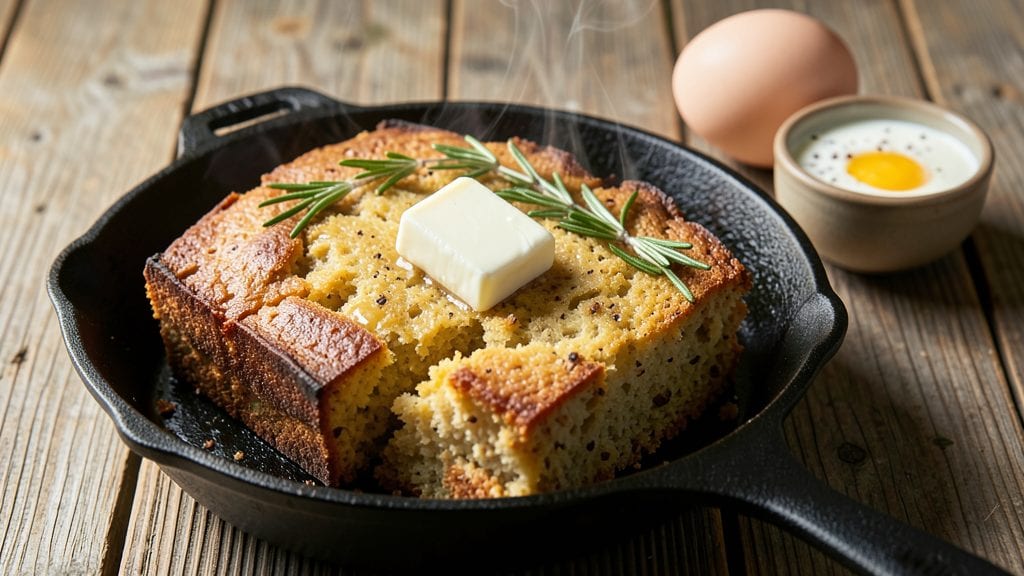
This Amish corn bread recipe delivers the perfect balance of golden crust and crumbly texture that makes it a staple at family gatherings. The secret lies in using stone-ground cornmeal and baking soda for that signature tender yet slightly dense crumb.
I first discovered this version while researching traditional Amish recipes, and it's become a weekly favorite in my kitchen.
The beauty of this recipe is its simplicity—just seven core ingredients come together to create something extraordinary. Unlike many modern corn bread recipes, this version skips the sugar for a savory profile that pairs beautifully with soups, chilis, or honey.
The baking time is short (20 minutes), but the flavor development happens during that crucial first 10 minutes of baking.
What you'll end up with is a loaf that's crisp along the edges and tender in the center, with just the right amount of corn flavor without being overly sweet. The texture is what truly sets it apart—light yet substantial, with a crumb that practically melts in your mouth.
This is the kind of corn bread that disappears from the table faster than you can say "more butter."
For those who prefer a sweeter version, simply add 1/4 cup granulated sugar to the dry ingredients. The recipe also works beautifully as a side for fried chicken or as a base for cornbread dressing. Let's get started on creating this classic Amish favorite!
Ingredients for amish corn bread
Seven simple ingredients transform into golden Amish corn bread with crisp edges and crumbly magic.
| Ingredient | Amount | Notes |
|---|---|---|
| Stone-Ground Cornmeal 🌽 | 1 ½ cups | Not pre-cooked, for authentic texture |
| All-Purpose Flour 🌾 | ½ cup | For structure and lightness |
| Baking Soda 🧪 | 1 ½ tsp | Key for Amish-style rise |
| Salt 🧂 | 1 tsp | Kosher or sea salt preferred |
| Buttermilk 🥛 | 1 cup | Full-fat for richness (or substitute) |
| Large Eggs 🥚 | 1 whole | Room temperature for even baking |
| Unsalted Butter 🧈 | ½ cup | Melted, full-fat for moisture |
The stone-ground cornmeal is non-negotiable—it gives that authentic Amish texture. Bob's Red Mill or King Arthur are my go-tos, but any stone-ground brand works. Pre-cooked cornmeal? Skip it. The baking soda is what makes this rise just right—don't swap it for powder. For the buttermilk, if you're in a pinch, mix 1 cup milk with 1 tbsp vinegar or lemon juice. The butter should be melted but not hot—just enough to coat the back of a spoon. And that egg? Room temperature ensures even baking, so take it out 10 minutes before mixing.
No buttermilk? Plain yogurt thinned with milk works in a bind, but the tang matters here. Swap the stone-ground cornmeal for regular? You'll lose that signature crumbly texture, but it'll still taste good. Want to make it sweeter? Add 1/4 cup sugar to the dry ingredients, but trust me, this savory version pairs better with chili. The butter can be substituted with olive oil if you're avoiding dairy, but it'll be less rich. And if you're measuring by weight, 1 cup all-purpose flour is about 4.5 oz—just a heads-up for those who prefer scales.
This batter keeps for 2 days in the fridge—just whisk before baking. For extra crispy edges, preheat your pan for 5 minutes before pouring. The loaf reheats beautifully in a 350°F oven for 5 minutes with a damp paper towel. Freezes well too—wrap tightly and bake straight from frozen, adding 5-7 minutes. I always make a double batch—half gets eaten fresh, the other half gets frozen for lazy weeknights.
Why You'll Love This Recipe
- No-Fuss Mixing: The stone-ground cornmeal and buttermilk come together in five minutes—just stir, pour, bake. No kneading, no fuss, and no waiting around for dough to rise. Honestly, I’ve made it while microwaving leftovers.
- Buttermilk Magic: That tangy buttermilk cuts through the cornmeal’s earthiness like a secret handshake. The crumb stays moist for days, and the edges? Golden and just crisp enough to snag with a fork. (Yes, even on a Tuesday night.)
- Weeknight Workhorse: Serve it warm with chili, slathered in honey, or as a side to fried chicken—it’s my go-to for breakfast, lunch, or dinner. Between us, I’ve even used it to soak up gravy at a potluck when I forgot the rolls.
- Budget-Friendly Staple: Stone-ground cornmeal and buttermilk won’t break the bank, and a single batch stretches into three meals. I’ll be real: my freezer’s always stocked with slices because it’s cheaper than takeout and way tastier.
Step-by-step instructions for Amish corn bread
Here's how to make this classic recipe with a golden crust and crumbly texture that's perfect for serving.
Preheat and Prepare Your Pan
Preheat your oven to 425°F for a hot oven that will give you that signature golden crust. While it's heating, melt the ½ cup unsalted butter in a small saucepan over low heat until completely melted but not browned. This melted butter will add moisture and richness to your corn bread.
Grease an 8-inch cast-iron skillet (or any oven-safe pan) generously with the melted butter, making sure to get the sides too. The butter will create a barrier that prevents sticking and helps create that beautiful crust. A well-greased pan is half the battle for perfect Amish corn bread.
Mix Dry Ingredients Together
In a large mixing bowl, combine the 1½ cups stone-ground cornmeal, ½ cup all-purpose flour, 1½ teaspoons baking soda, and 1 teaspoon salt. Use a whisk to stir these ingredients together until they're fully incorporated and there are no more lumps. The baking soda is crucial here—it's what gives Amish corn bread that signature rise and crumbly texture.
I like to give this mixture a good stir with my fingers too, just to make sure everything is evenly distributed. The stone-ground cornmeal should feel slightly gritty, which is what gives this bread its authentic texture. Don't worry if it looks a bit coarse—this is exactly what we want for that classic Amish-style corn bread.
Combine Wet Ingredients
In a separate bowl, whisk together the 1 cup buttermilk and 1 whole large egg until fully combined. The buttermilk should be at room temperature for best results—this helps create a smoother batter. If your buttermilk is cold, let it sit out for about 10 minutes before using.
Here's where it gets interesting: slowly pour the wet ingredients into the dry ingredients while stirring gently with a spatula. You want to mix just until combined—don't overmix. The batter should be thick and slightly lumpy, almost like a thick pancake batter. Overmixing develops gluten and can make your corn bread tough instead of crumbly.
Pour and Bake for Perfect Results
Quickly pour the batter into your prepared cast-iron skillet. Use a spatula to spread it evenly—you want about ½-inch thick throughout. The edges should be slightly thicker than the center, which helps create that beautiful crust. Immediately place the skillet in the preheated oven.
Bake for 20-25 minutes until the top is deep golden brown and a toothpick inserted in the center comes out clean. The edges should be crispy while the center remains slightly moist. I know it's tempting to check early, but resist the urge—this bread needs that full baking time for that perfect texture.
Rest and Serve Warm
Remove the corn bread from the oven and let it cool in the skillet for 5 minutes. This resting time allows the steam to redistribute, making each bite perfectly moist. After 5 minutes, carefully invert the corn bread onto a serving plate or cutting board.
Let it cool for another 5-10 minutes before slicing—this prevents it from falling apart. The crust should be crispy and golden, while the interior should be crumbly with just the right amount of moisture. Serve warm with honey, jam, or your favorite butter for the ultimate Amish corn bread experience.
Pro Tips For Making Amish Corn Bread
- Measure buttermilk cold: Grab that buttermilk straight from the fridge—no thawing it out first. I learned this the hard way after mixing a batch where the buttermilk was lukewarm, and the batter turned out too thin, spreading like pancake batter instead of holding its shape. Cold buttermilk keeps the gluten in check, and your bread will stay dense and crumbly like it’s supposed to.
- Skip the sifting: Stone-ground cornmeal is coarse—don’t waste time sifting it. Just whisk the dry ingredients (cornmeal, flour, baking soda, salt) in the bowl until the baking soda is evenly distributed. Sifting doesn’t change the texture here, and it’ll save you from tracking flour everywhere.
- Oil that pan: Use about 2 tablespoons of oil (or melted butter) to coat the pan before pouring in the batter. I used to skip this, and the bread would stick like glue, especially on the sides. A well-oiled pan guarantees clean edges and that perfect pull-apart crumb.
- Test doneness with a toothpick: Stick a toothpick in the center—if it comes out clean (or with a single crumb), it’s done. I’ve seen recipes say "golden brown," but this bread can look underdone on the outside while still being raw inside. Better to rely on the toothpick than guesswork.
Storing and reheating this amish corn bread
Fridge Storage Tips
Store your leftover Amish corn bread in an airtight container at 40°F or below for up to 4 days. I use glass containers with tight-sealing lids—I find they preserve moisture better than plastic. Wrap the corn bread in aluminum foil first to maintain crispiness along the edges.
When reheating, cover with a damp paper towel and warm in a 350°F oven for 5-7 minutes until heated through. 🥖
Freezer Preservation
For long-term storage, slice the corn bread into ½-inch thick pieces and arrange them on a baking sheet lined with parchment paper. Freeze until solid (about 1 hour), then transfer to a freezer-safe bag or airtight container.
This method prevents sogginess. When ready to eat, bake straight from frozen at 375°F for 10-12 minutes until crispy again. I like to freeze extras for quick breakfasts or sides. ❄️
Microwave Revival
For a quick fix, wrap a slice in a damp paper towel and microwave on medium power (50%) for 20-30 seconds. This method works best for reheating individual portions without drying out the crumb.
Add 5-10 seconds more if needed, but watch closely—microwaves vary in power. The damp towel is key to restoring moisture without making it soggy. 💫
Oven Refresh
Preheat your oven to 350°F and place slices on a baking sheet. Cover loosely with foil and heat for 5-8 minutes until warmed through. The foil traps steam to keep the interior moist while the edges stay crisp.
For extra crispiness, remove the foil for the last 2 minutes of heating. This method works best for larger batches. 🔥
Toaster Tricks
While not ideal for full slices, the toaster works for thin pieces. Set to medium heat and toast for 2-3 minutes, checking frequently to avoid burning. The toaster won't restore crispiness like oven methods, but it's perfect for quick toast with butter or jam.
I find this works best with day-old corn bread that's already slightly dried out. 🍞
Texture Preservation
To maintain that signature Amish crumb, never store corn bread in the fridge uncovered or in a plastic bag without wrapping. The stone-ground cornmeal absorbs moisture quickly, leading to a gummy texture.
For best results, store in single-serving portions so you can reheat just what you need. The first reheat is always the best—after that, texture starts to degrade. 💡
Nutrition facts
Frequently asked questions
Why does Amish corn bread use stone-ground cornmeal instead of regular?
The stone-ground variety gives that signature gritty texture and authentic Amish flavor. Regular cornmeal is pre-ground and loses that rustic quality. The coarser grind in stone-ground cornmeal creates a more complex crumb structure that's both tender and slightly dense—just like the traditional version. Plus, it adds that subtle corn flavor that makes it taste homemade.
Can I make this recipe without buttermilk?
Mix 1 cup milk with 1 tablespoon vinegar or lemon juice, let it sit for 5 minutes to curdle, then use as a substitute. For a richer version, try 1 cup plain yogurt thinned with 2 tablespoons milk. The tang is crucial—it reacts with the baking soda to create that perfect rise. Just don't skip the acid component entirely.
What's the best way to keep Amish corn bread from falling apart when slicing?
Let it cool in the pan for 5 minutes after baking, then invert onto a plate and rest for another 5-10 minutes. The internal steam needs time to redistribute for structural integrity. Cutting too soon makes the crumb collapse. For extra stability, slice against the grain of the cornmeal particles. A sharp knife helps too—dull blades crush the texture.
How do I make this recipe sweeter without adding sugar?
Swap 1/4 cup of the cornmeal for 1/4 cup rolled oats and add 1/2 teaspoon cinnamon to the dry ingredients. The oats add subtle sweetness while the cinnamon enhances warmth. For a fruit variation, fold in 1/2 cup diced apples or peaches after mixing the wet ingredients. These adjustments create natural sweetness without altering the traditional texture.
Why did my Amish corn bread turn out dense instead of crumbly?
Overmixing develops gluten, making it tough. Stir just until combined—lumpy batter is perfect! Also check your baking soda (must be fresh) and oven temp (425°F is critical). Underbaking can make it gummy, while overbaking dries it out. For extra lift, try adding 1/4 teaspoon salt to the baking soda to activate it properly.