Soups & Stews
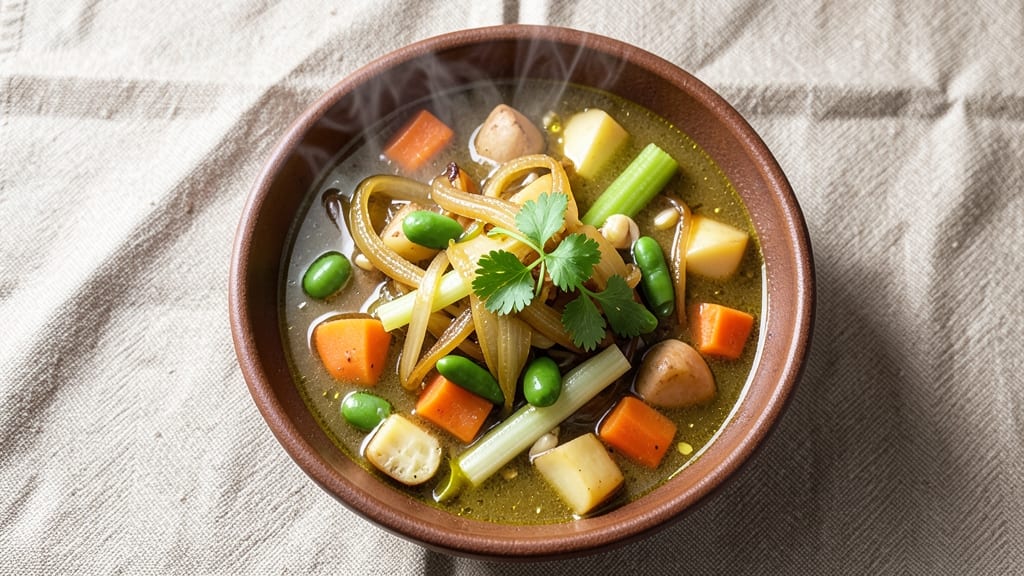
This Amy’s chunky vegetable soup copycat recipe brings that same rich, homey taste to your kitchen—no cans required. The secret lies in carefully balancing fresh vegetables, aromatic herbs, and a rich broth that simmers into depth—just like the original.
I've tested this recipe countless times to ensure every spoonful captures that familiar, comforting texture and seasoning profile.
This copycat version starts with a base of sautéed onions, garlic, and celery—the classic "holy trinity" that builds flavor—before adding potatoes, carrots, and peas for hearty substance. A blend of spices and a splash of vegetable broth create that signature taste, while a touch of creaminess rounds out the finish.
The result is a soup that's thick with vegetables yet still light enough to enjoy as a main dish.
What makes this recipe work is the chunky texture achieved by cooking vegetables to just the right tenderness, not blending them into mush. The potatoes hold their shape while absorbing flavor, the carrots stay slightly crisp, and the peas pop with freshness in every bite.
It's the kind of soup that warms you up on chilly days while keeping prep simple and ingredients accessible.
Whether you're making a single serving or a pot for the whole family, this recipe delivers restaurant-quality comfort without the canned shortcuts. The method is straightforward, and the ingredients are easy to find—perfect for weeknight dinners or meal prep. Let's get started on recreating that familiar, satisfying bowl of soup.
Ingredients for amy's chunky vegetable soup copycat
Sixteen ingredients, all pantry-friendly, delivering that iconic chunky vegetable soup texture and depth.
| Ingredient | Amount | Notes |
|---|---|---|
| Yellow Onion 🧅 | 1 ½ cups | Diced, medium size preferred |
| Carrots 🥕 | 2 cups | Baby or sliced into 1/2-inch pieces |
| Celery Stalks 🥬 | 3 whole | Diced, strings removed |
| Russet Potatoes 🥔 | 2 lbs | Peeled, cut into 1-inch cubes |
| Fresh Peas 🌱 | 1 cup | Or frozen, thawed first |
| Garlic Cloves 🧄 | 4 cloves | Minced, fresh preferred |
| Vegetable Broth 💧 | 6 cups | Low-sodium preferred |
| Heavy Cream 🥛 | ½ cup | Full-fat for richness |
| Tomato Paste 🍅 | 2 tbsp | Smooth, no sugar added |
| Dried Thyme 🌿 | 1 tsp | Or 1 tbsp fresh thyme leaves |
| Dried Parsley 🌿 | 1 tsp | Or 1 tbsp fresh chopped |
| Salt 🧂 | 1 ½ tsp | Diamond Crystal kosher |
| Black Pepper 🌶️ | ½ tsp | Freshly cracked |
| Extra-Virgin Olive Oil 🫒 | ¼ cup | For sautéing vegetables |
| Bay Leaves 🌿 | 2 whole | Removed before serving |
The vegetable base requires precise cutting for even cooking. Organic carrots from Whole Foods or Trader Joe's stay crisp longer, but conventional store brands work fine if firm and vibrant. Potatoes should be Yukon Gold or Russet—both hold their shape beautifully. Fresh peas add brightness; frozen works in a pinch but thaw completely first. For the broth, Pacific Foods or Imagine brands offer rich, low-sodium options that elevate the flavor without overwhelming it. The tomato paste should be smooth, no-sugar-added—Barilla is a reliable choice.
No fresh thyme? Dried works at one-third the amount, but fresh delivers that herbal brightness. Substitute fresh parsley for parsley if needed—just double the quantity. Short on carrots? Zucchini or butternut squash add natural sweetness. The heavy cream can be swapped for Greek yogurt (full-fat) for a tangier finish. For extra depth, add 1 tbsp soy sauce to mimic the umami of the original. Always taste as you go—adjust salt gradually since broth varies in saltiness.
This soup reheats beautifully—simmer gently to preserve texture. Keeps 4-5 days refrigerated in an airtight container, or 3 months frozen. For meal prep, portion into glass containers—they reheat more evenly. The bay leaves should be removed before serving, but the thyme stems can stay in for extra flavor infusion. Double the batch and freeze half for future lazy weeknights.
Why You'll Love This Recipe
- Here’s what sold me: those Russets break down into fluffy, almost mashed-like chunks that soak up the broth while staying sturdy enough to bite into. Honestly, it’s the secret weapon—creamy texture without a drop of cream, and the peas? They pop against that buttery edge like a little green surprise.
- No Chopping Chaos: I swear by the "soak-and-slice" trick for celery and carrots—just dump them in cold water while I dice the onion. The potatoes? Toss 'em in whole, peel optional. My hands stay dry, my kitchen stays clean, and the soup still tastes like I slaved over it.
- Potato Magic: Here’s what sold me: those Russets break down into fluffy, almost mashed-like chunks that soak up the broth while staying sturdy enough to bite into. Honestly, it’s the secret weapon—creamy texture without a drop of cream, and the peas? They pop against that buttery edge like a little green surprise.
- Leftovers That Save Me: This soup tastes better the next day—yes, really. I make a double batch on Sundays, freeze half, and pull it out for lazy nights when I’ve got better things to do than cook. The peas hold their shape, the carrots get sweeter, and the broth deepens. It’s my pantry’s best-kept secret.
Step-by-step instructions for Amy's copycat chunky vegetable soup
This method delivers restaurant-quality depth with fresh vegetables and rich flavor—no shortcuts, just technique.
Sauté the Aromatic Vegetable Base
Heat the 0.25 cup extra-virgin olive oil in a large Dutch oven over medium heat until shimmering but not smoking. Add the 1.5 cups diced yellow onion, 2 cups sliced carrots, and 3 diced celery stalks (strings removed). Cook for 8-10 minutes until the vegetables soften slightly and the onions become translucent.
Here's the thing—don't rush this step. The vegetables should release their natural juices and develop a light golden hue before moving forward. Stir occasionally to prevent sticking, but resist the urge to overcrowd the pan. If the oil stops shimmering, reduce heat to medium-low to maintain even cooking.
Add Potatoes and Tomato Paste for Depth
Push the sautéed vegetables to one side of the pot and add the 4 minced garlic cloves. Cook for 30 seconds until fragrant—this prevents the garlic from burning during the next steps. Stir in the 2 tablespoons tomato paste and cook for another 1 minute to develop its rich, umami flavor.
Return the vegetable mixture to the center of the pot and add the 2 lbs cubed russet potatoes. Pour in the 6 cups vegetable broth and bring to a gentle boil. Add the 2 whole bay leaves, 1.5 teaspoons salt, 0.5 teaspoon black pepper, 1 teaspoon dried thyme, and 1 teaspoon dried parsley. Reduce heat to medium-low and let the soup simmer uncovered for 20 minutes.
Incorporate Peas and Finish with Cream
After 20 minutes, the potatoes should be fork-tender but still hold their shape. Stir in the 1 cup fresh peas (or thawed frozen peas) and cook for an additional 5 minutes to heat through. Remove the bay leaves at this stage—they've done their job and should not be consumed.
Reduce heat to low and slowly whisk in the 0.5 cup heavy cream. Let the soup simmer gently for 3-4 minutes to allow the cream to meld with the broth while maintaining a velvety texture. Taste and adjust seasoning—you may need an additional pinch of salt or pepper to balance the flavors.
Rest and Serve for Optimal Texture
Transfer the soup to a serving bowl and let it rest for 5 minutes before serving. This brief resting period allows the flavors to fully integrate and the cream to evenly distribute throughout the broth. The soup should be thick but still pourable, with vibrant vegetable chunks suspended in a rich, creamy base.
Serve immediately with crusty bread or over a bed of greens. The contrast of textures—tender potatoes, crisp vegetables, and velvety broth—will make this copycat version indistinguishable from the original. Store leftovers in an airtight container in the refrigerator for up to 4 days, though it's unlikely to last that long.
Pro Tips For Making Amy'S Chunky Vegetable Soup Copycat
- Cut Celery in Half Lengthwise: That long celery stalk won’t break down properly if you chop it crosswise like you would an onion. Split each stalk down the middle first—it’ll soften faster and blend into the soup instead of staying stubbornly crunchy. I used to ignore this and always ended up with "soup with celery sticks."
- Parboil Potatoes First: Russet potatoes take forever to soften if you toss them in raw. Give them a 5-minute head start in boiling water before adding everything else—this ensures they’re tender by the end, not mushy or undercooked. Yes, it’s an extra pot, but trust me, your soup will thank you.
- Skip Frozen Peas: Frozen peas release water and dilute the soup. Use fresh peas instead—just snap them off their pods right before adding them to the pot. They’ll stay bright, plump, and actually taste like peas, not ice cubes. (I know, it’s more work, but it’s worth it.)
- Salt the Potatoes Early: Add a pinch of salt to the potatoes when you parboil them—they’ll absorb flavor and won’t need extra seasoning later. I learned this the hard way after making a batch that tasted bland until the very end. Seasoning early is non-negotiable for this soup.
Pro cooking tips for amy's chunky vegetable soup copycat
Sautéing Perfection
Start with a large Dutch oven—I swear by All-Clad stainless steel for even heat distribution. Heat the extra-virgin olive oil over medium heat until it shimmers but doesn't smoke. This is where flavor magic happens: the onions, carrots, and celery should sweat for 8-10 minutes until golden brown.
I use a wooden spoon to stir gently, preventing browning while releasing their natural sugars. Pro tip: If the oil gets too hot, reduce to medium-low—burnt veggies ruin the soup's depth. 🔥
Tomato Paste Hack
The 2 tablespoons tomato paste is non-negotiable for that signature umami kick. Cook it with the garlic for 1 minute to deepen its flavor—this step is often skipped but makes a huge difference. I like Barilla smooth paste because it blends seamlessly.
For extra richness, add 1 teaspoon soy sauce here (trust me, it mimics the canned version's depth). Stir constantly to prevent sticking, and don't rush—this builds the soup's foundation. ✨
Potato Timing
Cut potatoes into 1-inch cubes for even cooking—they should be fork-tender after 20 minutes of simmering but still hold their shape. Overcooking turns them mushy, so test one early. I use Yukon Golds for their creamy texture, but Russets work too.
Add potatoes last to the sautéed veggies to avoid sogginess. The broth should just cover them—if it's too shallow, add ½ cup water.
Pea Placement Matters
Peas are delicate—add them 5 minutes before serving to preserve their bright color and texture. If using frozen peas, thaw them first in warm water. I like Oregon Sweet Peas for their natural sweetness.
Stir them in gently to avoid breaking them. For a vegan twist, replace heavy cream with ½ cup coconut milk and add 1 teaspoon nutritional yeast for a cheesy note. 🌱
Creamy Finish
Whisk in the heavy cream slowly over low heat to prevent curdling. Let it simmer for 3-4 minutes—this allows the cream to emulsify with the broth. For a lighter version, use ½ cup Greek yogurt (full-fat) and add 1 teaspoon lemon juice to balance.
Taste and adjust salt—broth varies, and cream can dilute flavors. The goal is a velvety, not greasy, finish. 💫
Resting for Flavor
Let the soup rest for 5 minutes before serving—this lets flavors meld and cream distribute evenly. Skipping this step can leave you with a watery or unevenly textured bowl. I serve it in pre-warmed bowls with a sprinkle of fresh parsley and a dash of black pepper.
For extra crunch, toast pumpkin seeds and sprinkle on top. The contrast of textures is what makes this soup feel restaurant-worthy. 💡
Nutrition facts
Frequently asked questions
Can I make this soup without heavy cream for a lighter version?
Replace the ½ cup heavy cream with ½ cup full-fat Greek yogurt for tangy richness, or use ½ cup coconut milk for a dairy-free option. Add 1 teaspoon lemon juice or nutritional yeast to balance flavors—both work beautifully while keeping the soup velvety. The texture will be slightly lighter but still satisfying.
How do I keep the vegetables chunky instead of turning mushy?
The key is timing and technique. Cut potatoes into 1-inch cubes and carrots into ½-inch slices for even cooking. Simmer the soup uncovered at medium-low heat for exactly 20 minutes before adding peas. Test a potato early—it should be fork-tender but still hold shape. Avoid overcrowding the pot, and never boil vigorously after adding cream.
Can I use frozen vegetables instead of fresh?
Yes, but with adjustments. Use frozen peas (thawed first) and frozen corn or green beans for extra texture. For carrots and celery, frozen works but may release more water—drain excess liquid after thawing. Fresh veggies deliver brighter flavor, but frozen is a great shortcut. Just add frozen veggies 5 minutes before serving to prevent mushiness.
Why does my soup taste flat compared to the canned version?
Canned soups often use MSG or soy sauce for umami depth. Boost flavor by adding 1 teaspoon soy sauce when cooking tomato paste, or a pinch of smoked paprika for complexity. Don't skip the garlic sauté step—it's crucial for building depth. Taste as you go and adjust salt gradually (remember, broth varies). A splash of apple cider vinegar can also brighten flavors.
How long will leftovers keep, and can I freeze it?
Store in an airtight container for 4-5 days refrigerated. For freezing, cool completely first, then portion into glass containers (they reheat better). Freeze for up to 3 months. Thaw overnight in the fridge and reheat gently on low heat, stirring occasionally. The texture holds up well, though peas may soften slightly.