
Side Dishes
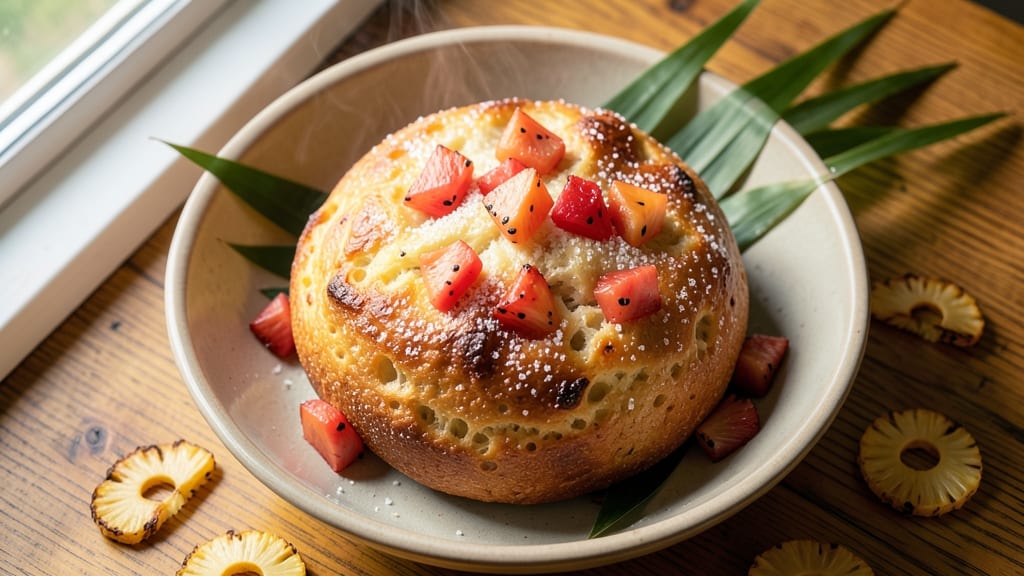
This anan bread recipe delivers the perfect balance of crispy cornmeal crust and sweet, tangy pineapple filling that makes every bite unforgettable. The vinegar tang cuts through the natural sweetness of the pineapple, while the cornmeal topping creates that signature crunch.
I've perfected this recipe over years of baking, and it's become a staple in my kitchen—especially during holidays when Filipino flavors shine.
The secret to achieving that crispy crust lies in the cornmeal mixture, which needs to be just the right consistency—neither too crumbly nor too sticky. Once you master the dough and filling balance, you'll get golden-brown edges that shatter with every bite while keeping the inside soft and pillowy.
This recipe requires patience during proofing, but the results are worth every minute.
Imagine pulling a warm loaf from the oven, its crust crackling under your fingers as the sweet pineapple aroma fills your kitchen. The vinegar tang adds a bright contrast that elevates the natural sweetness, making this bread irresistible.
Whether served as a snack with coffee or as a dessert with vanilla ice cream, it's a showstopper that will have everyone asking for seconds.
For those who love experimenting, you can add ube (purple yam) to the dough for a vibrant twist or sprinkle shredded cheese on top for extra richness. The possibilities are endless, but the classic version remains a timeless favorite. Let's get baking!
Ingredients for anan bread
Six ingredients for the dough, plus a few more for that signature pineapple filling you'll crave.
| Ingredient | Amount | Notes |
|---|---|---|
| All-Purpose Flour 🌾 | 4 cups | Spooned and leveled for accuracy |
| Granulated Sugar 🍚 | ½ cup | White or light brown |
| Active Dry Yeast 🍞 | 2 tsps | Or 1 packet (7g) |
| Warm Water 💧 | 1 cup | 110°F (43°C) ideal |
| White Vinegar 🍶 | 1 tbsp | For tangy filling |
| Fresh Pineapple 🍍 | 1 cup | Finely chopped, juices included |
| Cornmeal 🌽 | 1 cup | Fine grind preferred |
| Baking Powder 🍞 | 1 tsp | Aluminum-free preferred |
| Salt 🧂 | ½ tsp | Fine sea salt |
| Unsalted Butter 🧈 | ½ cup | Cold, cubed |
| Large Eggs 🥚 | 1 whole | Room temperature |
| Milk 🥛 | ¼ cup | Whole milk preferred |
| Granulated Sugar (for filling) 🍚 | ¼ cup | Extra for pineapple mix |
The yeast is non-negotiable here—Fresh yeast from the refrigerated section at Whole Foods or Trader Joe's works best, but the little packets are fine too. Look for fine-ground cornmeal (not the coarse kind)—it gives that perfect crunch. For the pineapple, fresh is best (the canned stuff lacks that bright tang), but if you're using canned, drain it well and pat dry. The vinegar is key—white vinegar keeps the flavor clean, but apple cider works too. I always double-check the yeast expiration date—nothing worse than waiting for dough to rise only to find it's dead.
No fresh pineapple? Canned crushed pineapple (unsweetened) works in a pinch, but you'll need to add 1 extra tbsp of sugar to balance the tartness. Running low on cornmeal? Semolina flour gives a similar texture—just use the same amount. The dough needs to be just shy of sticky; if it feels too dry, add 1 tsp more milk. For the filling, if you want extra richness, add 1 tbsp of butter to the pineapple mix. The butter should be cold so it doesn't melt into the dough prematurely.
Shape the dough into a loaf pan and let it proof at room temp—1-2 hours until it's puffy but not doubled. For the filling, mix everything together and spoon it into the center of the dough before baking. This bread keeps well for 3 days at room temperature, wrapped in a clean kitchen towel. Reheat slices in the oven for 5-10 minutes to restore that crispy crust. Freeze any extras for up to 3 months—just thaw overnight in the fridge before reheating.
Why You'll Love This Recipe
- No-Fuss Rise: I swear by this bread’s lazy-day magic: just toss the yeast into warm water with a pinch of sugar, let it bubble for five minutes, then mix in the flour and vinegar. No kneading, no waiting hours—just stir, rest, and bake. That vinegar tang cuts through the sweetness, and the texture? Light as a cloud but sturdy enough to hold jam or butter.
- Sweet & Tangy: The sugar caramelizes just enough to give every bite a subtle golden crunch, while the vinegar keeps it from tasting cloying. Honestly, it’s the kind of flavor that makes me reach for seconds without guilt—perfect for breakfast or a midday snack when you crave something simple but not boring.
- Weeknight Hero: Between us, this is the bread I make when I’m too tired to fuss. Slice it fresh for toast, pack it for lunches, or freeze the leftovers—it reheats like a dream. I’ve even used it as a base for French toast (yes, really) when I’m in a rush. Versatile enough for breakfast, dessert, or just because.
- Pantry Staple: Four ingredients, zero specialty items. That yeast packet? Probably already in your fridge. The flour? You use it for everything. And the vinegar? You’ve got it for pickles or salad dressings. It’s the kind of recipe that costs pennies to make but feels like a treat—every time.
Step-by-step instructions for anan bread with crispy cornmeal crust
Here's how to create that perfect balance of tender crumb and crispy cornmeal crust with a tangy pineapple filling.
Activate the Yeast and Prepare the Dough
In a large bowl, combine the 1 cup warm water, 2 tsps active dry yeast, and 0.5 cup granulated sugar. Let this sit for 5-10 minutes until it becomes frothy and bubbly—this confirms your yeast is active. If it doesn't bubble, your yeast might be dead, and you'll need to start over.
Once bubbly, add the 1 tbsp white vinegar, 1 whole large egg, and 0.25 cup milk. Mix gently with a wooden spoon until combined. In a separate bowl, whisk together the 4 cups all-purpose flour, 1 tsp baking powder, and 0.5 tsp salt. Gradually add the dry ingredients to the wet mixture, stirring until a shaggy dough forms.
Knead and Shape the Dough for Optimal Texture
Turn the dough onto a lightly floured surface and knead for 8-10 minutes until smooth and elastic. You'll know it's ready when it springs back slowly when poked. If the dough feels too sticky, add 1 tablespoon of flour at a time until it's workable—this helps develop gluten for that perfect rise.
Divide the dough into 6 equal pieces and roll each into a 12-inch circle about ¼-inch thick. For even thickness, use a rolling pin and re-roll any thicker spots. This uniform shape ensures even baking and that crispy crust we're after.
Prepare the Pineapple Filling and Assemble the Loaves
In a small bowl, combine the 1 cup finely chopped fresh pineapple with the 0.25 cup granulated sugar (for filling). Let this mixture sit for 10 minutes to allow the pineapple juices to release—this creates a sweet, tangy filling that will soak into the bread as it bakes.
Place each dough circle on a parchment-lined baking sheet. Spoon 1 tablespoon of the pineapple mixture into the center of each circle, then fold the edges toward the center to form a loaf shape, sealing the filling inside. Brush the tops with a little milk for extra browning.
Create the Crispy Cornmeal Crust and Proof
Mix the 1 cup cornmeal with 0.5 tsp additional salt in a small bowl. Sprinkle this generously over the tops of each loaf, pressing gently to adhere. The cornmeal will create that signature crispy crust while adding a subtle nutty flavor. Let the loaves rise in a warm place for 30-45 minutes until puffy but not doubled.
While they proof, preheat your oven to 375°F. The cornmeal crust needs this high heat to achieve that perfect crispiness without burning. Once the oven is hot, bake the loaves for 25-30 minutes until deep golden brown and the internal temperature reaches 190°F. The crust should be firm to the touch with a satisfying crunch.
Cool and Serve for Maximum Enjoyment
Remove the loaves from the oven and let them cool on a wire rack for 10 minutes. This resting period allows the filling to set slightly and prevents the crust from becoming soggy. The bread will be warm inside with that irresistible crispy exterior—perfect for slicing and serving.
For the best experience, serve while still slightly warm. The contrast between the tender crumb, sweet-tangy pineapple filling, and crispy cornmeal crust makes every bite worth it. Store any leftovers in an airtight container for up to 3 days, though I doubt they'll last that long!
Pro Tips For Making Anan Bread
- Test Your Yeast First: Skip this step and you might end up with a sad, flat loaf. Mix 1 packet of yeast with ¼ cup warm water and 1 tsp sugar—if it doesn’t bubble within 10 minutes, your yeast is dead. Trust me, I’ve learned this the hard way with a batch that looked more like a pancake than bread.
- Dissolve the Sugar Fully: I used to just sprinkle the granulated sugar into the warm water and stir. Big mistake—the undissolved bits sink to the bottom and leave pockets in your bread. Whisk it until completely dissolved, even if it takes a minute. Your texture will thank you.
- Don’t Rush the Vinegar: The white vinegar is there to balance the sweetness, but adding it too early kills the yeast. Wait until the dough has doubled in size before mixing it in—this keeps your bread light and airy instead of dense and tangy.
- Knead Just Enough: Overwork the dough, and you’ll end up with a tough, chewy loaf. Stop when it springs back slowly when poked (about 5-7 minutes by hand). I used to go overboard, thinking more kneading meant better bread—wrong. Less is more here.
Regional styles of anan bread
Filipino Bakery Classics
In the Philippines, anan bread is a beloved staple often found in local bakeries like Panaderia or Bakeshop.
The classic version uses white vinegar for that signature tang, but some bakeries in Manila add a touch of ube halaya (purple yam jam) to the dough for a vibrant purple hue and subtle sweetness.
The crust is always crispy, achieved by brushing the tops with egg wash and sprinkling cornmeal before baking. 🌟
Visayan Twist
The Visayan region, particularly Cebu, often incorporates grated coconut into the dough for extra moisture and a tropical flavor. Some versions also include shredded cheese on top, creating a gooey contrast with the crispy crust.
The pineapple filling might be spiced with a pinch of cinnamon or nutmeg for warmth, giving it a cozy, aromatic twist.
Tagalog Regional Touch
In Luzon, especially in Quezon City, anan bread is sometimes made with a slightly sweeter dough by adding mashed ripe banana to the mix. The filling may also include diced apples alongside the pineapple for a fruity medley.
This version is often served warm with a dusting of powdered sugar or drizzled with caramelized sugar for a decadent finish.
Modern Fusion Adaptations
For a contemporary take, some bakers in Metro Manila experiment with matcha powder in the dough for a subtle earthy note or chocolate chips in the filling for a dessert-like twist.
The cornmeal crust remains a must, but the filling can be customized with strawberries, mango, or even cheese for a savory option. These fusion versions keep the traditional crunch while exploring new flavor profiles. 💫
Rural vs. Urban Styles
In rural areas, anan bread is often baked in wood-fired ovens, giving the crust a deeper, smokier flavor. Urban bakeries, however, rely on electric or gas ovens, focusing on precision and consistency.
The rural versions might also use less refined sugar and more natural sweeteners like palm sugar, adding a caramelized depth to the filling.
Holiday Variations
During Christmas season, anan bread is sometimes enriched with butter and eggs for a richer dough, and the filling might include chopped nuts or raisins for texture. Some families also add orange zest to the filling for a festive citrus note.
These holiday versions are often shaped into braided loaves or star shapes for a festive touch. 🎄
Nutrition facts
Frequently asked questions
Why does anan bread need vinegar in the dough?
The white vinegar in the dough creates that signature tangy flavor that balances the sweetness of the pineapple filling. It also helps activate the yeast slightly faster, giving the bread a better rise. Without it, the bread would taste flat and overly sweet.
Can I make anan bread without fresh pineapple?
Use 1 cup canned crushed pineapple (unsweetened) instead, but drain it well and pat dry with a paper towel. Add 1 extra tablespoon of sugar to compensate for the lack of natural sweetness in canned versions. The texture will be slightly different but still delicious.
How do I fix if my anan bread crust isn't crispy?
If your crust is soft instead of crispy, try these fixes: Preheat your oven to 400°F for the last 5 minutes of baking to set the crust. Also, ensure you're using fine-ground cornmeal and pressing it firmly onto the dough before baking. For extra crunch, brush the tops with milk or egg wash before sprinkling cornmeal.
Can I add cheese to this anan bread?
Yes! Sprinkle ½ cup shredded mozzarella or cheddar on top of the cornmeal before baking for a gooey, cheesy contrast. The cheese will melt slightly during baking, creating pockets of melted goodness. For best results, use low-moisture cheese to prevent a soggy crust.
How long can I store anan bread?
Store wrapped in a clean kitchen towel at room temperature for 3 days to maintain freshness. For longer storage, freeze slices in an airtight container for up to 3 months. Reheat in the oven at 350°F for 5-10 minutes to restore that crispy crust.