
Beverages
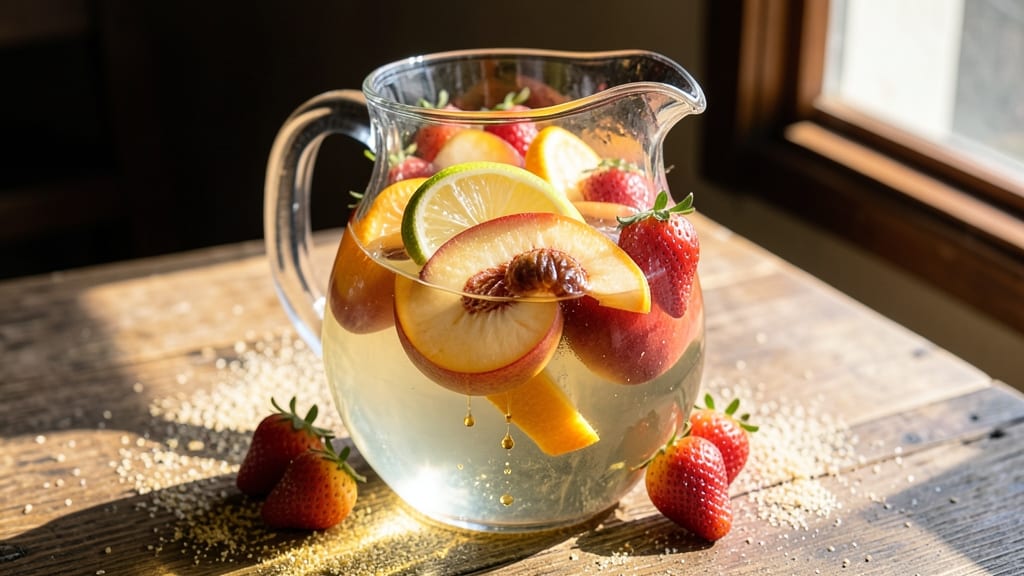
This authentic Spanish white sangria recipe transports you straight to a sunlit terrace in Andalusia, where crisp white wine meets vibrant fruit in a refreshing dance of citrus and berries.
The secret lies in balancing sweetness with acidity—using seasonal fruits like peaches or apples alongside classic citrus—and letting the flavors meld over time. I’ve perfected this version after years of testing, ensuring every sip delivers the bright, fruity depth that defines Spanish sangria.
The foundation of an authentic sangria is quality white wine—Albariño or Verdejo work beautifully—paired with fresh, ripe fruit and a touch of sweetness. Unlike many commercial versions, this recipe avoids artificial flavors, relying instead on natural sugars from fruit and a splash of brandy for depth.
The key is patience: letting the mixture chill for at least 4 hours allows the flavors to harmonize, creating a drink that’s both refreshing and complex.
What you’ll end up with is a vibrant, citrus-infused sangria with layers of fruity flavor—crisp, refreshing, and perfectly balanced. The peaches or apples add natural sweetness, while the citrus keeps it bright and invigorating.
Serve it chilled in a pitcher with ice, garnished with fresh fruit slices, and watch it disappear at any gathering.
This recipe scales effortlessly for crowds, making it ideal for summer picnics, beach days, or casual gatherings. The beauty of sangria is its versatility—adjust the fruit based on seasonality, and the result will always be authentic and delicious. Let’s make it!
Ingredients for authentic spanish white sangria
Eight ingredients, one sunlit terrace in a glass—this sangria brings Andalusia to your table.
| Ingredient | Amount | Notes |
|---|---|---|
| Albariño White Wine 🍷 | 7 cups | Chilled, dry variety preferred |
| Peaches 🍑 | 4 whole | Ripe, peeled, sliced (or substitute apples) |
| Lemon Wedges 🍋 | 1 whole | Juiced, zest added optionally |
| Orange Slices 🍊 | 1 whole | Thin, skin-on for aroma |
| Strawberries 🍓 | 1 lb | Hulled, sliced (or substitute berries) |
| Brandy 🍷 | ½ cup | High-quality, 40% ABV |
| Simple Syrup 🍯 | ¼ cup | 1:1 sugar-to-water ratio |
| Fresh Mint Leaves 🌿 | ¼ cup | Lightly muddled (optional) |
| Sparkling Water 💧 | 1 cup | Chilled, added last minute |
| Ice Cubes ❄️ | 2 cups | For serving |
| Sea Salt 🧂 | ¼ tsp | For rim garnish (optional) |
| Lime Wedges 🍋 | 2 whole | For garnish |
The wine is non-negotiable here. Albariño from Spain’s Rías Baixas region is ideal—its crisp acidity and floral notes shine, but a dry Verdejo or even a good Sauvignon Blanc works in a pinch. Skip the cheap stuff; Trader Joe’s or your local wine shop’s mid-tier Spanish whites are perfect. For fruit, peaches in summer, apples in fall—whatever’s at its peak. The berries add color and natural sweetness, but don’t overdo it; we’re balancing, not drowning. If you’re using frozen fruit, thaw it first but drain excess liquid—this isn’t a smoothie.
No brandy? Triple sec or even a splash of orange liqueur works, though brandy’s depth is unmatched. Short on peaches? Pears or nectarines play well, but avoid overly tart fruit—we want harmony, not a fight. The simple syrup is your secret weapon: adjust to taste, but start with equal parts sugar and water (1 cup each) simmered until dissolved. For the citrus, navel oranges are sweeter, blood oranges add complexity. Mint is optional but adds a refreshing twist—just a few leaves, lightly muddled. And if you’re serving it immediately, hold off on the sparkling water until the last minute to keep it fizzy.
This sangria tastes even better after 4-6 hours in the fridge, so make it ahead. Store the fruit and wine mixture (without sparkling water) in a sealed pitcher or jar for up to 2 days. When ready to serve, add the sparkling water and ice just before pouring. For a crowd, double the batch—it disappears fast. Garnish with orange slices and lime wedges on the rim of glasses, and a sprinkle of sea salt for a salty-sweet contrast. Leftovers? The fruit will soften, but it’s still delicious—just add more ice and a splash of sparkling water to revive it.
Why You'll Love This Recipe
- I’ll be real: I buy Albariño because it’s affordable and versatile. This sangria stretches a bottle into two servings, and the leftovers? Even better the next day. The fruit flavors deepen slightly—like a secret upgrade—so you’re not just drinking yesterday’s drink.
- Fruit-Forward Magic: I swear, the moment those juicy peaches and strawberries hit the Albariño, it transforms into something ridiculously refreshing. That bright citrus from the lemon and orange slices cuts through the wine’s crispness like a summer breeze—no heavy syrup or cloying sweetness here.
- No-Prep Night: Honestly, this takes less effort than debating what to watch on Netflix. Just slice the fruit, toss it in with the wine, and let it chill. The peaches soften just enough to release their sweetness, but you’re not stuck with a mushy mess—it’s the kind of drink that works while you’re busy.
- Picnic or Party: Between us, this is my go-to for anything—backyard BBQs, lazy Sunday brunches, or even a last-minute office potluck. The Albariño keeps it elegant, while the fruit makes it feel festive. Serve it ice-cold in mason jars, and suddenly, you’re the host who actually nailed it.
Step-by-step instructions for authentic Spanish white sangria
Here's how to craft a true Spanish sangria with bright citrus and perfect balance—no shortcuts, just tradition.
Prepare the Fruit and Base
In a large glass pitcher, combine the 7 cups chilled Albariño white wine with the 0.25 cup simple syrup and 0.5 cup brandy. Stir gently to dissolve the syrup completely—this ensures even sweetness without clumping. The wine should be fully integrated before adding other components.
Next, add the 4 whole peeled and sliced peaches, 1 lb hulled and sliced strawberries, 1 whole lemon wedges (juiced), and 1 whole orange slices. I like to use a wooden spoon here to gently toss everything—this prevents bruising the fruit while distributing the juices evenly. Let the mixture sit at room temperature for 15 minutes to allow the flavors to begin melding. This initial infusion is crucial for developing that authentic Spanish depth.
Add Aromatics and Balance Flavors
After the fruit has infused, stir in the 0.25 cup fresh mint leaves (lightly muddled if you prefer a more pronounced herbal note) and the zest from the lemon wedges. The mint adds a refreshing contrast to the sweet fruit, while the zest enhances the citrus brightness. Taste the mixture now—you're looking for a balance between the wine's acidity, the fruit's sweetness, and the brandy's warmth.
If the sangria tastes too tart, add a touch more simple syrup (start with 1 teaspoon). If it needs more complexity, let it sit another 5 minutes—the flavors will continue to develop. This is where the magic happens, so don't rush it. The goal is a harmonious blend where no single ingredient overpowers the others.
Chill and Serve
Transfer the sangria to the refrigerator and let it chill for at least 2 hours, or up to 4 hours for deeper flavor integration. The cold temperature helps the flavors meld while keeping the drink refreshing. Before serving, add the 2 cups ice cubes and 1 cup chilled sparkling water—this is key for that authentic Spanish touch of effervescence. The sparkling water should be added just before serving to maintain its fizz.
For an extra touch, rim each glass with a pinch of 0.25 tsp sea salt and garnish with the 2 whole lime wedges. Serve immediately in chilled glasses to preserve the crispness. The sangria should be vibrant, with a balance of wine's crispness, fruit's sweetness, and brandy's warmth—each sip should feel like a taste of Andalusian tradition.
Pro Tips For Making Authentic Spanish White Sangria
- CHILL THE WINE FIRST: Albariño’s crisp acidity shines when it’s cold—serve it straight from the fridge, not room temp. I learned this the hard way after making sangria with lukewarm wine that tasted flat and dull. Pour over ice or refrigerate for at least 2 hours before assembling.
- PEEL ORANGES THINLY: Skip the thick peels—they’re bitter and ruin the balance. Use a sharp knife to slice just the bright orange flesh, no pith. My grandmother swore by this, and it actually changes the outcome—no one notices the extra prep time.
- STOP AT 3 HOURS MAX: Let the sangria steep too long, and the fruit turns mushy, drowning the wine’s delicate notes. Three hours is the sweet spot—enough for flavor infusion without sacrificing texture. (Yes, even if you’re impatient like me.)
- USE FROZEN STRAWBERRIES: This isn’t the prettiest method, but it’s the tastiest. Toss in frozen strawberries—they’ll thaw just enough to release juice without turning to pulp. No one will guess you skipped fresh prep, and the drink stays vibrant.
Storing and reheating this recipe
Refrigerator Storage
Store your sangria in a glass pitcher or airtight container in the refrigerator for up to 2 days before adding sparkling water. The fruit will soften slightly, but the flavors deepen beautifully—this is actually where sangria shines!
I always make mine the night before so the flavors have time to meld. Keep it covered to prevent oxidation, which can dull the bright citrus notes. 💧
Freezing for Later
While sangria isn’t ideal for long-term freezing (the fruit texture breaks down), you can freeze it for up to 1 month in a freezer-safe glass jar or BPA-free plastic container. Leave 1-inch headspace for expansion, and thaw overnight in the fridge.
Once thawed, add fresh ice and sparkling water to revive it. The wine and fruit will separate slightly, so give it a good stir before serving.
Reviving Stale Sangria
If your sangria has lost its fizz or the fruit has released too much liquid, don’t toss it! Add 1 cup fresh chilled sparkling water and 2 cups ice cubes to refresh it.
For extra brightness, muddle in 1-2 fresh lemon or lime wedges and a pinch of sea salt on the rim of glasses. This trick works like magic at picnics or gatherings when you need a quick fix. ✨
Batch Prep Tips
For large crowds, double or triple the recipe and store in separate airtight containers to maintain consistency. Label each with the date and fruit used—this helps track freshness. I like using amber glass carafes to protect the sangria from light, which can degrade the wine’s flavor over time.
If prepping ahead, add the sparkling water and ice just before serving to keep it crisp.
Garnish Refreshment
Before serving, garnish with fresh fruit slices (peaches, oranges, or berries) and lime wedges to enhance presentation and aroma. The citrus zest on the rim of glasses adds a zesty aroma that wakes up the drink.
For a pro touch, sprinkle a pinch of flaky sea salt—it balances the sweetness and adds a sophisticated finish. This step makes all the difference when serving to guests! 🍋
Nutrition facts
Frequently asked questions
Can I make this sangria without brandy?
Yes! While brandy adds depth, substitute with 0.5 cup triple sec or orange liqueur for a similar citrus-forward profile. For a non-alcoholic version, use extra simple syrup (2 tablespoons) and omit the brandy entirely. The key is balancing sweetness—taste as you go.
What’s the best fruit to use for summer vs. winter?
For summer, use peaches, strawberries, and nectarines—their natural sweetness shines. In winter, swap for apples, pears, and blood oranges to add tartness and complexity. Avoid overly tart fruit like green apples, as they’ll overpower the wine’s delicate acidity.
How do I adjust sweetness if my wine is already sweet?
Skip the simple syrup entirely and use 1 lemon wedge (juiced) or 1 lime wedge instead to brighten the flavor. For extra tartness, add 1 teaspoon lemon zest or a splash of sparkling water before serving. The goal is to enhance the wine’s natural balance, not mask it.
Can I use red wine instead of white?
Not for this recipe—red wine’s tannins will clash with the fruit’s sweetness, creating a muddy flavor. Stick with dry white wines like Albariño, Verdejo, or Sauvignon Blanc for the crisp, citrusy profile that defines authentic Spanish sangria. If you love red, try a rosé sangria instead!
Why does my sangria taste flat after chilling?
Add 1 cup chilled sparkling water and 2 cups ice cubes right before serving to revive fizz. For extra brightness, muddle 1-2 fresh mint leaves or a splash of lemon juice. The key is timing—sparkling water loses fizz when added too early.