
Side Dishes
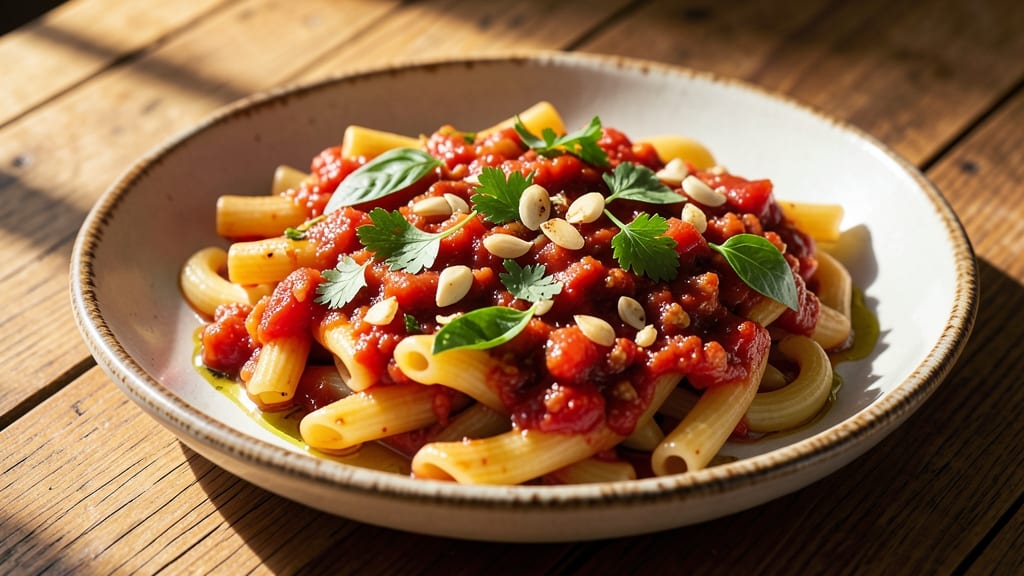
This baked bucatini recipe transforms simple pasta into a restaurant-worthy dish with crispy tomato magic that elevates every bite. The secret lies in combining al dente bucatini with a vibrant tomato sauce, fresh herbs, and melted cheese—all baked until golden and bubbling.
I developed this method after years of perfecting the balance between tender pasta and perfectly crispy edges, ensuring each forkful delivers both texture and flavor.
The beauty of this recipe is its simplicity: just a handful of ingredients come together in one baking dish. You'll start with high-quality bucatini cooked to al dente perfection, then layer it with a rich tomato sauce, garlic, herbs, and a generous sprinkle of cheese.
The magic happens in the oven, where everything transforms into a golden, crispy masterpiece with minimal effort. This dish is ideal for weeknight dinners or special occasions—it’s versatile enough to pair with grilled meats, roasted vegetables, or even as a standalone meal.
What you'll end up with is a dish that's crispy on top, tender inside, and bursting with flavor—each bite offering a perfect harmony of textures and tastes. The tomato sauce caramelizes slightly, creating a sweet, tangy contrast to the creamy cheese and fresh herbs.
This recipe is foolproof, with precise steps to ensure success every time, and it delivers restaurant-quality results without the fuss. Ready to impress your guests or treat yourself to a gourmet meal in under an hour?
Whether you're serving it as a side or a main dish, this baked bucatini will become a staple in your recipe rotation. The best part? It reheats beautifully, making it perfect for meal prep or leftovers.
Let’s get started on creating this showstopping dish that’s sure to be a hit at your table.
Ingredients for baked bucatini
High-quality pasta, vibrant tomatoes, and fresh herbs—this is your golden ticket to crispy perfection.
| Ingredient | Amount | Notes |
|---|---|---|
| Bucatini Pasta 🍝 | 12 oz | High-quality, al dente preferred |
| San Marzano Crushed Tomatoes 🍅 | 28 oz | High-quality canned tomatoes |
| Extra-Virgin Olive Oil 🫒 | ½ cup | High quality, fruity |
| Garlic Cloves 🧄 | 4 cloves | Fresh, minced |
| Fresh Basil Leaves 🌿 | ½ cup | Packed, chopped |
| Fresh Parsley Leaves 🌿 | ¼ cup | Chopped, for garnish |
| Parmesan Cheese 🧀 | 1 cup | Freshly grated from block |
| Mozzarella Cheese 🧀 | 1 cup | Fresh, shredded |
| Salt 🧂 | 1 ½ tsp | Kosher or sea salt |
| Black Pepper 🌶️ | ½ tsp | Freshly ground preferred |
| Red Pepper Flakes 🌶️ | ½ tsp | Adjust for heat preference |
| Butter 🧈 | 2 tbsp | Unsalted, melted |
The San Marzano tomatoes are absolutely essential—their sweetness and acidity make all the difference. Grab a 28 oz can from Trader Joe's or Whole Foods for the best flavor. Fresh basil and parsley should be bright green, not wilted—farmers markets have the freshest stash. The Parmesan needs to be freshly grated from a wedge; pre-grated tastes like sawdust. For the pasta, De Cecco or Barilla are my go-tos—they hold up perfectly to baking. If you can't find bucatini, rigatoni or penne work in a pinch, but bucatini's thick strands are ideal for that crispy texture we're after.
No San Marzano tomatoes? Crushed tomatoes from a high-quality brand like Muir Glen will work—just taste first and add a pinch of sugar if needed. Fresh herbs missing? Dried basil or oregano at half the amount is a decent swap, though fresh is always better. Short on mozzarella? Fontina or provolone melt just as beautifully. The butter is non-negotiable for that rich, crispy top—full-fat, unsalted is a must. Want extra flavor? Add a splash of white wine or pasta water to your sauce before baking. And if you're feeling fancy, a sprinkle of pecorino Romano on top adds a tangy kick.
This dish reheats like a dream—even better the next day as flavors meld. Store leftovers in an airtight container for up to 3 days in the fridge. For meal prep, bake extra portions and freeze them—3 months is the max. To reheat, cover with foil and warm in the oven at 375°F until bubbly. The crispy top? Worth every minute of baking time. And if you're serving with grilled meats or roasted veggies, double the recipe—it disappears fast.
Why You'll Love This Recipe
- No-Fuss Weeknight Win: I swear by this when I’m too tired to stand for long. Toss the bucatini with tomatoes, garlic, and olive oil—no boiling, no fuss—just bake until golden. The sauce clings perfectly to those ridges, and cleanup is a joke.
- Garlic-Basil Magic: That first bite? The crushed tomatoes caramelize into something rich, while the garlic and basil sing together. Honestly, the fresh basil at the end turns it from good to oh-my-god good—like a sun-drenched Italian terrace in pasta form.
- Meal Prep MVP: Between us, this is my go-to for lunches all week. The flavors only deepen overnight, and it reheats like a dream. Pack it in jars or containers—no soggy pasta here, just hearty, satisfying bites every time.
- Budget-Friendly Feast: San Marzano tomatoes and good olive oil might sound fancy, but they stretch so far. A single jar of tomatoes and a handful of basil feed four for under $10. (Yes, even on a Tuesday night.) Plus, leftovers taste just as good the next day.
Step-by-step instructions for al dente baked bucatini
Here's how to transform simple ingredients into a restaurant-worthy baked bucatini dish with that perfect crispy tomato magic.
Cook the Bucatini to Al Dente Perfection
Bring a large pot of water to a rolling boil and add the 12 oz bucatini pasta. I like to use about 4 quarts of water for this amount—it should taste like the ocean when you dip in a noodle. Cook the pasta for 1 minute less than the package instructions, typically 10-11 minutes, until it's still slightly firm when you bite into it. This ensures it finishes cooking beautifully in the oven while developing that crispy exterior.
Before draining, reserve 1½ cups of that starchy pasta water—this golden liquid is liquid gold for creating a silky sauce. Drain the pasta but don't rinse it; those surface starches are what help the sauce cling to every strand. Toss the drained pasta with 2 tablespoons melted butter immediately to prevent sticking and add a velvety richness that carries all those amazing tomato flavors.
Build the Crispy Tomato Sauce Base
Preheat your oven to 400°F while you prepare the sauce. In a large oven-safe skillet (I use a 12-inch cast iron), heat the ½ cup extra-virgin olive oil over medium heat. Add the 4 minced garlic cloves and sauté for just 30 seconds until fragrant—don't let them brown or they'll turn bitter. This is where all the magic starts.
Pour in the 28 oz San Marzano crushed tomatoes, stirring to combine with the garlic and oil. Add the 1.5 teaspoons salt, ½ teaspoon black pepper, and ½ teaspoon red pepper flakes, then bring to a gentle simmer. Let it cook uncovered for 10 minutes, stirring occasionally, until the sauce thickens slightly and the raw tomato taste mellows into something rich and inviting. This reduction is key to developing that concentrated tomato flavor that becomes so crispy when baked.
Layer and Assemble for Maximum Crispiness
Remove the skillet from heat and stir in the ½ cup chopped fresh basil leaves, ½ cup freshly grated Parmesan cheese, and 1 cup shredded mozzarella cheese. The basil adds that fresh, bright note that cuts through the richness, while the cheeses will melt into a luscious blanket when baked. Give it one final taste and adjust seasoning if needed—this is your chance to make it perfect.
Spread half of the cooked bucatini evenly into the skillet, creating a single layer. Sprinkle with ¼ cup of the remaining Parmesan and ¼ cup of the mozzarella, then repeat with the remaining pasta and cheeses. The goal is to create even layers where every bite gets that crispy tomato crust we're after. Press down gently with a spatula to help the noodles settle and make contact with the sauce.
Bake to Crispy Perfection
Transfer the skillet to your preheated 400°F oven and bake uncovered for 20-25 minutes. Here's where the real magic happens—the top layer will develop a beautiful golden-brown crust while the bottom gets nicely toasted. You'll know it's ready when the edges are deep golden brown and the top looks slightly puffed and crispy.
For the final touch, broil for 1-2 minutes on high to intensify the browning. Watch it closely—you want that crispy texture, not burnt spots. Remove from the oven and let it rest for 5 minutes before serving. This resting period lets the cheeses set slightly and the flavors meld together. Garnish with the ¼ cup chopped fresh parsley leaves just before serving to add that pop of fresh green color and bright flavor.
Serve with Confidence
Use a spatula to loosen the edges and flip the entire skillet onto a serving platter if desired—this makes for an impressive presentation. The crispy tomato crust should crack slightly as you serve, revealing the creamy cheese underneath. Each forkful should deliver that perfect balance of crispy, cheesy, and al dente pasta with rich tomato flavor.
Serve immediately while the crust is still crispy. If you need to reheat leftovers, cover with foil and warm in a 350°F oven for 10-15 minutes—the crust won't be quite as crispy, but the flavors will still be amazing. This dish tastes even better the next day as the flavors continue to develop, so make extra if you can!
Pro Tips For Making Baked Bucatini
- Drain, Not Rinse: Bucatini clings to sauce like a jealous ex—rinse it, and you’ll ruin that grip. Drain al dente, toss immediately with a splash of pasta water (about ¼ cup), then mix with your tomato sauce. That starchy water is the glue holding your dish together.
- Sear Garlic Low: I used to burn garlic faster than I could say "amateur." For baked bucatini, crush 3 cloves lightly—just enough to bruise—and cook them in olive oil on medium-low heat until golden, not brown. Overcooking turns them bitter, and you’ll taste it in every bite.
- Crush Tomatoes Roughly: San Marzano is sweet and smooth, but resist the urge to purée it. Use your fingers or a fork to break up the tomatoes into chunky bits—some seeds, some pulp—so the sauce has texture and body. It’s the difference between a sauce and a glaze.
- Bake Covered First: Start your bucatini under foil for the first 15 minutes. The pasta needs to absorb the sauce evenly without drying out, and the foil traps steam to melt the cheese (if you’re adding any) and soften the tomatoes. Uncover only for the last 5 minutes to get that golden crust.
Troubleshooting perfect results
Pasta Too Soft
If your bucatini ends up mushy after baking, it likely overcooked during the stovetop phase. Always cook pasta 1 minute less than package instructions—bucatini should have a firm bite when raw. For extra insurance, test a piece by biting into it mid-cook.
If you're unsure, reduce cook time by 30 seconds and check frequently. The oven will finish cooking it perfectly while creating that crispy crust. 💡
Sauce Too Watery
A runny sauce usually means insufficient reduction time. Always simmer your San Marzano tomatoes for the full 10 minutes before adding cheese. If it's still too thin, remove from heat and stir in 1-2 tablespoons of reserved pasta water (the starchy liquid helps thicken).
For next time, simmer uncovered on low heat for an extra 5 minutes to concentrate flavors. The sauce should coat the back of a spoon but still be pourable.
Cheese Not Melting
Uneven cheese melting often happens when the oven isn't hot enough or the dish isn't assembled properly. First, ensure your oven reaches 400°F before baking—use an oven thermometer to confirm accuracy. Second, press down firmly on the pasta layers to eliminate air pockets.
For extra insurance, sprinkle ¼ cup grated Parmesan directly on top before baking—its lower melting point helps initiate the process. If cheese still resists, broil for 1 minute at the end to melt stubborn patches.
Top Not Crispy
The golden crust depends on proper layering and baking technique. First, create an even top layer by spreading ¼ cup mozzarella in a thin, even layer. Second, bake uncovered for the full 20-25 minutes—covering prevents browning.
For extra crispiness, broil for 1-2 minutes at the end, watching closely to avoid burning. If your oven runs hot, reduce to 375°F and bake 5 minutes longer. A 12-inch cast iron skillet distributes heat perfectly for this technique.
Sauce Too Acidic
San Marzano tomatoes are naturally sweet, but if your sauce tastes overly tart, it likely needs balancing. Stir in ½ teaspoon sugar or 1 teaspoon honey during the 10-minute simmer to mellow acidity. For a savory fix, add ½ teaspoon balsamic vinegar or a pinch of salt to enhance umami.
If using non-San Marzano tomatoes, simmer 5 minutes longer to reduce excess acid. Taste frequently—small adjustments make all the difference in flavor harmony.
Pasta Sticking Together
Over-tossing cooked pasta or insufficient butter causes clumping. Immediately after draining, toss pasta with 2 tablespoons melted butter while still hot—this creates a protective barrier. For baking, spread pasta in a single even layer in your skillet, leaving ½-inch gaps between strands.
If using a deep dish, bake in two batches for even cooking. The butter also prevents the sauce from turning gluey, ensuring each strand stays distinct and crispy. 🍝
Nutrition facts
Frequently asked questions
Can I use regular penne instead of bucatini?
Yes, but the texture will differ slightly. Penne's ridges hold sauce better, while bucatini's thick strands create that signature crispy crust. For best results, use rigatoni or fettuccine—their wider surfaces crisp up beautifully. If using penne, reduce baking time by 2-3 minutes to prevent over-browning.
How do I make this vegetarian?
This recipe is already vegetarian! Just ensure your Parmesan and mozzarella are dairy-based (not whey-based). For extra protein, stir in ½ cup white beans with the tomatoes or top with crispy chickpeas before baking. The dish stays rich and satisfying without meat.
Can I make this ahead of time?
Assemble the dish up to 24 hours ahead and refrigerate uncovered. When ready to bake, add 5-7 minutes to the baking time at 400°F. For best texture, reheat in a 350°F oven for 10 minutes—the crust won't be as crispy but flavors deepen overnight.
What's the secret to the crispy top?
The magic happens with three key steps:
- Use ½ cup mozzarella on top—its moisture content creates steam for browning.
- Bake uncovered for the full 20-25 minutes—covering traps steam and prevents crisping.
- Finish with 1-2 minutes under the broiler for maximum caramelization. A 12-inch cast iron skillet conducts heat perfectly for this effect.
Can I add meat to this?
Yes! Brown ½ lb Italian sausage or diced pancetta with the garlic, then proceed with the recipe. For chicken, use ½ lb shredded rotisserie chicken mixed into the sauce. Just reduce baking time by 2-3 minutes—meat releases moisture that can make the top soggy.