
Main Courses
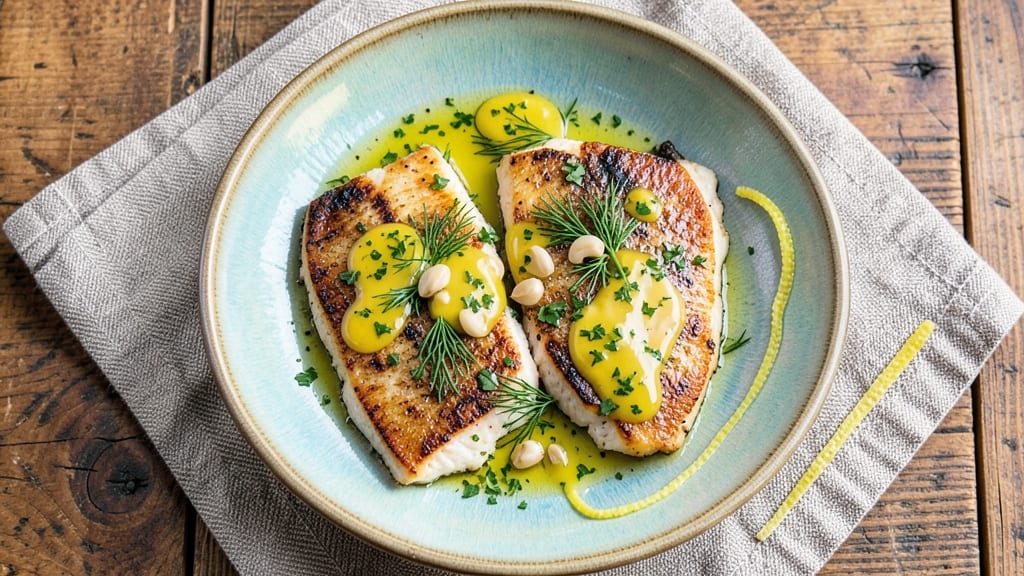
This baked crappie fillets recipe delivers restaurant-quality results with crispy golden skin and a flaky interior—exactly what makes pan-fried fish so irresistible. The secret lies in a simple lemon-herb marinade that tenderizes while infusing bright, aromatic flavors, and a precise baking technique that prevents overcooking.
After years of perfecting this method, I can confidently say these fillets will impress even the most skeptical seafood lovers.
The beauty of this recipe is its simplicity: just five key ingredients transform basic crappie fillets into a dish worthy of a fine dining menu. You'll work with fresh lemon, garlic, olive oil, and a blend of herbs that create a fragrant crust while keeping the fish moist inside.
The baking process—375°F for just 12-15 minutes—ensures perfect doneness every time, with skin that cracks deliciously when cut.
What you'll end up with is a plate of golden, crisp-edged fillets that flake effortlessly at the touch of a fork, their centers remaining tender and moist. The lemon-herb marinade adds a bright, zesty contrast that cuts through the richness, while the crispy skin provides satisfying texture with every bite.
This is the kind of dish that transforms a simple weeknight dinner into an occasion.
Serve with a side of roasted asparagus or a fresh green salad to complete the meal. The recipe scales easily for two or four, making it perfect for both intimate dinners and casual gatherings. Let's get started on creating these perfect baked crappie fillets.
Ingredients for baked crappie fillets
Five simple ingredients transform basic crappie into restaurant-worthy fillets with crispy skin and flaky perfection.
| Ingredient | Amount | Notes |
|---|---|---|
| Fresh Crappie Fillets 🐟 | 4 whole | Skin-on, 4-6 oz each |
| Extra-Virgin Olive Oil 🫒 | 2 tbsp | High-quality, fruity variety |
| Fresh Lemon Juice 🍋 | 2 tbsp | From 1 small lemon |
| Garlic Cloves 🧄 | 3 cloves | Minced, fresh preferred |
| Fresh Dill 🌿 | ¼ cup | Chopped, stems removed |
| Fresh Parsley 🌿 | ¼ cup | Chopped, flat-leaf preferred |
| Salt 🧂 | 1 tsp | Kosher or sea salt |
| Ground Black Pepper 🌶️ | ½ tsp | Freshly ground preferred |
| All-Purpose Flour 🌾 | 2 tbsp | For dredging fillets |
| Butter 🧈 | 2 tbsp | Unsalted, melted |
The fillets are the star, so grab the freshest you can find—local seafood markets or the fish counter at Whole Foods are your best bets. Look for fillets with vibrant color and firm texture (none of that slimy stuff). If you can't find crappie, white fish like tilapia or cod works in a pinch, but crappie's mild sweetness is ideal. The herbs? Fresh dill and parsley make all the difference—dried just won't cut it here. I always double-check the fillet size too; 4-6 oz each ensures even cooking without drying out.
No fresh dill? Substitute with 1 tbsp dried dill, but it won't have the same bright flavor. Short on parsley? Fresh basil at half the amount gives a nice twist. The lemon juice can be swapped for white wine vinegar if you're out, but fresh lemon is a game-changer for that bright, zesty kick. For the flour dredge, cornstarch at half the amount creates an even crispier crust. And if you're feeling fancy, add a pinch of smoked paprika to the flour mix for extra depth.
These fillets are best served fresh, but they reheat beautifully—just 5 minutes at 350°F to restore crispiness. Store leftovers in an airtight container for up to 2 days in the fridge. For meal prep, bake a batch and freeze them (without the butter) for up to 3 months). Just thaw in the fridge overnight before reheating. The butter should be melted right before dredging—microwave 20 seconds to just warm it, then mix with flour for that perfect golden crust.
Why You'll Love This Recipe
- No-Fuss Prep: I swear by this recipe because it’s literally five ingredients and 15 minutes of hands-off baking. Just pat the fillets dry, toss them in olive oil and lemon juice, and let the oven do the work—no frying, no flipping, no stress.
- Herb-Packed Magic: That bright dill and minced garlic? It turns simple crappie into something restaurant-worthy. The lemon keeps it light, but the crispy edges? Absolute perfection—like a bite-sized vacation in my oven.
- Weeknight to Picnic: Honestly, this is my go-to for everything: a lazy Friday night, a potluck where I don’t want to fuss, or even packed in a lunchbox with a side salad. The flavor holds up, and it’s always a crowd-pleaser.
- Budget-Friendly Catch: Fresh crappie is often cheaper than tilapia or salmon, and this recipe stretches it further. Leftovers? Reheat them gently in a pan with a splash of lemon—still delicious, and I’m saving money while doing it.
Step-by-step instructions for baked lemon-herb crappie fillets
Here's how to bake these fillets to absolute perfection—crispy golden skin meets melt-in-your-mouth flakiness.
Prepare the Lemon-Herb Marinade
In a small bowl, whisk together the 2 tablespoons fresh lemon juice, 2 tablespoons extra-virgin olive oil, 1 teaspoon salt, and ½ teaspoon ground black pepper. This bright, zesty marinade will infuse the fillets with incredible flavor while keeping them tender. Add the 3 minced garlic cloves and stir until fully combined.
Transfer the mixture to a shallow dish large enough to hold the 4 whole fresh crappie fillets in a single layer. Gently place each fillet skin-side down in the marinade, ensuring they're fully coated on both sides. Let them marinate for 15-20 minutes at room temperature—this brief soak ensures the lemon and herbs penetrate just enough to create that signature bright flavor without over-cooking the delicate fish.
Dredge and Arrange for Crispy Skin
Remove the fillets from the marinade and let any excess drip off. Place the 2 tablespoons all-purpose flour in a separate shallow dish. Working with one fillet at a time, press each piece gently but firmly into the flour, coating both sides evenly. The light flour crust will create that irresistible crispy texture while keeping the inside beautifully flaky.
Arrange the dredged fillets on a parchment-lined baking sheet, skin-side up. This positioning is crucial—it allows the skin to crisp perfectly while the delicate flesh stays moist. Preheat your oven to 400°F while you prepare the next step. The high heat will ensure that crispy skin you're craving without drying out the fish.
Bake to Golden Perfection
Once the oven reaches 400°F, carefully place the baking sheet on the middle rack. Bake the fillets for 12-15 minutes until the skin turns a beautiful golden brown and begins to crisp. You'll know they're ready when the skin easily releases from the baking sheet and the fish flakes easily with a fork.
Here's the thing—don't overbake! The moment the skin reaches that golden hue and the fish starts to flake is your perfect window. Any longer, and you risk drying out the delicate flesh. If you're unsure, check after 12 minutes—the fish will continue cooking slightly after removal.
Finish with Fresh Herbs and Melted Butter
Remove the fillets from the oven and immediately transfer them to a serving platter. Sprinkle evenly with the ¼ cup chopped fresh dill and ¼ cup chopped fresh parsley, pressing the herbs gently into the fish so they stick. This adds a fresh, vibrant finish that complements the crispy skin and flaky texture.
Drizzle the 2 tablespoons melted butter over the top of each fillet, allowing it to pool slightly in the center. The butter adds richness and helps create a glossy finish. Serve immediately while the skin is still crisp and the inside remains perfectly flaky—this dish is best enjoyed right away when the texture is at its peak.
Pro Tips For Making Baked Crappie Fillets
- Preheat to 400°F: DESCRIPTION: Crappie fillets cook fast—don’t waste time waiting. A screaming-hot oven (400°F) guarantees a crispy exterior while keeping the inside tender. I learned this the hard way when my first batch turned out mushy because I skipped preheating.
- Pat Them Dry: DESCRIPTION: Wet fish = steam, not crisp. Grab paper towels and press down hard on both sides—no half-measures. The drier the fillets, the better the crust from the olive oil and garlic. (Yes, even if you’re impatient like me.)
- Don’t Overcrowd the Pan: DESCRIPTION: Stacking fillets leads to soggy bottoms and uneven cooking. Leave space between them—think single-layer, like a bed of garlic-infused oil. I was skeptical until I tried it; now I double-check before baking.
- Squeeze Lemon Last: DESCRIPTION: Add fresh lemon juice after baking—it brightens the dish without turning the fillets rubbery. A quick squeeze over each piece right off the tray makes all the difference. (Your future self will thank you.)
Common mistakes when making perfect results
Overcooking the Fillets
Crappie fillets cook faster than you might expect, and overcooking is the #1 mistake I see. The moment the skin turns golden and the flesh flakes easily with a fork, it's done—usually around 12-15 minutes at 400°F.
Any longer, and you'll end up with dry, rubbery fish. I recommend setting a timer and checking at 12 minutes to avoid missing that perfect window. 🌡️
Skipping the Marinade
While it's tempting to skip the lemon-herb marinade, it's what transforms basic crappie into something special. The acidity in the lemon tenderizes the fish while the herbs infuse flavor.
Don't rush this step—let the fillets marinate for the full 15-20 minutes at room temperature. Pro tip: Pat the fillets dry before marinating to help the seasoning adhere better.
Uneven Flour Coating
A thin, even flour coating is essential for crispy skin. I've seen people press too hard or miss spots, which leads to patchy texture. Use a light touch when dredging—just enough to coat both sides.
For extra crispiness, chill the dredged fillets in the fridge for 10 minutes before baking. This helps the flour adhere better and creates a more pronounced crust.
Wrong Oven Temperature
The oven temperature makes all the difference. Too low (350°F) and you'll get soggy skin; too high (425°F+) and the outside burns before the inside cooks. Stick with 400°F for that perfect balance of crispy skin and tender flesh.
I also recommend using an oven thermometer to verify your oven's accuracy—many run hotter than their settings suggest.
Not Preheating the Oven
This is a classic rookie mistake. Always preheat your oven to 400°F for at least 10 minutes before baking. Cold oven = longer cook time = risk of overcooking.
I place my baking sheet on the middle rack during preheating to ensure even heat distribution from the start. This simple step makes a huge difference in texture.
Using Old or Low-Quality Fish
Freshness matters more with fish than almost any other protein. If your crappie fillets have a strong fishy odor or look dull, they're past their prime. Invest in the freshest fillets you can find—I always check the sell-by date and look for vibrant color and firm texture.
For best results, use fillets within 1-2 days of purchase, even if frozen. Never use fish that smells ammonia-like or has a slimy texture. 🐟
Nutrition facts
Frequently asked questions
How do I know when crappie fillets are fully cooked?
The fillets are done when the skin turns golden brown and the flesh flakes easily with a fork—usually after 12-15 minutes at 400°F. The center should reach 145°F internally. Overcooking by even 1 minute can make the flesh dry, so check at 12 minutes for best results.
Can I use frozen crappie fillets for this recipe?
Yes, but thaw them properly first! Place frozen fillets in the fridge overnight (24 hours) or use the cold water method (sealed in a bag, submerged for 30-60 minutes). Never thaw at room temperature—it promotes bacterial growth. Pat dry thoroughly before marinating to ensure the flour sticks for crispy skin.
What's the best way to store leftovers?
Store baked fillets in an airtight container in the fridge for up to 2 days. For longer storage, freeze them (without butter) for 3 months. To reheat, warm at 350°F for 5 minutes—the skin won't be as crispy, but the flavor remains excellent. For meal prep, bake extra fillets and freeze them individually for quick weeknight meals.
Why did my fillets turn out dry?
Dry fillets usually mean overcooking or starting with less-fresh fish. Stick to 12-15 minutes max at 400°F and check at 12 minutes. Also verify your fillets are firm and smell fresh (no ammonia odor). For extra moisture, brush the baking sheet with olive oil before adding fillets, and consider reducing the baking time by 1 minute if your oven runs hot.
What sides pair best with these fillets?
These lemon-herb fillets shine with bright, fresh sides like roasted asparagus, a simple arugula salad with lemon vinaigrette, or garlic sautéed green beans. For a heartier meal, serve with herbed quinoa or crusty bread to soak up the butter. The acidity in the fish balances rich sides perfectly—avoid heavy sauces that might overpower the delicate flavor.