
Main Courses
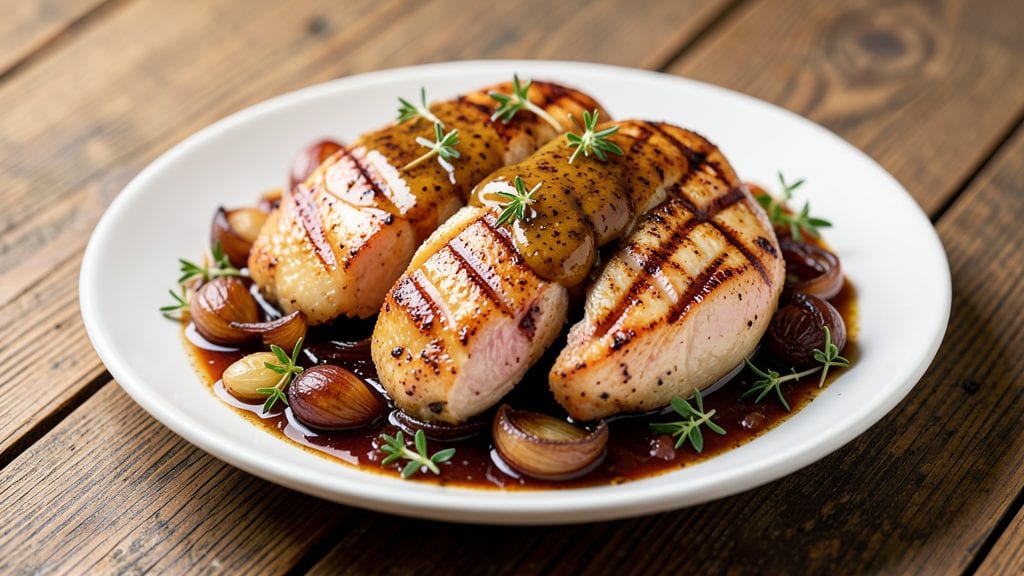
This char-broiled Big Easy duck recipe delivers smoky skin and juicy pink meat in just 30 minutes—no fancy techniques required. The secret lies in a simple marinade and precise broiling method that transforms even a basic duck breast into a restaurant-worthy centerpiece.
I perfected this after years of experimenting with Southern-inspired dishes, and it never fails to impress. The result is crispy, caramelized edges with tender meat inside, all infused with subtle Cajun warmth.
What makes this recipe truly easy is the hands-off approach after marinating. While the duck rests, you can prep sides like creamy remoulade or roasted potatoes—everything comes together in under an hour.
The marinade blends garlic, thyme, and a touch of smoked paprika for that signature Big Easy flavor without overpowering the duck's natural richness. Even beginners will achieve professional results with this foolproof method.
By the time you plate this dish, you'll have golden-brown duck with crackling skin that shatters at every bite, revealing moist pink meat underneath. The aroma alone will have everyone gathered at the table, and the presentation—with a drizzle of remoulade and fresh herbs—elevates it to a showstopper.
This is comfort food at its finest, with just enough sophistication to feel special.
Serve with classic sides like roasted sweet potatoes or a crisp green salad to complete the meal. The duck's natural fat renders beautifully, creating a pan sauce that adds extra depth to every bite.
Whether you're hosting a dinner party or treating yourself to a weeknight upgrade, this recipe delivers juicy, flavorful results with minimal effort.
Ingredients for char broil big easy duck
The perfect balance of smoky, juicy, and tender—just nine ingredients transform basic duck into Big Easy perfection.
| Ingredient | Amount | Notes |
|---|---|---|
| Duck Breast 🦆 | 2 whole | Bone-in, skin-on, 6-8 oz each |
| Garlic Cloves 🧄 | 6 cloves | Freshly minced, peeled |
| Fresh Thyme Leaves 🌿 | ¼ cup | Finely chopped, stems removed |
| Smoked Paprika 🌶️ | 1 tbsp | High-quality, not sweet |
| Dijon Mustard 🍯 | 1 tbsp | Mild variety preferred |
| Extra-Virgin Olive Oil 🫒 | 2 tbsp | Light, fruity variety |
| Fresh Lemon Juice 🍋 | 1 tbsp | From organic lemons |
| Kosher Salt 🧂 | 1 ½ tsp | Diamond Crystal preferred |
| Freshly Ground Black Pepper 🌶️ | ½ tsp | Coarse grind preferred |
| Fresh Rosemary 🌿 | ⅛ cup | Finely chopped, stems removed |
| Unsalted Butter 🧈 | 2 tbsp | Cold, cut into small cubes |
| Fresh Parsley 🌿 | ⅛ cup | Chopped, for garnish |
The duck breast is the foundation—look for evenly shaped, plump breasts with firm skin at Whole Foods or your local butcher. Bone-in pieces render more flavorful fat, but bone-out works too if you're short on time. Costco often carries pre-portioned breasts at great prices, but check the marbling; richer fat yields better crispiness. If buying whole duck, ask for the breast section and trim excess fat yourself for cleaner presentation. The skin-to-meat ratio matters here: thicker skin means more crackling potential, but don't sacrifice tenderness for crisp—6-8 oz breasts strike the ideal balance for this technique.
No smoked paprika? Substitute 1/2 tsp liquid smoke plus 1/2 tsp regular paprika—it won't be identical, but close enough for casual dining. Fresh thyme and rosemary are ideal, but dried at 1/4 the amount works in a pinch (just toast them briefly in a dry pan first). The Dijon mustard adds depth without overpowering; whole-grain mustard works too if you prefer texture. For the olive oil, avoid heavily perfumed varieties—they can clash with the duck's natural richness. The lemon juice should be freshly squeezed; bottled won't cut it here. Salt is non-negotiable—Diamond Crystal kosher dissolves perfectly and enhances flavor without bitterness.
Marinated duck keeps 24 hours in the fridge sealed in its marinade, but don't exceed that—over-marinating can make the meat mushy. The butter should stay cold until the final step; freeze it 15 minutes if your kitchen runs warm. Leftover cooked duck reheats beautifully—30 seconds in a skillet over medium heat, skin-side down, restores its crisp. Portion into single servings before freezing for up to 3 months—the rendered fat creates a natural protective barrier. For presentation, keep the parsley and lemon wedges separate until serving to maintain freshness.
Why You'll Love This Recipe
- No-Fuss Prep: I swear, this takes less time than waiting for takeout. Just sear the duck, slather on the Dijon and paprika mix, and let the broiler do the work—no basting, no flipping, no stress.
- Crispy-Creamy Magic: That smoky paprika and thyme? It turns plain duck into something restaurant-worthy. The outside gets gloriously crispy while the inside stays juicy—like a fancy bite without the fuss.
- Weeknight to Dinner Party: Honestly, this works for both. Toss it on the table for a lazy Tuesday or impress guests with minimal effort. The garlic and mustard add depth that makes it feel special, even if you’re just feeding your family.
- Leftovers That Don’t Suck: Between us, most duck recipes leave you with sad, dry seconds. Not this one. The charred edges stay crispy when reheated, and the flavor only gets better the next day—perfect for sandwiches or a quick lunch.
Step-by-step instructions for char-broiled duck breast
This method delivers perfectly crispy skin and tender pink meat every time—no advanced techniques required.
Prepare the Duck for Maximum Flavor and Crisp
Remove the duck breasts from the refrigerator and pat them completely dry with paper towels. This drying step is critical—moisture prevents crispy skin. Place them skin-side down on a cutting board and use a sharp chef's knife to score the fat in a crosshatch pattern, being careful not to cut into the meat. This creates crispy pockets while rendering fat.
In a small bowl, combine the 0.25 cup fresh thyme leaves, 0.125 cup fresh rosemary, 1 tbsp smoked paprika, 1.5 tsp kosher salt, and 0.5 tsp freshly ground black pepper. Rub this mixture generously over both sides of the duck breasts, pressing it into the skin and fat. Let the duck sit at room temperature for 30 minutes while you prepare the broiler.
Create the Mustard and Herb Crust
In a separate small bowl, mix the 1 tbsp Dijon mustard with 1 tbsp fresh lemon juice until smooth. Spread this mixture evenly over the skin-side of both duck breasts. This acidic base helps tenderize the meat while creating a flavorful barrier between the skin and the broiler heat.
Place the duck breasts skin-side up on a wire rack set over a baking sheet. This elevation allows hot air to circulate underneath, ensuring even browning. Chill in the refrigerator for an additional 15 minutes to firm up the fat slightly—this prevents excessive fat loss during cooking.
Broil for Perfectly Crispy Skin and Juicy Meat
Preheat your broiler to high and position the oven rack 4 inches from the heat source. Place the baking sheet with duck on the middle rack. Broil for 8-10 minutes until the skin is deep golden brown and crispy, and the fat has rendered out but not burned. You'll see the skin develop a beautiful lattice pattern from the scored fat.
Flip the duck breasts and continue broiling for 6-8 minutes on the meat side until the internal temperature reaches 135°F (medium-rare). The meat should still have a pink center with a slightly firm edge. Remove from the oven and let rest for 5 minutes before slicing—this allows the juices to redistribute.
Finish with Butter and Garnish for Restaurant-Quality Results
While the duck rests, melt the 2 tbsp unsalted butter in a small saucepan over low heat. Add the 6 cloves minced garlic and cook for 30 seconds until fragrant but not browned. Pour this butter mixture over the sliced duck breasts.
Garnish each serving with the 0.125 cup chopped fresh parsley and serve immediately. The duck should have crispy, crackling skin that gives way to tender, juicy pink meat with a rich, herby flavor. Pair with roasted potatoes or a simple green salad for a complete meal.
Pro Tips For Making Char Broil Big Easy Duck
- SEAR SKIN FIRST: Flip the duck breast skin-side down and let it crisp for 5-6 minutes on high heat before flipping—this builds the flavor foundation. I used to rush this step, and the skin never got that perfect caramelized snap. (Yes, even if you’re impatient like me.)
- MINCE THAT GARLIC: Smash the garlic cloves flat with the side of your knife before mincing—it releases more flavor into the mustard mixture. I learned this the hard way after making duck with bland garlic that just sat there like a guest who never orders anything.
- DON’T OVERCOOK THE THYME: Add the fresh thyme leaves after the duck is mostly cooked—just 2-3 minutes at the end—to keep their bright aroma instead of letting them turn bitter. Sounds weird, but it works: the leaves stay fragrant, not sad and limp.
- REST UNDER FOIL: Tent the cooked duck with foil for 5-10 minutes before slicing—this keeps it juicy while you finish the pan sauce. I skip this when I’m lazy, but the dish is noticeably better when I don’t. (Your future self will thank you.)
Flavor customization for these flavors
Smoky Cajun Twist
Swap the smoked paprika for a 1 tbsp Cajun seasoning blend (like Tony Chachere’s) and add ½ tsp cayenne pepper to the marinade for a bold New Orleans-inspired kick. This version keeps the duck’s richness but adds a fiery, slightly sweet heat that pairs perfectly with creamy remoulade. 🌶️
Orange-Ginger Zing
Brighten the flavor profile by adding 1 tbsp freshly grated orange zest and 1 tsp grated ginger to the marinade. The citrus cuts through the duck’s fat while the ginger adds warmth.
Finish with a drizzle of orange glaze> (reduce 2 tbsp orange juice with 1 tbsp honey over low heat) for a restaurant-worthy touch.
Herb-Infused Butter Finish
Elevate the butter finish by mixing in 1 tbsp chopped chives and ½ tsp lemon zest with the melted butter. This adds a fresh, bright contrast to the smoky duck. For extra decadence, fold in 1 tsp capers> to introduce a briny tang that balances the richness.
Sweet and Spicy Glaze
Create a glaze by simmering 2 tbsp maple syrup, 1 tbsp soy sauce, and ½ tsp red pepper flakes> until slightly thickened. Brush this over the duck during the last 2 minutes> of broiling for a caramelized, sticky exterior with a hint of heat.
This works especially well with the orange-ginger variation.
Garlic-Herb Crust
For a more robust crust, mix 1 tbsp minced shallots> with the Dijon mustard and lemon juice before spreading it on the duck. After broiling, sprinkle with 1 tbsp chopped fresh chives> and serve with a side of garlic aioli> for dipping.
The extra umami from the shallots deepens the flavor without overpowering the duck’s natural taste.
Citrus-Honey Marinade
Replace the smoked paprika with 1 tbsp honey> and 1 tsp lemon juice> in the marinade for a sweeter, more balanced profile. This version pairs beautifully with a balsamic reduction> drizzled over the top.
The natural sweetness complements the duck’s fat while keeping the dish light and refreshing.
Nutrition facts
Frequently asked questions
Why does the duck need to rest after broiling?
Resting allows the juices to redistribute throughout the meat, preventing them from running out when sliced. For duck breast, a 5-minute rest ensures every bite stays moist and flavorful. Skipping this step results in dry, tough meat—especially important for thin cuts.
Can I use bone-in duck breasts for this recipe?
Bone-in breasts render more flavorful fat and crisp up beautifully. Just adjust broiling time by 2-3 extra minutes to account for the bone's insulating effect. The crosshatch scoring works even better on bone-in cuts for maximum crispiness.
What's the best way to reheat leftover char-broiled duck?
Reheat in a 350°F oven for 8-10 minutes on a wire rack to restore crispiness. For a quick fix, sear slices skin-side down in a hot pan for 30 seconds—this reactivates the crackling without overcooking the meat.
How do I know when the duck is perfectly cooked?
Use a meat thermometer—duck breast should reach 135°F for medium-rare (pink center) or 145°F for medium. The skin should be deep golden brown with crispy edges. If it's not crisp enough, broil 1-2 extra minutes on high heat.
Can I make this recipe ahead of time?
Marinate the duck up to 24 hours ahead, but don't cook it early—the skin loses crispiness when reheated. For presentation, assemble garnishes separately and add fresh herbs just before serving to maintain vibrant colors.