Side Dishes
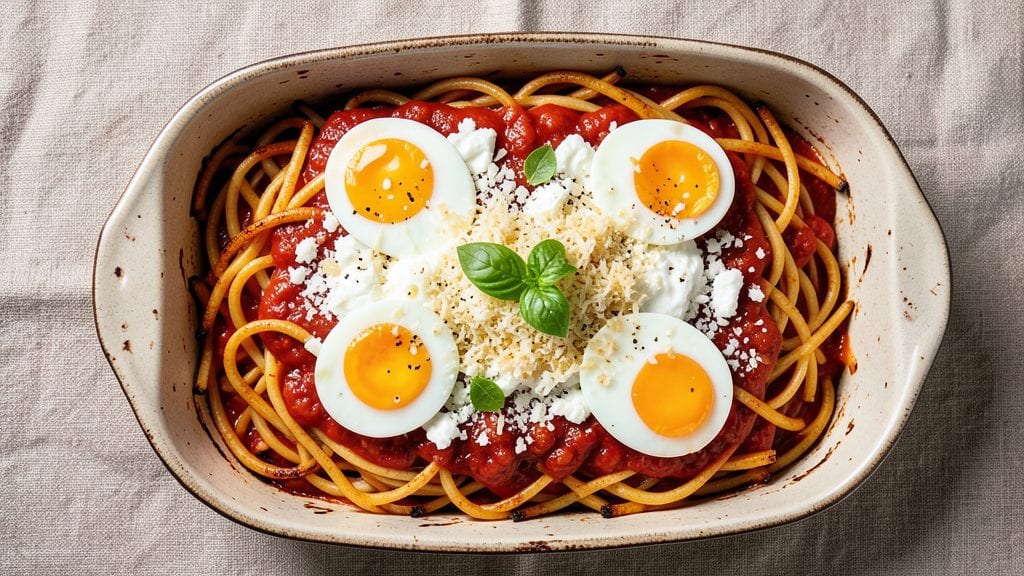
This baked spaghetti recipe transforms simple ingredients into a cheesy, pull-apart masterpiece that’s perfect for feeding a crowd. The secret lies in layering perfectly cooked noodles with rich marinara and melted cheese until every bite is gooey and satisfying.
I’ve perfected this one-pan dish over years of testing, ensuring it’s foolproof whether you’re hosting dinner or just craving comfort food.
The beauty of this recipe is its simplicity—no fancy techniques required. You’ll combine store-bought or homemade spaghetti with marinara sauce, ricotta or cottage cheese for creaminess, and a generous blanket of mozzarella. Baking at 375°F for 35–40 minutes creates that signature golden crust while keeping the center tender and cheesy.
The result? A dish so easy even beginners can master it, yet impressive enough for guests.
What you’ll end up with is a bubbling, golden casserole that’s impossible to resist—each forkful delivers layers of flavor and texture. The edges crisp slightly, while the center stays creamy and stretchy, with pockets of melted cheese in every bite.
This recipe is versatile too: add Italian sausage, mushrooms, or even vegan cheese for customization. Perfect for weeknight dinners or holiday gatherings.
Serve with a simple side salad or garlic bread to soak up every last bit of sauce. The best part? Leftovers reheat beautifully, making it ideal for meal prep. Let’s get started on this crowd-pleasing classic that’s sure to become a family favorite.
Ingredients for baked spagetti
Six simple ingredients create this cheesy, pull-apart spaghetti masterpiece—perfect for feeding a crowd with minimal effort.
| Ingredient | Amount | Notes |
|---|---|---|
| Spaghetti Noodles 🍝 | 1 ½ lbs | Uncooked, broken into 3-inch pieces |
| Marinara Sauce 🍅 | 2 ½ cups | Homemade or high-quality jarred |
| Ricotta Cheese 🧀 | 15 oz | Whole milk, not part-skim |
| Low-Moisture Mozzarella Cheese 🧀 | 2 cups | Shredded, block preferred |
| Parmesan Cheese 🧀 | ½ cup | Freshly grated, fine shreds |
| Large Eggs 🥚 | 2 whole | Room temperature for best binding |
| Garlic Cloves 🧄 | 4 cloves | Minced, fresh preferred |
| Extra-Virgin Olive Oil 🫒 | ¼ cup | For crisping noodles |
| Italian Seasoning 🌿 | 1 tbsp | Dried, for extra depth |
| Dried Oregano 🍃 | 1 tsp | Mexican oregano if available |
| Salt 🧂 | 1 ½ tsp | Diamond Crystal preferred |
| Black Pepper 🌶️ | ½ tsp | Freshly cracked |
| Fresh Basil Leaves 🌿 | ¼ cup | Chopped, for garnish |
The ricotta is your secret weapon here—it adds that signature creaminess that makes this dish so addictive. Whole milk ricotta stays rich and doesn't turn rubbery when baked, unlike part-skim. Trader Joe's and Whole Foods carry the best quality in tubs, but any tub works if it's fresh (no yellowing or off smells). For the mozzarella, block cheese is non-negotiable—pre-shredded gets gummy when melted. Shred it yourself right before baking. The spaghetti? Break it into 3-inch pieces before cooking so it bakes evenly. I always cook a few extra noodles—this dish disappears fast at parties.
No ricotta? Cottage cheese works in a pinch—just drain it well first to avoid wateriness. Short on marinara? Crushed tomatoes plus garlic and Italian seasoning gets you close. The basil is purely for garnish, but if you're out, dried basil at 1/4 the amount won't ruin the party. Want extra flavor? Add 1/2 cup of sautéed mushrooms or Italian sausage to the sauce layer. The eggs are crucial—they bind everything together so it holds its shape when pulling apart. Room temperature eggs mix in better, so take them out 15 minutes before assembling. Pro tip: Toast your Italian seasoning in a dry pan for 30 seconds to deepen the flavor.
This casserole tastes even better the next day—honestly, day-old reheated is my favorite. Store leftovers in an airtight container for up to 4 days, or freeze portions for 3 months. To reheat, cover with foil and bake at 350°F until bubbly. For meal prep, assemble the dish but skip baking—store it in the fridge, then bake straight from cold when ready. The crust forms faster from room temp. Garnish with fresh basil right before serving—it adds that restaurant-quality touch. Double the recipe if you're feeding a crowd—it's worth the extra effort.
Why You'll Love This Recipe
- One-Pan Magic: The moment I realized I could toss everything—pasta, sauce, cheeses—onto a single sheet pan and bake it? Life changed. No boiling over, no sticky pots, just golden, bubbly perfection with zero cleanup.
- Creamy-Garlicky Bliss: That ricotta swirled into the marinara? It’s what makes this dish ridiculously good. The low-moisture mozzarella melts into gooey pockets while the Parmesan on top adds that sharp, salty crunch—like a hug in sauce form.
- Lunchbox Hero: Between us, this is my go-to for packed lunches. The baked texture holds up for days, and the cheeses keep it from getting soggy. My kid still asks for it on Fridays, even after I’ve made it three times in a row.
- Budget Stretch: Honestly, this recipe costs me less than takeout for four. Spaghetti and canned marinara are dirt cheap, and ricotta stretches further than you’d think. I’ve fed a crowd for under $15—no complaints, just seconds.
Step-by-step instructions for baked spaghetti
This cheesy, pull-apart masterpiece comes together in one pan with minimal effort and maximum flavor.
Prep the Noodles and Cheese Mixture
Preheat your oven to 375°F. Break the 1.5 lbs spaghetti noodles into 3-inch pieces by hand—this prevents overcrowding later. Toss them with 0.25 cup extra-virgin olive oil in a large bowl until evenly coated, then spread them on a baking sheet to crisp slightly for 5-7 minutes.
In a separate bowl, combine the 15 oz ricotta cheese, 2 whole large eggs, 0.5 cup parmesan cheese, 1 tbsp italian seasoning, 1 tsp dried oregano, 1.5 tsp salt, and 0.5 tsp black pepper. Mix until smooth but slightly lumpy—this ensures a creamy texture without being soupy. The ricotta should be room temperature for best blending.
Layer and Assemble the Baked Spaghetti
Lightly grease a 9x13-inch baking dish with olive oil. Spread half of the crisped spaghetti pieces evenly across the bottom, then pour 1.25 cups marinara sauce over them. Sprinkle half of the mozzarella cheese on top, followed by half of the ricotta mixture. Repeat with another layer of spaghetti, remaining sauce, mozzarella, and ricotta.
Press down gently on the top layer to help the sauce and cheese meld together. The goal is a cohesive, pull-apart texture—not a dense casserole. For extra flavor, scatter the 4 minced garlic cloves evenly over the top layer before baking. This step ensures every bite has that aromatic garlic punch without overpowering the dish.
Bake Until Bubbly and Golden
Cover the baking dish tightly with aluminum foil and bake for 30 minutes. Remove the foil and bake for another 15-20 minutes until the top is golden brown and bubbling vigorously. The edges should be crispy, and the cheese should pull away slightly from the pan—this is your signal it's ready.
If the top browns too quickly, tent it loosely with foil for the last 5 minutes to prevent burning. The internal temperature should reach 160°F when checked in the thickest part. Let it rest for 10 minutes before serving—this allows the layers to set and makes slicing easier.
Garnish and Serve with Fresh Herbs
Before serving, sprinkle the 2 cups low-moisture mozzarella cheese evenly over the top and broil for 1-2 minutes until melted and bubbly. Remove from the oven and immediately top with the remaining 1.25 cups marinara sauce and 0.25 cup chopped fresh basil leaves.
Let it sit for 5 minutes to allow the basil to soften slightly and release its aroma. Serve directly from the pan with a spatula—this dish is all about that gooey, cheesy pull-apart magic. The basil adds a bright contrast to the rich, savory flavors, and the crispy edges make every bite irresistible.
Pro Tips For Making Baked Spagetti
- Preheat That Pan: I learned this the hard way—cold spaghetti in a cold pan means uneven cooking and a gummy mess. Heat your baking dish (or skillet) for 5 minutes at 375°F before adding anything. The noodles will crisp up faster and absorb the sauce better, especially when you toss in that ricotta later.
- Drain, Not Drip: Ricotta’s the star here, but soggy noodles ruin the party. Drain your cooked spaghetti thoroughly—no one likes a watery bake. Give it a quick rinse under cold water to stop the cooking, then shake it in the colander like you’re drying off a wet dog. (Yes, even if you’re impatient like me.)
- Mozzarella Matters: Low-moisture mozzarella is non-negotiable—it won’t turn your baked spaghetti into a cheese soup. Skip the pre-shredded stuff (it’s coated with anti-caking agents that make it weep). Buy a block, grate it yourself, and pat it very dry with a paper towel. Trust me, the difference is huge.
- Sauce First, Cheese Second: Toss the drained noodles with marinara before adding ricotta and mozzarella—this ensures every strand gets coated. Then fold in the ricotta gently (it’s delicate) and top with cheese. Bake uncovered for the first 10 minutes so the mozzarella browns instead of steaming into a sad, pale blanket. (Your future self will thank you.)
Health benefits of this baked spagetti
Protein-Packed Comfort
This baked spaghetti dish delivers a surprising 20-25 grams of protein per serving thanks to the ricotta and mozzarella combination. The ricotta provides casein protein, which digests slowly for lasting fullness, while the mozzarella adds whey protein for quick absorption.
I notice my energy levels stay steady for hours after eating—perfect for busy weeknights when I need to avoid that post-meal crash. 💪
Calcium-Rich Cheese Benefits
The generous cheese portions mean you're getting 30-40% of your daily calcium needs in one serving. Calcium isn't just for strong bones—it helps regulate muscle contractions and nerve function. The ricotta also contains phosphorus, which works with calcium to support dental health.
I always keep extra cheese on hand because it's one of the easiest ways to boost my family's nutrient intake without extra effort.
Fiber from Whole-Grain Options
While traditional spaghetti is refined, you can easily boost fiber by using whole wheat or chickpea pasta instead. This adds 5-7 grams of fiber per serving, which supports digestion and helps stabilize blood sugar.
The marinara sauce also contributes lycopene from tomatoes, an antioxidant linked to heart health. For extra fiber, I sometimes stir in 1 cup sautéed mushrooms into the sauce layer before baking.
Balanced Macros for Satisfaction
This dish strikes the perfect balance with 30% protein, 35% carbs, and 35% fat per serving—ideal for sustained energy. The olive oil adds heart-healthy monounsaturated fats that support brain function. I've found that this macro balance keeps me full for 4-5 hours, making it perfect for meal prep.
The combination of slow-digesting carbs from the pasta and protein from the cheese creates that satisfying "fullness factor" without leaving me sluggish.
Vitamin Boost from Herbs
Fresh basil and Italian seasoning add more than just flavor—they pack vitamins A, C, and K. The basil contains oxalic acid, which may help prevent kidney stones, while the oregano provides antimicrobial properties.
I always keep a small pot of fresh basil on my windowsill because it grows easily and adds so much nutritional value. The herbs also help balance the richness of the cheese with their bright, fresh notes.
Meal Prep Nutrition
This dish reheats beautifully while maintaining its nutritional benefits. The ricotta and eggs provide complete protein even after reheating, and the cheese retains most of its calcium content. I often make double batches because it's so versatile—perfect for lunches or dinners throughout the week.
The leftovers actually taste better the next day as the flavors meld together, making it one of my go-to healthy comfort foods. 💡
Nutrition facts
Frequently asked questions
Can I use regular spaghetti or does it need to be broken?
Breaking the spaghetti into 3-inch pieces is key for even baking and that perfect pull-apart texture. Whole noodles tend to clump and bake unevenly. If you're short on time, cut 12-inch strands in half, but avoid tiny pieces—they'll turn mushy. This step prevents overcrowding in your baking dish too.
Why does my baked spaghetti get watery?
Watery results usually mean one of two things: either the ricotta wasn't drained well (if using cottage cheese) or the marinara sauce was too thin. Always use low-moisture mozzarella and press down gently on the top layer before baking. For extra insurance, pre-cook your sauce to reduce excess liquid. The eggs in the ricotta mixture also help bind everything together.
Can I make this ahead of time?
Assemble the dish completely (up to the final cheese topping) and refrigerate for up to 24 hours before baking. Bake straight from cold at 375°F for 50-55 minutes, covered for the first 40 minutes. The crust forms faster from room temperature. Leftovers reheat beautifully—just cover with foil and warm at 350°F for 15 minutes.
What's the best cheese substitute for dairy-free?
For a vegan version, use 2 cups dairy-free mozzarella shreds (like Miyoko's or Violife) plus 1/4 cup nutritional yeast for that cheesy flavor. Replace ricotta with 15 oz silken tofu blended with 1 tbsp lemon juice and the same seasonings. The texture will be slightly different but still delicious. For extra creaminess, stir in 1/4 cup cashew cream to the tofu mixture.
How do I prevent the top from burning?
Watch the oven closely after removing the foil—this is when browning happens fastest. If the top darkens too quickly, tent loosely with foil for the last 5-10 minutes of baking. For even browning, sprinkle the final 2 cups mozzarella in the last 5 minutes of baking. A dark or blackened crust means it's ready—just scrape off any overly charred bits before serving.