
Soups & Stews
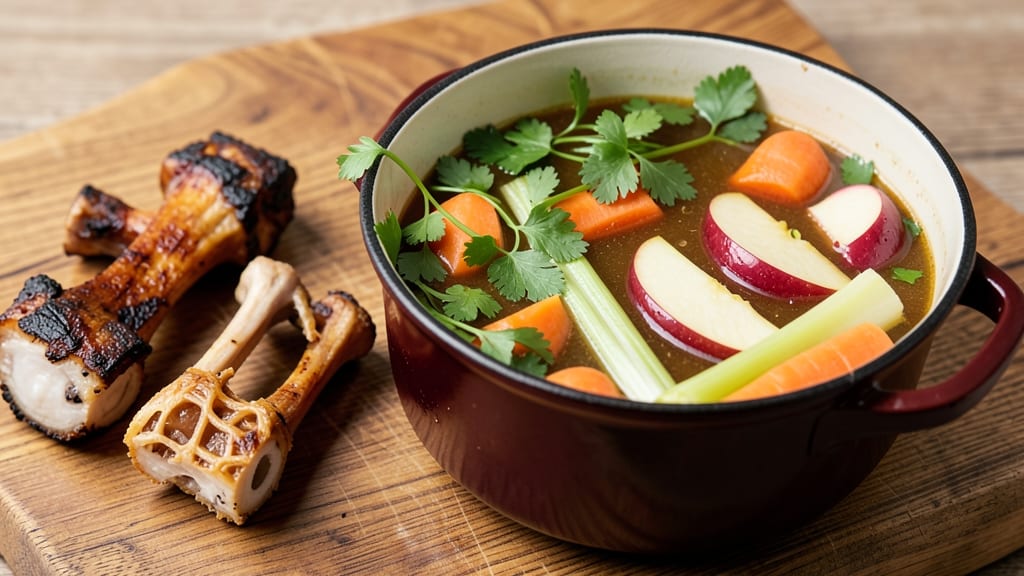
Creating nutrient-packed beef stock for dogs is simpler than you think, and it’s one of the best ways to boost your pup’s hydration and joint health.
This homemade broth simmers down beef bones and meat into a rich, flavorful liquid that’s safe, digestible, and packed with natural collagen—no artificial additives or harmful seasonings. The process takes just two hours, and the result is a broth so beneficial, you’ll want to make it weekly.
What makes this recipe stand out is its focus on pet-safe ingredients—no onions, garlic, or excessive salt that can harm dogs. Instead, we use beef bones (like marrow or knuckle bones) and a few simple vegetables like carrots and celery for natural flavor without the risks.
The slow simmer extracts all the good stuff: minerals, amino acids, and gelatin that support digestion, skin health, and even mobility.
By the end, you’ll have a clear, golden broth that’s easy to store and serve in small portions—perfect for mixing into dog food, offering as a low-calorie treat, or using as a recovery aid after illness.
Every sip is packed with nutrients your dog’s body will love, and you’ll never have to worry about questionable ingredients or preservatives found in store-bought versions.
This recipe is designed for both safety and convenience, with clear instructions on straining, cooling, and storing so you can always have a fresh batch on hand.
Whether your dog is a growing puppy, a senior needing joint support, or simply enjoys a tasty topper for meals, this beef stock is a game-changer for their diet.
Ingredients for beef stock for dogs
Simple, wholesome ingredients that turn into a nutrient goldmine for your pup.
| Ingredient | Amount | Notes |
|---|---|---|
| Beef Marrow Bones 🦴 | 2 lb | Raw, uncooked, pet-safe |
| Beef Knuckle Bones 🦴 | 2 whole | Raw, uncooked, pet-safe |
| Carrots 🥕 | 2 whole | Organic preferred, chopped |
| Celery Stalks 🧅 | 3 whole | Organic preferred, chopped |
| Apples 🍎 | 1 whole | Organic, cored, chopped |
| Fresh Parsley 🌿 | ¼ cup | Stems removed, chopped |
| Coconut Oil 🥥 | 1 tbsp | Unrefined, for searing |
| Filtered Water 💧 | 8 cups | Cold, for simmering |
| Apple Cider Vinegar 🍏 | 1 tbsp | Unfiltered, for balance |
| Sea Salt 🧂 | ¼ tsp | Unrefined, pet-safe |
| Turmeric Powder 🌿 | ¼ tsp | Anti-inflammatory for dogs |
| Ground Flaxseed 🌾 | 1 tsp | For omega-3 boost |
The bones are the star here. Marrow and knuckle bones from a trusted butcher or pet-safe supplier give you the best collagen and minerals. Avoid cooked bones or ones with meat still attached—they can splinter. Local farms or specialty pet stores often carry these, but check with your vet first. Organic carrots and celery add natural flavor without the risks of pesticides, and they’re easy to find at any grocery store. I always grab a few extra carrots—they keep for weeks in the fridge, and you can use them for other dog-friendly recipes too. The apples add natural sweetness and fiber, but make sure they’re organic since conventional apples often have pesticide residues.
No marrow bones? Beef neck bones or chicken feet work in a pinch, but avoid anything with seasoning or additives. Swap celery for more carrots if you’re out, but keep the ratio close. Fresh parsley is ideal, but dried parsley at one-third the amount works if you’re in a hurry. The coconut oil is non-negotiable for searing—it adds richness and helps extract more flavor from the bones. No coconut oil? Olive oil works too, but avoid butter or other dairy products. The apple cider vinegar might sound odd, but it helps balance the broth’s acidity and adds a subtle tang—white vinegar in a pinch, but use sparingly. Skip the salt if your dog is on a low-sodium diet, but the 0.25 tsp sea salt is safe for most dogs and enhances flavor without being harmful.
This broth keeps beautifully. Let it cool completely before transferring to airtight glass jars—they’re best for storage and won’t absorb odors. In the fridge, it stays fresh for 5-7 days, but I usually freeze portions in ice cube trays for easy serving. Each cube is perfect for mixing into dog food or offering as a treat. The turmeric and flaxseed can be added fresh each time you serve it, or you can mix them in while the broth is still warm. If you’re making a big batch, freeze half right away—it’s that good you’ll want to have it on hand.
Why You'll Love This Recipe
- Minimal Chopping Required: I swear by this—just rough-chop carrots and celery, toss in whole apples (peeled, of course), and let the bones do the work. No dicing, no fuss, just dump-and-simmer while you handle the rest of dinner.
- Rich, Deep Umami Bomb: That marrow and knuckle bones? They melt into the broth, turning it into a savory, gelatinous gold. Honestly, the first time I tasted it, I nearly stole a spoonful—then remembered it was for my pup. (Don’t tell them I did.)
- Meal Prep MVP: Make a big batch on Sunday, freeze it in ice cube trays, and boom—you’ve got single-serving portions ready for training treats, recovery meals, or just because. My dog’s kibble gets a gourmet upgrade every time.
- Budget-Friendly Bone Broth: Use tough cuts and scraps you’d normally toss—this turns them into liquid gold without breaking the bank. Between us, I’ve stretched one knuckle bone into three days’ worth of broth. That’s savings, people.
Step-by-step instructions for nutrient-packed homemade beef stock
Here's how to make a rich, flavorful broth that's perfect for your dog's health—simple, safe, and packed with natural goodness.
Prep and Sear the Bones
Start by thoroughly rinsing the 2 lb beef marrow bones and 2 whole beef knuckle bones under cold water to remove any impurities. Pat them completely dry with paper towels—this ensures maximum flavor extraction and prevents splattering during searing.
Heat a large pot over medium-high heat and add 1 tablespoon coconut oil. Once the oil shimmers, carefully place the bones in a single layer. Let them sear undisturbed for 5-7 minutes until they develop a deep golden-brown crust. This step unlocks rich flavors that will infuse your stock. Flip the bones occasionally to ensure even browning on all sides.
Add Vegetables and Simmer
Remove the bones from the pot and set them aside. In the same pot, add 2 whole carrots (chopped into large chunks), 3 whole celery stalks (cut into 3-inch pieces), and 1 whole apple (cored and chopped). Stir to coat the vegetables with the flavorful browned bits that settled at the bottom of the pot.
Pour in 8 cups filtered water and bring the mixture to a rolling boil over high heat. Once boiling, reduce the heat to low and add the seared bones back into the pot. Let it simmer gently for 1 hour, skimming off any foam or scum that rises to the surface with a large spoon. This ensures a clear, clean broth.
Enhance with Aromatics and Seasonings
After the initial simmer, add 0.25 cup chopped fresh parsley, 1 tablespoon apple cider vinegar, 0.25 teaspoon sea salt, 0.25 teaspoon turmeric powder, and 1 teaspoon ground flaxseed. Stir gently to combine. The vinegar helps tenderize the bones and balance flavors, while the turmeric adds anti-inflammatory benefits, and the flaxseed boosts omega-3s for your dog’s coat and joints.
Return the pot to a gentle simmer and continue cooking for another 1 hour. Keep the heat low enough to maintain a steady simmer—you should see small bubbles breaking the surface but no vigorous boiling. This slow cooking extracts collagen from the bones, creating a rich, gelatinous broth that’s easy for dogs to digest.
Strain and Cool
Once the stock has simmered for a total of 2 hours, remove the pot from the heat. Using a fine-mesh strainer or cheesecloth, carefully strain the broth into a clean bowl or pitcher. Press gently on the solids to extract every last bit of flavorful liquid. Discard the bones and vegetables—no waste here, as you’ve already extracted all the goodness.
Let the broth cool to room temperature before refrigerating. It will thicken slightly as it cools, which is normal and indicates the presence of natural collagen. Store it in an airtight container in the refrigerator for up to 5 days or freeze in ice cube trays for longer storage. This homemade stock is a fantastic addition to your dog’s meals or can be used as a base for homemade dog food recipes.
Pro Tips For Making Beef Stock For Dogs
- Char the Bones First: Toss your marrow and knuckle bones in a dry skillet over medium-high heat until they’re deeply browned—even blackened in spots. This step unlocks flavors that simmering alone can’t match, and it’s worth the extra 10 minutes. (Yes, even if you’re impatient like me.)
- Peel Apples, Not Skin: Dog-safe apple peels are edible, but the skin’s tough texture can turn your stock gritty when blended. Core and peel the apples—just leave the flesh—and your final stock will be silky smooth. Trust me, no one notices the missing skin.
- Skip the Boil: Start your stock in cold water and bring it to a gentle simmer, not a rolling boil. Aggressive boiling clouds the broth and wastes time—your bones need patience, not pressure. Cover the pot and let it hum quietly for hours.
- Strain Twice: After simmering, line a fine-mesh strainer with cheesecloth or a clean kitchen towel to catch any lingering bits. Pour the stock through, then strain it again into a clean pot. This removes grit without losing flavor—your dog’s bowl will thank you.
Serving suggestions for leftovers
Meal Toppers
Use this beef stock as a flavorful topper for your dog’s regular meals. I add 1-2 tablespoons to kibble or wet food, warming it slightly to release aromas that entice even picky eaters.
For extra appeal, sprinkle finely chopped parsley or a pinch of turmeric powder on top—it adds color and nutrients without overpowering. 🥄
Hydration Booster
Dogs with low water intake benefit from broth’s moisture content. Offer ¼ to ½ cup as a low-calorie treat, especially after exercise or when recovering from illness. The natural collagen supports joint health while encouraging hydration. Always serve it cool or room temperature—never hot—to prevent burns.
Recovery Aid
After surgery, illness, or dental procedures, this broth provides easy-to-digest nutrients. I serve 2-3 tablespoons 2-3 times daily alongside their regular food. The gelatin from bones aids gut healing, while the apple cider vinegar helps balance stomach acid.
Consult your vet for portion adjustments based on your dog’s size and condition.
Frozen Treats
Freeze the broth in ice cube trays for a refreshing summer treat. Pop one cube into their water bowl to encourage hydration, or mix into yogurt for a creamy snack.
For extra fun, add a few blueberries or dog-safe herbs before freezing. These treats last 3 months in the freezer and are perfect for hot days. 🍦
Homemade Dog Food Base
Use this stock as the foundation for homemade dog food recipes. Simmer it with lean ground beef, quinoa, and steamed sweet potatoes for a nutrient-dense meal.
The broth’s natural umami enhances flavor while providing essential minerals. Store portions in glass jars for up to 5 days in the fridge or freeze for longer storage.
Training Rewards
Small portions of this broth make excellent training treats. Use 1 teaspoon per reward to avoid overfeeding, and serve it in a small silicone cup for easy cleanup. The low-calorie nature makes it ideal for frequent rewards without guilt.
For extra appeal, drizzle a tiny bit over their favorite toy or chew as a special incentive. 🐾
Nutrition facts
Frequently asked questions
Can I use chicken or turkey bones instead of beef?
Beef bones are ideal for their high collagen content, but you can use chicken or turkey bones in a pinch. However, avoid weight-bearing bones (like chicken backs) as they can splinter. For poultry, use necks, wings, or feet instead—they're safer and still rich in nutrients. Just reduce simmering time to 1.5 hours since poultry bones break down faster.
How much broth should I give my dog at one time?
Start with 1-2 tablespoons for small dogs (20 lbs) and ¼ cup for larger dogs (50+ lbs). For treats, limit to ½ cup total per day to avoid digestive upset. Always introduce new foods gradually—mix a little broth with their regular meal first to monitor their reaction.
Why does my broth turn cloudy after refrigerating?
Cloudiness is normal! The natural gelatin and fats from the bones rise to the top when cooled. To clarify it, skim off the fat layer before serving or reheat gently (never boil) to redistribute the nutrients. For a clearer broth, strain it through a cheesecloth-lined sieve after simmering for 1.5 hours instead of 2.
Is it safe to give this broth to puppies?
Yes, but with caution. Puppies under 6 months have sensitive digestive systems, so start with ½ teaspoon mixed into their food. Avoid the flaxseed for very young pups (it's high in omega-3s) and skip the turmeric unless recommended by your vet. Always consult your veterinarian before introducing new foods to puppies.
Can I add other dog-safe ingredients like pumpkin or oatmeal?
Add ¼ cup cooked pumpkin (no spices) or 2 tablespoons rolled oats during the last 30 minutes of simmering. These boost fiber and texture. Just avoid adding them too early—they can become mushy. You can also stir in dog-safe herbs like basil or cilantro at the end for extra flavor.