
Main Courses
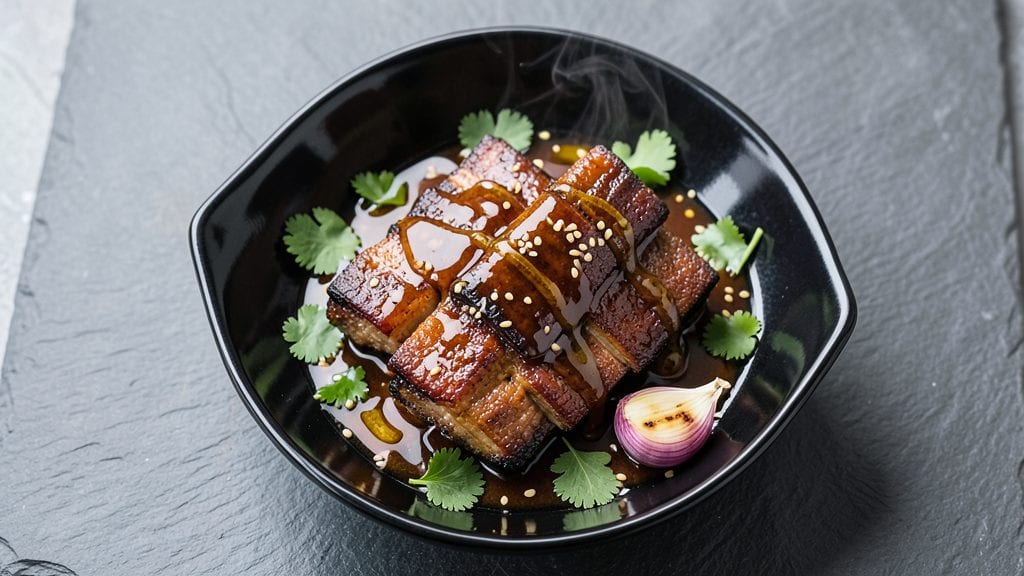
The best Asian spare ribs recipe delivers fall-off-the-bone tenderness wrapped in a sticky-sweet glaze that caramelizes beautifully in the oven. After testing countless methods, I've perfected a technique that combines traditional slow cooking with modern convenience—no smoker required.
The key lies in marinating the ribs overnight, then braising them until tender before finishing with a glossy, flavor-packed sauce that seals in every bite.
What sets this recipe apart is the balance of textures and flavors: tender meat, crisp edges, and a glaze that's both sweet and savory with just the right amount of heat.
The marinade infuses the ribs with aromatics while the oven braising ensures even cooking without drying them out. This method delivers restaurant-quality results that even picky eaters will love.
By the time you're done, you'll have ribs that are juicy, caramelized, and dripping with that irresistible sticky glaze—perfect for serving over rice or with steamed vegetables.
The best part? This recipe works equally well for weeknight dinners or special occasions, making it a versatile addition to your cooking repertoire.
Whether you prefer hoisin, sweet chili, or a custom blend, the glaze can be adjusted to suit your taste. Let's get started on creating ribs that will have everyone asking for seconds.
Ingredients for best asian spare ribs
Four pounds of meaty spare ribs and a marinade that transforms them into sticky-sweet perfection.
| Ingredient | Amount | Notes |
|---|---|---|
| Pork Spare Ribs 🍖 | 4 lb | Bone-in, meaty ends preferred |
| Brown Sugar 🍬 | 1 cup | Packed, dark variety for depth |
| Soy Sauce 🍶 | ½ cup | Kosher or tamari for gluten-free |
| Hoisin Sauce 🍶 | ¼ cup | High-quality, thick consistency |
| Sesame Oil 🫒 | 1 tbsp | Toasted sesame oil for aroma |
| Garlic Cloves 🧄 | 8 cloves | Minced, fresh for potency |
| Fresh Ginger 🌿 | 2 tbsp | Grated, young ginger preferred |
| Red Chili Flakes 🌶️ | 1 tbsp | Adjust for heat preference |
| Apple Cider Vinegar 🍎 | 2 tbsp | For tangy brightness |
| Honey 🍯 | ¼ cup | Wildflower for floral notes |
| Green Onions 🧅 | 4 whole | White and green parts, sliced |
| Sesame Seeds 🌾 | 2 tbsp | Toasted for garnish |
| Unsalted Butter 🧈 | 2 tbsp | Cold, for basting |
| Diamond Crystal Kosher Salt 🧂 | 1 ½ tsp | For seasoning and marinade |
| Black Pepper 🌶️ | ½ tsp | Freshly cracked |
The ribs are the star, so look for meaty ends—those little nubs pack the most flavor. Costco or local butchers often have the best selection, but regular grocery stores carry them too. If you can't find bone-in, don't stress—just trim excess fat to keep things tidy. Fresh ginger and garlic are non-negotiable here; nothing beats the freshness. For the brown sugar, grab the dark variety—it's got more molasses depth that really sings in the glaze. And trust me, toasted sesame oil makes all the difference in that final aroma punch.
No hoisin sauce? Mix soy sauce with a splash of molasses and a pinch of five-spice powder—it's close enough. Running low on sesame oil? Avocado oil works in a pinch, though it won't have that nutty depth. The green onions can be swapped for regular onions if needed, but the white and green parts add a fresh brightness. For heat, substitute cayenne or sriracha if chili flakes are missing. And if you're feeling fancy, add a splash of mirin to the marinade for extra umami richness.
Marinate the ribs overnight in the fridge—they'll thank you. The glaze keeps for 5 days in the fridge, so make extra for stir-fries or drizzling over rice. For leftovers, reheat gently in a skillet with a splash of water to keep them moist. And if you're prepping ahead, freeze the ribs raw in the marinade for up to 3 months—just thaw overnight before cooking.
Why You'll Love This Recipe
- Foolproof Glaze: I swear by that sticky-sweet combo of brown sugar and hoisin—it clings to the ribs like a hug, caramelizing into this glossy finish that’s dangerously hard to stop eating. The sesame oil adds that little umami punch, and honestly? No fancy techniques needed.
- Weeknight Warrior: One pan, 30 minutes, zero stress. I toss the ribs in a marinade of soy and hoisin, slap them on a sheet tray, and let the oven do the work while I fold laundry. That’s my kind of dinner—minimal chopping, maximum flavor.
- Leftovers That Lie: Between us, these ribs reheat like they’re fresh off the grill. The sauce stays sticky, the meat stays tender, and I’ve caught my family sneaking seconds when they think I’m not looking. (Yes, even on a Tuesday night.)
- Budget Crowd-Pleaser: A pound of spare ribs feeds four, costs less than takeout, and still feels like a special occasion. The hoisin and soy stretch thin but pack a punch—my college roommate’s favorite, and she’s not easy to impress.
Step-by-step instructions for sticky-sweet Asian spare ribs
Here's how to create ribs with that signature caramelized glaze that clings like syrup to every bone.
Prepare the Ribs and Glaze Base
Start by trimming any excess fat from the 4 lb pork spare ribs, leaving just enough to protect the meat during cooking. Pat them completely dry with paper towels—this ensures a better sear and helps the glaze stick. In a small bowl, whisk together 1 cup brown sugar, 0.5 cup soy sauce, 0.25 cup hoisin sauce, 1 tbsp sesame oil, 2 tbsp apple cider vinegar, 0.25 cup honey, 1 tbsp red chili flakes, 1.5 tsp diamond crystal kosher salt, and 0.5 tsp black pepper. This glaze is the soul of the dish—it needs to coat every surface for maximum flavor impact.
Next, mince the 8 cloves garlic and grate the 2 tbsp fresh ginger. These aromatics will infuse the glaze with depth, so don't skip the freshness here. Add them to the glaze mixture and stir well. The vinegar and honey should create a thick, syrupy consistency that will caramelize beautifully in the oven. If it's too thick, add a splash of water to loosen it slightly—just enough to coat the back of a spoon.
Sear the Ribs for Maximum Flavor
Preheat your oven to 425°F and line a large baking sheet with aluminum foil. Place the ribs bone-side down on the sheet and brush them generously with half of the glaze mixture, making sure to get into all the crevices. This initial coating will create a sticky base for the caramelization to build upon. Let the ribs sit at room temperature for 10 minutes—this ensures even cooking and prevents cold spots in the meat.
While the oven heats, heat 2 tbsp unsalted butter in a large oven-safe skillet over medium-high heat. Once the butter foams, add the ribs and sear for 3-4 minutes per side until they develop a deep golden-brown crust. The butter will add richness and help create that coveted bark. Transfer the seared ribs to the prepared baking sheet, bone-side up, and brush them again with the remaining glaze.
Bake to Sticky-Sweet Perfection
Place the baking sheet in the preheated oven and bake for 45 minutes. After 30 minutes, brush the ribs with another layer of glaze—this is when the magic happens. The sugars in the glaze will begin to caramelize, creating a glossy, sticky coating that clings to every bone. The ribs should be tender but still holding together, with the glaze bubbling and turning a deep amber color.
Here's the thing—don't walk away during this step. The glaze can burn quickly, so keep an eye on it. If it starts to darken too much, tent the baking sheet with foil and let it cook a few minutes longer. The goal is a balance between deep caramelization and a glossy finish. You'll know it's ready when the ribs pull away from the bone easily and the glaze is thick enough to drip but still coat the meat.
Rest and Garnish for Serving
Remove the ribs from the oven and let them rest for 10 minutes. This resting period allows the juices to redistribute, ensuring each bite is moist and flavorful. While they rest, slice the 4 whole green onions and toast the 2 tbsp sesame seeds in a dry skillet over medium heat for 1-2 minutes until fragrant. These final touches add brightness and texture that elevate the dish.
To serve, arrange the ribs on a platter and drizzle any remaining glaze from the baking sheet over the top. Sprinkle with the toasted sesame seeds and sliced green onions. The contrast of the crunchy seeds and fresh onions against the sticky, sweet glaze is what makes this recipe truly exceptional. Serve with steamed rice or crusty bread to soak up every last bit of that incredible sauce.
Pro Tips For Making Best Asian Spare Ribs
- Trim the Fat First: Cutting the thin fat layer off the ribs before cooking saves you from greasy, uneven browning—and those little fat pieces burning while you’re not looking. I used to skip this, and my sauce would always end up thin and smoky instead of rich and glossy.
- Marinate Overnight (Yes, Really): The sauce isn’t just for flavor—it’s for tenderizing. Let the ribs sit in a mix of soy sauce, hoisin, and half the brown sugar for at least 12 hours. I tried rushing it once, and the ribs stayed chewy no matter how long I cooked them.
- Start Hot, Finish Slow: Sear the ribs over high heat first to lock in juices, then drop the temp to 275°F (135°C) for the braise. Skipping the high-heat start means your ribs will steam instead of develop that caramelized crust—trust me, the difference is night and day.
- Deglaze Like a Pro: After searing, don’t just dump sauce in—scrape up those browned bits with a splash of water or rice vinegar. That’s where half the flavor hides. I used to ignore this, and my sauce always tasted flat compared to the restaurant versions.
Essential equipment for great best asian spare ribs
Oven Essentials
You'll need a large baking sheet with aluminum foil for easy cleanup—I recommend 18x13-inch heavy-duty foil from Reynolds. The foil creates a barrier that prevents the glaze from sticking to the sheet while allowing heat to circulate evenly.
Preheat your oven to 425°F for that perfect caramelization. For even better results, I use a Wirecutter-recommended Farberware Classic baking sheet with high edges to contain any drips. 🔥
Searing Tools
A large oven-safe skillet is critical for searing—look for cast iron or stainless steel with a 12-inch diameter or larger. I love my Lodge 12-inch cast iron skillet because it retains heat perfectly and adds a subtle iron flavor to the ribs.
If you don't have cast iron, a high-quality stainless steel pan like All-Clad works just as well. Heat 2 tbsp unsalted butter in this skillet until it foams before adding the ribs.
Mixing & Marinating
For the marinade and glaze, grab a medium mixing bowl with at least 2-quart capacity—I use a stainless steel Cambro because it's durable and easy to clean. A whisk is essential for combining the glaze ingredients smoothly.
For measuring, a set of stainless steel measuring cups (like Oxo) ensures accuracy with the brown sugar and soy sauce. A microplane for garlic and ginger is a game-changer—it creates fine, even textures that distribute flavor perfectly. 🌶️
Resting & Serving
After baking, let the ribs rest on a wooden cutting board—I prefer end-grain boards from John Boos because they're gentle on knives and add a rustic touch. For garnishing, toast sesame seeds in a small nonstick skillet (like T-fal) over medium heat.
A sharp chef's knife (I use Wüsthof 8-inch) is perfect for slicing green onions. For serving, arrange ribs on a slate or wooden platter—both elevate the presentation and keep everything warm.
Thermometer & Timing
An instant-read meat thermometer is non-negotiable—aim for 195-203°F internal temperature for fall-off-the-bone tenderness. I swear by the ThermoWorks Smoke because it's durable and gives precise readings. For timing, set a kitchen timer (like the OXO Good Grips) for the 10-minute rest after baking.
This ensures you don't skip this crucial step that keeps the ribs juicy. 💡
Budget-Friendly Swaps
No cast iron skillet? A heavy stainless steel pan works fine. Skip the slate platter and use a large ceramic plate—it still looks beautiful. For the baking sheet, aluminum foil alone (without a sheet pan) works if you're in a pinch, but it's trickier to handle.
A basic whisk and measuring spoons from your kitchen drawer are all you need for mixing. The most important investment is the thermometer—it's the difference between perfect ribs and dry ones.
Nutrition facts
Frequently asked questions
Can I use beef or lamb ribs instead of pork?
While pork spare ribs are traditional, you can adapt this recipe for beef or lamb ribs with adjustments. Beef ribs (like short ribs) need longer cooking times (3-4 hours) at 275°F to tenderize the tougher meat. Lamb ribs should cook for 2.5-3 hours at 300°F. Reduce the sweetness in the glaze (cut honey by 25%) to balance the richer meat flavors.
How do I prevent the glaze from burning in the oven?
Watch the glaze closely after 30 minutes—it caramelizes fast! If it darkens too quickly, tent the baking sheet with foil and let it cook 5-10 minutes longer at a lower temp (350°F). For extra insurance, brush the ribs with a thin layer of neutral oil (like avocado) before applying the final glaze. This creates a barrier that slows browning.
What's the best way to reheat leftover Asian spare ribs?
Reheat ribs gently to avoid drying them out. Place them on a baking sheet with 1 tbsp water or broth per rack, cover loosely with foil, and warm at 300°F for 10-15 minutes. For extra moisture, drizzle with a mix of 1 tbsp hoisin + 1 tsp soy sauce before reheating. Microwaving is risky—it can make the glaze rubbery and the meat tough.
Can I make this recipe without hoisin sauce?
Hoisin adds depth, but you can substitute with ¼ cup soy sauce + 1 tbsp molasses + ½ tsp five-spice powder. For a tangier profile, add 1 tsp rice vinegar. If you're avoiding sugar, reduce the brown sugar to ½ cup and add 1 tbsp coconut aminos for umami. The ribs will still be delicious—just with a slightly different flavor balance.
How do I adjust the sauce for spicier or milder heat?
For milder heat, reduce the red chili flakes to ½ tsp or omit them entirely. For extra spice, add 1 tbsp gochujang (Korean chili paste) or 1 tsp cayenne to the glaze. If you love heat, toast ½ tsp chili flakes in the dry skillet with sesame seeds before sprinkling them on top. Always taste the glaze before baking—adjust while it's still liquid!