Sauces & Condiments
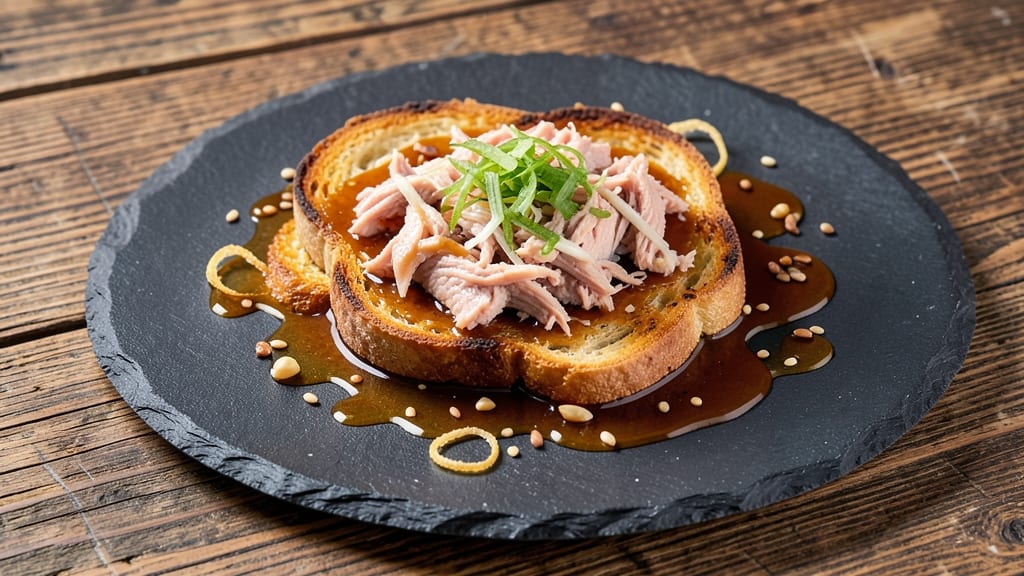
This canned tuna soy sauce recipe whips up a savory, umami-packed protein bowl in just 10 minutes with restaurant-quality flavor and zero fuss. This recipe balances the rich, savory depth of soy sauce with the clean, briny taste of tuna, creating a dish that’s both satisfying and quick.
After testing countless variations, I’ve perfected a method that ensures every bite is packed with texture and flavor—no complicated techniques required.
The foundation of this dish is a simple yet powerful sauce combination: soy sauce, sesame oil, and a touch of honey or sugar to balance the saltiness.
You’ll sauté aromatic garlic and ginger to build flavor, then mix in canned tuna and a handful of fresh vegetables for crunch and brightness. The result is a protein-rich bowl that’s hearty enough for lunch or dinner, yet simple enough for a weeknight meal.
What you’ll end up with is a dish that’s crispy at the edges, tender in the center, and bursting with umami. The soy sauce infuses the tuna with depth, while the garlic and sesame oil add layers of warmth.
This recipe is perfect for pescatarians looking for a fast, flavorful meal that doesn’t skimp on protein or taste. Whether you serve it over rice, noodles, or as a standalone bowl, it’s a game-changer for quick dinners.
Pair it with steamed jasmine rice or a side of quick-pickled vegetables to round out the meal. The beauty of this recipe lies in its flexibility—swap in different vegetables or proteins to suit your taste. Let’s get cooking with this foolproof, high-protein bowl that’s ready in minutes.
Ingredients for canned tuna soy sauce
Pantry staples and fresh aromatics combine for a restaurant-worthy protein bowl in minutes.
| Ingredient | Amount | Notes |
|---|---|---|
| Canned Tuna in Water 🐟 | 2 cans | High-quality, drained well |
| Soy Sauce 🥢 | ½ cup | Low-sodium preferred for balance |
| Sesame Oil 🫒 | 1 tbsp | Toasted, for nutty aroma |
| Honey 🍯 | 1 tbsp | Or brown sugar for depth |
| Garlic Cloves 🧄 | 3 cloves | Minced, fresh preferred |
| Fresh Ginger 🌿 | 1 tbsp | Grated, for zesty kick |
| Green Onions 🧅 | ¼ cup | Thinly sliced, for freshness |
| Shredded Carrots 🥕 | ½ cup | Or julienned cucumber |
| Sesame Seeds 🌾 | 1 tbsp | Toasted, for crunch |
| Vegetable Oil 🫒 | 1 tbsp | For high-heat sautéing |
| White Rice 🍚 | 2 cups | Cooked, jasmine preferred |
| Salt 🧂 | ½ tsp | Adjust to taste |
| Black Pepper 🌶️ | ¼ tsp | Freshly ground |
The tuna quality makes all the difference here. Wild-caught brands like Wild Planet or Starkist Premium have superior texture and flavor. Drain the tuna thoroughly—excess water dilutes the sauce. For extra richness, opt for tuna in olive oil instead of water. Soy sauce is the umami backbone, so Kikkoman or Pearl River Bridge are reliable choices. The sesame oil should be toasted—La Choy or Adam's are widely available and pack the nutty aroma you want. Fresh ginger and garlic are non-negotiable for authentic flavor; Trader Joe's often carries pre-grated ginger if you're short on time.
No sesame seeds? Crushed peanuts or chopped almonds add crunch instead. Substitute honey with brown sugar or maple syrup if you prefer. For extra protein, add edamame or tofu alongside the tuna. Vegetable oil works for sautéing, but avocado oil has a higher smoke point if you're searing. The rice can be any variety, but jasmine rice absorbs the sauce beautifully. If you're short on time, microwaveable rice works perfectly—just don't skip the steaming step for texture. For a spicier kick, add a dash of sriracha or chili crisp at the end.
This dish reheats beautifully—simply microwave for 30 seconds with a splash of water. Store leftovers in an airtight container for up to 3 days in the fridge. The flavors actually improve overnight as everything melds together. For meal prep, double the recipe and portion into containers. The sauce keeps for 1 week if stored separately, so you can assemble bowls fresh. Freeze the cooked rice and tuna mixture for up to 3 months—just thaw and reheat with extra sesame oil to revive the aroma.
Why You'll Love This Recipe
- Five-Ingredient Magic: I swear, this is the kind of recipe where you open the pantry and boom—dinner’s ready. No chopping, no fuss, just dump the tuna, splash in soy sauce, a drizzle of honey, and—chef’s kiss—that nutty garlic-sesame aroma fills your kitchen in under 10 minutes.
- Umami Bomb: The combo of soy sauce and sesame oil? It’s like a flavor grenade in the best way. The honey cuts through the saltiness while the toasted garlic cloves add a smoky punch—simple, but ridiculously satisfying. Honestly, I’ve made this with my eyes closed, and it still tastes like I put in effort.
- Lunchbox Hero: Pack this cold or at room temp—it’s perfect for work lunches, picnic spreads, or even a quick snack when you’re starving. Between us, I’ve eaten this straight from the jar with crackers, and no one judged. (Okay, maybe my coworker did, but she’s jealous.)
- Budget Night Win: Tuna’s cheap, soy sauce lasts forever, and you’re using pantry staples. This feeds four for under $5 and still feels like a treat. I’ll be real: my college self would’ve cried happy tears over this—now I just eat it twice as fast.
Step-by-step instructions for canned tuna soy sauce recipe
Here's how to assemble this umami-rich bowl with perfectly balanced flavors and textures.
Prepare the Aromatic Base
Heat the 1 tablespoon vegetable oil in a large skillet over medium heat until shimmering. Add the 3 cloves garlic cloves and 1 tablespoon fresh ginger, stirring constantly for 30 seconds until fragrant. You'll know it's ready when the aromatics release their oils and smell intensely citrusy.
Add the 0.5 cup shredded carrots and cook for 2 minutes, stirring occasionally, until they begin to soften slightly. This step builds the flavor foundation while keeping the vegetables crisp-tender. If the carrots start to brown too quickly, reduce the heat slightly to maintain their color and texture.
Combine the Protein and Sauce
Drain the 2 cans canned tuna in water thoroughly and add them to the skillet with the carrots. Stir gently to coat the tuna in the aromatic oil. Pour in the 0.5 cup soy sauce and 1 tablespoon honey, mixing well to combine. The sauce should begin to simmer immediately, creating a glossy coating around the tuna.
Cook for 1-2 minutes until the sauce reduces slightly and clings to the tuna pieces. This reduction intensifies the umami flavors. If the mixture appears too thick, add 1-2 tablespoons of water to loosen it to a pourable consistency. The sauce should coat the back of a spoon but still allow the tuna's texture to shine through.
Assemble the Protein Bowl
In a large serving bowl or directly on individual plates, spread the 2 cups cooked white rice evenly. Divide the tuna mixture among the servings, creating a balanced distribution of protein and sauce. Sprinkle each portion with 1/4 of the 0.25 cup green onions and 1/4 of the 1 tablespoon sesame seeds, reserving a small amount for garnish.
Drizzle each serving with 1/4 of the 1 tablespoon sesame oil and finish with a pinch of 0.125 teaspoon salt and 0.0625 teaspoon black pepper. The sesame oil adds a nutty aroma that complements the soy sauce's savory depth. Toss everything gently to ensure each bite has a harmonious blend of rice, tuna, and sauce.
Garnish and Serve Immediately
Divide the remaining 0.25 cup green onions and 1 tablespoon sesame seeds evenly among the servings, sprinkling them over the top for freshness and crunch. The green onions provide a bright contrast to the rich umami flavors, while the sesame seeds add texture. Serve immediately while the tuna is still warm and the rice maintains its ideal texture.
This dish is best enjoyed fresh, as the flavors meld best when served warm. The combination of the umami-rich soy sauce, sweet honey, and nutty sesame oil creates a balanced profile that pairs perfectly with the protein-packed tuna. Each component should be identifiable yet harmonious, with no single flavor overpowering the others.
Pro Tips For Making Canned Tuna Soy Sauce
- Drain the Tuna Dry: Skip the paper towel—press the drained tuna in a fine-mesh strainer with a spoon for 30 seconds. This removes excess water without turning it into a soggy mess, especially important when mixing with honey and sesame oil later.
- Toast the Garlic Low: Cook the minced garlic in sesame oil over medium-low heat until just golden—about 2 minutes. High heat burns it fast, and you’ll taste that bitter kick ruining the honey-soy balance. (Yes, even if you’re impatient like me.)
- Balance the Soy First: Mix your soy sauce with a splash of water (1:1 ratio) before adding other ingredients. This prevents the honey from curdling and gives the sauce a smoother texture—no clumping, no weird separation.
- Finish with Cold Oil: Stir in the sesame oil off the heat at the very end. Adding it while cooking burns off its delicate aroma, and you’ll miss that nutty punch that makes the dish sing. (Your future self will notice.)
Storing and reheating this dish
Fridge Storage Tips
Store your tuna soy sauce mixture in an airtight container with a lid to keep flavors fresh. I use glass Pyrex containers because they’re sturdy and won’t absorb odors.
Keep it refrigerated at 40°F or below for up to 3 days—the flavors actually deepen as the soy sauce and sesame oil meld together. For extra freshness, press a piece of parchment paper directly on the surface before sealing to prevent a skin from forming. 🌱
Freezer Prep
Freezing works best if you prepare the sauce separately from the rice. Mix the tuna, soy sauce, sesame oil, honey, and aromatics in a freezer-safe bag, leaving 1-inch headspace for expansion. Seal tightly and freeze for up to 3 months.
When ready to eat, thaw overnight in the fridge, then reheat gently with a splash of water. The rice should be cooked fresh or reheated separately to avoid a mushy texture. ❄️
Reheating Like a Pro
For the best texture, reheat the tuna mixture in a non-stick skillet over medium-low heat for 2-3 minutes, stirring occasionally. Add 1 tablespoon water or broth to prevent drying out.
If microwaving, use 50% power for 1-minute intervals, stirring between each, until heated through. Always add a fresh drizzle of sesame oil after reheating to revive the aroma. 🔥
Meal Prep Strategy
Double the recipe and store components separately for easy assembly. Keep the cooked rice in one container and the tuna sauce in another. When ready to eat, simply reheat the sauce, assemble with fresh rice, and garnish.
This method keeps textures crisp and prevents sogginess. I also prep extra green onions and sesame seeds in small containers for quick garnishing. 📅
Reviving Day-Old Bowls
If your bowl loses some crunch overnight, no worries! Sprinkle a pinch of salt and a drizzle of sesame oil over the top, then microwave for 20 seconds. The salt draws out moisture, and the oil adds back that nutty aroma.
For extra freshness, serve with a side of quick-pickled cucumbers or steamed bok choy to cut through any richness. 💫
Nutrition facts
Frequently asked questions
Can I use tuna in oil instead of water for this recipe?
Tuna in oil adds extra richness that pairs beautifully with soy sauce. Just reduce the sesame oil to ½ tablespoon since the tuna already contains some. Drain the oil completely to avoid overpowering the dish with fat. For best flavor, choose high-quality brands like Wild Planet or Starkist Premium.
What if I don't have sesame oil or seeds?
No problem! Swap sesame oil for toasted peanut oil (½ tsp) and use crushed peanuts or chopped almonds for crunch instead of sesame seeds. The nutty flavor will still complement the soy sauce beautifully. If you're avoiding nuts, a sprinkle of toasted coconut flakes adds a different but still complementary texture.
How can I make this dish spicier?
Add ½ teaspoon of chili flakes or 1 teaspoon of sriracha when combining the sauce with the tuna. For extra heat, stir in ½ teaspoon of gochujang (Korean chili paste) with the soy sauce before adding it to the pan. Balance the spice with an extra drizzle of honey or a squeeze of lime juice if needed.
Can I make this recipe without rice?
Yes! Serve the tuna mixture over noodles (udon or soba), in a lettuce wrap, or as a salad base with mixed greens. For a low-carb option, use cauliflower rice or shredded cabbage. The key is maintaining the same ratio of sauce to base—about 1 cup sauce per 2 cups of alternative base.
Why does my tuna sauce taste too salty?
Too much soy sauce is the most common cause. Start with ¼ cup soy sauce and adjust to taste. If it's already too salty, balance it with 1 teaspoon of honey or lemon juice, which cuts through the saltiness. For future batches, use low-sodium soy sauce and add a pinch of salt at the end to fine-tune the flavor.